
The future that once inhabited only the pages of science fiction or film screens seems, every day, more integrated with our present. When we think of the projections of a hypertechnological tomorrow, the mind draws colossal skyscrapers tearing up charged clouds, holographic ads covering entire facades and artificial intelligences shaping every aspect of everyday life. However, the true core of the dystopic concept lies not in the presence of technology, but in the abyss that opens between technical advancement and human and urban degradation. It is the classic axiom of the cyberpunk genre summed up brilliantly by writer William Gibson: "The future is already here — It's just not evenly distributed."
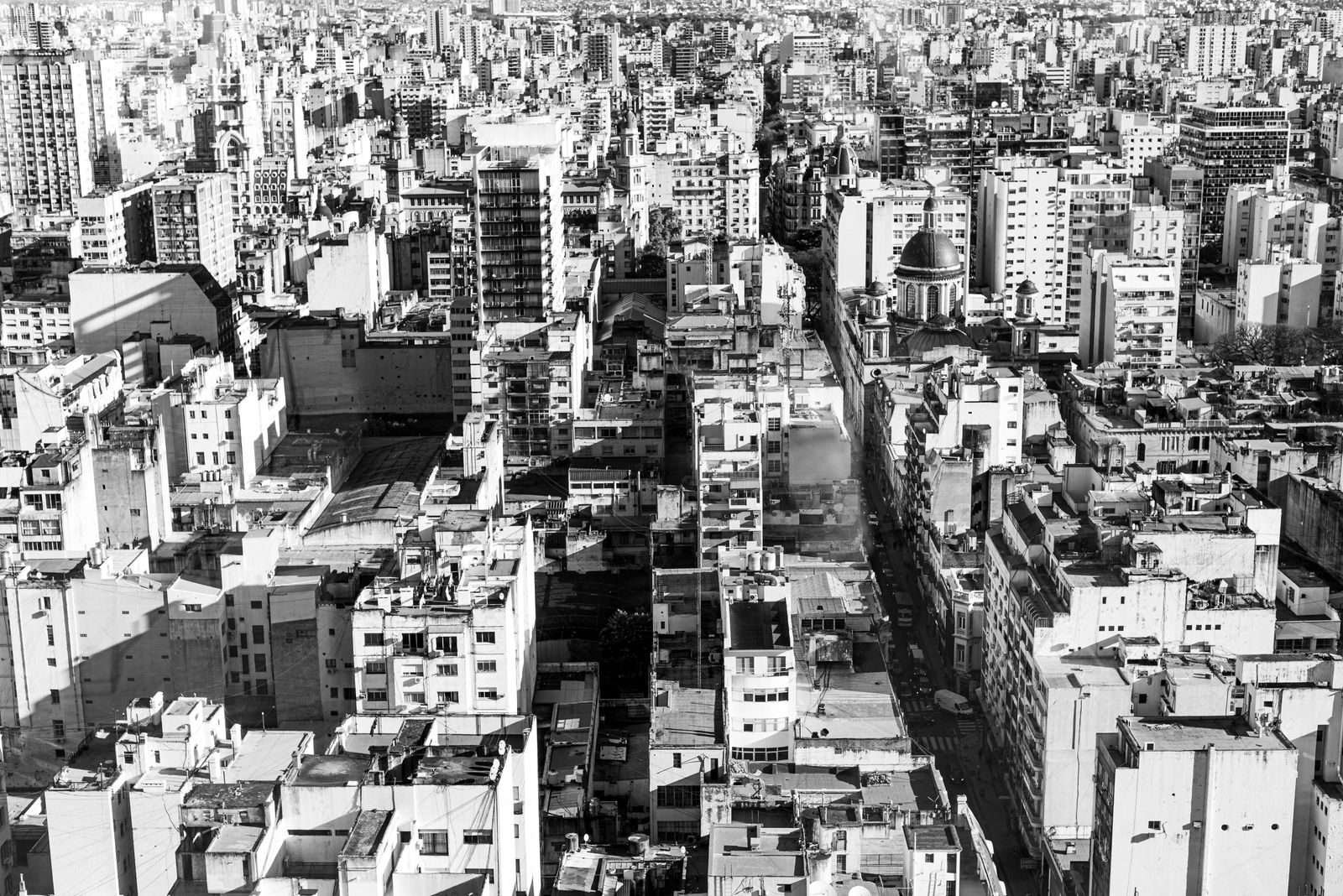
In this scenario of violent contrasts, technology advances at large paces as urban infrastructure and social fabric go into frank decay. The cities of the future dystopian function as fractured organisms. At the top, or in hypervigidated and exclusive areas, the elite enjoys advanced biotechnology, total automation and immersive virtual realities that offer a perfect escape from reality. On the streets below, however, the scenario is completely abandoned. The cracked asphalt divides space with exposed fiber optic cables, and public lighting fails is replaced by the incessant glow of corporate neons who sell products that the overwhelming majority of the population can never afford.
This urban decay is the physical reflection of deep social decay. As the state retreats or merges into the interests of monopolistic megacorporations, basic social guarantees disappear. Extreme automation and artificial intelligence, which could free humanity from degrading work, become tools of mass exclusion, pushing massive portions of the population to unemployment or to the precarious informality of a technological subsistence economy. Connectivity, ironically, does not generate unity; it generates isolation. Individuals navigate hyperconnected neural networks as they walk through superpopulous and unhealthy alleys, living a collective loneliness where real human contact is a luxury in extinction.
The urban environment also charges its price. The uncontrolled industrial advance and climate neglect transform the climate of metropolises into a perpetual cycle of acid rain, visual pollution and toxic mist. Nature is privatized; trees and clean air become commodities accessible only to those who can afford the air-conditioned summits of high-class neighborhoods. For ordinary citizens, survival requires adaptation to a hostile ecosystem, where obsolete air filtration devices and second-hand cybernetic prostheses are remedied analogically, creating an aesthetic of "high technology, low quality of life".
Looking at this dystopic future should not be an exercise of mere pessimism, but rather an urgent alert. Technological advancement, isolated from an ethical and social commitment, is not synonymous with progress; it is only the sophistication of inequality. As machines become more intelligent and efficient, the true measure of our development will remain the way we take care of the space we share and the people who inhabit it. After all, it's no use touching the stars with your fingertips if your feet remain stuck in the mud of a fractured society.
The shine of the Neons on the Broken Asphalt: The Paradox of Urban Distopia.


Leave a comment