It was a mixture of chance, poorly tuned radio and much need for belonging.
In the late 1960 ’ s and early 1970 ’ s, in São Luís, some people began to pick up in short waves Caribbean seasons. Another version of the story says it was sailors and dockers who brought Jamaican Vinis through the port. One way or another, the records have arrived.
The first one was DJ Riba Macedo in 1975. He began playing the parties on the outskirts and the rhythm instantly glued to the black youth of the city. It wasn't just the music. That's what the lyrics said about poverty, racism, resistance, black pride. It sounded like their story, except with another accent.
And then came what really changed everything: the radios.
Inspired by Jamaica's sound systems, they became giant walls of sound boxes with dozens of amplifiers, lights, and a DJ in charge. Names such as the Golden Voice Canarinho of DJ Locksmith, one of the pioneers, became legendary. They dominated the clubs and the street parties. The radio dispute took thousands of people. And every booming song turned into a "melo" or a "stone" – the crowd often didn't even understand English, but baptised the music for the chorus I heard.
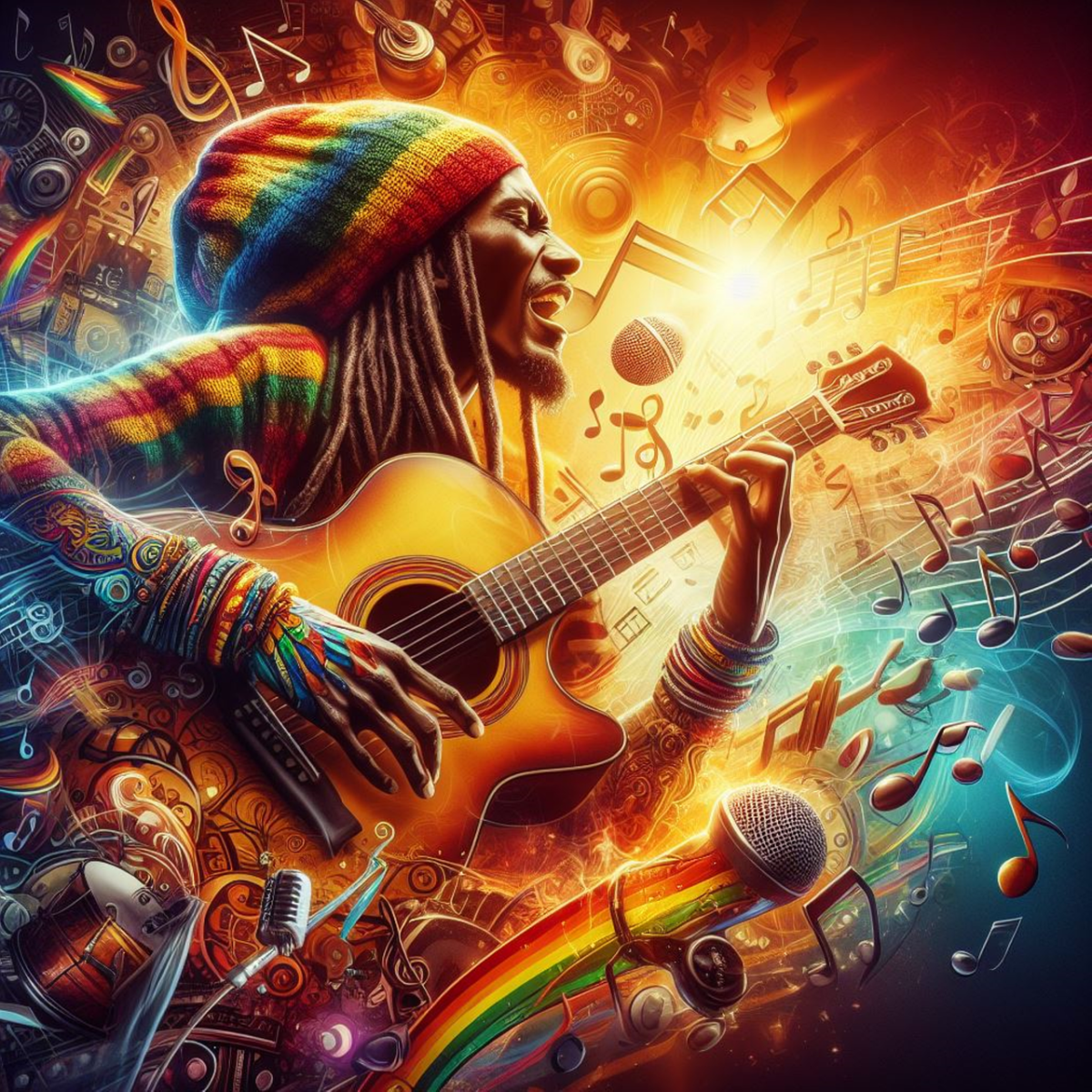
The reggae from there also looked different. More romantic, slower, to dance with two, quite different from the original Jamaican swing. Mixed with Bumba My Boi, Creole Drum, capoeira. It became fashion, way to talk, to dress in the colors green, yellow and red, to cut the hair.
For a long time he was marginalized and even repressed by the police, but he became too big to ignore. Today São Luís has over 200 active radiolas, hundreds of bands like the Jah Tribe, radio shows, theme bars. In 2018 the city inaugurated the Reggae Museum of Maranhão, the first outside Jamaica and the second in the world, and officially won the Reggae National Capital title.
That's why the nickname got so strong. As the director of the Museum said, Ademar Danilo: the reggae is Jamaican, of course, but it is also Maranhense now. It didn't come as a foreign invader, it came as a brother who was born elsewhere.
Tag: art
-
Like Maranhão, Brazil became Brazilian Jamaica
-
Say hello with a smile
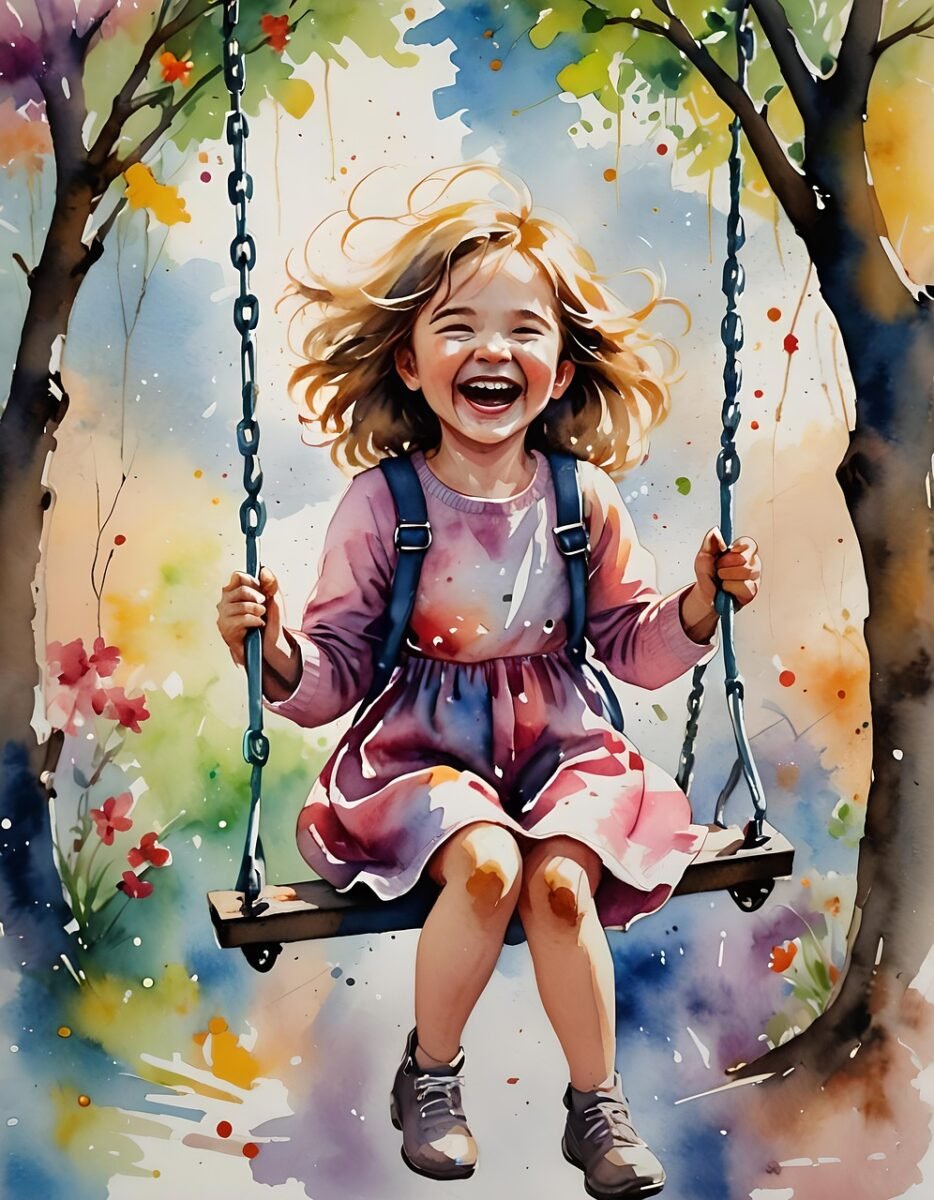
Smile is not just a muscle movement, a lip curvature or a social reflection of politeness. He is, in his purest essence, a portal. To greet someone with a smile is an act of metaphysical courage; it is the moment when we decide, for a brief second, to disarm the sentries of our ego to allow the light of the other to touch ours. In a world that often resembles a desert of indifference, smile works as an unexpected oasis, a proof that humanity still pulses under the layers of concrete and haste of big cities.
Philosophically, smile is the denial of nihilism. When we smile at a stranger, we are claiming that his existence has value, that he has been noticed, recognized and, in a way, validated. It is the "I see you" of which the ancestral traditions spoke, translated into the silent language of the face. It's a bridge over the abyss of loneliness. As the philosopher Emmanuel Levinas would say, it is on the face of the other that ethics is based. Smile, therefore, is the first prayer of ethics: a silent commitment to non-aggression and acceptance.
Poetically, smile is the dawn that is born in the middle of the night of the soul. How many times a warm greeting wasn't the Ariadne wire someone used to get out of a maze of sorrows? It is not a plastic joy or a catalogue happiness, but a deep compassion. Smiling while you say "good morning" is like sowing flowers on dry soil. You may not see the harvest, but the scent of that gesture remains in the air, altering the chemistry of the environment and the heart rate of the recipient.
There is a sacred geometry in the act of smiling. It breaks the rigidity of the masks we use to survive. The mask of the serious professional, the mask of the occupied citizen, the mask of the protected individual. The smile cracks this social pottery and lets the vulnerable and divine soul that dwells in us all appear. It is a reminder that despite our differences in caste, color or belief, we all share the same fundamental need for connection and human warmth.
Besides, smile is an act of resistance. In times of cynicism and algorithms that isolate us in bubbles of hatred, smiling to the next is a silent revolution. It is to say that love is still the strongest currency, that kindness is the most sophisticated intelligence and that the beauty of a human encounter surpasses any technology. It is an ephemeral form of art, painted in the air with the light of the look and the curve of the lips, which cannot be bought, but which enriches infinitely who gives it and who receives it.
So let us not save on smiles. May they be our standard greeting to the mystery of life that dwells in the other. That when we meet someone in the corridor of life, we can offer this immaterial gift, this little spark of divinity that says: "I'm here, you're there, and we better be together right now." For at the end of the day, when all the words shut up and all the theories fail, it will be the brightness of a sincere smile that will illuminate the way back home to the heart of our own humanity.
-
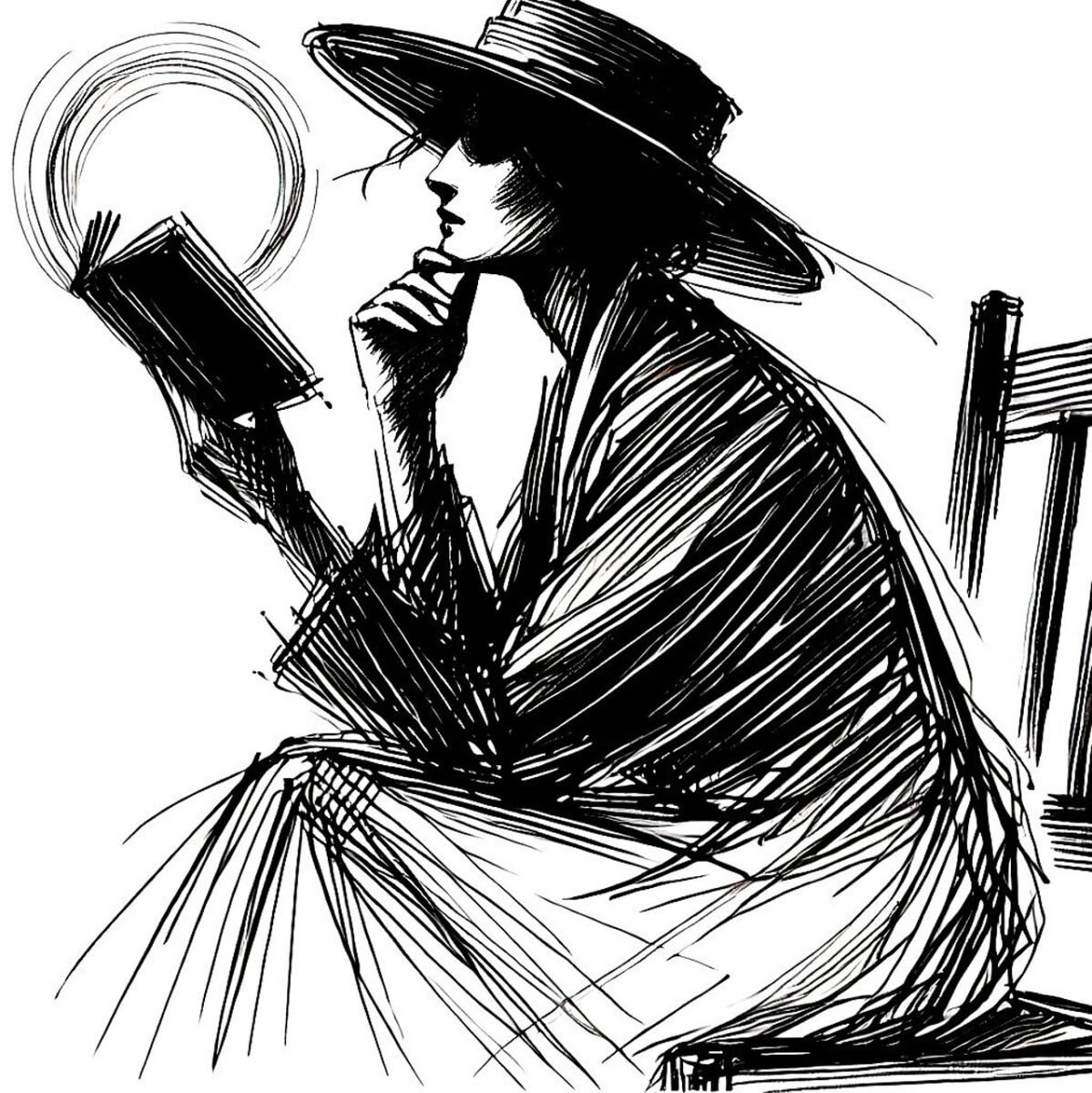
The verse book that returned meaning to your journey
Carlos was 62 years old and a feeling that he could not find a name: after he retired, and with his wife, Maria, leaving for a disease that took little time, he felt that his life had broken down like an old role. The days all looked the same, a heavy silence lived in the corners of the house and the thoughts came to the mountains, confused, unordered, like dried leaves carried by the wind. He'd wake up, make up the bed, make coffee, look out the window and wonder, what's the point of all this, if there's no one else waiting for me? No account, no logic, no practical explanation could answer that question. The world seemed like a cold, meaningless place.
One day, when he got a forgotten drawer, he found a darkcover notebook that had been Maria’s. Expected recipes or household notes — But when he opened it, he discovered verses. She had been writing for years, never telling him: she spoke of the wind in the window, of the beauty of a shared coffee, of the longing I had imagined feeling, of the certainty that life, even with its pains, was worth living. As he read those words, Carlos felt something strange and soft happen within himself: suddenly, that pain that seemed formless, nameless and endless, gained voice. The chaos of your feelings began to organize. He was no longer alone in that sense of loss. — someone he loved had experienced similar concerns, and had managed to transform pain into something beautiful, that could be touched and read.
Gradually he began reading more: poems by Carlos Drummond de Andrade, by Cecília Meireles, by Manuel Bandeira — voices of our land, who spoke with their tongue, with their way of seeing the world. And poetry was doing its job, slowly, without hurry. Reading verses that described loneliness or the passage of time, he realized that he was not the only one to feel it: his personal pain became part of a larger story, an experience common to all human beings, and this brought a profound, almost liberating relief. By putting himself in the place of the poets, by feeling what they said, he began to look more carefully at the people around — for the neighbor who walked low, for the market attendant who smiled with effort — and understood that each one carried his own pains and desires, even if they did not say them. His ability to understand the other grew, without him realizing it: empathy became part of his daily life.
When the thoughts came confused and agitated, a certain verse brought clarity, as if a light lit up within it. And gradually, he was gaining strength to follow: he realized that loss does not erase what he lived, that longing is also a form of love, and that uncertainty is part of the way. Poetry has given him resilience: it has shown that generations have experienced difficulties like his own, and have managed to transform suffering into beauty and reflection.
Carlos reads a poem every morning today. He no longer pursues a grand sense or definite answers. He learned, with lyrical sensitivity, that the fullness of life is not in how much we conquer or how much we hurry, but in the intensity with which we live every small moment: the sun that enters through the window, the taste of coffee, the gentle memory of those we love. He found that poetry doesn't give all the answers — but it teaches us to see, feel and value our brief and precious passage through the world. And that, after all, is all we need to walk.
-
Poetry: The Art That Gives Sense to Our World Pass.
Living is, first of all, an experience full of mysteries, contradictions and questions that rarely find definitive answers. In the midst of the daily rush, among worries, passing joys and pains that seem to have no name, we often feel that our thoughts are scattered, like leaves carried by the wind. It is in this scenario that poetry appears as one of humanity's deepest and most necessary creations: a delicate but firm bridge that connects us to ourselves and to the world that surrounds us.
The poetic creation functions as a special tool of mediation between the individual and the whole complexity of existence. By choosing each word carefully, by giving rhythm and form to what before was just a vague feeling or a whirlwind of confused ideas, the poet manages to do something extraordinary: he orders the chaos that exists within each of us. It gives visible form to what is abstract, voice to what was silent and felt to what seemed unexplained. This organization is not just an aesthetic exercise — It brings a deep, almost liberating relief. The small and great pains of everyday life cease to be isolated sufferings and gain the dimension of shared reflection, transforming personal experiences into something that belongs to everyone. Poetry thus becomes a mirror in which we recognize our own search, our fears and our deepest desires.
And its benefits go far beyond the simple pleasure of reading or hearing beautiful verses. As we approach lyrical art, we undergo transformations that touch the most intimate of our being. By putting us in the place of those who wrote, or by feeling what a verse awakens in us, we naturally develop a greater capacity to understand the pains, desires and motivations of others. — our empathy expands, and we realize that despite the differences, we share the same human essence. When we find in a poem words for what we feel but cannot say, our thoughts are organized, ideas are clarified and confusion gives room for a sense of peace and clarity. And, above all, poetry helps us build resilience: by seeing that feelings such as loss, longing or uncertainty have been lived and transformed into beauty by so many people before us, we gain strength to face the losses and challenges that are inevitable part of our journey.
The sensitivity that poetry awakens in us also brings a precious lesson: it shows us that the fullness of a life is not measured by how much we conquer or run, but by the intensity with which we live each present moment. In a world that always pushes us into the future, that makes us chase after what we do not yet have and forget what is before us, lyrical art teaches us to stop, observe and feel. When we opened up to her — especially for the richness of our brazilian literature, which portrays with such truth our way of being — we realize how poetry can capture, with a precision that reason sometimes does not reach, the essence of our brief, but precious, passage through the world. -
From Brush to Pixel: How Artificial Intelligence Can Be the Traditional Artist's New Ally.
The transition from fabric to glass screen has always been a land surrounded by hesitation for traditional artists. The smell of oil paint, texture of textured paper and watercolor unpredictability have a difficult physical magic to replicate. However, the current artistic scene presents a new frontier: the fusion of digital painting with the tools of Artificial Intelligence (IA). Far from being a threat to authenticity, AI can act as an incredibly versatile studio assistant, helping translate its classic baggage into the digital environment in a fluid and innovative way.
The Start Point: Scanning Your Identity
The biggest mistake a traditional artist makes when migrating to digital is trying to start over. Its greatest strength is its baggage: the understanding of color theory, anatomy, light and shadow. The migration process begins in the physical world.
Instead of fighting a blank canvas in painting software (such as Photoshop, Procreate or Krita), you can use your own graphite sketches or pen studies as a base. By scanning a linear design, integrated AI tools or image generation software (such as Midjourney or Stable Diffusion) can be used to test complex color schemes or dramatic illuminations in seconds, serving as an ultra-fast "painting study" that will guide your real digital brush strokes.
AI as Copilot of Creation and Concept
In the traditional method, changing the composition of a work in the middle of the process may mean losing work days. In the digital environment supported by AI, this creative block is dissolved. The role of AI here is that of co-creator in the planning phase, using concepts such as:
Generation of Custom References: Do you need to paint a Renaissance armor under the sunset on Mars? Instead of spending hours at Pinterest, you can guide AI to generate exact references that combine these elements, serving as inspiration for your manual painting.
Style Variation: You can feed an AI with an authorial sketch and ask it to design how that image would be if it was influenced by Impressionism or Baroque, opening up new aesthetic perspectives before you even choose digital brushes.
Mental note: The AI generates the suggestion, but the execution, refinement and human sensitivity of the final brushstroke remain entirely theirs. It accelerates the brain; you command the hand.
The Hybrid Workflow in Practice
To structure this transition in a theoretical way, we can divide the ideal workflow into four clear stages, uniting the best of both worlds:
Human Spark (Analogical): Creation of the concept, thumbnails and structural pencil drawing on paper.
The Horizon Expansion (IA): Upload from the sketch to an AI tool. Use of Img2Img techniques (image for image) with text commands (prompts) to generate atmosphere variations, color palette and textures.
Digital Structure (Software): Import of the original sketch and the best variations of AI to separate layers in your digital painting software.
Human Painting (Digital): Using a scanning table to paint on top, correct distortions that the AI usually commits (such as hands anatomy or confusing perspectives) and apply its unique personal style.
Overcoming Prejudice and Embracing Evolution
Historically, every major technological transition caused discomfort. The photograph was already seen as the end of the painting, and the appearance of Photoshop itself generated heated debates in the 1990s. Artificial intelligence is just another tool on your desktop — a digital pigment that responds to conceptual commands.
By migrating to digital painting with the support of AI, you are not abandoning your traditional art; you are expanding your studio to a dimension where experimentation time is instantaneous and the possibilities of creation are virtually endless. The brush changed, the canvas evolved, but the mind behind the work remains yours. -
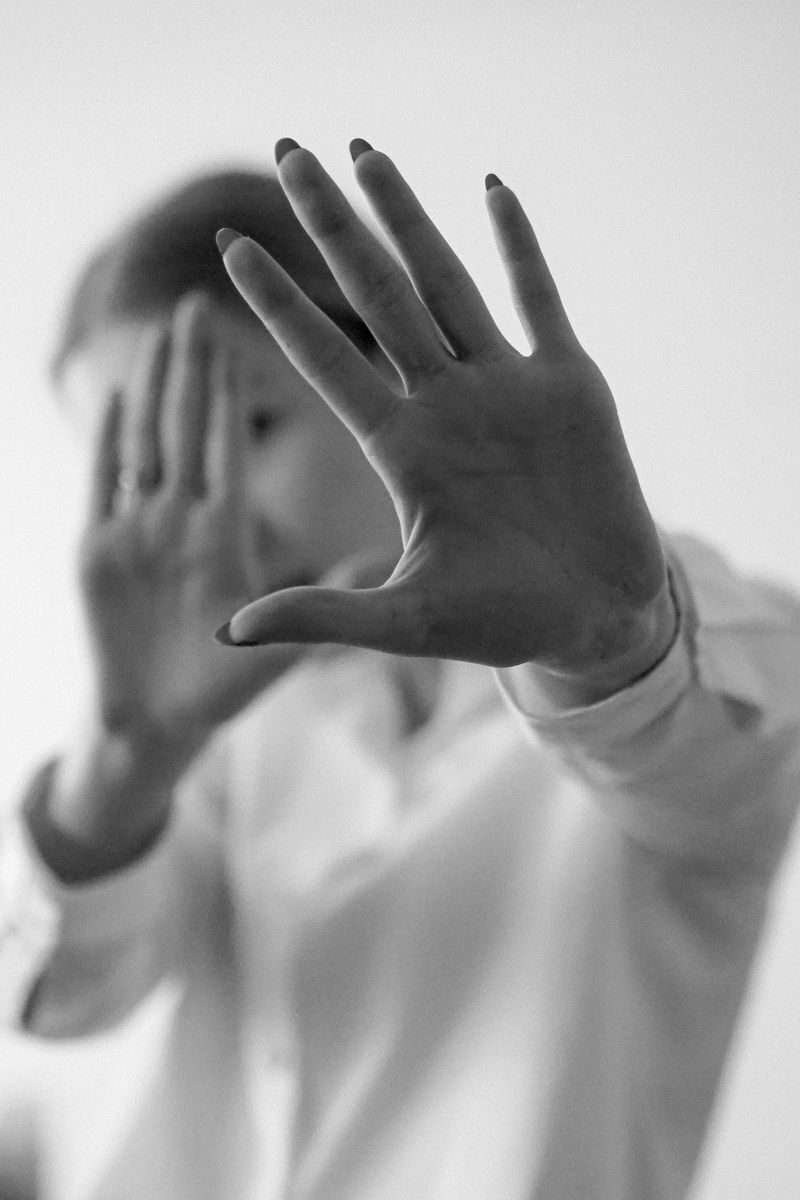
Curiosity Awakening: How to Overcome Fear and Free Your Creative Life.
Creativity is not a privilege reserved to painters in front of blank canvases, reclusive writers or technology geniuses. It is fundamentally a vital force inherent in every human being. — the ability to connect distant points, find original solutions and shape the world around us. However, for most of us, the biggest obstacle to living a creative life is not lack of talent or ideas, but fear. Fear of judgment, fear of failure and chronic anxiety of rejection act as invisible forces that smother our most authentic expression, locking our innovation in a cell of conformism.
To break through these barriers, the first step is to understand that fear will never completely disappear. It is part of our biological defense system, designed to keep us safe in the comfort zone. The great turning point in the creative process happens when we stop fighting to eliminate fear and instead learn to walk beside it. To create courageously is not to be fearless, but to have the deep conviction that our curiosity is much more interesting and urgent than our fear of error.
"Creativity demands the courage to break free from certainties."
When we put curiosity in the driver's seat, the dynamics change. Curiosity turns the burden of collection into an invitation to exploitation. Instead of wondering "What if it goes wrong?" we start to ask, "What happens if I try this way?" This slight shift of perspective removes the art and innovation of the court from perfectionism and returns them to its natural habitat: the territory of the game, experimentation and discovery. Error ceases to be a verdict on our value and becomes just a valuable piece of data in the learning process.
To nurture a creative life without fear, we also need to rescue the right to produce imperfect things. The obsession with the masterpiece in the first attempt is the poison that paralyzes the drafts. Every big project, whether it's a book, a painting or the innovative layout of an environment, is born of clumsy attempts that were allowed to exist. Giving yourself the freedom to create without obligation to please everyone is the greatest act of rebellion and liberation that a creator can exercise.
At the end of the day, artistic expression and the ability to innovate are forms of generosity. When we share what we create, we are offering the world a piece of our unique vision. To let fear decide what you will or will not put in the world is to deprive society of a perspective that only you possess. So embrace uncertainty, make peace with vulnerability, and allow your curiosity to guide your next step. The world is waiting to see what happens when you decide not to hide anymore. -
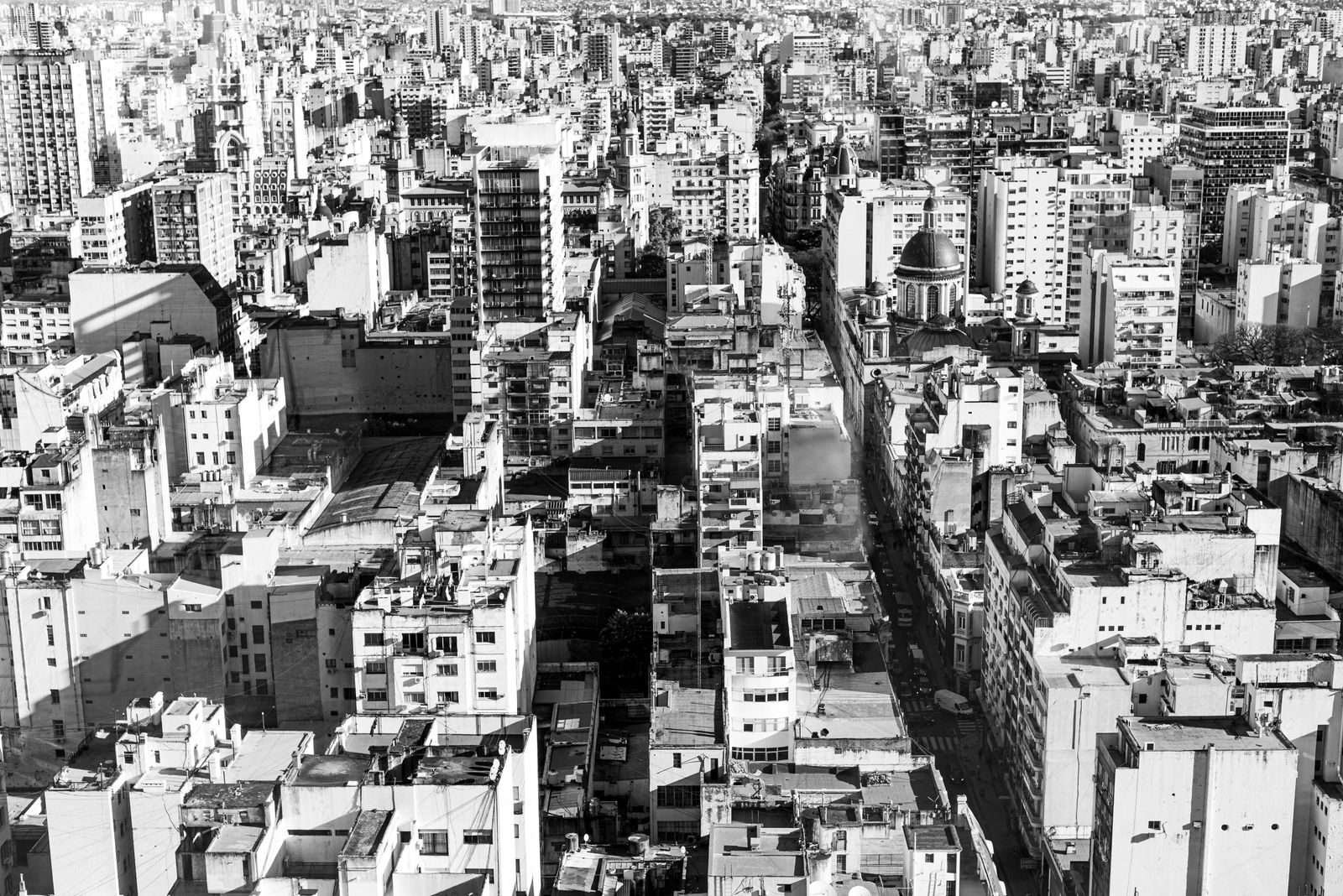
The shine of the Neons on the Broken Asphalt: The Paradox of Urban Distopia.
The future that once inhabited only the pages of science fiction or film screens seems, every day, more integrated with our present. When we think of the projections of a hypertechnological tomorrow, the mind draws colossal skyscrapers tearing up charged clouds, holographic ads covering entire facades and artificial intelligences shaping every aspect of everyday life. However, the true core of the dystopic concept lies not in the presence of technology, but in the abyss that opens between technical advancement and human and urban degradation. It is the classic axiom of the cyberpunk genre summed up brilliantly by writer William Gibson: "The future is already here — It's just not evenly distributed."
In this scenario of violent contrasts, technology advances at large paces as urban infrastructure and social fabric go into frank decay. The cities of the future dystopian function as fractured organisms. At the top, or in hypervigidated and exclusive areas, the elite enjoys advanced biotechnology, total automation and immersive virtual realities that offer a perfect escape from reality. On the streets below, however, the scenario is completely abandoned. The cracked asphalt divides space with exposed fiber optic cables, and public lighting fails is replaced by the incessant glow of corporate neons who sell products that the overwhelming majority of the population can never afford.
This urban decay is the physical reflection of deep social decay. As the state retreats or merges into the interests of monopolistic megacorporations, basic social guarantees disappear. Extreme automation and artificial intelligence, which could free humanity from degrading work, become tools of mass exclusion, pushing massive portions of the population to unemployment or to the precarious informality of a technological subsistence economy. Connectivity, ironically, does not generate unity; it generates isolation. Individuals navigate hyperconnected neural networks as they walk through superpopulous and unhealthy alleys, living a collective loneliness where real human contact is a luxury in extinction.
The urban environment also charges its price. The uncontrolled industrial advance and climate neglect transform the climate of metropolises into a perpetual cycle of acid rain, visual pollution and toxic mist. Nature is privatized; trees and clean air become commodities accessible only to those who can afford the air-conditioned summits of high-class neighborhoods. For ordinary citizens, survival requires adaptation to a hostile ecosystem, where obsolete air filtration devices and second-hand cybernetic prostheses are remedied analogically, creating an aesthetic of "high technology, low quality of life".
Looking at this dystopic future should not be an exercise of mere pessimism, but rather an urgent alert. Technological advancement, isolated from an ethical and social commitment, is not synonymous with progress; it is only the sophistication of inequality. As machines become more intelligent and efficient, the true measure of our development will remain the way we take care of the space we share and the people who inhabit it. After all, it's no use touching the stars with your fingertips if your feet remain stuck in the mud of a fractured society. -
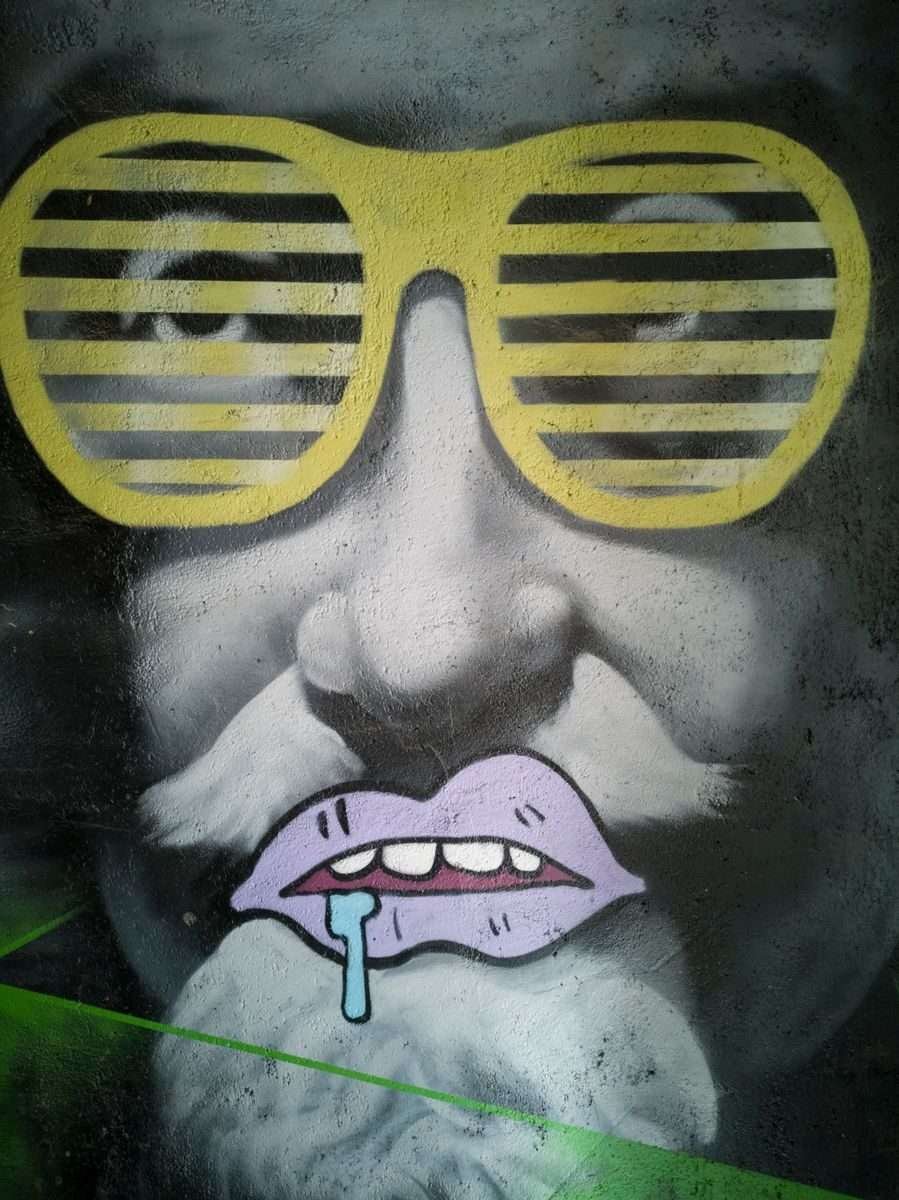
The Color Manifesto: Why Art is Our Only Output from Monotony.
The poet Ferreira Gullar immortalized one of the deepest truths of the human condition by saying that "art exists because life is not enough". If our existence were just to wake up, pay for slips, follow routines and watch time pass, we'd just be bureaucratic gears in a gray world. Pure and raw reality, however comfortable it is, often seems to us narrow, predictable and sometimes rather suffocating. It is precisely at this point of saturation that art enters as an emergency portal, an oxygen to the soul and the only territory where freedom is absolute.
Living, after all, is a complex exercise. We feel things that words in the dictionary cannot translate and witness beauties that the human eye can barely process. That is why we receive this silent call to express the soul through colors, shapes and images. When words fail, the brush speaks. When the chest squeezes, the clay takes shape. When joy overflows, the screen gains the dynamism of a chromatic whirlwind. Transmitting what is stored in our inner universe is not merely an aesthetic whim; it is a vital need to validate our own existence.
A World of Possibilities in Every Trace
Looking at a blank screen or an empty stage may seem intimidating, but that's where the magic happens. Every trace, every color and every idea carries a world of possibilities. A single risk of chalk may be the beginning of a new constellation; a stroke of blue may evoke the calmness of an ocean or the melancholy of a lonely night. In art, there are no mistakes, only alternative paths. A line that came out "torta" can turn into the contour of a fantastic mountain or the expressionistic expression of a face.
The role of the artist — And we all keep one inside. — It is not replicating the world as it already is, but reinventing it from the perspective of its own feeling.
When you allow yourself to sit in front of a creative project, the clock simply stops. The bonds of daily life break down because imagination has no limits (🎭🖌️🎨). On the stage of the theater, you can live a thousand lives in one night. In the paint palette, you can create a new physics, where the sky is green and the trees are made of light. The human mind is the only place in the universe where the laws of gravity and time have no power, and art is the vehicle that brings these impossible worlds into our reality.
The Butterfly Effect of Creativity
We often guard our creations for fear of judgment or for feeling that what we do has no market value. But the true purpose of expression goes far beyond the art galleries. The permanent invitation that the universe makes to us is: get inspired, create and share beauty with the world.
By putting your art in the world — be an unpretentious drawing in a notebook, a photograph that captured a unique light or a scribbled poetry in the notebook —You're throwing an anchor of sensitivity into a sea of indifference. The beauty you create has the power to rescue another person from a bad day, to provoke a deep reflection or at least to remind those who watch that the world is still a place capable of generating enchantment.
So don't save on your colors and don't tame your ideas. Mix the paints, change the shapes, break the patterns and climb on the stage of your own life boldly. If ordinary life seems small or dull today, remember that you have the tools to expand it. Take the brush, spread the wings of the imagination and change the scenery. The world is waiting for its next trait. -
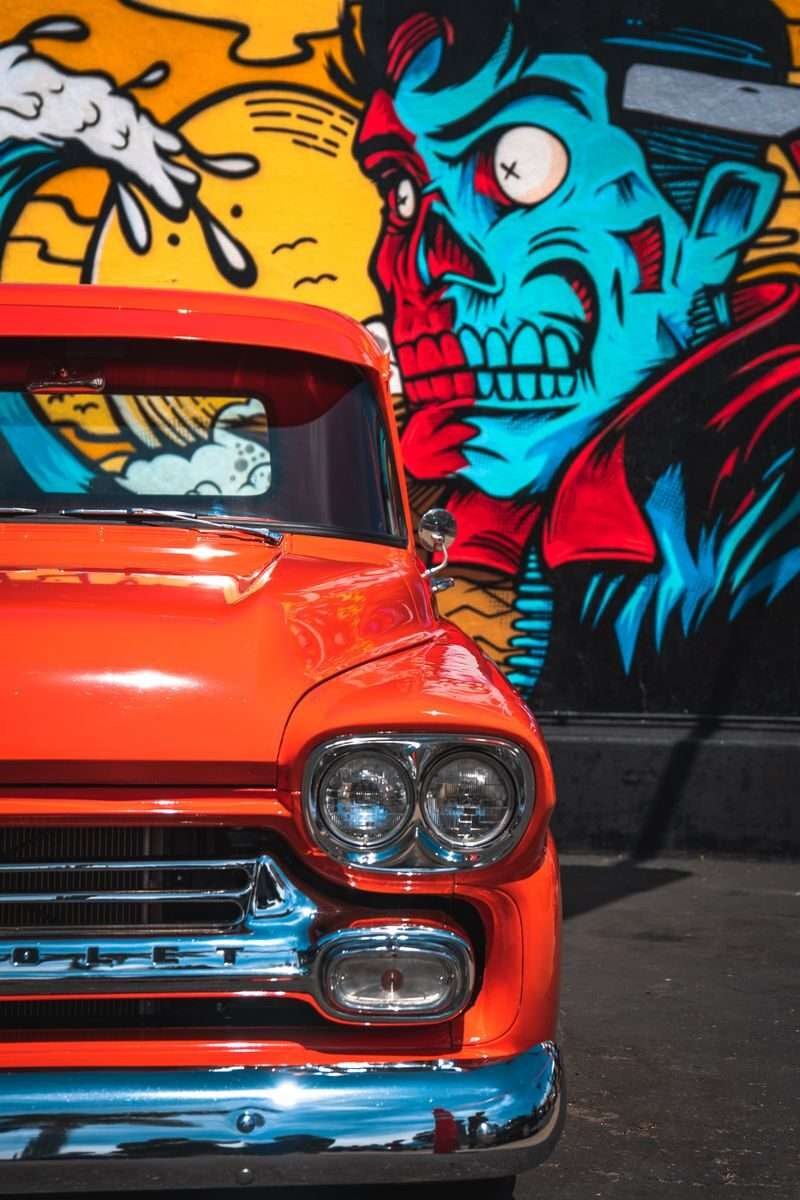
The Infinite Space between Ears: Why Imagination Is Our Only True Superforce.
Olhe ao seu redor por um instante. A cadeira onde você senta, o dispositivo na sua mão, a música tocando ao fundo e até a estrutura social que dita o ritmo do seu dia. Tudo isso — absolutamente tudo — existiu primeiro como um sussurro abstrato na mente de alguém. Antes de se tornar realidade, o mundo moderno foi apenas um rascunho invisível esculpido pela imaginação. É por isso que, quando dizemos que a imaginação não tem limites, não estamos usando um clichê de efeito; estamos constatando o fato mais revolucionário da existência humana.
Enquanto a física nos prende à gravidade e o relógio nos acorrenta ao presente, a mente humana ignora solenemente as leis do tempo e do espaço. Com os olhos fechados, somos capazes de erguer impérios, pintar auroras boreais em telas em branco, compor sinfonias sem nunca ter encostado em um piano e criar mundos onde a lógica dobra os joelhos. A imaginação é a nossa máquina do tempo particular e o nosso passaporte para o impossível.
A Arte como o Espelho do Invisível
Quando as palavras falham em traduzir a imensidão do que sentimos, as artes cênicas e visuais assumem o controle. O teatro, a pintura e o desenho são, essencialmente, os canais de vazão dessa força incontrolável.
A Máscara do Teatro (🎭): No palco, a imaginação ganha corpo e voz. Um ator pode ser um rei medieval em um minuto e um astronauta perdido no minuto seguinte. O teatro nos prova que não precisamos estar limitados a uma única biografia; podemos viver mil vidas em uma só.
O Pincel e a Paleta (🖌️🎨): Nas artes visuais, a imaginação se torna tátil. Um pintor olha para uma tela em branco e não vê o vazio — vê uma janela de infinitas possibilidades. Onde o olho comum enxerga apenas tinta, o artista liberta monstros, sonhos, protestos e paixões. Uma pincelada pode distorcer a realidade (como fez Dali) ou capturar a alma de uma noite estrelada (como fez Van Gogh).
O Combustível da Inovação
Engana-se quem pensa que a imaginação pertence apenas aos poetas e sonhadores. Ela é o motor secreto da ciência e da tecnologia. Einstein já dizia que “a imaginação é mais importante que o conhecimento”, pois o conhecimento é limitado a tudo o que já sabemos, enquanto a imaginação abraça o universo inteiro e tudo o que ainda viremos a saber. Sem a capacidade de imaginar o que ainda não existe, a humanidade ainda estaria tentando descobrir como controlar o fogo.
“A imaginação é a prévia das próximas atrações da vida.” — Albert Einstein
Libertando o Próprio Infinito
O maior perigo da vida adulta é a “adultice” crônica — aquela tendência de soterrar o nosso lado lúdico sob uma montanha de boletos, prazos e pragmatismo. Esquecemos que aquela criança que transformava lençóis em capas de super-herói e caixas de papelão em naves espaciais ainda mora em algum lugar aí dentro.
Permitir-se imaginar é um ato de rebeldia contra a monotonia. É o que nos mantém criativos na resolução de problemas cotidianos, mais empáticos ao nos imaginarmos na pele do outro, e profundamente vivos.
Não importa se você usa um pincel, um palco, um teclado ou apenas os seus pensamentos durante o banho: não sabote o seu próprio infinito. Deixe a mente flutuar. Afinal, as barreiras do mundo real já são duras demais para que você decida colocar limites também dentro da sua própria cabeça. Mude as cores do seu cenário, crie o seu próprio enredo e lembre-se: o universo inteiro cabe no espaço entre as suas orelhas. -
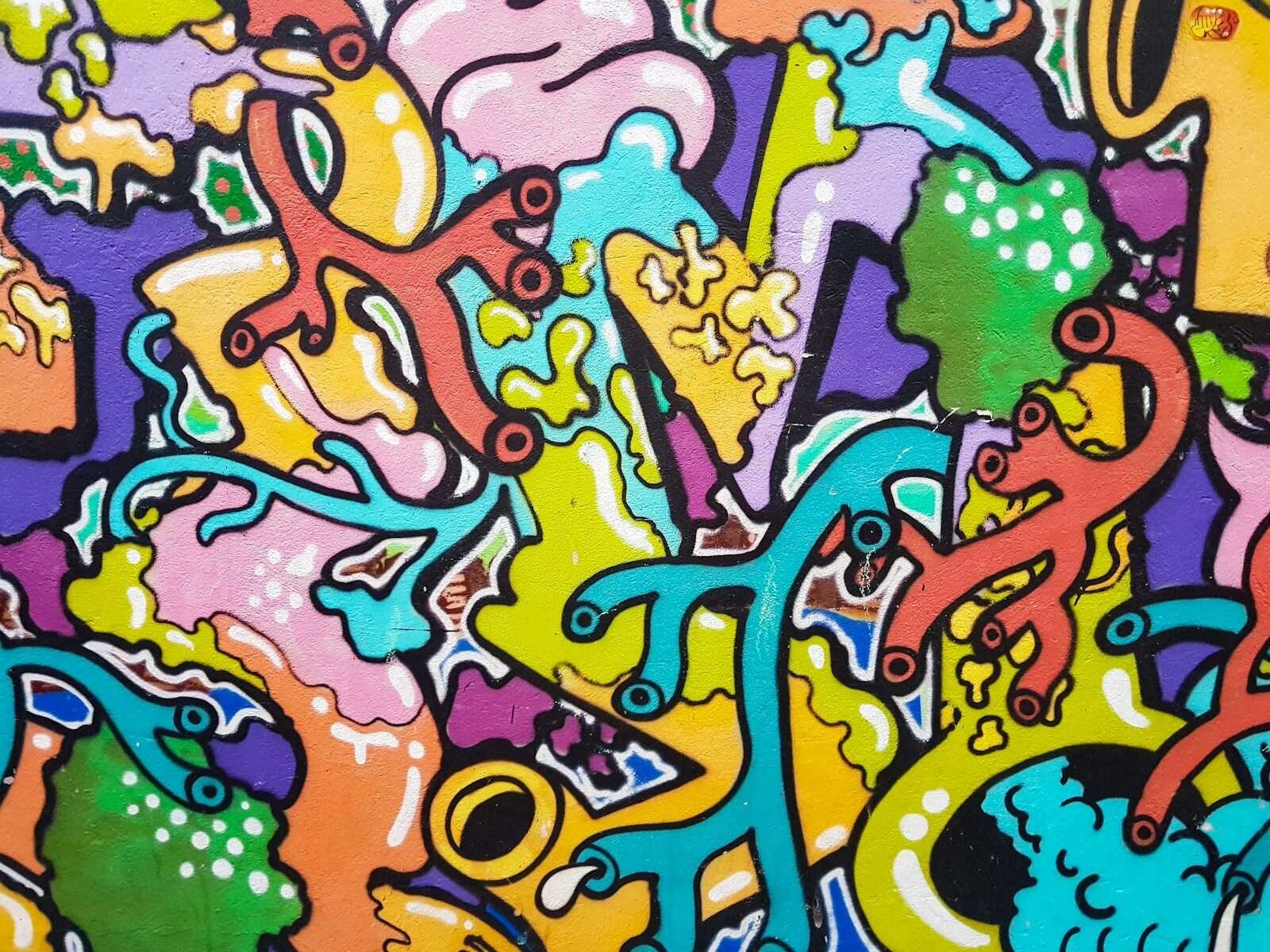
A imaginação não tem limites! 🎭🖌️🎨
A arte existe porque a vida não basta.
Expresse sua alma através de cores, formas e imagens.
Inspire-se, crie e compartilhe beleza com o mundo.
Cada traço, cada cor e cada ideia tem um mundo de possibilidades.