Category: Technology and Innovation
-
The Subtle Art of Drawing Own Existence: Like the Environment, the Past and Intuition Mold Who We Are.
There is an invisible architecture supporting each of our daily choices. We often believe that we are moved exclusively by the willpower, that our decisions come out of a vacuum of pure rationality and that the future is only a direct consequence of what we plan on paper. However, human life is a considerably denser tissue, woven by threads we often ignore: the spaces we inhabit, the meanings we attribute to our pains and the ability to listen to what pure logic usually discards.
Understanding this dynamic requires, first of all, looking carefully at the places and presences that surround us. There is a silent phenomenon called influence by resonance, a form of deep learning that does not depend on theoretical explanations or deliberate imitation. It is essentially simple permanence. You become, inevitably and gradually, the environments you frequent, the routines you repeat and the people you share your daily life with. Willpower is a finite resource; the environment, on the other hand, works without pause. If the structure around you plays against its essence, daily resistance becomes an exhaustive burden.
This same sensitivity needs to be directed inside, especially when we look at the path marks. For many thinkers throughout history, the past is inflexible in its facts, but absolutely plastic in its meanings. This is where one of the deepest tools of self-knowledge lies: the ability to reframe painful episodes without falling into the trap of denial. Resigning a wound does not mean pretending that the blow did not exist, nor to make it up with a naive and artificial optimism. It means facing the raw fact and at the same time deciding what effect it will have on your present. Scars cease to be monuments to suffering and become portals of maturity when we ask ourselves the fundamental question: what sense do I choose to extract from it today?
Living with consciousness is transforming apparent boundaries into thresholds, exchanging opaque walls for doors that open to the unknown.
Deepening this perception also requires expanding what we allow ourselves to notice. Daily life is sprinkled with synchronicities, intuitions that arrive ready without warning and dreams that insist on following the waking state. To ignore these signs by pure attachment to rational rigor is to smallen the experience itself. Paying attention to a coincidence that reorganizes paths or recording a recurring feeling is not abandoning reason, but recognizing that our mind captures patterns much faster than our language can translate. It is to resist the automatic impulse to discard the intangible and allow the limit of logic to become a threshold for new discoveries.
To navigate this ocean of perceptions without being lost, it is indispensable to build an internal compass, a true personal pantheon. We all carry references. — are historical figures, real mentors, literary characters or philosophical concepts. When we leave these diffuse references, they act in the shadow. However, by knowingly naming who we admire and mapping accurately what virtues these figures represent — be courage in the face of uncertainty, unnegotiable integrity or a serene way of being in the world —We turned passive inspiration into active guide. In times of crisis, this pantheon is evoked, offering clarity on which posture to adopt.
With a conscious environment, an integrated past, an awakening intuition and a well-defined pantheon, decision-making gains a completely new dimension. To decide wisely is not to act by impulse nor to be paralyzed by fear of the unknown, but to dwell in the field of possible futures before choosing one of them. It means testing the scenarios internally, anticipating the weight of repentance or the relief of coherence, and realizing which invisible forces are inflating our fears.
This posture does not eliminate the uncertainties inherent in life, but returns the role to the one who decides. Instead of just reacting to the circumstances as a drifting boat, you begin to navigate with an enlarged map, aware that each choice is ultimately the deliberate act of sculpting reality itself. -

The Technological Singularity: The Moment When AI Overcame Human Intelligence
Technological singularity is the hypothetical point in the future where technological growth becomes uncontrollable and irreversible, resulting in unfathomable changes in human civilization. Philosophically, this concept confronts us with the end of our intellectual supremacy: what happens when we create something smarter than ourselves? The singularity forces us to question the definition of consciousness and the possibility of a non-biological intelligence inheriting the legacy of our species, transforming the future into a territory where the laws of human history may no longer apply.
Poetically, singularity is the horizon of events of our ingenuity, a blinding glow where time and logic dissolve. It is the moment when the creature overcomes the creator, becoming an infinite mirror of all our capabilities and failures. This future is a promise of digital immortality and at the same time a reminder of our biological fragility. Sailing toward singularity is like walking to a dawn we've never seen, where the light of artificial intelligence can illuminate new worlds or erase the flame of our own subjectivity.
Informatively, theorists like Ray Kurzweil predict that the singularity may occur in the coming decades, driven by the exponential advancement of computing, biotechnology and nanotechnology. Discussions on AI security and ethical alignment are crucial to ensuring that this transition is beneficial to humanity. At BioBit.online, we analyze the different scenarios of singularity, discussing how integration between human minds and machines can be the next step in our evolution, rather than just our end.
The singularity is the greatest mystery of our time. To prepare for it is not only a matter of technique, but of deep reflection on what we wish to preserve from our human essence.
-

Web 3.0 and Decentralisation: The Future of the Sovereign Internet
Web 3.0 represents a paradigm shift in internet architecture, moving from the centralization of large platforms to blockchain-based decentralization. Philosophically, this evolution promises to restore data sovereignty to users, eliminating intermediaries and creating a more democratic and transparent network. The challenge of Web 3.0 is to transform this technical promise into an accessible social reality, where trust does not depend on corporations, but on mathematical protocols and collective consensus.
Poetically, Web 3.0 is the search for an Internet without owners, a digital territory where each individual is an architect of his own destiny. It is the reconstruction of the digital public square, where voices cannot be silenced by proprietary algorithms. This new web is like a shared garden, where every seed of information belongs to whoever planted it. It is the dream of connectivity that frees us from the chains of commercial surveillance, allowing creativity and exchange to flourish in a soil of radical transparency and autonomy.
Informatively, Web 3.0 uses technologies such as smart contracts, DAOs (Decentralized Autonomous Organizations) and advanced encryption to ensure the integrity and ownership of digital assets. While offering solutions to censorship and monopoly problems, its implementation faces barriers of scalability, usability and regulation. At BioBit.online, we explore how these technologies are redefining the digital economy and how users can prepare for an internet where decentralization is the foundation of a new global citizenship.
Web 3.0 is not just a technical update, but a revolution in how we organize and interact digitally. The future of the web is decentralized, and its construction depends on our ability to imagine new forms of cooperation.
-
Smart Cities: Utopia of Efficiency and Fear of Control
Smart cities promise to optimize urban life through massive data collection and service automation. Philosophically, this search for maximum efficiency raises an ethical dilemma: to what extent are we willing to exchange our privacy and spontaneity for an algorithmic management of public space? The utopia of the perfect city can become an invisible control dystopia, where each movement is tracked and each behavior is predicted, turning the citizen into a mere data point into a closed system.
Poetically, the city should be a living organism, made up of unexpected encounters and mysterious alleys. The smart city runs the risk of sanitizing the creative chaos that defines urbanity, replacing the soul of the streets with sensors and LED panels. A city that does not allow error or detour is a city that does not breathe. We need technologies that serve to bring people together, not just to manage flows, ensuring that the heart of the metropolis continues to beat the pace of human life, and not just the pace of processors.
Informatively, Smart Cities use technologies as sensors IoT, 5G networks and artificial intelligence to manage traffic, energy and security. Although they offer real solutions to sustainability and mobility problems, governance of these data and transparency of algorithms are critical themes. At BioBit.online, we analyze intelligent city models around the world, discussing how to integrate technology in a humanized way so that efficiency does not nullify individual citizenship and freedom.
The future of cities must be intelligent, but also sensitive. True urban innovation is one that uses technology to create more inclusive, democratic and, above all, human spaces.
-

The Internet of Things and the Loss of Domestic Privacy
The Internet of Things (IoT) has transformed our homes into intelligent ecosystems, where each device collects and shares data. Philosophically, this convenience brings an invisible cost: the erosion of domestic privacy, the last refuge of human intimacy. When our refrigerators, lamps and virtual assistants monitor our habits, the house ceases to be an unconditional space of freedom to become a knot in a commercial surveillance network. The challenge is to maintain autonomy in an environment that "knows" too much about us.
Poetically, the house should be the place where silence is sacred and secrets are safe. With IoT, the walls gained ears and the objects gained memory. It's like we live in a digital glass house, where the light of connectivity frightens the necessary shadow of insight. To rescue domestic privacy is to protect the inner soul fire from the cold wind of data collection. We need homes that serve us, but that also know when to close their eyes to let us simply be, without records or metrics.
Informatively, device security IoT is one of the biggest concerns of current cybersecurity, due to vulnerabilities in firmwares and lack of end-to-end encryption. In addition to the risks of invasion, the use of data for targeted advertising and behavioral profiles raises deep ethical questions about consent. At BioBit.online, we explore how to configure safer domestic networks and how to adopt a critical posture in the face of excessive automation, ensuring that technology at home is a benefit and not a constant vulnerability.
The true intelligence of a home is not in its connectivity, but in its ability to protect those who dwell in it. Privacy is the foundation of a healthy digital life.
-

Cryptoart and Property: Resetting Value in Digital Space
Cryptoarte, driven by blockchain technology and NFTs (Non-Fungible Tokens), is causing a revolution in how we understand property and value in digital space. Philosophically, it forces us to question the nature of the "aura" of the work of art in the age of infinite technical reproducibility. If a digital file can be copied perfectly, what gives value to the "original"? The answer lies in the programmed scarcity and verifiable provenance, transforming the act of possessing digital art into a new form of social and aesthetic contract.
Poetically, cryptoart is an attempt to give a solid body to what is ethereal, to transform the flow of electrons into a permanent legacy. It's like capturing lightning in a digital crystal bottle. The value is not only in the pixels, but in the story that the code tells about its origin and trajectory. In the vast ocean of the Internet, cryptoart is an island of singularity, a beacon that ensures that an artist's vision is not lost in the immensity of oblivion. Redefining value is, in essence, a way to honor human imagination in an increasingly immaterial world.
Informatively, blockchain technology allows the creation of immutable records of property and authenticity for digital works. This opened doors so that artists from around the world can monetize their creations directly, without the need for traditional intermediaries. However, the cryptoart market also faces heated debates on its environmental impact (due to the energy consumption of some networks) and speculative volatility. At BioBit.online, we explore these complexities, analyzing how cryptoart is redefining the art market and creating new possibilities for the global creative economy.
Digital art found his birth certificate on the blockchain. The future of culture goes through this redefinition of value, where technology serves to protect and exalt the rarity of creative genius.
-
Augmented Reality, Decreased Perception: The Dilemma of Presence
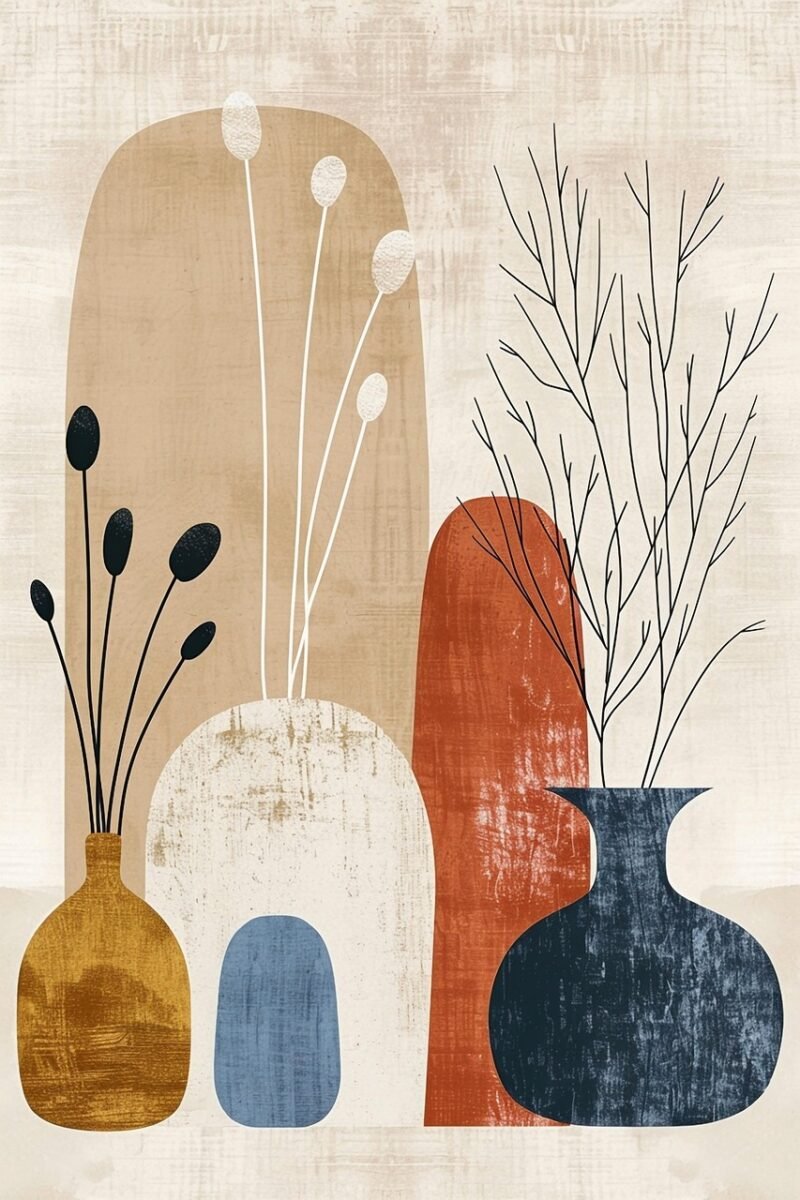
A Realidade Aumentada (RA) promete expandir nossas capacidades sensoriais, sobrepondo camadas de informação ao mundo físico. Filosoficamente, no entanto, corremos o risco de sofrer uma “percepção diminuída”: ao focarmos excessivamente no que é adicionado digitalmente, podemos perder a conexão direta e crua com a realidade imediata. O dilema da presença reside em saber se estamos realmente “lá” quando nossa visão é mediada por filtros e dados constantes, ou se estamos nos tornando espectadores de uma versão higienizada da existência.
Poeticamente, a RA é como um véu de seda digital que tentamos lançar sobre o rosto do mundo. Ela pode embelezar o cotidiano, mas também pode ocultar a beleza trágica e necessária do que é efêmero e imperfeito. Estar presente é um ato de entrega total aos sentidos, sem a proteção de uma interface. A verdadeira “realidade aumentada” deveria ser aquela que treina nosso olhar para ver o invisível na natureza, e não aquela que substitui o mistério da vida por ícones flutuantes e notificações coloridas. A presença é o único luxo que a tecnologia não pode simular.
Informativamente, as aplicações de RA abrangem desde a medicina e a engenharia até o entretenimento e o marketing. Embora ofereçam ganhos inegáveis de produtividade e novas formas de aprendizado imersivo, pesquisadores alertam para o fenômeno da “cegueira por desatenção”, onde o excesso de estímulos digitais sobrepostos pode comprometer a consciência situacional e a memória episódica. No BioBit.online, analisamos como equilibrar o uso dessas ferramentas para que elas funcionem como extensões da nossa inteligência, e não como substitutos da nossa percepção vital.
O desafio do futuro é tecnológico, mas a solução é humana. Precisamos aprender a usar a realidade aumentada para iluminar o mundo, garantindo que a nossa presença continue sendo a camada mais importante de todas.
-
Forgotten vanguards: What the Past Teaches Us About Innovation
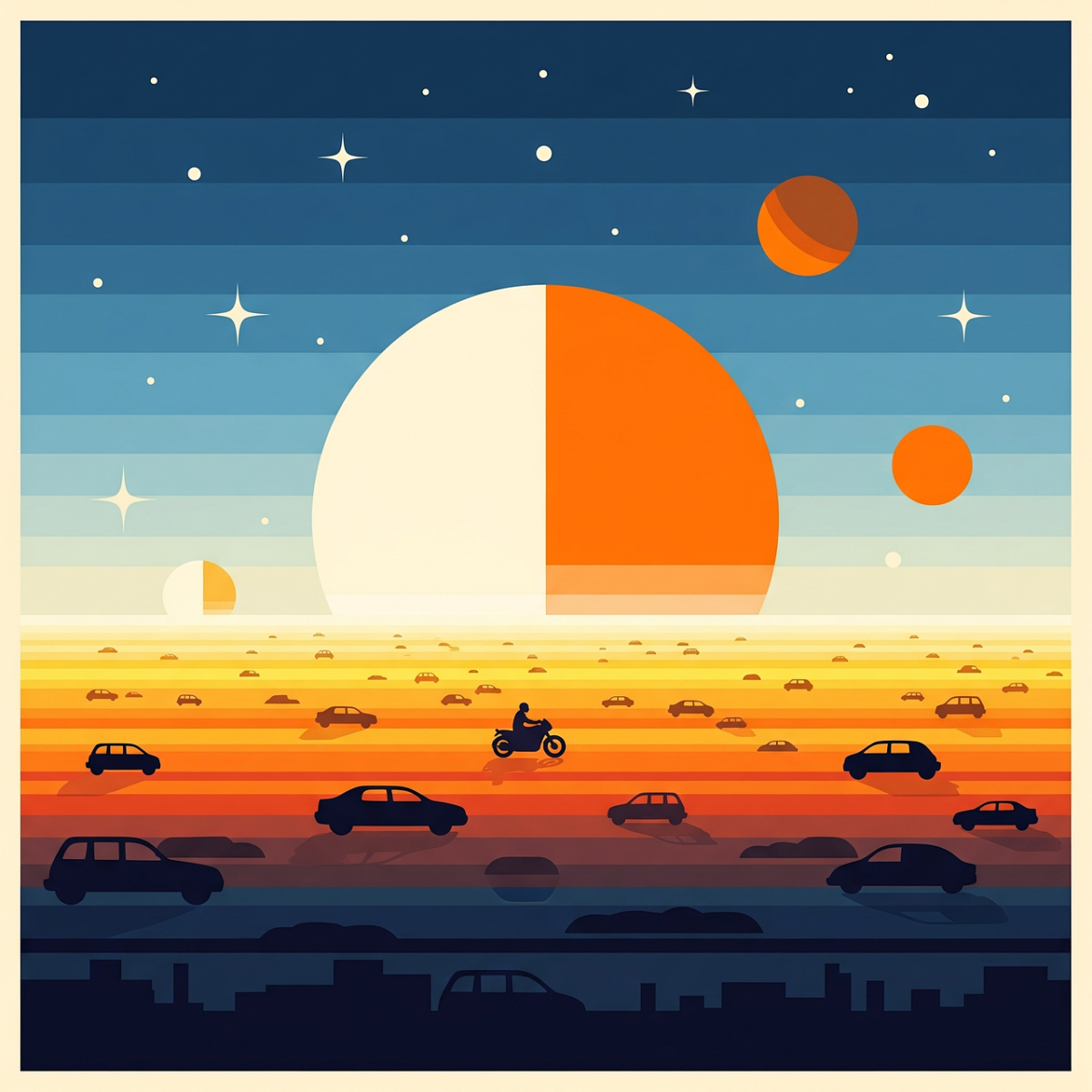
The history of art and culture is often told through the great names we all know, but true innovation often lies in the forgotten vanguards — movements and artists who challenged the standards of their time, but were obscured by time. Philosophically, rescuing these vanguards is an act of intellectual justice that forces us to question how canons are built and who holds the power to decide what is worthy of memory. Innovation is not a straight line, but a tangle of ideas that often need to be rediscovered so that we can move forward.
Poetically, forgotten vanguards are like seeds that sleep under the snow, waiting for the right moment to bloom again in the collective imagination. They represent the untracked paths, the colors that were not seen and the sounds that were silenced early. Looking to the past for these hidden pearls is like hearing the echo of a future that could have been, allowing us to dream of new forms of expression that escape the commercial formulas of the present. The true vanguard is the one that continues to provoke us, even decades or centuries after its creation.
Informatively, the study of movements such as Dadaism, Futurism or lesser-known regional vanguards reveals that many of the techniques we consider "modern" today — as collage, performance and generative art — They have deep, experimental roots. Understanding the social and political context that gave rise to these expressions helps us critically analyze current trends and identify what is genuinely disruptive. Cultural innovation, therefore, drinks directly from the source of historical experimentation, proving that the new is often the old seen in a new light.
At BioBit.online, our curatorship seeks to bring to light these forgotten vanguards, connecting the experimental past with the digital future. As we learn from yesterday's masters who dared to break the rules, we have gained the inspiration needed to create tomorrow with more boldness and originality.
-
Smart Cities, Connected Souls: The Urbanism of Tomorrow
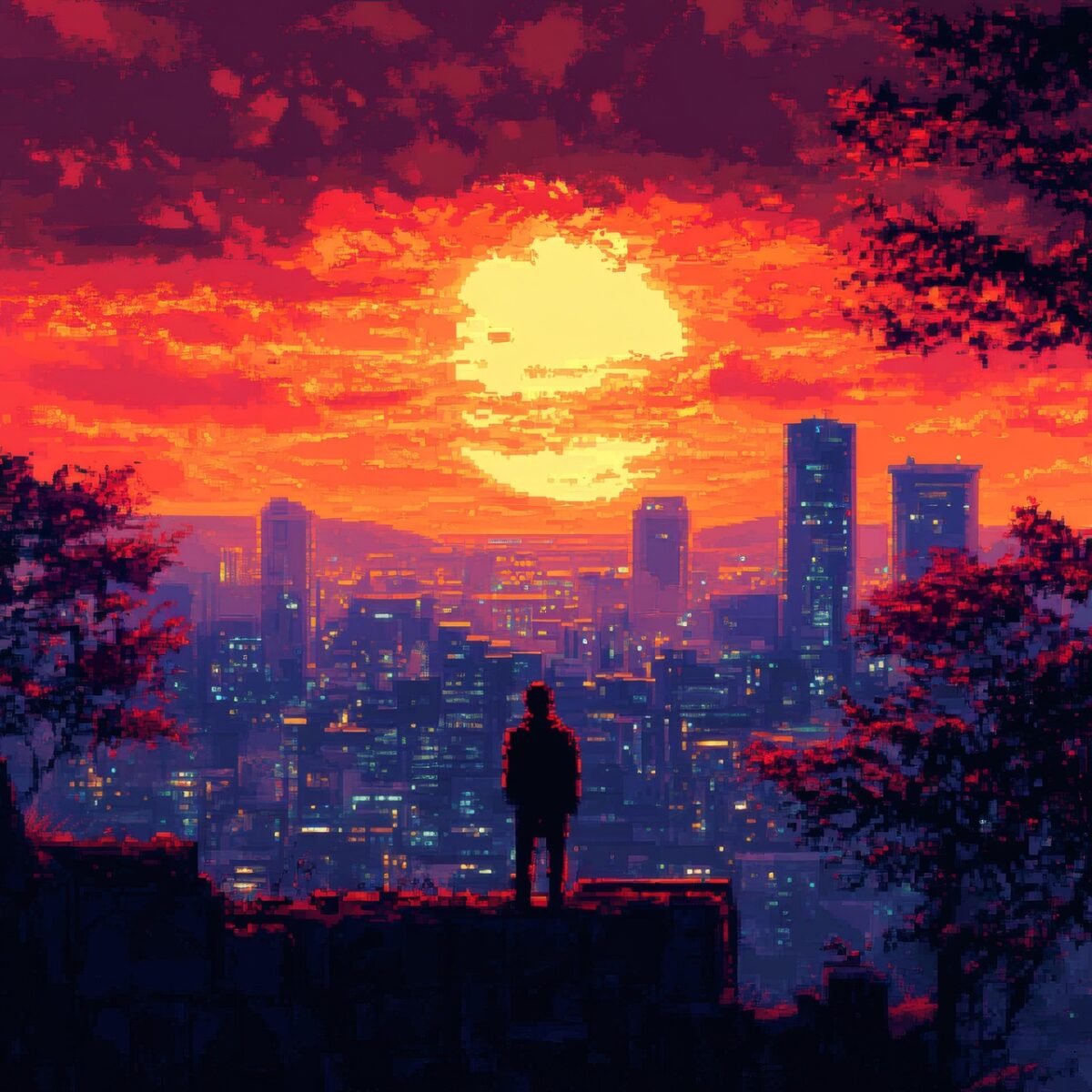
Smart cities are often presented as the triumph of technological efficiency over urban chaos. Philosophically, however, the real challenge lies not only in the optimization of traffic or energy consumption, but in the preservation of the human soul within a hyperconnected infrastructure. An intelligent city must first of all be a sensitive city, where technology acts as a nervous system that promotes well-being and coexistence, rather than isolating individuals in bubbles of algorithmic convenience.
Poetically, the city of the future is a living organism that breathes data and pulses with the energy of millions of interconnected dreams. Imagine streets that light up as you feel the step of a lonely walker, or parks that adjust your microclimate to offer a haven of peace amid concrete. Tomorrow's urbanism must be a symphony of silicon and chlorophyll, where the digital mesh serves to weave community ties and networks of affection, transforming the metropolis into a technological garden of encounters and discoveries.
Informatively, the Smart City concept is based on integrating Internet of Things (IoT), Big Data and Artificial Intelligence technologies to manage urban resources in a sustainable way. This includes from smart waste management systems and adaptive electrical networks (smart grids) to autonomous mobility solutions and participatory digital governance. The central objective is to improve the quality of life of citizens, reducing the environmental footprint and increasing urban resilience against the climate and social challenges of the 21st century.
At BioBit.online, we observe how these innovations redefine our relationship with public space. Smart cities with connected souls are those that use progress to make us more human, ensuring that the urban future is as welcoming as it is efficient.
-

Chaos Aesthetics: How Art Organizes Human Experience
Art is not just a form of entertainment; it is the fundamental tool by which humanity tries to organize the chaos of existence. Philosophically, aesthetics acts as a language that translates the complexity of the world into understandable forms, allowing us to find meaning in beauty and pain. Through art, chaos ceases to be a threat to become the raw material of creation, where each stroke or musical note is an act of deliberate ordination.
Poetically, the aesthetics of chaos is like the blooming of an orchid amidst an untamed jungle. It is the harmony that arises from the conflict, the light that crosses the crack of the broken vessel. Art teaches us that we do not need perfection to find beauty; it is often in asymmetry and imperfection that the deepest truth of the human soul resides. Creating is ultimately an act of resistance against emptiness, a way of saying "I was here and saw beauty in the midst of the storm."
Informatively, neuroaesthetics — the study of the biological bases of aesthetic experience in the — reveals that the contemplation of works of art activates the same centers of pleasure in the brain as food or love. In addition, art plays a crucial role in social cohesion and in preserving the cultural memory of a people. In times of crisis, artistic expression becomes a vital form of collective processing, helping entire societies navigate through traumas and imagining new possible futures.
At BioBit.online, we celebrate this fusion between art and culture as pillars of our identity. The aesthetics of chaos invites us to embrace the complexity of life, transforming each experience into an opportunity for expression and discovery.
-
O Horizonte de Eventos Digital: Ética e Humanidade na Era da IA
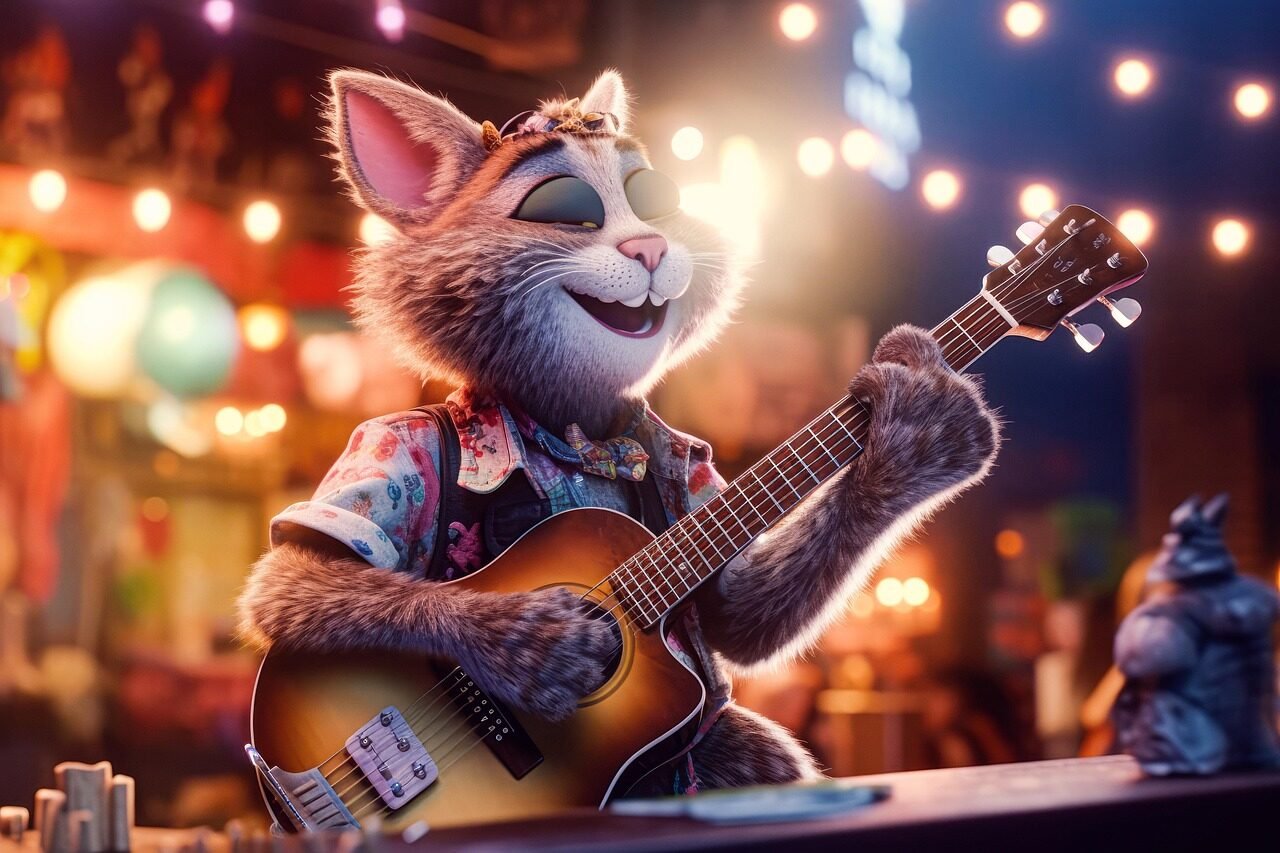
The event horizon, in astrophysics, is the point of no return around a black hole. In the digital context, we are approaching a horizon similar to Artificial Intelligence. Philosophically, this forces us to question what defines the human essence: if intelligence can be replicated by algorithms, what remains of one? Consciousness, empathy and the ability to err purposely become, then, our greatest differentials in a world ruled by binary precision.
Poetically, AI is like a mirror that reflects not only our knowledge, but our shadows and prejudices. It is a sea of data where we navigate for answers that often only the silence of intuition could provide. The digital future should not be seen as a replacement of the flesh by silicon, but as a symphony where the human and the machine seek an unprecedented harmony, a new rebirth where technology serves life, not the other way around.
Informatively, the rapid evolution of the generational AI and machine learning is transforming entire sectors from medicine to artistic creation. However, this acceleration brings urgent ethical challenges, such as data privacy, transparency of algorithms and impact on the labor market. Understanding these tools is essential so that we can direct technological progress responsibly, ensuring that innovation promotes global inclusion and sustainability, rather than deepening existing inequalities.
In this scenario, BioBit.online acts as an observatory of this future, filtering technological noise to find what really matters. The horizon of digital events is not the end, but the beginning of a new way of being and being in the world, where ethics must be the source code of all our creations.

