When it comes to weight loss, morning meal is usually the center of intense debates. After all, what works best to start the day: a protein-reinforced dish to stop hunger or a meal overflowing fibers to regulate the organism? A recent cross-interruption study decided to put these two approaches to the test, subjecting the participants to 28 days of each protocol and delivering valuable discoveries on how our metabolism actually responds to each nutrient.
During the experiment, researchers provided all meals of volunteers in two well-defined regimens. The first protocol focused on a high fiber content, ensuring about 30 grams daily from ingredients such as wheat bran, lentils and beans. The second directed 30% of all daily calories to high-quality protein sources, such as eggs, meat and dairy products. In both diets, the distribution of calories followed a strategic logic: 45% of the total daily was concentrated at breakfast, 35% at lunch and only 20% at dinner.
The results showed that both paths lead to weight loss, but by completely distinct and fascinating pathways. The hyperprotein diet stood out for direct control of hunger. By stimulating the release of gastrointestinal hormones linked to reduced appetite, high protein intake significantly reduced the desire to eat throughout the day, facilitating the maintenance of a caloric deficit spontaneously.
On the other hand, the fiber-rich protocol had a slight advantage in overall weight loss due to its profound impact on metabolic health. Fermentable fibers served as a banquet for beneficial bacteria of the digestive tract, especially bifidobacteria. This proliferation strengthened the integrity of the intestinal barrier, combated low-grade inflammation and boosted butyrate production. — a short-chain fatty acid directly associated with increased insulin sensitivity. In practical terms, while the protein silences the stomach, the fiber rearranges the metabolic gear of the body.
The great lesson that the study leaves us is that we don't have to choose a side. Proteins and fibers act in a complementary way: a safe anxiety and hunger peaks, while the other nourishes the microbiota and optimizes energy expenditure. Bringing this discovery into daily routine is simpler than it seems. The most efficient way for those seeking to lose weight with health is to unite the best of both worlds at the first meal.
Set up a smart breakfast ensuring between 20 and 30 grams of protein — through eggs, natural yogurt or thin cheeses — combined with good sources of fiber such as oats, seeds or nuts. This synergy not only prolongs the sensation of satiety for hours and stabilizes blood glucose levels, but also ensures that your intestine works in favor of your goals.
Tag: Well Being
-

Proteins or Fibers at breakfast? The Study That Reveals the Perfect Combination to Lose Weight.
-

Poetry: The Art That Gives Sense to Our World Pass.
Living is, first of all, an experience full of mysteries, contradictions and questions that rarely find definitive answers. In the midst of the daily rush, among worries, passing joys and pains that seem to have no name, we often feel that our thoughts are scattered, like leaves carried by the wind. It is in this scenario that poetry appears as one of humanity's deepest and most necessary creations: a delicate but firm bridge that connects us to ourselves and to the world that surrounds us.
The poetic creation functions as a special tool of mediation between the individual and the whole complexity of existence. By choosing each word carefully, by giving rhythm and form to what before was just a vague feeling or a whirlwind of confused ideas, the poet manages to do something extraordinary: he orders the chaos that exists within each of us. It gives visible form to what is abstract, voice to what was silent and felt to what seemed unexplained. This organization is not just an aesthetic exercise — It brings a deep, almost liberating relief. The small and great pains of everyday life cease to be isolated sufferings and gain the dimension of shared reflection, transforming personal experiences into something that belongs to everyone. Poetry thus becomes a mirror in which we recognize our own search, our fears and our deepest desires.
And its benefits go far beyond the simple pleasure of reading or hearing beautiful verses. As we approach lyrical art, we undergo transformations that touch the most intimate of our being. By putting us in the place of those who wrote, or by feeling what a verse awakens in us, we naturally develop a greater capacity to understand the pains, desires and motivations of others. — our empathy expands, and we realize that despite the differences, we share the same human essence. When we find in a poem words for what we feel but cannot say, our thoughts are organized, ideas are clarified and confusion gives room for a sense of peace and clarity. And, above all, poetry helps us build resilience: by seeing that feelings such as loss, longing or uncertainty have been lived and transformed into beauty by so many people before us, we gain strength to face the losses and challenges that are inevitable part of our journey.
The sensitivity that poetry awakens in us also brings a precious lesson: it shows us that the fullness of a life is not measured by how much we conquer or run, but by the intensity with which we live each present moment. In a world that always pushes us into the future, that makes us chase after what we do not yet have and forget what is before us, lyrical art teaches us to stop, observe and feel. When we opened up to her — especially for the richness of our brazilian literature, which portrays with such truth our way of being — we realize how poetry can capture, with a precision that reason sometimes does not reach, the essence of our brief, but precious, passage through the world. -

The Eros Awakening: How to Return to Philosophy the Magic of Changing the World.
There was a time when philosophy was a matter of life and death. Socrates was not condemned to hemlock for publishing a high-impact article in an indexed journal; he was executed because his questions bothered power and transformed youth. Today, however, philosophy seems to have retreated to the comfortable silence of university offices. It degenerated into a hyper-specialized discipline, a glass game for beginners, more concerned with commenting on the past than deciphering the present. By moving away from the streets and the dynamic world, philosophy has lost its vital strength and, above all, its ability to produce a narrative of romance — that great history that incites the revolution, enchantment and social transformation. She's lost her power to change the world.
To reverse this scenario of intellectual sclerosis and rescue the lost magic of thought, we need to understand where philosophy went wrong. In trying to mimic the rigor of the exact and natural sciences to justify their institutional existence, philosophical thought sacrificed its mythical and affective dimension. Western philosophy has forgotten that the astonishment (thauma), the initial spark of every search for wisdom, is an aesthetic and existential experience, not a logical problem to be solved through insurmountable technical jargons. For philosophy to regain its real impact, it needs to be worldly, dangerous and passionate again. It must cease to be just an autopsy of dead ideas to become the diagnosis and creation of new realities.
It is precisely at this point of paralysis that art appears as a beacon of possibility. While philosophy was contained in the academy, art remained in a privileged position, capable of evoking the brightness of a new form of life. Art does not ask for permission from methodological rules to exist; it simply creates. It acts in the territory of affections, images and sensations — areas which pure reason often ignores, but which are the true engines of human action. It is very likely that art is, today, much closer to the essence of pure creation than traditional philosophy, for it not only describes the world, but subverts it and reinvents it before our eyes.
Therefore, the path to the resurrection of philosophy lies not in isolation, but in a radical alliance with artistic expression. Philosophy needs to re-approve of the poetic dimension. When conceptual thinking joins the creative and sensitive force of art, it ceases to be a mere bureaucratic exercise and becomes a transformative force. It is about turning concepts into flesh, and ideas into living images. Only when philosophers rediscover the audacity of artists — the right to err, shock, poetize and dream awake — is that philosophy will regain its charm and its power to shape the future. -
The Courage Drive: How to Act Despite Fear Builds Unshakable Self-confidence.
The idea of a completely fearless life is an attractive but unreal fantasy. Fear is not a defect of fabrication of our brain, nor a sign of weakness; it is a natural biological response designed to keep us alive and alert to the unknown. The big mistake of our modern society is to believe that courage is the total absence of this cold in the belly. When we wait for fear to disappear to finally take the next step — whether changing careers, starting a personal project or having a difficult conversation —We ended up paralyzed in the comfort zone. True freedom is not born from the extinction of fear, but from the decision not to let it pilot our lives.
Learning to act even if your heart is racing is what defines true courage. It is about changing our relationship with discomfort: instead of seeing fear as an insurmountable barrier, we begin to view it only as a noisy passenger on the journey. When we advance despite insecurity, we break the cycle of paralysis. The brain, which once saw that new situation as a mortal danger, begins to understand that we are perfectly capable of handling the challenge. It is in the heat of action, and not in the theory of waiting, that the monster of fear begins to shrink and lose control over our choices.
The greatest prize of this bold stance before life is the birth of genuine self-confidence. Confidence in itself does not arise from nothing, through positive thoughts repeated before the mirror; it is the direct result of overtaken tests. Every time you feel fear, swallow it dry and do what needs to be done anyway, you accumulate living proof that you are stronger than you imagined. Over time, this constant practice transforms your mindset. You stop seeking a perfectly safe life and start relying on your ability to navigate through uncertainties, discovering that the most reliable safe harbor in the world is within you. -

The Force of Disagreement: How to Accept the Inevitable Returns Control of Your Life.
We spend an immense amount of time and energy trying to bend the world to our will. We want to control the traffic, the climate, the opinions of others, the market twists and even the reactions of those around us. The result of this attempt to master the uncontrollable is an invisible treadmill of frustration, anxiety and mental exhaustion. After all, fighting reality is the quickest way to suffering. The Real Key Turn — and the beginning of a lighter life — It happens when we understand that peace does not come from changing everything that bothers us, but from our ability to accept what cannot be changed.
Accepting, contrary to what many think, is not synonymous with conformism, weakness or withdrawal. Smart acceptance is an act of pure strategy and wisdom. It means looking at a difficult situation, recognizing the facts as they are and saying: "This is beyond my control." When we stop punching the tip of the knife and fighting with what has already happened, an enormous amount of mental energy is instantly released. We cease to be victims of circumstances and become authors of our posture before them. At this very moment frustration loses oxygen and gives way to solid serenity.
The secret to living with this lightness is to redirect our focus strictly to what is within our reach. We cannot change the cards that life distributes to us, but we have complete autonomy over how we decide to play the game. Our thoughts, our reactions, our habits and the way we treat others are the only territories where we really rule. By investing our time and attention exclusively in what we can influence, we become incredibly more effective, resilient and productive. Freeing yourself from the weight of the impossible is the free pass to focus on what is feasible, transforming external chaos into clarity, purpose and peace of mind. -

The Freedom Paradox: Why Discipline is the Key that Opens All Doors.
We often look at discipline with a certain distance, associating it with strict rules, massacre routines and the loss of our spontaneity. However, this is one of the greatest illusions of human behavior. The truth is that lack of discipline does not make us free; it makes us hostage to our immediate impulses, the tiredness of the moment and the external circumstances. True freedom is not to do what one wants when one wants, but to have self - control to do what needs to be done for something greater. In this scenario, self-control ceases to be a burden and becomes the basis of any lasting conquest.
Developing self-control is a daily exercise of negotiation with our brain, which by nature prefers comfort and quick reward. Saying no to a transient distraction to focus on a project, choosing a night's rest instead of another hour of screens or maintaining consistency in a healthy habit are small acts of personal sovereignty. Every time we choose discipline over laziness, we are taking over the reins of our own destiny. It is this internal filter that separates passenger desires from real goals, ensuring that our energy is channeled to what it builds and not what it distracts.
The most beautiful reflection of discipline is the peace it cultivates in the long term. Those without self - control live under the dictatorship of urgency and repentance, always running to put out fires or lamenting lost time. On the other hand, when discipline becomes a fluid habit, we reap the fruit of consistency: solid careers, vibrant health, clear minds and the deep satisfaction of seeing plans come out of the paper. Discipline is the vehicle that transforms potential into reality. It frees us from dependence on motivation — which is unstable and leaves at the first sign of rain — and gives us the autonomy necessary to design the life we really want to live. -
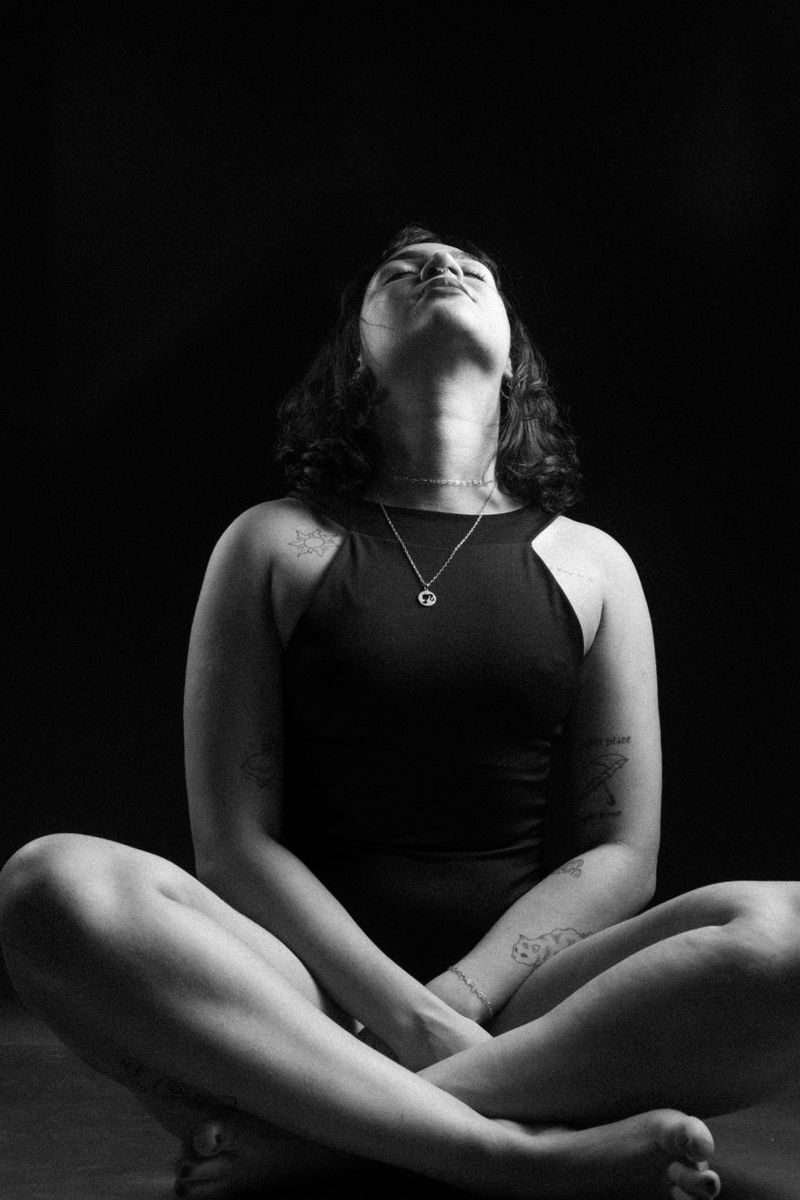
The Trinity of Wellness: How Mind, Body and Spirit Attunement Creates Full Health.
The search for health usually leads us to isolated paths: sometimes we focus on a new diet for the body, sometimes we seek a book or therapy to organize thoughts. However, human beings do not work in watertight compartments. True full health is not the absence of physical illness, but the result of an invisible and constant dance between three fundamental pillars: mind, body and spirit. When we neglect one of these parts, the entire system collapses. Understanding that we are an integrated unit is the first step to abandon the mode of survival and finally begin to flourish.
The balance that sustains this triad is built on a daily basis, through the harmony between our thoughts, emotions and habits. Our thoughts shape our reality and generate the emotions we carry on our chests. If the mind is populated by self-criticism and haste, the heart responds with anxiety, and the body reacts by releasing stress hormones that undermine our energy. On the other hand, when we cultivate gentler thoughts and welcome our emotions without judgment, we create an internal environment conducive to good habits flourish. Eating well, moving the body and sleeping with quality cease to be rigid goals and become a natural extension of the respect we have for ourselves.
Alimentar o espírito, nesse contexto, vai muito além de qualquer dogma ou religião; trata-se de nutrir aquilo que dá sentido à nossa existência. É a nossa capacidade de encontrar beleza no cotidiano, de praticar a gratidão, de nos conectarmos profundamente com o outro e com o que está ao nosso redor. Quando o espírito está fortalecido por um propósito e os hábitos cuidam do corpo enquanto a mente descansa em paz, experimentamos uma sensação de preenchimento que nenhum remédio ou bem material pode comprar. A saúde plena é, portanto, uma construção diária e integrada — um convite para alinharmos o que pensamos, o que sentimos e o que fazemos, transformando a nossa rotina no reflexo mais puro da nossa própria cura. -
O Despertar da Unidade: Como Conectar Mente e Corpo Transforma Saúde e Propósito.
Muitas vezes passamos a vida tratando a mente e o corpo como se fossem dois vizinhos distantes que mal se cumprem. Cuidamos do intelecto acumulando informações e prazos, enquanto exigimos que o corpo funcione no piloto automático, ignorando seus sinais de cansaço até que ele resolva protestar em forma de dor ou esgotamento. Essa desconexão é a raiz de grande parte da nossa ansiedade moderna. A verdadeira transformação começa quando paramos de operar em pedaços e compreendemos que o bem-estar não é um objetivo puramente físico ou mental, mas sim o resultado de uma conversa contínua e harmoniosa entre os dois.
Quando começamos a conectar mente e corpo de forma consciente, o impacto na saúde é imediato. Passamos a perceber como um pensamento ansioso tensiona os ombros ou como uma respiração profunda e pausada é capaz de acalmar os batimentos cardíacos e silenciar o turbilhão mental. Práticas simples, como a atenção plena, a alimentação consciente ou o movimento corporal focado, deixam de ser obrigações da rotina e passam a ser ferramentas de autoconhecimento. O corpo deixa de ser apenas uma máquina a ser moldada e passa a ser o templo onde nossa mente habita e se expressa. Essa harmonia gera um equilíbrio sólido, capaz de nos manter firmes mesmo diante das tempestades diárias.
No entanto, o reflexo mais profundo dessa integração está na descoberta do nosso propósito. Uma mente desconectada do corpo vive perdida nas expectativas dos outros, mas quando estamos integrados, passamos a ouvir a nossa intuição com clareza. Alinhados por dentro, nossas escolhas ganham um novo peso e significado. Deixamos de apenas sobreviver aos dias e passamos a viver com intenção, guiados por uma bússola interna que sabe exatamente para onde ir. Mudar a sua biologia e a sua mentalidade não é apenas uma questão de estética ou produtividade: é o caminho definitivo para resgatar a sua essência e viver com um sentido real de direção. -
A Arte de Subtrair: Como a Simplicidade Virou o Maior Luxo da Vida Moderna.
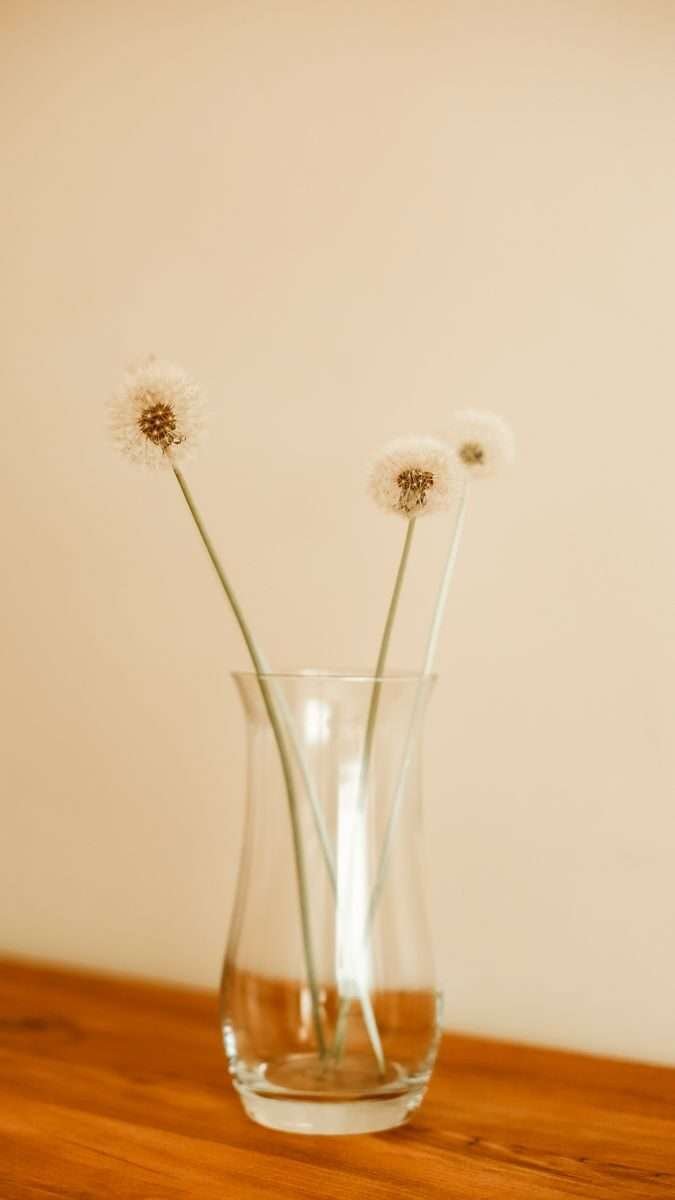
Vivemos em uma época que confunde “cheio” com “completo”. Somos bombardeados pela promessa de que a felicidade está na próxima compra, no próximo projeto ou em uma agenda lotada que nos faz parecer importantes. Mas a verdade é que, nessa corrida para acumular experiências e objetos, acabamos soterrados. O excesso de coisas tranca o nosso espaço físico, enquanto o excesso de compromissos sequestra a nossa atenção. É aí que a simplicidade deixa de ser apenas um conceito estético e se torna uma estratégia urgente de sobrevivência emocional.
Reduzir os excessos não tem a ver com viver em uma sala vazia e sem graça, mas sim com abrir espaço para o que realmente importa. Quando decidimos desapegar daquela tralha que acumula poeira ou daquele compromisso que aceitamos apenas por obrigação social, experimentamos um alívio imediato. Menos coisas significam menos tempo gasto limpando, organizando e escolhendo; menos compromissos significam menos pressa e menos ansiedade. A simplicidade funciona como um filtro que limpa o ruído do mundo para que possamos, finalmente, ouvir nossos próprios pensamentos.
O maior benefício dessa faxina na rotina é o resgate da paz e da clareza mental. Com a mente livre do peso das pendências infinitas, recuperamos o foco e a capacidade de estar presentes. Passamos a saborear uma conversa sem olhar o relógio, a ler um livro sem o peso da culpa e a produzir com mais qualidade, em vez de apenas reagir às demandas externas. No fim das contas, simplificar é um ato de coragem: é entender que a leveza não vem do que a gente soma, mas de tudo aquilo que a gente tem a sabedoria de subtrair. -
A Alquimia da Terra: Como a Jardinagem Transforma Espaços e Cura a Mente.
Mergulhar as mãos na terra, observar o desabrochar lento de uma pétala e acompanhar o ciclo da vida que se renova a cada estação. Longe de ser apenas um passatempo mecânico ou uma atividade voltada à mera estética de quintais e varandas, a jardinagem é uma arte profunda de transformação. Ela molda o ambiente ao mesmo tempo em que lapida o próprio jardineiro. Em um mundo cada vez mais acelerado, digital e confinado entre paredes de concreto, cultivar um espaço verde surge como um ato de resistência e um convite irrecusável para desacelerar, respirar e reatar nossa conexão mais ancestral com a natureza.
Manter um jardim exuberante e bem cuidado, no entanto, não é fruto do acaso ou de um golpe de sorte; exige planejamento meticuloso, paciência e uma dose generosa de dedicação diária. O processo começa muito antes do plantio, na escolha consciente das espécies que irão compor a paisagem. Compreender o microclima da sua região, a incidência de luz solar direta e as características específicas do solo é o que separa um jardim frágil de um ecossistema doméstico próspero. Quando essa harmonia entre a planta e o meio é respeitada, o crescimento saudável se torna uma consequência natural, resultando em uma sinfonia visual e sensorial onde cores, texturas e aromas se equilibram e elevam a qualidade de vida de quem frequenta o lugar.
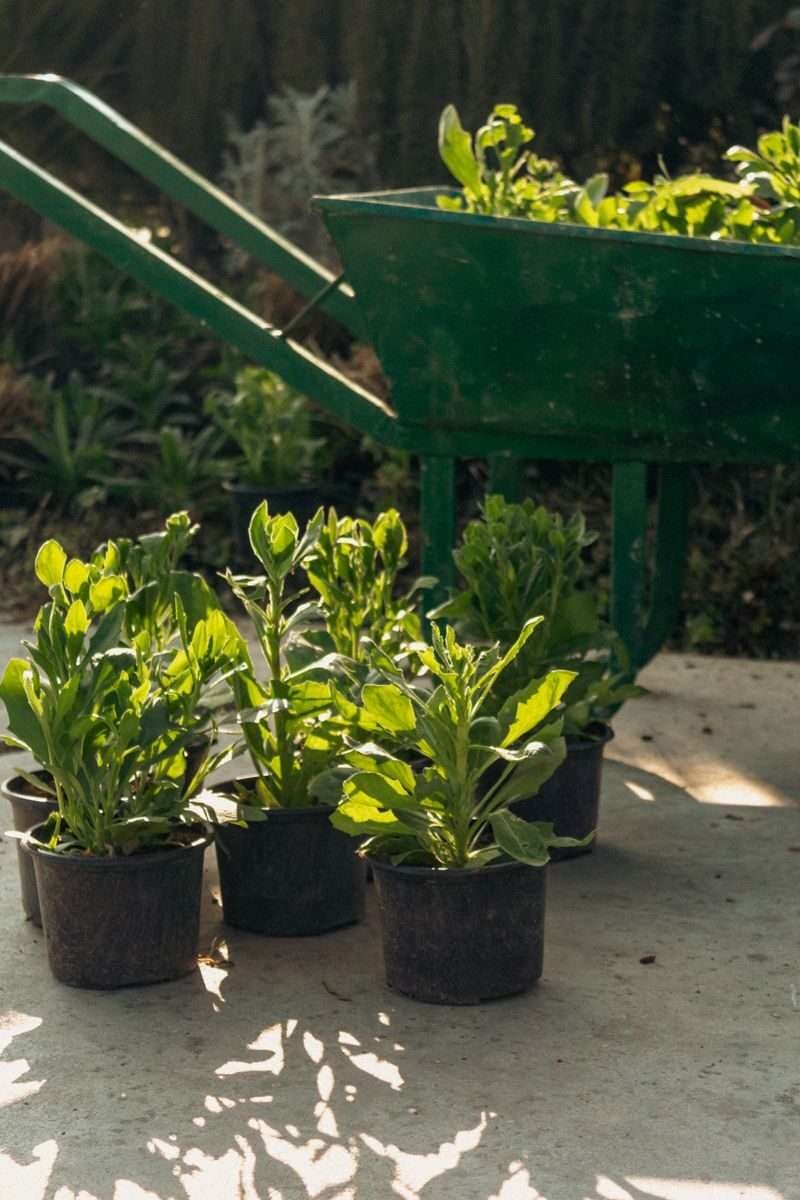
Essa organização cuidadosa tem o poder mágico de converter qualquer canto ocioso em um verdadeiro refúgio particular. Seja em um amplo terreno ou em uma coleção de vasos dispostos em uma varanda de apartamento, a jardinagem praticada com atenção aos detalhes cria zonas de paz e frescor. Cada planta encontra seu espaço ideal, e essa distribuição estratégica não apenas otimiza o desenvolvimento das espécies, mas também oferece benefícios práticos e econômicos tangíveis. Cultivar o próprio alimento — colher ervas frescas para o tempero, hortaliças livres de agrotóxicos ou frutas colhidas direto do pé — enriquece a nutrição da família e alivia o orçamento. Além disso, a prática abre portas para hábitos altamente sustentáveis, como a compostagem de resíduos orgânicos e a captação da água da chuva para a rega, fechando um ciclo ecológico perfeito dentro do próprio lar.
O Solo como Divã: A Ciência por Trás do Bem-Estar Verde
Para além da beleza e da utilidade prática, a jardinagem é reconhecida mundialmente como uma das terapias naturais mais eficazes que existem. A ciência já comprova o que os apaixonados por plantas sentem na pele: o contato direto com a terra estimula a liberação de neurotransmissores ligados ao prazer e ao relaxamento, reduzindo drasticamente os níveis de cortisol, o hormônio do estresse. Cuidar de um jardim exige uma presença absoluta no momento presente; é um exercício de atenção plena onde a ansiedade em relação ao futuro é dissipada pelo ritmo próprio da natureza, que não aceita pressa. O resultado dessa entrega é um ambiente totalmente revitalizado que harmoniza a mente, o corpo e a alma, devolvendo a clareza e estimulando a criatividade.
“Plantar um jardim é acreditar no amanhã.” Esta máxima traduz a paciência que a terra nos ensina todos os dias.
Para que essa engrenagem de bem-estar funcione o ano inteiro, o jardineiro precisa desenvolver uma escuta atenta e acumular conhecimento sobre as particularidades do reino vegetal. Flores ornamentais, árvores frutíferas e ervas aromáticas são seres vivos com demandas completamente distintas. Uma samambaia exige a umidade e a sombra que matariam um alecrim ou uma suculenta afogados; uma roseira necessita de podas cirúrgicas que uma folhagem tropical dispensa.
Dominar a jardinagem consciente significa aprender a arte da observação: notar a cor das folhas para identificar a falta de um nutriente, dosar a rega de acordo com a umidade do ar, proteger as raízes nas geadas de inverno e adubar a terra na primavera. É um diálogo silencioso e constante entre o homem e o ecossistema. Ao assumir esse papel de guardião, adaptando técnicas e respeitando o tempo de cada semente, descobrimos que, ao regar a terra e podar os excessos, estamos, sutilmente, fazendo exatamente o mesmo com as nossas próprias vidas. -

O Canto da Sereia do “Eu Sinto Que”: O Perigo de Governar a Vida Apenas por Intuição.
Quem nunca tomou uma decisão crucial baseada puramente em um “estalo”, em um frio na barriga ou naquela certeza absoluta que parece vir do fundo da alma? A intuição, essa bússola interna moldada por nossas experiências subconscientes, tem um charme inegável. Ela é rápida, romântica e nos faz sentir como os heróis de nossa própria jornada. No entanto, transformar o “sexto sentido” no único piloto das nossas vidas, ignorando os dados frios e os fatos da realidade, é um passaporte expresso para o autoengano e para o prejuízo.
O grande problema de confiar cegamente no instinto é que a nossa mente é mestre em pregar peças. O que chamamos de intuição, muitas vezes, nada mais é do que o nosso cérebro buscando o caminho de menor esforço, camuflando preconceitos, medos antigos ou o famoso viés de confirmação — aquela tendência psicológica de enxergar apenas o que valida o que já queríamos acreditar. Quando ignoramos os dados reais (sejam as finanças da empresa, os exames de saúde ou os sinais claros de um relacionamento tóxico), estamos, na verdade, escolhendo a ilusão em detrimento da verdade.
“A intuição nos diz o que é plano quando a Terra é redonda.” — Essa provocação resume perfeitamente como nossos sentidos imediatos podem falhar diante da complexidade do mundo real.
No ambiente profissional e nos negócios, esse rombo fica ainda mais evidente. O mercado está repleto de histórias de empreendedores que faliram porque “sentiam” que um produto seria um sucesso estrondoso, mas negligenciaram as pesquisas de mercado que mostravam que ninguém estava disposto a pagar por ele. Dados não existem para podar a criatividade ou o arrojo; eles existem para pavimentar a estrada por onde a intuição quer caminhar. Olhar para planilhas, métricas e feedbacks reais não tira o brilho da decisão, apenas garante que você não está pulando de um penhasco sem paraquedas.
O segredo para uma vida madura e de sucesso não está em aniquilar o instinto, tampouco em se tornar um robô refém de estatísticas. O equilíbrio perfeito nasce do casamento entre esses dois mundos. Use a sua intuição como uma faísca geradora, aquela que aponta para onde olhar ou traz o insight inicial. Mas, antes de dar o passo definitivo, convide os dados da realidade para a conversa. Deixe que a lógica teste a sua intuição. Afinal, ter os pés firmemente plantados no chão da realidade nunca impediu ninguém de olhar para as estrelas — só impediu que tropeçasse no primeiro buraco pelo caminho.