
Category: Technology and Innovation

  • Smart Urban Gardens: Cultivating with Technology

    Smart Urban Gardens: Cultivating with Technology

    Living in large urban centers is no longer an excuse for no fresh food. Smart urban gardens use automation systems, moisture sensors and LED lighting controlled by applications to ensure that your herbs and vegetables grow perfect even in small apartments.

    Automation and Practicality

    Hydroponic systems connected to Wi-Fi warn when it is time to replenish water or nutrients. This eliminates human error and optimizes plant growth, allowing a continuous harvest of organic spices and free of pesticides directly from your balcony or kitchen.

    Benefits for the Ecosystem

    In addition to their own consumption, these gardens help reduce the carbon footprint of food transport and improve the residential microclimate. It is technology serving as a bridge to a lifestyle more connected with nature and self-sustaining.


  • Molecular Gastronomy: Science Behind Tastes

    Molecular Gastronomy: Science Behind Tastes

    Molecular gastronomy uses principles of chemistry and physics to transform common ingredients into surprising sensory experiences. Spherifications, foams and liquid nitrogen are tools that allow chefs to play with states of matter and intensify flavors.

    The Science of Taste

    Understanding how molecules react to heat or pressure allows you to create dishes such as "caviar of fruit" or mousses that do not carry eggs. This technical approach not only innovates in aesthetics, but also preserves the organoleptic properties of foods in ways that traditional cuisine often fails.

    Demystifying the Technique

    Although it seems complex, many concepts of molecular cooking can be applied at home with the use of natural thickeners such as agar-agar. The ultimate goal is always the same: to surprise the palate through the deconstruction of known textures.

  • Superfoods of the Future: Nutrition and Sustainability

    Superfoods of the Future: Nutrition and Sustainability

    With the increase of the global population, the search for efficient and sustainable nutrition sources has become a priority. Superfoods such as algae, processed insects and laboratory-grown meats are emerging as viable solutions to feed the world without exhausting the planet's resources.

    Algae: The Power of the Ocean

    Microalgae, such as spirulina, are dense in nutrients and require very little water for cultivation. They are already used in supplements and begin to integrate pasta and beverages, offering a complete profile of amino acids with minimal environmental impact.

    Alternative Proteins

    Precision fermentation technology and cell agriculture are allowing the creation of proteins identical to animals, but without the need for livestock farming. These advances promise to revolutionize the food industry in the next decade, uniting ethics and high nutrition.

  • Environmental Enrichment for Cats: How to Turn Your Apartment into a Paradise

    Environmental Enrichment for Cats: How to Turn Your Apartment into a Paradise

    Gatos são animais extremamente territoriais e caçadores por natureza. Quando vivem em ambientes restritos, como apartamentos, a falta de estímulos pode levar ao tédio, obesidade e problemas de comportamento. O enriquecimento ambiental é a técnica de adaptar o espaço para que o gato possa expressar seus comportamentos naturais.

    Verticalização do Espaço

    Gatos amam altura. Instalar prateleiras, nichos ou arranhadores altos permite que eles observem o ambiente de cima, o que lhes traz segurança e confiança. Isso é essencial em casas com mais de um gato, pois ajuda a evitar conflitos territoriais.

    Estímulo Cognitivo e Sensorial

    Esconder petiscos pela casa ou usar brinquedos recheáveis faz com que o gato precise “trabalhar” pela comida, estimulando o raciocínio. Além disso, oferecer diferentes texturas para arranhar e até graminha específica para gatos ajuda a manter os sentidos aguçados e o animal entretido.

    A Importância das Janelas

    Ter acesso visual ao mundo externo (sempre com telas de proteção!) funciona como a “televisão” dos gatos. Observar pássaros e o movimento da rua é um ótimo passatempo. Um ambiente enriquecido resulta em um gato muito mais calmo, saudável e feliz.

  • Natural Feed for Dogs: Complete Guide for Beginners

    Natural Feed for Dogs: Complete Guide for Beginners

    Natural feeding for dogs (AN) has been gaining more and more supporters who seek a healthier and less processed alternative to commercial rations. It consists of offering fresh, balanced and minimally processed foods, such as meats, viscera, vegetables and specific grains. In this guide, we will understand the basic principles to start safely.

    Why Choose Natural Feed?

    Unlike rations, AN is rich in moisture, which helps in renal health, and does not contain artificial preservatives, dyes or palatabilizers. Tutors report significant improvements in coat, reduction of allergies and greater disposition of animals. In addition, feces tend to be smaller and with less odor due to better absorption of nutrients.

    Components of a Balanced Diet

    A standard AN diet is usually composed of: proteins (bovine meat, chicken, fish), viscera (liver, kidney), complex carbohydrates (whole rice, sweet potato) and vegetables (carrot, chuchu, zucchini). It is essential that the proportion is calculated individually for the dog's weight and age.

    The Danger of "Doing On Your Own"

    Attention: Never replace the food with home cooking without guidance. Lack of vitamin and mineral supplementation can cause serious deficiencies. The first step should always be to consult a nutrologist veterinarian to create a specific and safe menu for your pet.

  • First aid Pet: What to do in Emergency Situations

    First aid Pet: What to do in Emergency Situations

    Knowing how to act in an emergency can be the difference between the life and death of your pet. Although nothing replaces immediate veterinary care, first aid serves to stabilize the animal until arrival at the clinic. In this article, we address the most common situations.

    Choking and Obstructions

    If your pet is trying to cough and can't breathe, check your mouth carefully. If there is a visible object, try to remove it with a clamp. Otherwise, the Heimlich maneuver adapted for animals may be necessary by applying moderate pressure below the ribs.

    Wounds and Bleeding

    In case of cuts with active bleeding, apply direct pressure to the site with a clean cloth or gauze. Do not use tourniquets unless instructed by a professional, as this may cause tissue damage. Keep the animal calm and warm during transport.

    Intoxications and Poisoning

    If you suspect that your pet has ingested something toxic (chocolate, poisonous plants or cleaning products), do not try to induce vomiting without guidance. Take the product packaging or a sample of the plant to the veterinarian to expedite the correct diagnosis and treatment.

  • Responsible Adoption: Guide to Preparing Your Home and Your Heart

    Responsible Adoption: Guide to Preparing Your Home and Your Heart

    Adopting an animal is an act of love, but it also requires planning and responsibility. A pet can live for 15 years or more, and all that time it will depend entirely on you. The responsible adoption begins before the animal even gets home.

    Financial and Time Planning

    Consider the costs of quality feeding, annual vaccines, anti-leaves, and possible medical emergencies. Besides, pets need time for walks, games and attention. Evaluate whether your current routine allows the inclusion of a new member who demands daily dedication.

    Preparing Environment

    Your house needs to be safe. For cats, screens on all windows are mandatory. For dogs, make sure there are no escape routes or toxic plants within range. Provide the basic trousseau: walk, pots of water and food, toys and, in the case of dogs, collar and guide.

    The Adaptation Period

    The first days can be challenging. The animal may feel insecure or make hygiene mistakes. Be patient and use positive reinforcement to educate you. With love and clear limits, the adaptation will be a success and you will have a faithful companion for many years.

  • Canine Body Language: Understand What Your Dog Is Saying

    Canine Body Language: Understand What Your Dog Is Saying

    Have you ever stopped to observe how your dog communicates? Although they do not speak, dogs use the whole body to express emotions. Understanding dog body language is essential to strengthen the bond with your pet and avoid situations of conflict or stress.

    The Meaning of the Ass

    Not every butt wagging means happiness. A low, slow ass can indicate insecurity. On the other hand, a raised, rigid tail, with short movements, could be a warning signal or dominance. The tail between the legs is a classic sign of extreme fear or submission.

    Eyes and Ears

    Ears facing forward indicate interest and curiosity. If they're attached to the head, they can signal fear or defensive aggression. The whale look (when the dog shows the white of the eyes) is a strong indication that he is uncomfortable and needs space.

    Signs of appeasement

    Licking your own snout, yawning or looking away are signs that dogs use to say "I'm calm, I don't want to fight." By learning to read these little gestures, you become a much more attentive and able tutor to provide an emotionally balanced life for your dog.

  • Conscious Consumption: Small Changes that Generate Great Environmental Impacts

    Conscious Consumption: Small Changes that Generate Great Environmental Impacts

    Conscious consumption is much more than a trend; it is a paradigm shift necessary for the preservation of our planet. In a world where fast fashion and programmed obsolescence dominate, rethinking our daily choices can generate a gigantic positive impact. In this article, we will explore how small changes in habit can transform their relationship with the environment.

    What Is Conscious Consumption?

    Consuming consciously means taking into account the environmental, social and economic impacts of each purchase. Before purchasing a new product, ask yourself: do I really need this? Where did he come from? How was it produced? By prioritizing companies with ethical practices and durable products, you vote with your pocket for a better world.

    Practical Tips for Day to Day

    Start by reducing the waste. Use reusable bags, avoid single-use plastics and prefer products with less packaging. Another valuable tip is to support local trade and small producers, which reduces the carbon footprint of transportation and strengthens the economy of your region. In addition, consider the second-hand market — stores and exchanges are excellent ways to extend the useful life of objects.

    The Power of Choice

    Each conscious choice is a step towards a sustainable future. By reducing excessive consumption, you not only save money, but also reduce pressure on Earth’s natural resources. Remember: the goal is not to be perfect, but to be more conscious every day.

  • Sustainable architecture: How Passive Design Reduces Energy Consumption

    Sustainable architecture: How Passive Design Reduces Energy Consumption

    Sustainable architecture is no longer a niche to become a global need. At the heart of this revolution is passive design, an approach that uses local weather conditions to maintain thermal comfort without overly relying on air conditioning or heating systems. In this article, we will understand how small changes in the project can reduce energy consumption by up to 70%.

    The Pillars of Passive Design

    Passive design focuses on solar orientation, natural ventilation and thermal insulation. By positioning windows strategically to capture the light of winter and block the strong summer sun, it is possible to illuminate and warm environments in a natural way. Cross ventilation, in turn, allows the air to circulate freely, cooling the house without electrical expense.

    Low Impact Materials

    In addition to design, the choice of materials is fundamental. The use of certified wood, soil-cement bricks and natural insulators such as cork helps reduce the carbon footprint of the construction. Green roofs are also excellent allies as they help filter rainwater and offer superior thermal insulation.

    The Impact on Pocket and Planet

    While initial investment in sustainable technologies may be slightly higher, the economy in light and water bills over the years compensates for value. More than economy, living in a sustainable home promotes well-being and health, connecting residents with the natural cycles of the land.

  • Urban Permaculture: Turning Small Spaces into Ecosystems

    Urban Permaculture: Turning Small Spaces into Ecosystems

    Urban permaculture proves that you do not need a farm to grow food and live sustainablely. The concept of permaculture goes beyond the garden; it is about creating systems that imitate nature, integrating housing, energy and food production. Even in small apartments or backyards, it is possible to apply these principles.

    Basic Principles for the City

    One of the pillars is the closing of cycles. That means turning what would be garbage into resource. Domestic composting is the best example: food remains have become rich fertilizer for their plants. Another principle is the maximum use of space, using vertical gardens and self-irrigable vessels to optimize production.

    Concrete Biodiversity

    By cultivating a variety of plants on your balcony, you attract pollinators like bees and butterflies, helping maintain urban biodiversity. In addition, plants help reduce the "heat islands" in cities, making the microclimate of your home much more pleasant.

    Community Resilience

    Urban permaculture also encourages the creation of community gardens and the exchange of seeds between neighbors. These initiatives strengthen social ties and increase local food security. Starting is simple: choose a plant, understand your needs and observe how nature responds to your care.

  • Algae bioplastics: The Solution for Ocean Pollution

    Algae bioplastics: The Solution for Ocean Pollution

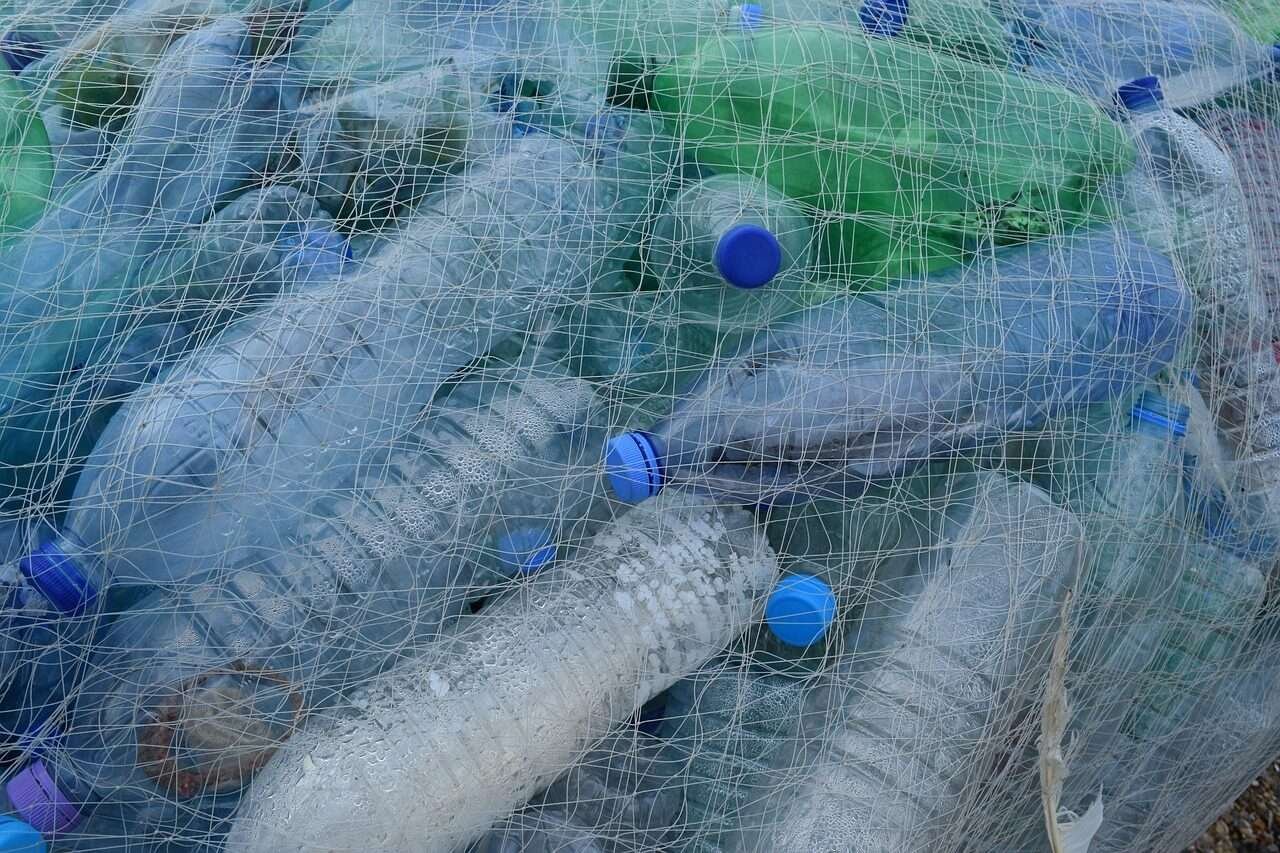
    Plastic pollution is one of the biggest environmental disasters in our era. However, science has found a promising alternative in the depths of the ocean: algae. Bioplastics made of algae are biodegradable, compostable and do not compete with agricultural land, unlike plastics made of corn or sugar cane.

    Advantages of Algae

    The algae grow rapidly, absorb large amounts of CO2 during its development and do not require chemical fertilizers or drinking water. This makes algae bioplastic one of the most sustainable options available in the current market. When discarded correctly, it decomposes in a few weeks without leaving microplastics.

    Practical Applications

    Currently, companies already use this technology to create food packaging, straws and even water bottles. The texture and strength are similar to conventional plastic, but with the advantage of being a material that nature can resorb without damage.

    The Way to a Future Without Plastic

    For this technology to gain scale, investment in biorefineries and consumer support is needed. By choosing products with biodegradable packaging, you signal to the market that sustainability is a priority. The algae bioplastic is not just a promise, it is a reality that can save our oceans.

EnglishenEnglishEnglish