Category: Technology and Innovation

  • The Future of Green Hydrogen: The Global Energy Revolution

    The Future of Green Hydrogen: The Global Energy Revolution

    Green hydrogen is often called "the fuel of the future". Unlike gray hydrogen, produced from fossil fuels, green is generated through water electrolysis using renewable energy sources such as wind and solar. This process does not emit CO2, making it a key part for the decarbonization of heavy industries.

    Why is Green Hydrogen Different?

    The great advantage of green hydrogen is its versatility. It can be stored and transported, serving as fuel for ships, aircraft and cargo trucks, sectors where electric batteries still face weight and autonomy limitations. It can also replace coal in green steel production.

    Brazil on the Hydrogen Route

    Brazil has immense potential to become one of the world's largest exporters of green hydrogen, thanks to its clean energy matrix and vast territorial extension to wind and solar farms. The development of this technology can attract billions in investments and generate thousands of qualified jobs in the country.

    Challenges for Popularization

    Currently, the main challenge is the cost of production, which is still superior to traditional fuels. However, with the advancement of technology and increased production scale, green hydrogen is expected to become competitive in the next ten years, definitely transforming the way the world consumes energy.

  • The Complete Guide to Urban Mining: Recovering the Future of Electronic Trash

    The Complete Guide to Urban Mining: Recovering the Future of Electronic Trash

    Urban mining is one of the most innovative and necessary solutions to the environmental challenges of the 21st century. While traditional mining pierces the earth for finite resources, urban mining looks at what we have already produced: electronic waste. It is estimated that tons of gold, silver and copper are discarded annually on old smartphones and computers. In this guide, we will explore how this process works and why it is vital for the circular economy.

    What is Urban Mining?

    Unlike deep mining, urban mining focuses on the recovery of secondary raw materials from discarded products. The concept is based on the idea that cities are "mines" rich in materials that have already been processed. By recycling one million mobile phones, for example, it is possible to recover about 16 tons of copper, 350 kg of silver and 34 kg of gold.

    Environmental and Economic Benefits

    The extraction of metals from electronic waste consumes significantly less energy than primary mining. In addition, it prevents soil contamination by heavy metals such as lead and mercury, often found in batteries and circuit boards. Economically, urban mining reduces dependence on rare earth imports, strengthening the local recycling industry.

    How Can You Contribute?

    The first step is conscious disposal. Never throw electronics in ordinary trash. Look for specialized collection points in your city. By ensuring that your old device reaches a technology recycling plant, you are allowing these materials to return to the productive cycle, preserving the environment for future generations.

  • The Art of Aware Photography: Capturing Essence in the Digital Age

    The Art of Aware Photography: Capturing Essence in the Digital Age

    Digital photography is not just about capturing light; it is about capturing the essence of consciousness in a fragment of time. At BioBit.online, we explore how modern lenses and Artificial Intelligence are redefining our visual perception and affective memory.

    Lens as an Extension of the Soul

    Just as human behavior adapts to new technologies, photography evolves to become a universal language of self-knowledge. Each click is a conscious choice of presence in a world of digital distractions.

    Technology and Aesthetics

    We integrate the technical precision of innovation with artistic sensitivity. The photograph on BioBit seeks the balance between the perfect pixel and raw emotion.

  • The Definitive Guide to Personal Evolution: Philosophy, Consciousness and the Power of the Mind

    The Definitive Guide to Personal Evolution: Philosophy, Consciousness and the Power of the Mind

    Sailing through the complexity of modern life requires more than just information; it requires wisdom. No biobit.onlineWe explore the boundaries between classical philosophy and modern psychology to help you find clarity. This guide is the starting point for our library of over 500 articles on human development.

    The Awakening of Consciousness

    Real change doesn't happen on the outside, but on the inside. Understanding your own "shadow" and practicing self-acceptance are the first steps to an authentic life. Explore more about this topic in our article on The Mirror of the Soul.

    Intelligence Beyond Intelect

    Often, undirected intelligence becomes a burden. We discussed how to balance analytical thinking with peace of mind to avoid the trap of "overthinking". See how this affects your happiness in The Weight of Overthinking.

    Philosophy Applied to the Daily

    Philosophy should not be just theoretical. She is a practical tool to stop begging for approval and start living on her own terms. Find out how in Clearing the Eye of Others.

    Conclusion

    Evolution is a continuous process. We invite you to explore our General Index of Links to dive deeply into each of these themes.

  • Wonderful World

    Wonderful World

    The Eros Awakening: How to Return the Magic of Changing the World to Philosophy

  • The Eros Awakening: How to Return the Magic of Changing the World to Philosophy

    The Eros Awakening: How to Return the Magic of Changing the World to Philosophy

    The Eros Awakening: How to Return the Magic of Changing the World to Philosophy

    There was a time when philosophy was a matter of life and death. Socrates was not condemned to hemlock for publishing a high-impact article in an indexed journal; he was executed because his questions bothered power and transformed youth. Today, however, philosophy seems to have retreated to the comfortable silence of university offices. It degenerated into a hyper-specialized discipline, a glass game for beginners, more concerned with commenting on the past than deciphering the present. By moving away from the streets and the dynamic world, philosophy has lost its vital strength and, above all, its ability to produce a narrative of romance — that great history that incites the revolution, enchantment and social transformation. She's lost her power to change the world.

    To reverse this scenario of intellectual sclerosis and rescue the lost magic of thought, we need to understand where philosophy went wrong. In trying to mimic the rigor of the exact and natural sciences to justify their institutional existence, philosophical thought sacrificed its mythical and affective dimension. Western philosophy forgot that astonishment (thauma), the initial spark of all search for wisdom, is an aesthetic and existential experience, not a logical problem to be solved through insurmountable technical jargons. For philosophy to regain its real impact, it needs to be worldly, dangerous and passionate again. It must cease to be just an autopsy of dead ideas to become the diagnosis and creation of new realities.

    It is precisely at this point of paralysis that art appears as a beacon of possibility. While philosophy was contained in the academy, art remained in a privileged position, capable of evoking the brightness of a new form of life. Art does not ask for permission from methodological rules to exist; it simply creates. It acts in the territory of affections, images and sensations — areas which pure reason often ignores, but which are the true engines of human action. It is very likely that art is, today, much closer to the essence of pure creation than traditional philosophy, for it not only describes the world, but subverts it and reinvents it before our eyes.

    Philosophy in the Age of Algorithm

    In the 21st century, the challenge becomes even more complex with digital mediation. The Philosophical Eros — the burning desire for truth and beauty — it is being suffocated by recommendation algorithms that prioritize cognitive comfort instead of radical questioning. If philosophy wants to change the world today, it needs to enter the code. We need a "Bit philosophy" that not only observes technology, but uses it as a digital brush to paint new utopias. Artificial intelligence, far from being just a productivity tool, must be questioned as a new mirror of human consciousness, demanding that we return to the fundamental questions of Seneca and Epicurus under a new neon light.

    The real digital revolution will not be technical, but ontological. When we use technology to create art and express thought, we are performing the alchemical marriage between logic and intuition. Biobit.online is born from this premise: that the bit (the digital) and the bio (life) must coexist in a poetic harmony. Philosophy needs to learn from design, electronic music, and the creative art that the structure does not exclude feeling. By integrating digital aesthetics to conceptual rigor, we create a narrative that once again seduces the human soul, removing it from the apathy of passive consumption for the activity of creative thinking.

    Therefore, the path to the resurrection of philosophy lies not in isolation, but in a radical alliance with artistic expression. Philosophy needs to re-approve of the poetic dimension. When conceptual thinking joins the creative and sensitive force of art, it ceases to be a mere bureaucratic exercise and becomes a transformative force. It is about turning concepts into flesh, and ideas into living images. Only when philosophers rediscover the audacity of artists — the right to err, shock, poetize and dream awake — is that philosophy will regain its charm and its power to shape the future. The awakening of Eros is ultimately the awakening of our own ability to imagine and build a world where technology serves beauty, and thought serves life.

  • A Arte de Subtrair: Como a Simplicidade Virou o Maior Luxo da Vida Moderna.

    A Arte de Subtrair: Como a Simplicidade Virou o Maior Luxo da Vida Moderna.


    Vivemos em uma época que confunde “cheio” com “completo”. Somos bombardeados pela promessa de que a felicidade está na próxima compra, no próximo projeto ou em uma agenda lotada que nos faz parecer importantes. Mas a verdade é que, nessa corrida para acumular experiências e objetos, acabamos soterrados. O excesso de coisas tranca o nosso espaço físico, enquanto o excesso de compromissos sequestra a nossa atenção. É aí que a simplicidade deixa de ser apenas um conceito estético e se torna uma estratégia urgente de sobrevivência emocional.
    Reduzir os excessos não tem a ver com viver em uma sala vazia e sem graça, mas sim com abrir espaço para o que realmente importa. Quando decidimos desapegar daquela tralha que acumula poeira ou daquele compromisso que aceitamos apenas por obrigação social, experimentamos um alívio imediato. Menos coisas significam menos tempo gasto limpando, organizando e escolhendo; menos compromissos significam menos pressa e menos ansiedade. A simplicidade funciona como um filtro que limpa o ruído do mundo para que possamos, finalmente, ouvir nossos próprios pensamentos.
    O maior benefício dessa faxina na rotina é o resgate da paz e da clareza mental. Com a mente livre do peso das pendências infinitas, recuperamos o foco e a capacidade de estar presentes. Passamos a saborear uma conversa sem olhar o relógio, a ler um livro sem o peso da culpa e a produzir com mais qualidade, em vez de apenas reagir às demandas externas. No fim das contas, simplificar é um ato de coragem: é entender que a leveza não vem do que a gente soma, mas de tudo aquilo que a gente tem a sabedoria de subtrair.

  • O Oásis no Concreto: Como os Jardins Urbanos e a Sustentabilidade Redefinem a Vida nas Cidades.

    O Oásis no Concreto: Como os Jardins Urbanos e a Sustentabilidade Redefinem a Vida nas Cidades.


    As paisagens urbanas modernas, dominadas por arranha-céus, asfalto e o ritmo frenético do trânsito, estão passando por uma revolução silenciosa e verde. Diante do confinamento em espaços cada vez mais reduzidos, a necessidade humana de se reconectar com a terra deu força a uma tendência que veio para ficar: os jardins urbanos. Essa prática prova que a falta de quintal já não é desculpa para não cultivar a vida. Através de técnicas inteligentes como a jardinagem vertical, hortas em vasos dispostas em parapeitos e jardins suspensos, mesmo os menores apartamentos podem se transformar em pequenos ecossistemas particulares, provando que a natureza sempre encontra um caminho para prosperar.
    Mais do que uma escolha estética para embelezar salas e varandas, introduzir a vegetação no cenário urbano gera impactos profundos e imediatos na saúde pública e individual. As plantas funcionam como filtros naturais, absorvendo poluentes e melhorando significativamente a qualidade do ar que respiramos dentro de casa. Além disso, densas barreiras de folhagens ajudam a amortecer a poluição sonora típica das metrópoles, criando um verdadeiro escudo acústico. No espectro psicológico, a presença do verde atua como um bálsamo contra o estresse crônico, promovendo o bem-estar físico e mental dos moradores, que encontram no próprio lar um refúgio de calmaria contra o caos do lado de fora.
    Ter um jardim no coração da cidade é lembrar que, sob o asfalto, a terra ainda pulsa e espera pela nossa atenção.
    Essa migração da natureza para as cidades caminha lado a lado com a conscientização ecológica e a sustentabilidade. Ao assumir o papel de cuidador de um espaço verde, o cidadão urbano desenvolve uma nova sensibilidade em relação aos recursos do planeta. Aprende-se, na prática, o valor de cada gota d’água e a importância de banir pesticidas e produtos químicos prejudiciais à saúde e aos polinizadores. É nesse cenário que práticas como a compostagem doméstica ganham força, transformando cascas de frutas e restos de podas — que antes iriam para aterros sanitários — em um adubo orgânico riquíssimo. Esse ciclo fecha-se de forma saborosa quando o jardim passa a fornecer alimentos: colher temperos frescos, chás e pequenas hortaliças em casa reduz a dependência de produtos industrializados e embalagens plásticas, trazendo mais pureza e vitalidade para a mesa.
    No fim das contas, estruturar e manter um jardim urbano exige disciplina e rotina, mas o retorno vem na forma de momentos inestimáveis de introspecção e prazer. O desenho do espaço, a escolha cuidadosa das paletas de cores das flores e a combinação de texturas funcionam como uma extensão da personalidade do morador, estimulando a criatividade e a expressão pessoal. Longe de ser apenas um elemento decorativo, o jardim torna-se uma escola viva dentro do apartamento. Ao observar o ciclo de uma semente que brota, floresce, frutifica e se renova, o habitante da cidade aprende a respeitar o tempo das coisas e descobre que, ao cultivar suas plantas, está também cultivando a sua própria paz interior.

  • A Alquimia da Terra: Como a Jardinagem Transforma Espaços e Cura a Mente.

    A Alquimia da Terra: Como a Jardinagem Transforma Espaços e Cura a Mente.


    Mergulhar as mãos na terra, observar o desabrochar lento de uma pétala e acompanhar o ciclo da vida que se renova a cada estação. Longe de ser apenas um passatempo mecânico ou uma atividade voltada à mera estética de quintais e varandas, a jardinagem é uma arte profunda de transformação. Ela molda o ambiente ao mesmo tempo em que lapida o próprio jardineiro. Em um mundo cada vez mais acelerado, digital e confinado entre paredes de concreto, cultivar um espaço verde surge como um ato de resistência e um convite irrecusável para desacelerar, respirar e reatar nossa conexão mais ancestral com a natureza.
    Manter um jardim exuberante e bem cuidado, no entanto, não é fruto do acaso ou de um golpe de sorte; exige planejamento meticuloso, paciência e uma dose generosa de dedicação diária. O processo começa muito antes do plantio, na escolha consciente das espécies que irão compor a paisagem. Compreender o microclima da sua região, a incidência de luz solar direta e as características específicas do solo é o que separa um jardim frágil de um ecossistema doméstico próspero. Quando essa harmonia entre a planta e o meio é respeitada, o crescimento saudável se torna uma consequência natural, resultando em uma sinfonia visual e sensorial onde cores, texturas e aromas se equilibram e elevam a qualidade de vida de quem frequenta o lugar.
    Essa organização cuidadosa tem o poder mágico de converter qualquer canto ocioso em um verdadeiro refúgio particular. Seja em um amplo terreno ou em uma coleção de vasos dispostos em uma varanda de apartamento, a jardinagem praticada com atenção aos detalhes cria zonas de paz e frescor. Cada planta encontra seu espaço ideal, e essa distribuição estratégica não apenas otimiza o desenvolvimento das espécies, mas também oferece benefícios práticos e econômicos tangíveis. Cultivar o próprio alimento — colher ervas frescas para o tempero, hortaliças livres de agrotóxicos ou frutas colhidas direto do pé — enriquece a nutrição da família e alivia o orçamento. Além disso, a prática abre portas para hábitos altamente sustentáveis, como a compostagem de resíduos orgânicos e a captação da água da chuva para a rega, fechando um ciclo ecológico perfeito dentro do próprio lar.
    O Solo como Divã: A Ciência por Trás do Bem-Estar Verde
    Para além da beleza e da utilidade prática, a jardinagem é reconhecida mundialmente como uma das terapias naturais mais eficazes que existem. A ciência já comprova o que os apaixonados por plantas sentem na pele: o contato direto com a terra estimula a liberação de neurotransmissores ligados ao prazer e ao relaxamento, reduzindo drasticamente os níveis de cortisol, o hormônio do estresse. Cuidar de um jardim exige uma presença absoluta no momento presente; é um exercício de atenção plena onde a ansiedade em relação ao futuro é dissipada pelo ritmo próprio da natureza, que não aceita pressa. O resultado dessa entrega é um ambiente totalmente revitalizado que harmoniza a mente, o corpo e a alma, devolvendo a clareza e estimulando a criatividade.
    “Plantar um jardim é acreditar no amanhã.” Esta máxima traduz a paciência que a terra nos ensina todos os dias.
    Para que essa engrenagem de bem-estar funcione o ano inteiro, o jardineiro precisa desenvolver uma escuta atenta e acumular conhecimento sobre as particularidades do reino vegetal. Flores ornamentais, árvores frutíferas e ervas aromáticas são seres vivos com demandas completamente distintas. Uma samambaia exige a umidade e a sombra que matariam um alecrim ou uma suculenta afogados; uma roseira necessita de podas cirúrgicas que uma folhagem tropical dispensa.
    Dominar a jardinagem consciente significa aprender a arte da observação: notar a cor das folhas para identificar a falta de um nutriente, dosar a rega de acordo com a umidade do ar, proteger as raízes nas geadas de inverno e adubar a terra na primavera. É um diálogo silencioso e constante entre o homem e o ecossistema. Ao assumir esse papel de guardião, adaptando técnicas e respeitando o tempo de cada semente, descobrimos que, ao regar a terra e podar os excessos, estamos, sutilmente, fazendo exatamente o mesmo com as nossas próprias vidas.

  • O Canto da Sereia do “Eu Sinto Que”: O Perigo de Governar a Vida Apenas por Intuição.

    O Canto da Sereia do “Eu Sinto Que”: O Perigo de Governar a Vida Apenas por Intuição.


    Quem nunca tomou uma decisão crucial baseada puramente em um “estalo”, em um frio na barriga ou naquela certeza absoluta que parece vir do fundo da alma? A intuição, essa bússola interna moldada por nossas experiências subconscientes, tem um charme inegável. Ela é rápida, romântica e nos faz sentir como os heróis de nossa própria jornada. No entanto, transformar o “sexto sentido” no único piloto das nossas vidas, ignorando os dados frios e os fatos da realidade, é um passaporte expresso para o autoengano e para o prejuízo.
    O grande problema de confiar cegamente no instinto é que a nossa mente é mestre em pregar peças. O que chamamos de intuição, muitas vezes, nada mais é do que o nosso cérebro buscando o caminho de menor esforço, camuflando preconceitos, medos antigos ou o famoso viés de confirmação — aquela tendência psicológica de enxergar apenas o que valida o que já queríamos acreditar. Quando ignoramos os dados reais (sejam as finanças da empresa, os exames de saúde ou os sinais claros de um relacionamento tóxico), estamos, na verdade, escolhendo a ilusão em detrimento da verdade.
    “A intuição nos diz o que é plano quando a Terra é redonda.” — Essa provocação resume perfeitamente como nossos sentidos imediatos podem falhar diante da complexidade do mundo real.
    No ambiente profissional e nos negócios, esse rombo fica ainda mais evidente. O mercado está repleto de histórias de empreendedores que faliram porque “sentiam” que um produto seria um sucesso estrondoso, mas negligenciaram as pesquisas de mercado que mostravam que ninguém estava disposto a pagar por ele. Dados não existem para podar a criatividade ou o arrojo; eles existem para pavimentar a estrada por onde a intuição quer caminhar. Olhar para planilhas, métricas e feedbacks reais não tira o brilho da decisão, apenas garante que você não está pulando de um penhasco sem paraquedas.
    O segredo para uma vida madura e de sucesso não está em aniquilar o instinto, tampouco em se tornar um robô refém de estatísticas. O equilíbrio perfeito nasce do casamento entre esses dois mundos. Use a sua intuição como uma faísca geradora, aquela que aponta para onde olhar ou traz o insight inicial. Mas, antes de dar o passo definitivo, convide os dados da realidade para a conversa. Deixe que a lógica teste a sua intuição. Afinal, ter os pés firmemente plantados no chão da realidade nunca impediu ninguém de olhar para as estrelas — só impediu que tropeçasse no primeiro buraco pelo caminho.

  • Visual Expression Gallery: Digital Art as a Mirror of the Soul

    Visual Expression Gallery: Digital Art as a Mirror of the Soul

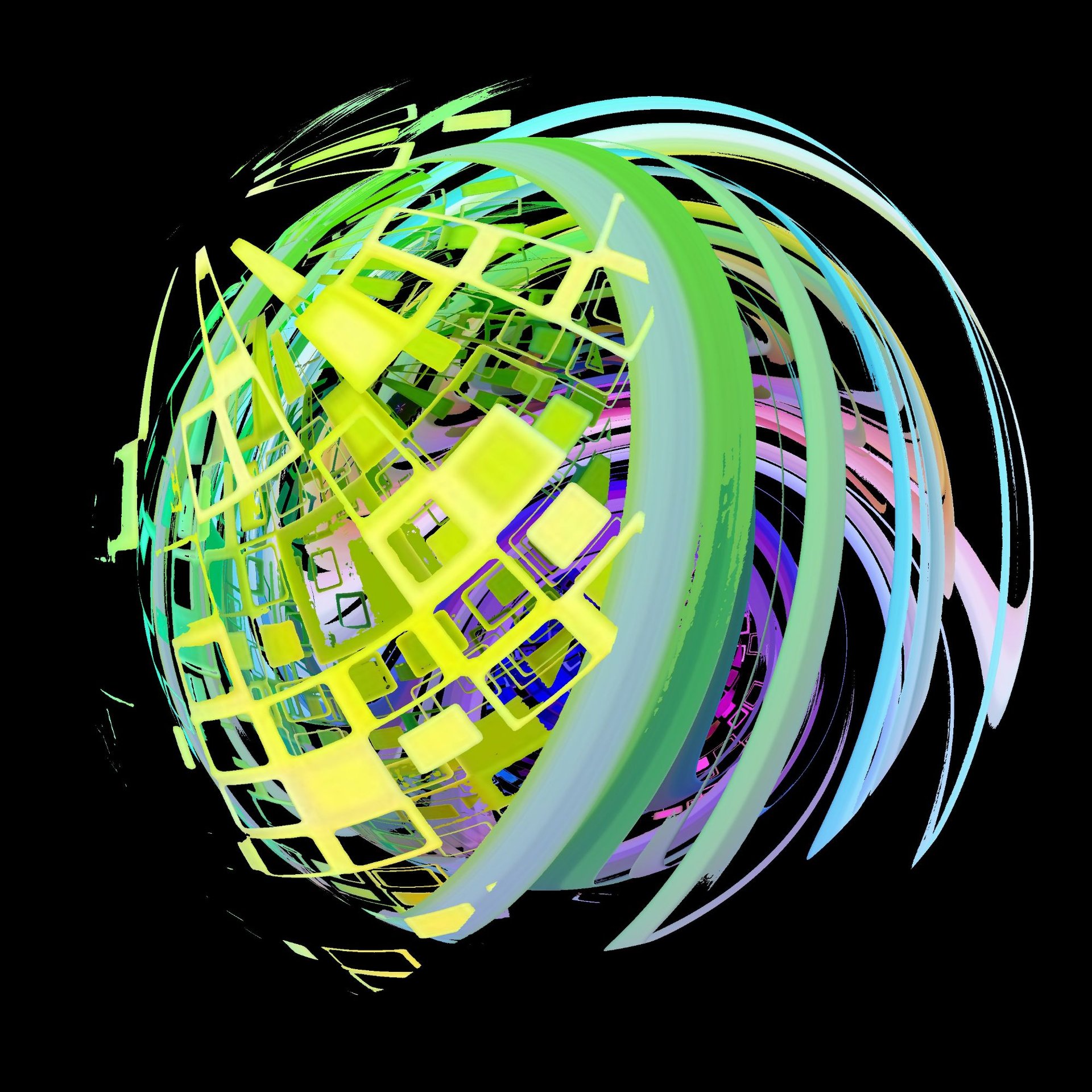
    Digital art is not just a technique, but a new language of expression that challenges the boundaries between the tangible and the virtual. In biobit.online, we believe that each pixel carries an intention and each visual composition is a reflection of our inner journey. This gallery is an invitation to explore the beauty born of the fusion between human creativity and cutting-edge technological tools.

    The Revolution of Digital Aesthetics

    We lived in an era where the screen became the new canvas. Digital art allows unprecedented freedom, where impossible colors and surreal shapes can coexist in perfect harmony. More than aesthetics, these works represent our search for meaning in a world increasingly mediated by algorithms. As we contemplate a digital piece, we are challenged to see beyond the surface and to feel the emotional pulse that resides in the code.

    The Role of Art in Aware Evolution

    Visual expression is a powerful tool of self-knowledge. Through the creation and observation of art, we can access layers of the subconscious that words often do not reach. At BioBit.online, we integrate digital art as a fundamental pillar of our curatorship, understanding that the balance between mind and spirit also goes through the appreciation of beautiful and innovative.

    Conclusion: The Future of Creativity

    The future of art is collaborative and technological. We invite you to dive into our Visual Expression Gallery and discover how artistic sensitivity can transform your perception of digital reality. May each image serve as inspiration for you to also find your own creative voice in this vast universe of bits and colors.

  • Borders of Creativity: The Evolution of Art in the Digital Age

    Borders of Creativity: The Evolution of Art in the Digital Age

    Digital creativity knows no limits when technology becomes an extension of human imagination. In biobit.online, we explore how new tools for design and artificial intelligence are redefining what is possible in the field of visual arts. This gallery is a testament to the constant evolution of our ability to create worlds and sensations through pixels and algorithms.

    Where Technology Find the Soul

    Many question whether digital art has the same depth as traditional art. Our answer lies in the artist's intention: the code is only the modern brush. By expanding the boundaries of creativity, we can express complex concepts about human behavior and the future of our hyperconnected society. Every work presented here is an invitation to reflect on our own identity in an increasingly hybrid universe.

    Innovation as Expression Tool

    Technological innovation should not be seen as an end in itself, but as a means to achieve new forms of beauty and meaning. At BioBit.online, we encourage constant experimentation, believing that the discomfort of the new is the ground where true originality flourishes. Explore these visual pieces and feel like fusion between logic and emotion can transform your worldview.

    Conclusion: The Infinite Horizon

    The boundaries of digital creativity are always moving. We invite you to accompany this journey with us, where art and technology walk together to illuminate the paths of tomorrow. May this gallery inspire you to also challenge your own creative boundaries and find beauty in the complexity of the digital world.

EnglishenEnglishEnglish