
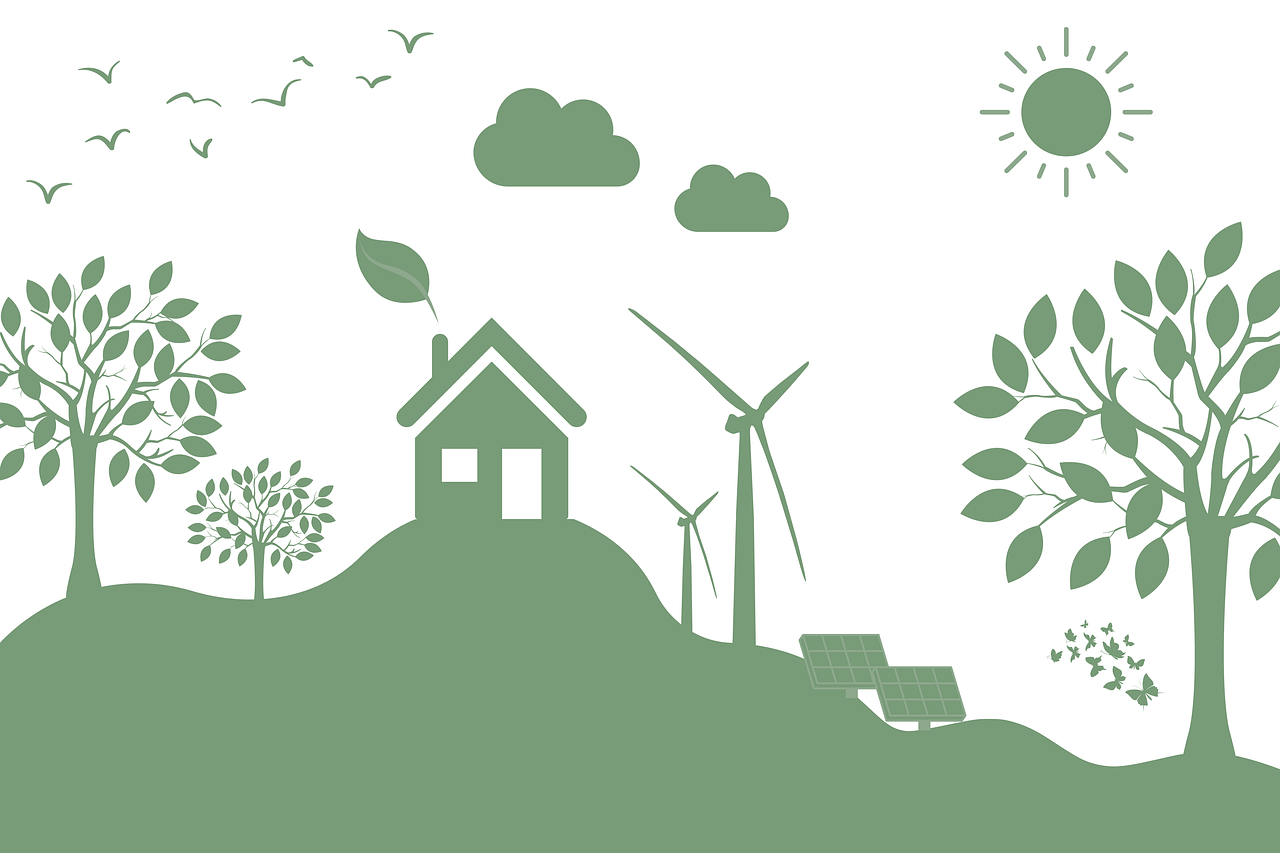
Urban permaculture proves that you do not need a farm to grow food and live sustainablely. The concept of permaculture goes beyond the garden; it is about creating systems that imitate nature, integrating housing, energy and food production. Even in small apartments or backyards, it is possible to apply these principles.
Basic Principles for the City
One of the pillars is the closing of cycles. That means turning what would be garbage into resource. Domestic composting is the best example: food remains have become rich fertilizer for their plants. Another principle is the maximum use of space, using vertical gardens and self-irrigable vessels to optimize production.
Concrete Biodiversity
By cultivating a variety of plants on your balcony, you attract pollinators like bees and butterflies, helping maintain urban biodiversity. In addition, plants help reduce the "heat islands" in cities, making the microclimate of your home much more pleasant.
Community Resilience
Urban permaculture also encourages the creation of community gardens and the exchange of seeds between neighbors. These initiatives strengthen social ties and increase local food security. Starting is simple: choose a plant, understand your needs and observe how nature responds to your care.


Leave a comment