
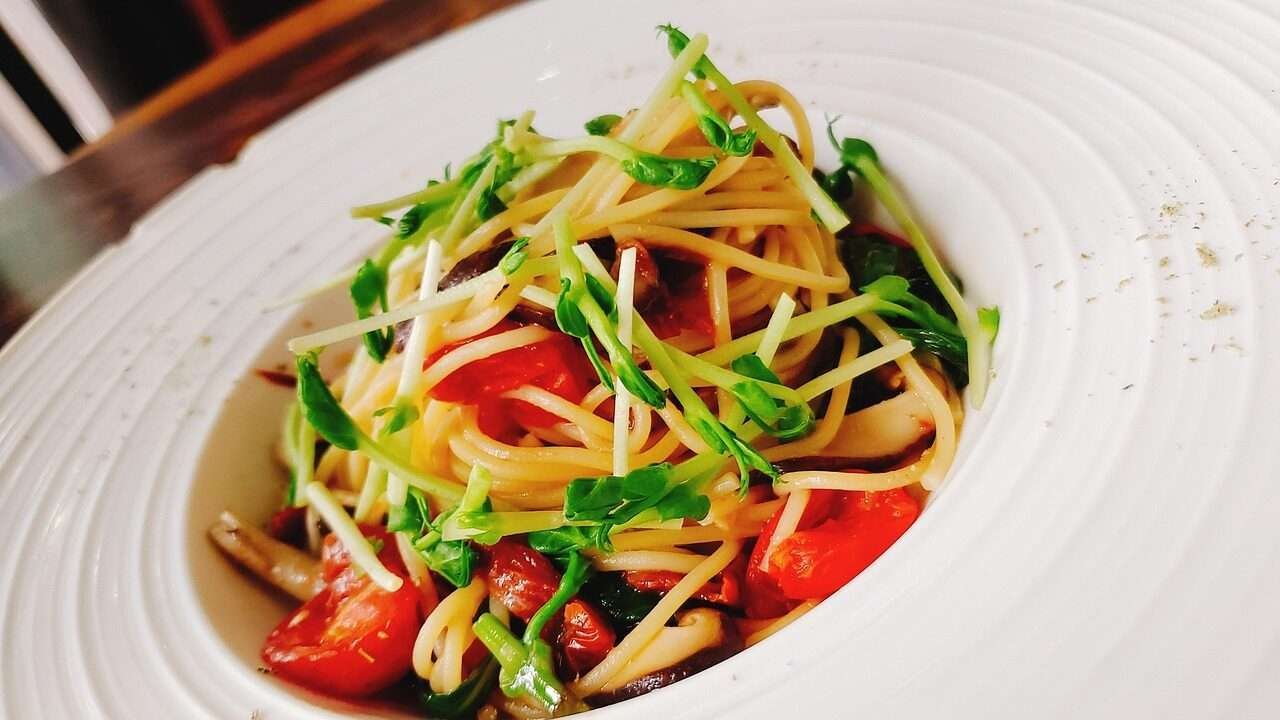
Molecular gastronomy uses principles of chemistry and physics to transform common ingredients into surprising sensory experiences. Spherifications, foams and liquid nitrogen are tools that allow chefs to play with states of matter and intensify flavors.
The Science of Taste
Understanding how molecules react to heat or pressure allows you to create dishes such as "caviar of fruit" or mousses that do not carry eggs. This technical approach not only innovates in aesthetics, but also preserves the organoleptic properties of foods in ways that traditional cuisine often fails.
Demystifying the Technique
Although it seems complex, many concepts of molecular cooking can be applied at home with the use of natural thickeners such as agar-agar. The ultimate goal is always the same: to surprise the palate through the deconstruction of known textures.


Leave a comment