Imagine entering a coffee shop where the waiter, even before you open your mouth, already serves exactly your favorite coffee, at the perfect temperature. Comfortable, huh? Now imagine that this same waiter decides that from today, you only have the right to take infinite variations of that same grain, preventing you from knowing the taste of an exotic tea or a handmade blend from across the world. That's exactly what's happening to our relationship with music.
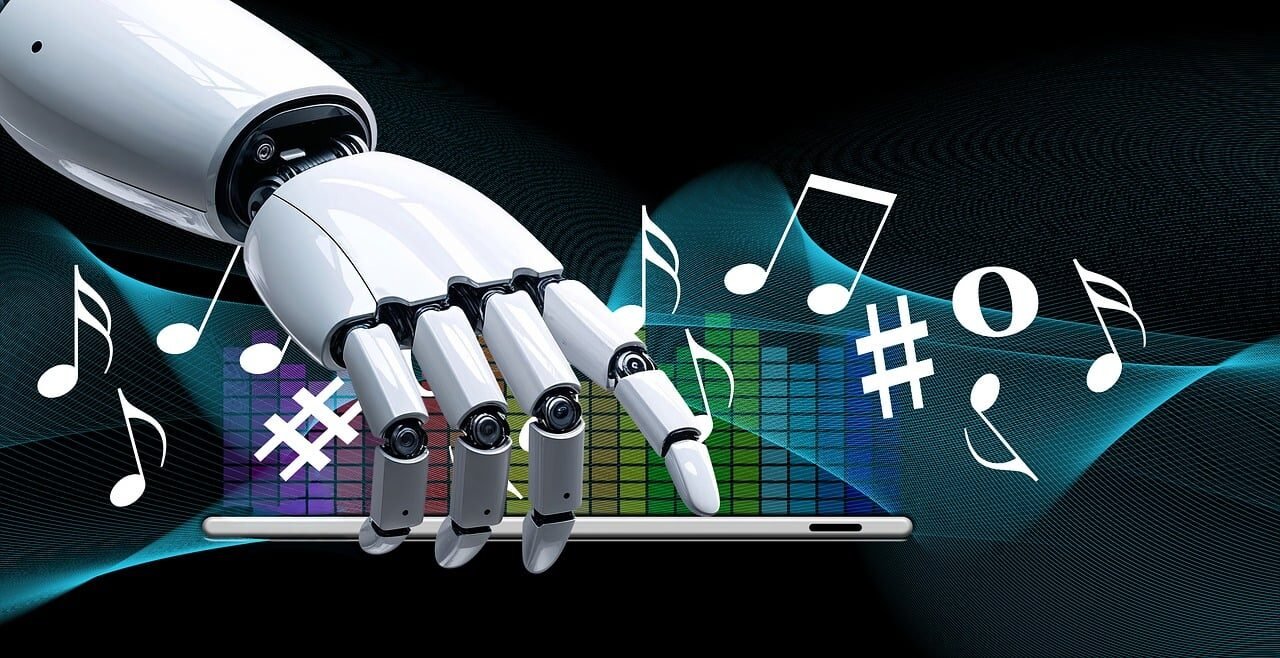
Today, the new generation no longer consumes albums; it consumes vibes. If you are sad, there is a soundtrack to cry in the room; if you are going to train, there is a rhythm millimetrically accelerated for your beats. At the heart of this invisible curatorship are the recommending algorithms of large streaming platforms. They decode our listening habits, map our seconds of attention, and subtly shape what we call "personal taste." The great irony of the era of musical abundance is that, with millions of songs just a click away, our auditory horizons seem to be narrowing into an ultra-personalized mesmice bubble.
This convenience has a high price, paid mainly by those at the bottom of the creative pyramid: independent artists. In the old days, the road to success passed through fanzines, community radios, basement shows and the classic mouth-to-mouth. There was a chaotic, unpredictable human factor in discovery. Today, for an independent artist to exist on the general public's radar, he must first decipher the enigma of the algorithm.
The challenge is Herculean. To be recommended, musicians are subtly pressured to conform to the rules of the digital game. This means creating songs with very short introductions to avoid skip in the first five seconds — a fatal metric that tells the system that the track "is not good" —, repetitive choruses that work well on dance videos and a production that fits perfectly into playlists of "background music". Art, before free to experience and miss, becomes cut not to disturb the ear of the middle listener. The sound of garage, experimentalism and artistic dissent struggle to breathe in an ecosystem that privileges homogeneity.
For the new talents who refuse to enter this assembly line, the feeling is to scream in the space vacuum. Without the initial push of editorial playlists or the favor of platform search engines, the work of months of composition runs the risk of accumulating only a few dozen reproductions. The algorithm creates a feedback cycle where what is already popular becomes even more giant, while the new and the different remain invisible.
However, not everything is dystopia. This algorithmic pressure has also caused a healthy resistance reaction. Attentive artists and listeners begin to rescue the value of human healing. The search for specialized newsletters, channels of content creators that prospect relics outside the commercial circuit and the return of physical media such as vinyl and cassette tape, which require active and ritualistic listening, is growing.
Music has always been a tool of human connection, rebellion and discovery. So that it doesn't just turn into a background noise designed to keep our brains anesthetized, we need to re-educate our curiosity. Drilling the algorithm bubble and actively seeking the unknown is not just supporting the artist independent of his city; it is an act of preserving our own sensitivity and cultural wealth that defines us.
The Dictatorship of Algorithm: How Ready Playlists Mold Our Ears and Silence the Independents.


Leave a comment