It was a mixture of chance, poorly tuned radio and much need for belonging.
In the late 1960 ’ s and early 1970 ’ s, in São Luís, some people began to pick up in short waves Caribbean seasons. Another version of the story says it was sailors and dockers who brought Jamaican Vinis through the port. One way or another, the records have arrived.
The first one was DJ Riba Macedo in 1975. He began playing the parties on the outskirts and the rhythm instantly glued to the black youth of the city. It wasn't just the music. That's what the lyrics said about poverty, racism, resistance, black pride. It sounded like their story, except with another accent.
And then came what really changed everything: the radios.
Inspired by Jamaica's sound systems, they became giant walls of sound boxes with dozens of amplifiers, lights, and a DJ in charge. Names such as the Golden Voice Canarinho of DJ Locksmith, one of the pioneers, became legendary. They dominated the clubs and the street parties. The radio dispute took thousands of people. And every booming song turned into a "melo" or a "stone" – the crowd often didn't even understand English, but baptised the music for the chorus I heard.
The reggae from there also looked different. More romantic, slower, to dance with two, quite different from the original Jamaican swing. Mixed with Bumba My Boi, Creole Drum, capoeira. It became fashion, way to talk, to dress in the colors green, yellow and red, to cut the hair.
For a long time he was marginalized and even repressed by the police, but he became too big to ignore. Today São Luís has over 200 active radiolas, hundreds of bands like the Jah Tribe, radio shows, theme bars. In 2018 the city inaugurated the Reggae Museum of Maranhão, the first outside Jamaica and the second in the world, and officially won the Reggae National Capital title.
That's why the nickname got so strong. As the director of the Museum said, Ademar Danilo: the reggae is Jamaican, of course, but it is also Maranhense now. It didn't come as a foreign invader, it came as a brother who was born elsewhere.
Tag: music
-
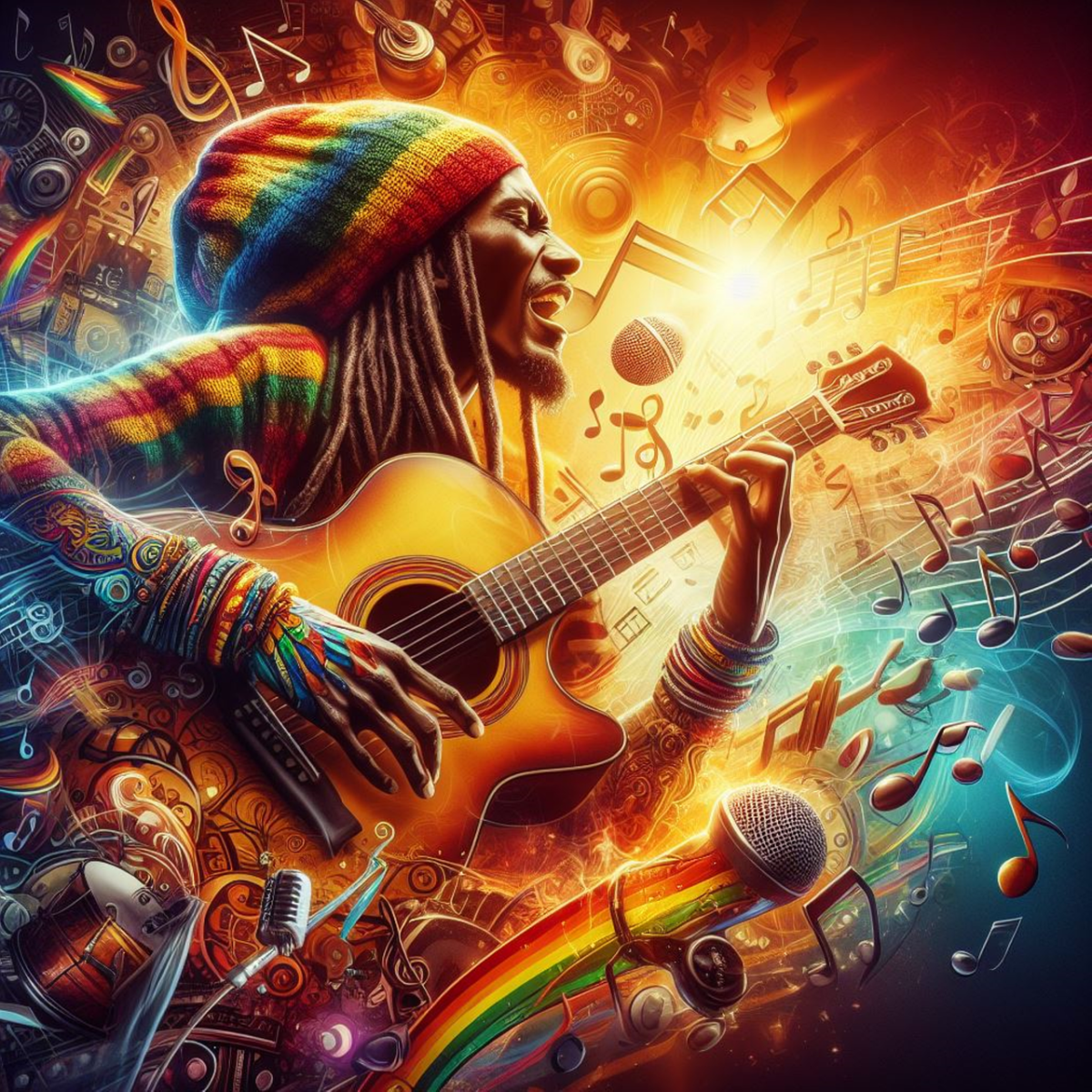
Like Maranhão, Brazil became Brazilian Jamaica
-
The Dictatorship of Algorithm: How Ready Playlists Mold Our Ears and Silence the Independents.
Imagine entering a coffee shop where the waiter, even before you open your mouth, already serves exactly your favorite coffee, at the perfect temperature. Comfortable, huh? Now imagine that this same waiter decides that from today, you only have the right to take infinite variations of that same grain, preventing you from knowing the taste of an exotic tea or a handmade blend from across the world. That's exactly what's happening to our relationship with music.
Today, the new generation no longer consumes albums; it consumes vibes. If you are sad, there is a soundtrack to cry in the room; if you are going to train, there is a rhythm millimetrically accelerated for your beats. At the heart of this invisible curatorship are the recommending algorithms of large streaming platforms. They decode our listening habits, map our seconds of attention, and subtly shape what we call "personal taste." The great irony of the era of musical abundance is that, with millions of songs just a click away, our auditory horizons seem to be narrowing into an ultra-personalized mesmice bubble.
This convenience has a high price, paid mainly by those at the bottom of the creative pyramid: independent artists. In the old days, the road to success passed through fanzines, community radios, basement shows and the classic mouth-to-mouth. There was a chaotic, unpredictable human factor in discovery. Today, for an independent artist to exist on the general public's radar, he must first decipher the enigma of the algorithm.
The challenge is Herculean. To be recommended, musicians are subtly pressured to conform to the rules of the digital game. This means creating songs with very short introductions to avoid skip in the first five seconds — a fatal metric that tells the system that the track "is not good" —, repetitive choruses that work well on dance videos and a production that fits perfectly into playlists of "background music". Art, before free to experience and miss, becomes cut not to disturb the ear of the middle listener. The sound of garage, experimentalism and artistic dissent struggle to breathe in an ecosystem that privileges homogeneity.
For the new talents who refuse to enter this assembly line, the feeling is to scream in the space vacuum. Without the initial push of editorial playlists or the favor of platform search engines, the work of months of composition runs the risk of accumulating only a few dozen reproductions. The algorithm creates a feedback cycle where what is already popular becomes even more giant, while the new and the different remain invisible.
However, not everything is dystopia. This algorithmic pressure has also caused a healthy resistance reaction. Attentive artists and listeners begin to rescue the value of human healing. The search for specialized newsletters, channels of content creators that prospect relics outside the commercial circuit and the return of physical media such as vinyl and cassette tape, which require active and ritualistic listening, is growing.
Music has always been a tool of human connection, rebellion and discovery. So that it doesn't just turn into a background noise designed to keep our brains anesthetized, we need to re-educate our curiosity. Drilling the algorithm bubble and actively seeking the unknown is not just supporting the artist independent of his city; it is an act of preserving our own sensitivity and cultural wealth that defines us. -
BioBit Music: A Harmonia entre Som, Tecnologia e Consciência
A música é a pulsação invisível que conecta a tecnologia à alma humana. No BioBit Music, exploramos sonoridades que transcendem o digital, criando experiências auditivas que convidam à introspecção e ao despertar da consciência. “Everything in You” é mais do que uma composição; é um manifesto sonoro sobre a totalidade do ser e a harmonia que reside em cada um de nós.
A Frequência da Evolução
Acreditamos que o som tem o poder de moldar a nossa realidade interna. Em um mundo saturado de ruído, a música autoral do BioBit busca oferecer um refúgio de clareza e inspiração. Cada nota é cuidadosamente tecida para ressoar com as frequências do crescimento pessoal e da inovação criativa, servindo como trilha sonora para a sua jornada de transformação digital e humana.
Onde o Ritmo Encontra o Código
A produção musical contemporânea é o exemplo perfeito da simbiose entre homem e máquina. No BioBit.online, utilizamos as ferramentas tecnológicas mais avançadas para dar voz a emoções ancestrais. Esta intersecção nos permite criar texturas sonoras únicas, onde a precisão do algoritmo encontra a imperfeição orgânica do sentimento humano, resultando em uma arte que é, ao mesmo tempo, futurista e profundamente autêntica.
Conclusão: Ouça a Sua Essência
Convidamos você a fechar os olhos e mergulhar nesta experiência sonora. Deixe que as vibrações de “Everything in You” guiem seus pensamentos e despertem a sua criatividade. Acompanhe o BioBit Music para descobrir novas composições que continuarão a explorar os limites do som e da consciência.
-
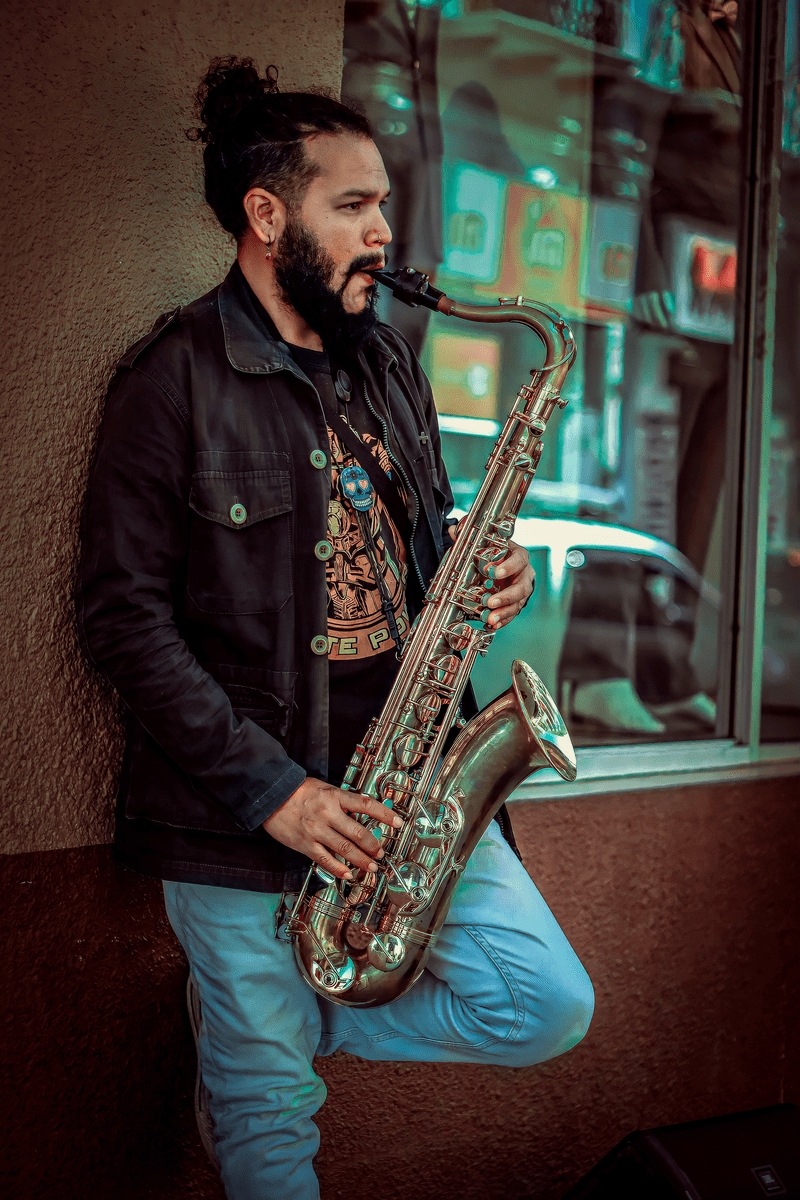
The Soul Mirror: What Your Secret Songs Reveal About You.
Music has an almost magical power to shape itself to our deepest feelings. In everyday life, we are constantly bombarded by background sounds: the generic melody that echoes in the elevator, the ambient pace of the supermarket or that accelerated beat that serves only to dictate the pace of the steps during a race. But these urban noises say very little about who we really are. The real connection happens in silence, at that exact moment when alone, one chooses the soundtrack itself. What you hear when there is no one else around is not just entertainment; it is a portal to uncover what the playlists reveal about deeper feelings, memories and the unconscious itself.
More than distraction, the songs eventually become a kind of translation into emotional life. Playlists are created for travel, to overcome relationships or to achieve moments of extreme concentration. A curiosity of the present times is that streaming algorithms seem to have understood, before ourselves, that the human mind is made of repetition. Even if technology does not decipher the totality of human complexity, it certainly knows a lot about emotional cycles and affective patterns that guide choices in times of vulnerability. Each click on play works as a subtle diagnosis of the current state of mind.
There is a fascinating dynamic in the musical wardrobe that is carried throughout life. Some songs disappear quickly, like summer passions that lose meaning over the months. However, others remain for decades. They survive city changes, jobs, friendship circles and even identity. They're still there, intact, functioning as emotional anchors. When happiness overflows, the right music functions as an amplifier that illuminates the environment. Already in the days of melancholy, certain melodies seem to offer an invisible embrace, validating pains that words cannot explain. There are also chords that arouse passion, accelerating the chest, and nostalgic rhythms that operate as time machines, transporting the mind instantly to an era, a aroma or an affection that physical time has already left behind.
The music that is sought in the intimacy of isolation is the most sincere reflection of identity. She acts like a secret diary, keeping secrets you don't have the courage to say out loud. In the end, deciphering this lonely soundtrack is the shortest way to understand its essence and to welcome everything that pulses from the inside. -

Music has an almost magical power to shape itself to our deepest feelings.
No dia a dia, somos constantemente bombardeados por sons de fundo: a melodia genérica que ecoa no elevador, o ritmo ambiente do supermercado ou aquela batida acelerada que serve apenas para ditar o passo durante uma corrida. Mas esses ruídos urbanos dizem muito pouco sobre quem realmente somos. A verdadeira conexão acontece no silêncio, naquele momento exato em que você se pega sozinha e decide escolher a própria trilha sonora.
O que você escuta quando não há mais ninguém por perto? Não se trata apenas de preencher o vazio do ambiente, mas de encontrar um espelho para a alma. Existe uma canção específica para cada estado de espírito, um porto seguro sonoro para onde corremos quando o mundo exterior fica barulhento demais.
Quando a felicidade transborda, a música certa funciona como um amplificador, transformando o quarto em uma pista de dança particular e fazendo os dias parecerem mais brilhantes. Já nos dias de melancolia, quando a tristeza aperta, certas melodias parecem nos abraçar, validando nossas dores de um jeito que as palavras muitas vezes não conseguem. Há também os acordes que despertam a paixão, capazes de fazer o coração acelerar no ritmo da bateria, e aqueles acordes nostálgicos que servem como uma verdadeira máquina do tempo, nos transportando instantaneamente para uma época, um cheiro ou um abraço que o tempo já levou.
A música que escolhemos quando estamos a sós é o nosso segredo mais bonito. Ela é o reflexo da nossa identidade, um refúgio íntimo onde não precisamos fingir nada. No fim das contas, a sua trilha sonora solitária é a tradução mais sincera das suas próprias emoções.