Blog

  • Analogical Renaissance in the Digital Age: Vinyl and Synthesizers Vintage

    Analogical Renaissance in the Digital Age: Vinyl and Synthesizers Vintage

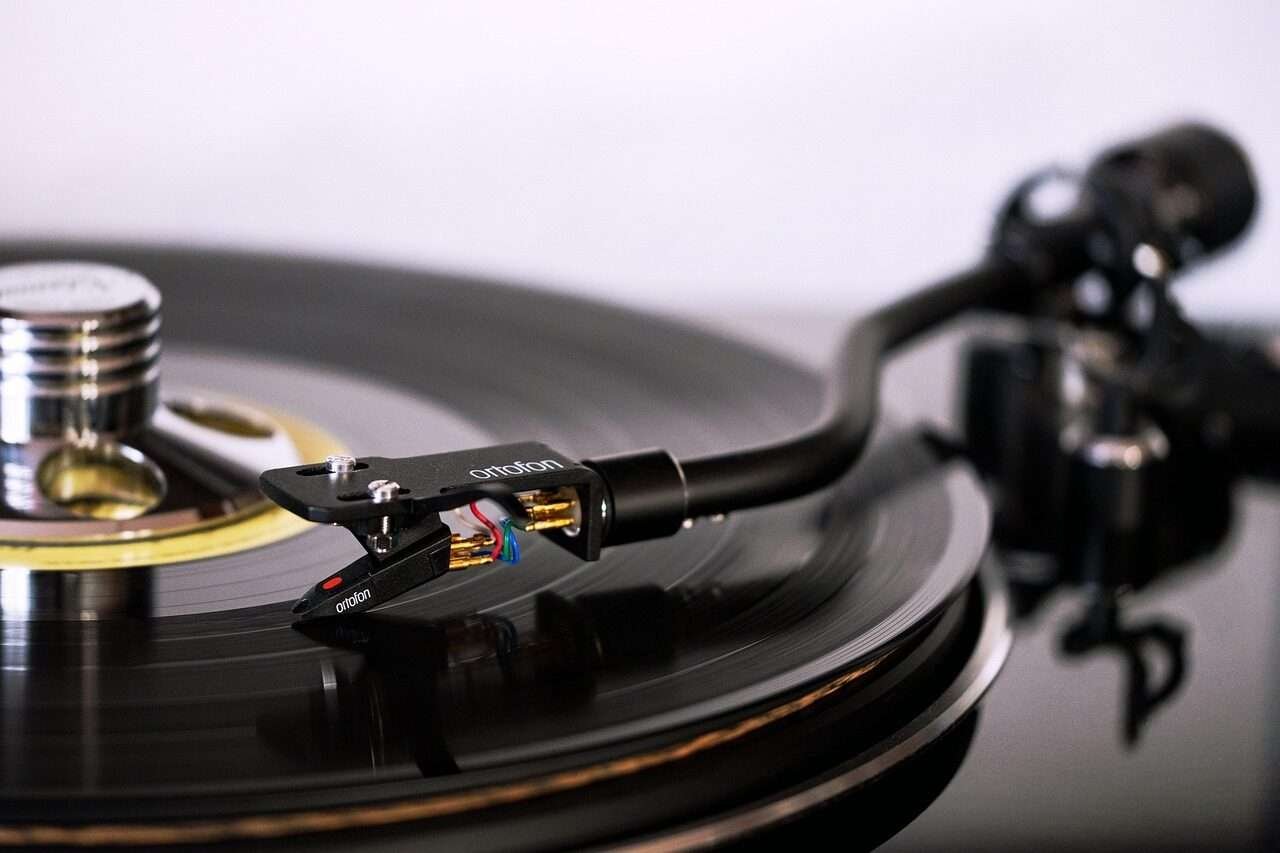
    Despite the digital domain, we are experiencing a rebirth of analog audio. The triumphal return of vinyl discs and the appreciation of vintage synthesizers show that listeners still seek the texture and heat that only physical hardware can provide.

    The Charm of the Perfect

    In a world of digital perfection, the light squeak of vinyl and the nuances of a valved amplifier offer an organic experience. Many modern producers use hybrid techniques, digitally recording but passing sound through analog equipment to gain "color" and character.

    Technology to Sound Service

    New Windows with Bluetooth connectivity and modern high-fi sound systems unite the best of both worlds. The current technology allows to preserve the sound aesthetics of the past with the convenience and accuracy of the present.

  • The Age of Streaming: How Algorithms Mold Their Ears

    The Age of Streaming: How Algorithms Mold Their Ears

    streaming has forever changed the way we discover and consume music. At the heart of this revolution are the recommendation algorithms, which analyze billions of data to create custom playlists that seem to read the mind of the listener.

    The Science of Discovery

    Through machine learning, platforms identify subtle connections between genres and artists. This allows independent musicians to reach specific audiences anywhere in the world, breaking the barriers of old traditional record companies.

    The Challenge of Attention

    While facilitating access, the streaming model imposes the challenge of ephemerality. With such an offer, artists need to find innovative ways to engage their fans and create deep connections that go beyond a simple play on a random playlist.

  • Online Literary Communities: The BookTok Phenomenon and Beyond

    Online Literary Communities: The BookTok Phenomenon and Beyond

    Social media has created new literary phenomena, such as "BookTok" and "Bookstagram". These digital communities have the power to turn unknown books into global bestsellers overnight, changing the marketing dynamics of publishers.

    Communities of Readers

    Sharing video reviews and aesthetic photos of books has created a new engagement, especially among young audiences. Reading, often seen as a solitary activity, has become a vibrant and connected social experience.

    New Ways to Narrat

    Authors now interact directly with their readers, creating extra content and participating in online discussions. This proximity humanizes the literary process and creates a faithful and participatory fan base.

  • Why Read Classics in a World of Algorithms?

    Why Read Classics in a World of Algorithms?

    Classical literature continues to resonate in the age of algorithms because it addresses the essence of the human condition. Shakespeare, Machado de Assis and Virginia Woolf offer insights into emotions and dilemmas that remain unchanged, regardless of the technology available.

    Dialogue Between Times

    Reading the classics today is establishing a dialogue with the past to understand the present. Many ancient works gain new layers of interpretation when analyzed from the perspective of digital society and new social configurations.

    Resistance and Depth

    In a world of quick and ephemeral content, immersion in a classic is an exercise of attention and depth. These works invite us to slow down and reflect, functioning as an antidote necessary to the superficiality of the information age.

  • Scientific fiction: Literature That Anticipates the Future

    Scientific fiction: Literature That Anticipates the Future

    Science fiction has always been a mirror of our hopes and fears for the technological future. From Isaac Asimov to William Gibson, authors of the genre anticipated innovations that are now part of our daily lives, such as the Internet and robotics.

    Anticipating Realities

    Literature often serves as an ethical testing field for new technologies. In reading about future societies, we are led to reflect on the impact of our current technological choices and how they will shape humanity in the coming generations.

    Gender as Critical Tool

    More than entertainment, contemporary science fiction addresses topics such as climate change, digital surveillance and transhumanism. It is an essential reading for those who want to understand the complexities of the modern world and the challenges to come.

  • Literature and AI: How Technology Is Redefining Writing

    Literature and AI: How Technology Is Redefining Writing

    Artificial intelligence is transforming the way we consume and produce literature. From algorithms that suggest your next favorite reading to tools that help writers in the creative process, technology has become a powerful ally in the universe of letters.

    Collaborative Writing with AI

    Contemporary writers are using language models to overcome creative blocking and explore new narrative structures. The AI does not replace the author, but acts as a co-pilot that offers infinite possibilities of unfolding to a plot.

    The Future of Digital Libraries

    With mass digitization, access to world rare and classic works became instantaneous. The algorithmic curatorship helps to discover literary pearls that would once be hidden on physical shelves, democratizing knowledge in an unprecedented way.

  • The Audiobooks and E-books Revolution in the Digital Age

    The Audiobooks and E-books Revolution in the Digital Age

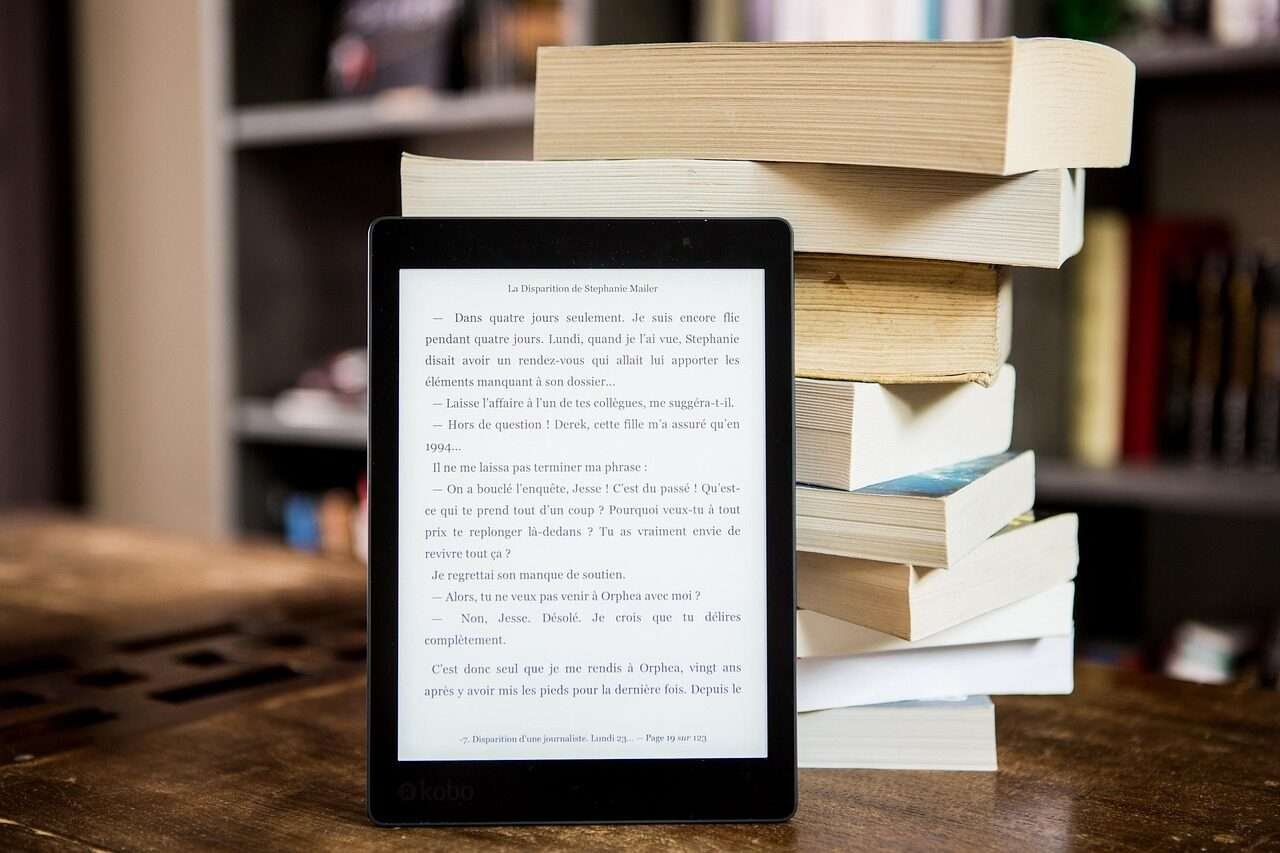
    Audiobooks and e-books radically changed the reading experience in the 21st century. The portability and accessibility of these formats allow the literature to be present at times of routine where it would be impossible to read before, as in traffic or during physical activities.

    Accessibility and Inclusion

    For people with visual impairment or dyslexia, digital books and audiobooks represent a revolution in literary inclusion. Source adjustment tools and professional narrations ensure that the pleasure of a good story is accessible to everyone.

    Sustainability in the Editorial Market

    The reduction in the use of paper and logistics costs makes digital format a more sustainable and economical option. The editorial market moves towards a hybrid model, where digital and physical coexist to meet different readers' profiles.

  • Superfoods of the Future: Nutrition and Sustainability

    Superfoods of the Future: Nutrition and Sustainability

    With the increase of the global population, the search for efficient and sustainable nutrition sources has become a priority. Superfoods such as algae, processed insects and laboratory-grown meats are emerging as viable solutions to feed the world without exhausting the planet's resources.

    Algae: The Power of the Ocean

    Microalgae, such as spirulina, are dense in nutrients and require very little water for cultivation. They are already used in supplements and begin to integrate pasta and beverages, offering a complete profile of amino acids with minimal environmental impact.

    Alternative Proteins

    Precision fermentation technology and cell agriculture are allowing the creation of proteins identical to animals, but without the need for livestock farming. These advances promise to revolutionize the food industry in the next decade, uniting ethics and high nutrition.

  • Molecular Gastronomy: Science Behind Tastes

    Molecular Gastronomy: Science Behind Tastes

    Molecular gastronomy uses principles of chemistry and physics to transform common ingredients into surprising sensory experiences. Spherifications, foams and liquid nitrogen are tools that allow chefs to play with states of matter and intensify flavors.

    The Science of Taste

    Understanding how molecules react to heat or pressure allows you to create dishes such as "caviar of fruit" or mousses that do not carry eggs. This technical approach not only innovates in aesthetics, but also preserves the organoleptic properties of foods in ways that traditional cuisine often fails.

    Demystifying the Technique

    Although it seems complex, many concepts of molecular cooking can be applied at home with the use of natural thickeners such as agar-agar. The ultimate goal is always the same: to surprise the palate through the deconstruction of known textures.

  • Smart Urban Gardens: Cultivating with Technology

    Smart Urban Gardens: Cultivating with Technology

    Living in large urban centers is no longer an excuse for no fresh food. Smart urban gardens use automation systems, moisture sensors and LED lighting controlled by applications to ensure that your herbs and vegetables grow perfect even in small apartments.

    Automation and Practicality

    Hydroponic systems connected to Wi-Fi warn when it is time to replenish water or nutrients. This eliminates human error and optimizes plant growth, allowing a continuous harvest of organic spices and free of pesticides directly from your balcony or kitchen.

    Benefits for the Ecosystem

    In addition to their own consumption, these gardens help reduce the carbon footprint of food transport and improve the residential microclimate. It is technology serving as a bridge to a lifestyle more connected with nature and self-sustaining.

  • Residential Management Apps for Waste Reduction

    Residential Management Apps for Waste Reduction

    Food waste is one of the biggest global problems, but technology is helping to fight it indoors. New pantry management applications use artificial intelligence to monitor validity and suggest recipes based on what you already have in the fridge.

    Intelligent Inventory

    When scanning tax notes or barcodes, these apps create a digital list of your products. They send notifications before an item ruins, encouraging conscious consumption and generating a significant savings in the family's monthly budget.

    Enjoying Kitchen

    In addition to control, many platforms connect users to food sharing communities or offer guides on how to enjoy stalks and shells in gourmet dishes. It is digitization turning the kitchen into an environment of efficiency and respect for the environment.

  • Food 3D Printing: The Future in Your Kitchen

    Food 3D Printing: The Future in Your Kitchen

    Food 3D printing is no longer science fiction to become a reality in professional kitchens and innovation laboratories. This technology allows you to create complex textures and customize nutrition accurately, using "tints" made of fresh ingredients and mashed potatoes.

    Nutritional Customization

    One of the greatest benefits is the ability to adjust the exact amount of vitamins, proteins and calories in each dish. This is especially relevant for hospital diets or high-performance athletes, where each gram of nutrient counts for performance and recovery.

    Sustainability and Design

    In addition to health, 3D printing reduces waste by using only the required amount of raw material. In high gastronomy, chefs use the technique to create geometric shapes impossible to be done manually, raising the visual experience of dinner to a new artistic level.

EnglishenEnglishEnglish