Keeping anger, sorrow and resentment is like taking poison waiting for the other person to die. This phrase, though hard, perfectly illustrates the trap we put ourselves in when we insist on feeding negative feelings. Without realizing it, we turned our breasts into an eternal court, where we revived the error of others repeatedly, perpetuating our own suffering. These emotions function as invisible currents that keep us chained to the past, preventing us from walking towards the future and enjoying the lightness of the present.
Getting rid of that weight does not mean that what happened was right, acceptable or fair. There is a great myth that forgiveness and emotional detachment are synonymous with weakness or condescension with the error of the other. In fact, it is exactly the opposite: it is the summit of personal strength. Detaching from pain is not amnesia, it is not forgetting the historical fact of what happened, but removing the electrical and emotional load that memory carries. It's looking at yesterday and realizing that the scar is there, but that it doesn't bleed anymore.
When we choose the path of forgiveness, we are making a strictly strategic and personal decision. We don't do it for each other, we do it for ourselves. To forgive is not to justify the attitude of those who have hurt us, nor to restore a relationship with those who have broken our trust; to forgive is simply to decide that the error of others will no longer have the power to control our mood, our peace of mind and our destiny. It is to take back the reins of life itself.
The detachment of negative feelings is, above all, a form of deep self-care. It is to understand that our mental and emotional energy is a limited and precious resource too much to be spent on who or what has already passed.
Unlocking the Nodes of Resentment
To begin the cleaning process of these emotional toxins, we need to change the way we deal with our own pain:
Validate what you felt, but do not live in pain: Feeling anger or sadness at the moment of breaking expectation is human and healthy. The danger lies in transforming the visit of feeling into permanent housing.
Change the focus of the narrative: While sorrow focuses on "why did you do this to me?", detachment focuses on "what do I do now with my own life?". The question changes the role of victim to protagonist.
Breaks the cycle of mental repetition: Every time we revisit the story to suffer again, the brain processes the pain as if it were happening now. Cutting this obsessive flow is a daily exercise of kindness to yourself.
The Relief of a Free Soul
Emotional detachment brings with it a feeling of inner space that was once entirely occupied by the noise of indignation. When we stop carrying the pain over and over again, the body relaxes, the thoughts light up and life regains more vivid colors.
Life is too short to be the jailers of our own sorrows. When we opened our hands and released the resentment, we discovered that the key to the cell was always on our insides. Cutting off these invisible chains is the greatest gift you can give yourself: the freedom to walk the world with a light heart, protected by the shield of self-love and with the arms fully open to all the good that the present has to offer.
Tag: Well Being
-

Invisible Currents: Emotional Disengagement as the Deepest Self-Care Act.
-

People Who Pass, Lessons Who Stand: The Wisdom of Letting Go.
Uma das maiores ilusões que alimentamos ao longo da vida é a de que as relações humanas foram feitas para durar para sempre. Crescemos ouvindo promessas de eternidade e, inconscientemente, passamos a encarar o término de um ciclo — seja uma amizade que esfriou, um romance que chegou ao fim ou uma parceria de trabalho que se desfez — como um sinônimo de fracasso. No entanto, a própria natureza nos mostra que a vida é feita de estações. Nem todas as pessoas que cruzam o nosso caminho foram destinadas a permanecer em nossas vidas, e compreender isso é o primeiro passo para alcançar a maturidade emocional.
Cada indivíduo que entra na nossa história desempenha um papel único e específico em nossa evolução. Algumas pessoas vêm como verdadeiras professoras: desafiam nossos limites, testam nossa paciência e nos obrigam a olhar para nossas próprias feridas, deixando lições profundas que moldam quem nos tornamos. Outras chegam como portos seguros, destinadas a compartilhar momentos de pura alegria, leveza e cumplicidade durante uma fase específica da jornada. E há também aquelas que simplesmente passam de forma breve, como um sopro, sem um motivo aparente no momento, mas que de alguma forma alteram o nosso curso.
O sofrimento e a dor desnecessária começam quando tentamos forçar a permanência de alguém cujo papel na nossa história já foi cumprido. Apegar-se à ideia de que um relacionamento deveria durar para sempre é como tentar reter a água entre os dedos: gera frustração, cansaço e, muitas vezes, ressentimento. Quando não aceitamos o fim de um ciclo, transformamos o que foi bonito em um fardo pesado de cobranças e expectativas frustradas.
O desapego saudável não tem a ver com frieza ou falta de amor. Pelo contrário, trata-se de um amor generoso o suficiente para entender que cada um tem o seu próprio mapa de navegação. É a capacidade de olhar para a história que foi escrita, reconhecer o seu valor e ter a coragem de fechar o livro quando o capítulo chega ao fim.
A Geometria dos Encontros e Partidas
Para construir uma postura mais leve diante das idas e vindas da vida, vale a pena internalizar três verdades fundamentais sobre os relacionamentos humanos:
A utilidade do tempo não define o valor do laço: Uma conexão que durou alguns meses pode ter sido tão transformadora e genuína quanto uma amizade de décadas. A intensidade e o aprendizado não dependem do relógio.
O encerramento é um processo natural: Assim como as árvores deixam cair suas folhas no outono para sobreviver ao inverno e florescer na primavera, nós também precisamos nos desvencilhar de laços que já não têm vida para podermos continuar crescendo.
A gratidão substitui a mágoa: Quando entendemos que a partida do outro não é uma rejeição ao nosso valor, mas apenas o curso natural da vida dele, o ressentimento perde a força. Em vez de perguntar “por que acabou?”, passamos a agradecer pelo que foi vivido.
Seguir em Frente com o Coração Leve
Praticar esse desapego consciente nos liberta da necessidade de buscar culpados para os encerramentos. Nem tudo precisa de um grande drama ou de uma discussão final; às vezes, as distâncias simplesmente acontecem porque os caminhos mudaram de direção.
Cada pessoa que passa por nós deixa um rastro de si e leva um pedaço de nós. No final das contas, o que realmente importa não é o tempo que alguém passou ao nosso lado, mas a transformação que essa presença causou em nosso interior. Sabendo que cada encontro tem sua razão de ser — e que cada partida também abre espaço para o novo —, podemos seguir em frente de cabeça erguida, com o coração limpo e a alma leve, prontos para os próximos capítulos que a vida insistirá em escrever. -

The Invisible Weight of Attachment: When you let go, it's the only way back to breathe.
O Peso Invisível do Apego: Quando Soltar é o Único Caminho para Voltar a Respirar
Caminhar pela vida deveria ser uma jornada de descoberta e leveza, mas, para a maioria de nós, o trajeto costuma ser surpreendentemente exaustivo. Muitas vezes, acordamos cansados, sentimos a mente sobrecarregada e experimentamos uma estagnação que não sabemos bem de onde vem. Olhamos ao redor e tudo parece em ordem, mas, no íntimo, o cansaço persiste. A verdade é que a maioria de nós carrega uma bagagem excessiva, composta por fardos invisíveis que insistimos em arrastar dia após dia, sem perceber o preço alto que pagamos por essa persistência.
Esse peso silencioso atende pelo nome de apego. Ele se manifesta de formas sutis, camuflado naquelas lembranças de amores que já não deram certo, mas que ainda visitamos em noites de nostalgia. Ele mora nas mágoas antigas que guardamos no fundo do peito, ressentimentos que já perderam a razão de existir, mas que continuamos alimentando como se fossem preciosos. O apego também se materializa nas nossas casas, em armários cheios de objetos que perderam a função, papéis velhos e roupas que não nos servem mais, mas que retemos pelo medo ilusório da escassez.
Sem que a gente note, cada uma dessas coisas atua como um âncora energética. Manter conexões com o que já morreu ou acumular o que não tem utilidade suga a nossa vitalidade, bloqueia a nossa criatividade e nos impede de crescer. É impossível abraçar o presente ou estender as mãos para o futuro quando os nossos braços estão ocupados demais segurando os escombros do passado. O apego nos mantém aprisionados em uma versão de nós mesmos que já não existe mais.
O desapego não é perda, é alívio. Existe um mito romântico de que resistir e aguentar firme é sinônimo de força. Mas a verdadeira coragem reside em saber a hora de abrir as mãos.
A Anatomia do Desapego
Quando finalmente tomamos a decisão de soltar aquilo que nos prende, experimentamos um fenômeno impressionante: percebemos o quanto era dolorosamente pesado aquilo que segurávamos com tanta força. É apenas no momento da entrega que nos damos conta do tamanho do esforço que fazíamos para manter as ilusões de pé.
A libertação emocional: Perdoar e esquecer velhas ofensas não limpa o erro do outro, mas esvazia o seu próprio peito de um veneno diário.
A renovação do espaço: Descartar ou doar o que está parado faz a energia da casa voltar a circular, trazendo uma clareza mental imediata.
O resgate do presente: Parar de stalkear o passado abre os olhos para as oportunidades e pessoas incríveis que estão exatamente diante de nós agora.
O Primeiro Suspiro de Liberdade
Aprender a soltar é um processo que exige gentileza consigo mesmo, mas também firmeza. Não se trata de esquecer a própria história ou de agir com indiferença diante das memórias, mas de compreender que a vida é um fluxo contínuo. Tudo o que chega tem o seu tempo de permanência e a sua função de aprendizado; forçar a estadia de algo que já cumpriu seu papel é gerar sofrimento desnecessário.
Deixar ir é, acima de tudo, um ato de profunda autoconfiança. É acreditar que você é forte o suficiente para recomeçar e que o universo trará novas histórias, sentimentos e propósitos para preencher os espaços vazios. No instante em que você desiste de controlar o que já passou, a rigidez do peito se desfaz. O desapego opera esse milagre silencioso: é como puxar o ar e respirar fundo, de verdade, depois de passar muito tempo sufocado. -

The Art of Release: Disappropriation as a Way to True Liberation.
We live in a culture that teaches us from a very early age to accumulate. We collect objects, stack expectations and try, at all costs, to retain people and moments as if we were able to freeze time. We were conditioned to believe that security resides in possession and that control is our greatest shield against suffering. However, what we often call protection is actually an invisible trap. True peace is not born of what we can hold, but of our ability to let go.
Practicing detachment does not in any way mean embracing indifference or ceasing to love. On the contrary. Disengagement is the ultimate expression of a mature love, one who understands that love is not possessing. When we condition our happiness and our emotional stability to what is outside of us — whether a relationship, a professional status or a material good —We put ourselves in a position of extreme vulnerability. We stand at the mercy of the tides of life, forgetting that the only constant in the universe is change.
The Invisible Weight of Attachment
Excessive attachment operates under the illusion that we can control the uncontrollable. When we desperately cling to ancient dynamics, past sorrows or idealizations about the future, we create a mental rigidity that chokes us. It's like trying to carry too much heavy baggage on a long walk: tiredness is inevitable and the horizon is no longer used.
The detachment is to understand and accept impermanence. Everything in the physical and emotional world is transient. People follow their own paths, priorities change, objects lose their usefulness and feelings change color. Accepting this fluidity is not an act of withdrawal, but of deep wisdom and respect for the natural flow of life.
Opening Space for the New
When we have the courage to open our hands and release what no longer serves us, something extraordinary happens: we create space.
Mental space: We relieve the mind of the obsessive flow of control and anxiety for tomorrow.
Emotional space: We allow the emergence of healthier relationships, based on mutual freedom and not on dependence or fear of loneliness.
Physical and practical space: We open the way for new experiences, opportunities and connections to enter our lives.
Looking at detachment as a liberation completely changes our perspective. We stop focusing on what we are "losing" and begin to celebrate what we are gaining: lightness, autonomy and a peace of mind that does not depend on external factors.
A Lighter Life
Cultivating detachment is a subtle daily exercise. It is to silence the ego that wants to dominate and give voice to the soul that knows how to trust. By embracing the transience of things, we start to value the present moment with much more intensity, because we know that it is unique.
Ultimately, letting go is an act of deep self-confidence. It is to look inside and realize that the security we seek so much in the outside world already resides in ourselves. It is walking through the world empty-handed, but with a full heart and ready to fly. -

I release him.
O desapego não significa deixar de amar, mas aprender a amar sem a necessidade de possuir. Muitas vezes, acreditamos que manter pessoas, coisas e sentimentos ao nosso redor é o que nos dá segurança, mas na realidade, é o oposto: quando dependemos do que está fora de nós para sentir paz, ficamos vulneráveis. O desapego é compreender que tudo é transitório. Pessoas seguem seus caminhos, objetos perdem a utilidade, emoções mudam. Ao praticar o desapego, abrimos espaço para novas experiências, relações mais saudáveis e uma vida mais leve. -
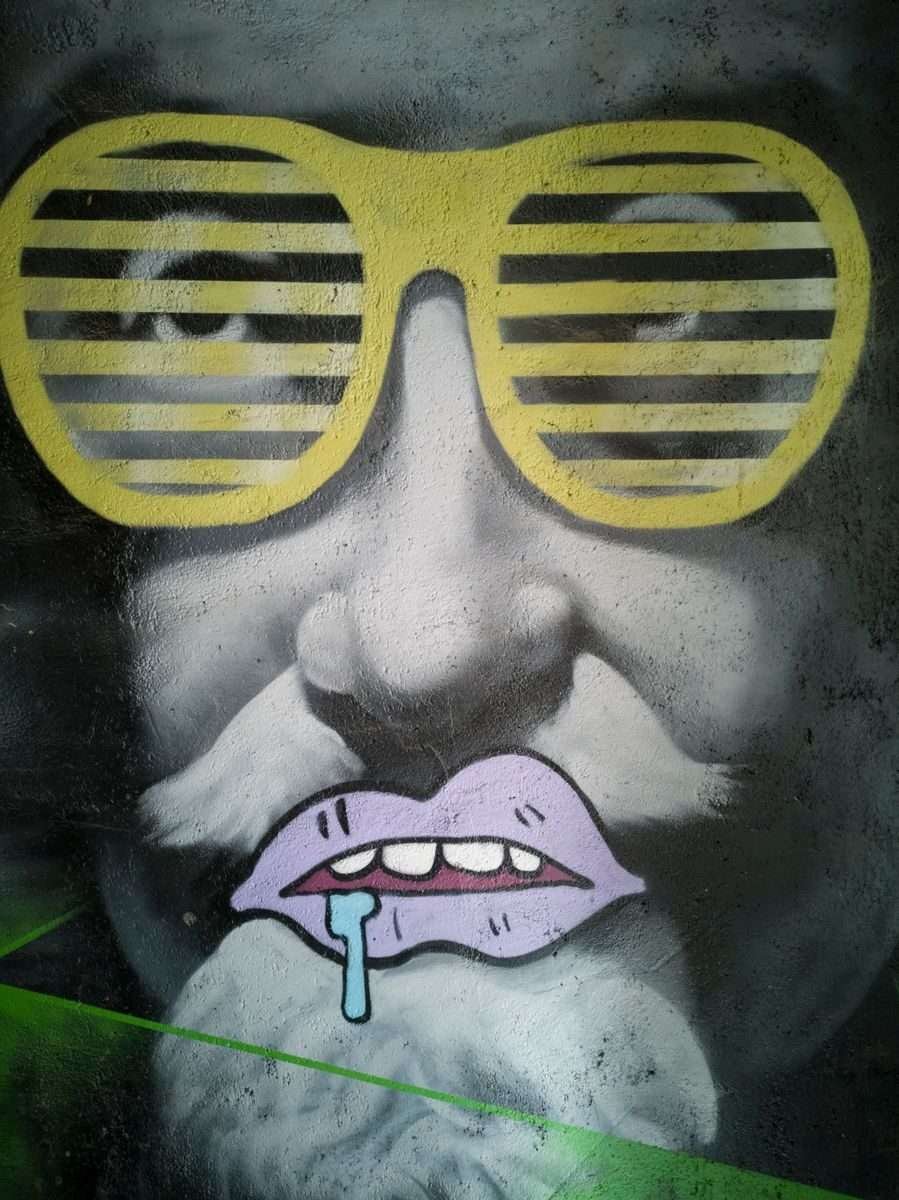
The Color Manifesto: Why Art is Our Only Output from Monotony.
The poet Ferreira Gullar immortalized one of the deepest truths of the human condition by saying that "art exists because life is not enough". If our existence were just to wake up, pay for slips, follow routines and watch time pass, we'd just be bureaucratic gears in a gray world. Pure and raw reality, however comfortable it is, often seems to us narrow, predictable and sometimes rather suffocating. It is precisely at this point of saturation that art enters as an emergency portal, an oxygen to the soul and the only territory where freedom is absolute.
Living, after all, is a complex exercise. We feel things that words in the dictionary cannot translate and witness beauties that the human eye can barely process. That is why we receive this silent call to express the soul through colors, shapes and images. When words fail, the brush speaks. When the chest squeezes, the clay takes shape. When joy overflows, the screen gains the dynamism of a chromatic whirlwind. Transmitting what is stored in our inner universe is not merely an aesthetic whim; it is a vital need to validate our own existence.
A World of Possibilities in Every Trace
Looking at a blank screen or an empty stage may seem intimidating, but that's where the magic happens. Every trace, every color and every idea carries a world of possibilities. A single risk of chalk may be the beginning of a new constellation; a stroke of blue may evoke the calmness of an ocean or the melancholy of a lonely night. In art, there are no mistakes, only alternative paths. A line that came out "torta" can turn into the contour of a fantastic mountain or the expressionistic expression of a face.
The role of the artist — And we all keep one inside. — It is not replicating the world as it already is, but reinventing it from the perspective of its own feeling.
When you allow yourself to sit in front of a creative project, the clock simply stops. The bonds of daily life break down because imagination has no limits (🎭🖌️🎨). On the stage of the theater, you can live a thousand lives in one night. In the paint palette, you can create a new physics, where the sky is green and the trees are made of light. The human mind is the only place in the universe where the laws of gravity and time have no power, and art is the vehicle that brings these impossible worlds into our reality.
The Butterfly Effect of Creativity
We often guard our creations for fear of judgment or for feeling that what we do has no market value. But the true purpose of expression goes far beyond the art galleries. The permanent invitation that the universe makes to us is: get inspired, create and share beauty with the world.
By putting your art in the world — be an unpretentious drawing in a notebook, a photograph that captured a unique light or a scribbled poetry in the notebook —You're throwing an anchor of sensitivity into a sea of indifference. The beauty you create has the power to rescue another person from a bad day, to provoke a deep reflection or at least to remind those who watch that the world is still a place capable of generating enchantment.
So don't save on your colors and don't tame your ideas. Mix the paints, change the shapes, break the patterns and climb on the stage of your own life boldly. If ordinary life seems small or dull today, remember that you have the tools to expand it. Take the brush, spread the wings of the imagination and change the scenery. The world is waiting for its next trait. -

The Infinite Space between Ears: Why Imagination Is Our Only True Superforce.
Olhe ao seu redor por um instante. A cadeira onde você senta, o dispositivo na sua mão, a música tocando ao fundo e até a estrutura social que dita o ritmo do seu dia. Tudo isso — absolutamente tudo — existiu primeiro como um sussurro abstrato na mente de alguém. Antes de se tornar realidade, o mundo moderno foi apenas um rascunho invisível esculpido pela imaginação. É por isso que, quando dizemos que a imaginação não tem limites, não estamos usando um clichê de efeito; estamos constatando o fato mais revolucionário da existência humana.
Enquanto a física nos prende à gravidade e o relógio nos acorrenta ao presente, a mente humana ignora solenemente as leis do tempo e do espaço. Com os olhos fechados, somos capazes de erguer impérios, pintar auroras boreais em telas em branco, compor sinfonias sem nunca ter encostado em um piano e criar mundos onde a lógica dobra os joelhos. A imaginação é a nossa máquina do tempo particular e o nosso passaporte para o impossível.
A Arte como o Espelho do Invisível
Quando as palavras falham em traduzir a imensidão do que sentimos, as artes cênicas e visuais assumem o controle. O teatro, a pintura e o desenho são, essencialmente, os canais de vazão dessa força incontrolável.
A Máscara do Teatro (🎭): No palco, a imaginação ganha corpo e voz. Um ator pode ser um rei medieval em um minuto e um astronauta perdido no minuto seguinte. O teatro nos prova que não precisamos estar limitados a uma única biografia; podemos viver mil vidas em uma só.
O Pincel e a Paleta (🖌️🎨): Nas artes visuais, a imaginação se torna tátil. Um pintor olha para uma tela em branco e não vê o vazio — vê uma janela de infinitas possibilidades. Onde o olho comum enxerga apenas tinta, o artista liberta monstros, sonhos, protestos e paixões. Uma pincelada pode distorcer a realidade (como fez Dali) ou capturar a alma de uma noite estrelada (como fez Van Gogh).
O Combustível da Inovação
Engana-se quem pensa que a imaginação pertence apenas aos poetas e sonhadores. Ela é o motor secreto da ciência e da tecnologia. Einstein já dizia que “a imaginação é mais importante que o conhecimento”, pois o conhecimento é limitado a tudo o que já sabemos, enquanto a imaginação abraça o universo inteiro e tudo o que ainda viremos a saber. Sem a capacidade de imaginar o que ainda não existe, a humanidade ainda estaria tentando descobrir como controlar o fogo.
“A imaginação é a prévia das próximas atrações da vida.” — Albert Einstein
Libertando o Próprio Infinito
O maior perigo da vida adulta é a “adultice” crônica — aquela tendência de soterrar o nosso lado lúdico sob uma montanha de boletos, prazos e pragmatismo. Esquecemos que aquela criança que transformava lençóis em capas de super-herói e caixas de papelão em naves espaciais ainda mora em algum lugar aí dentro.
Permitir-se imaginar é um ato de rebeldia contra a monotonia. É o que nos mantém criativos na resolução de problemas cotidianos, mais empáticos ao nos imaginarmos na pele do outro, e profundamente vivos.
Não importa se você usa um pincel, um palco, um teclado ou apenas os seus pensamentos durante o banho: não sabote o seu próprio infinito. Deixe a mente flutuar. Afinal, as barreiras do mundo real já são duras demais para que você decida colocar limites também dentro da sua própria cabeça. Mude as cores do seu cenário, crie o seu próprio enredo e lembre-se: o universo inteiro cabe no espaço entre as suas orelhas. -

"To love an animal is to love life in its purest form."
Animals are beings of light who have come to teach us to love without measure.
Here you find care tips, responsible adoption and lots of love
for our four-legged friends.
Respect, protect and care! They depend on us. 🐶🐱❤️ -

The Soul Alignment: How the Four Toltec Commitment Frees the Mind.
Our minds often function as a noisy court, where we are at the same time the most ruthless judges and the most frightened victims. We spend the days interpreting looks, odouring old conversations and designing catastrophic scenarios that rarely materialize. This invisible wear consumes our vital energy and separates us from who we really are. For centuries the ancient Toltecs — Guardians of wisdom in pre-Hispanic Mexico — they understood that human suffering does not come from the outside world, but from the silent agreements we make with our own limiting beliefs. To break these chains, they left us four practical guides capable of opening the doors to true personal freedom.
The first and deepest of these commitments is to be impeccable with your own word. In Toltec thought, the word is not just a handful of sounds or letters, but a pure creative force capable of building realities or destroying lives. To be impeccable means to use speech in the direction of truth and love, avoiding gossip, lying and, above all, self - depreciation. When we use our voice to judge others or put ourselves down, we are channeling an energy that contaminates our mind. Purifying what comes out of our mouth is the first step in cleaning the mirror of our soul.
This emotional shielding gains total strength with the second commitment: not taking anything personally. When someone offends us or betrays us, the natural tendency of the ego is to defend and fight back. However, the Toltec wisdom reminds us of a liberating truth: what people say and do is only a reflection of their own reality, the traumas and dreams they carry. Nothing others do is because of you. By understanding that the poison of others belongs only to those who carry it, you become immune to the opinions and actions of others, no longer being a plaything in the hands of circumstances.
O terceiro passo para desarmar os conflitos internos é não tirar conclusões. Nós temos o hábito perigoso de presumir o que os outros estão pensando ou sentindo, criando verdadeiras novelas dramáticas em nossas cabeças sem qualquer fundamento real. O problema de presumir é que passamos a acreditar que nossas suposições são a verdade absoluta e, logo em seguida, reagimos a elas com mágoa ou agressividade. A solução tolteca é simples, embora exija coragem: faça perguntas. Comunique-se com clareza, busque a verdade diretamente na fonte e poupe sua mente de carregar o peso morto de mal-entendidos imaginários.
Por fim, o quarto compromisso costuma ser o amálgama que mantém os outros três de pé: dê sempre o seu melhor. Esse “melhor” não é um padrão estático e inalcançável de perfeição; ele muda de acordo com o seu momento. O seu melhor quando você está doente ou cansado será diferente do seu melhor quando você acorda transbordando de saúde e energia. O segredo está em agir com integridade em qualquer circunstância, sem se cobrar além da conta e sem se entregar à preguiça. Quando você faz o seu melhor, elimina a culpa, o remorso e o julgamento interno, transformando a rotina em um ritual de entrega consciente.
Adotar os compromissos toltecas é um processo diário de desprogramação mental. Não se trata de uma fórmula mágica para evitar os problemas do mundo, mas de um escudo interno que muda completamente a forma como você caminha por ele. Ao praticar a impecabilidade, o desapego das ofensas, a busca pela clareza e a dedicação sincera, o ruído do tribunal mental silencia. O que sobra é a paz de espírito e a maravilhosa certeza de que as rédeas da sua liberdade pessoal voltaram, finalmente, para as suas próprias mãos. -
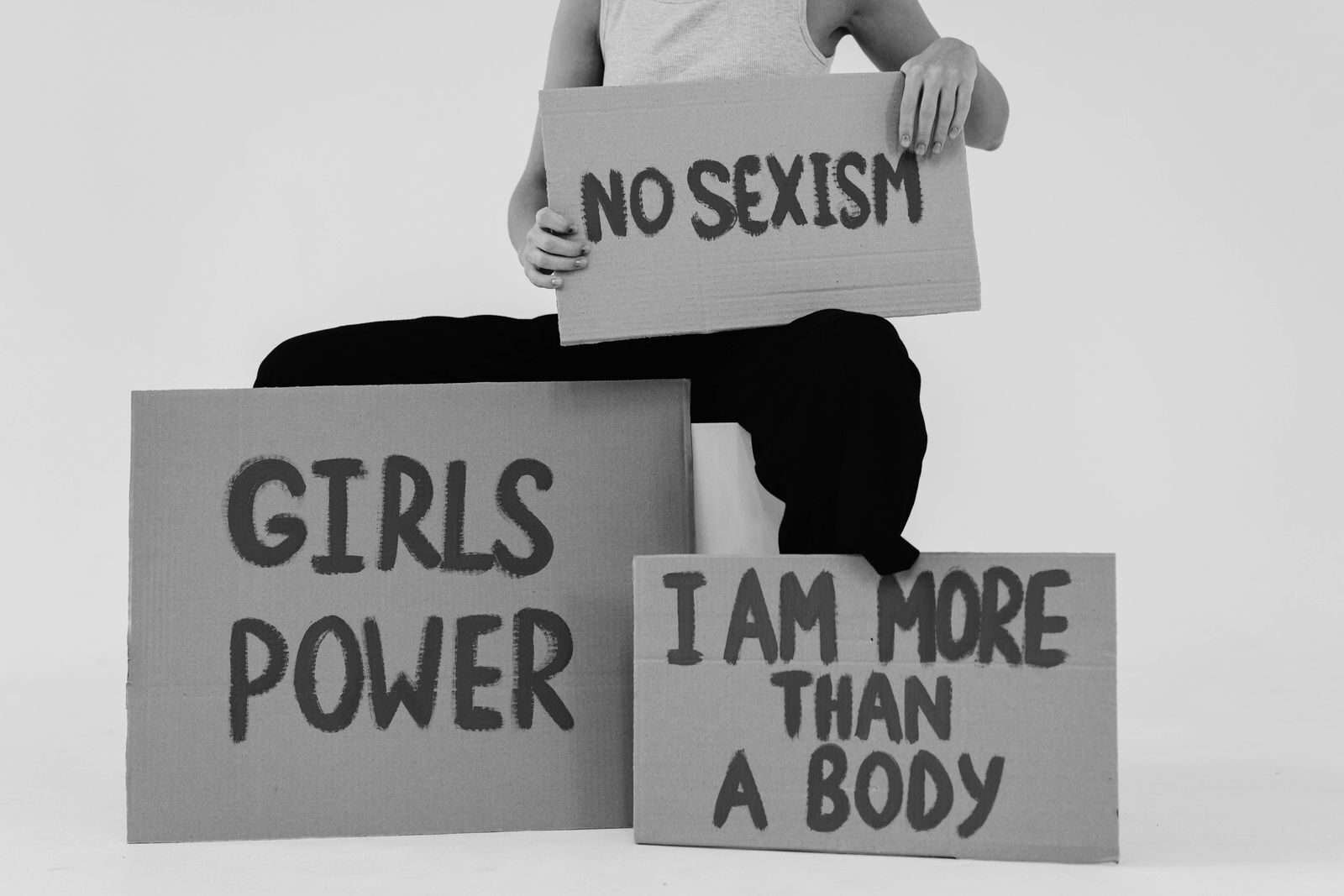
In addition to the Meeting Table: The Awakening of Leading Will and Female Protagonism.
The global corporate scenario has undergone profound transformations in recent decades, but when we look at high leadership positions, numbers still tell a story of absences. Sitting at the decision table remains a complex challenge for women. This disparity does not reflect a lack of competence or technical preparation, but rather the existence of an intricate web of social, cultural and often internal barriers. In order for female leading to cease to be a statistical exception and become the norm, we need to investigate deeply the invisible forces that stop this advance and, above all, cultivate in each professional the urgency of making it happen.
The most evident barriers are those structural and external, built over generations in which the work environment was designed by and for men. Ancient gender stereotypes still subtly dictate what is expected of a leader. Traces such as assertiveness and firmness, when shown by men, are celebrated as signs of authority; when manifested by women, they run the risk of being negatively labelled. In addition, the double day and cultural expectation regarding the roles of home and family care create a silent conciliation barrier, forcing many talented professionals to slow down their careers just at the moment of greater potential for ascension.
However, the true labyrinth of female leadership is also shaped by internal barriers. The glass ceiling outside is often reflected in a glass ceiling inside. Bright women are often haunted by imposter syndrome, that persistent voice that questions their own merit and attributes success to mere luck. While a man tends to apply for a leadership position fulfilling only half the requirements, many women hesitate even being overqualified, waiting for external validation that may never arrive. Overcoming these internal blocks requires a conscious rescue of self-confidence and understanding that ambition is not a defect, but the engine of growth.
Encouraging the will to lead in women is not just a question of social justice or equal rights; it is an intelligent business strategy. Organizations that have diverse leaderships are proven more innovative, have greater collective emotional intelligence and achieve superior financial results. The female perspective brings to governance a unique capacity for mediation, empathy and systemic vision, indispensable qualities in a modern market that requires agility and resilience. When a woman takes the lead, she not only transforms the culture of that company, but opens doors and serves as a mirror for the next generations to come after her.
Making it happen in the corporate environment requires an active and courageous posture of occupying spaces. It means raising your voice at meetings, seeking strategic mentoring, building solid support networks among women themselves and stopping apologizing for their own success. Companies, in turn, need to go beyond the discourses of diversity and create ecosystems that promote real equity of opportunities and wages. Female leadership should not be a distant ideal, but a daily reality conquered step by step. After all, the future of work no longer accepts that half of the best talents in the world remain behind the scenes. -

The Diet of Silence: How Digital Minimalism Can Return Control of Your Life.
Vivemos na era da hiperconexão, onde nossos bolsos vibram a cada minuto e nossas mentes são constantemente inundadas por um fluxo interminável de curtidas, notificações e atualizações de status. Sem perceber, transformamos nossos smartphones em extensões do corpo e passamos a navegar no piloto automático, consumindo conteúdos que raramente guardamos na memória. Esse excesso de estímulos cobra um preço alto: ansiedade, falta de foco e uma sensação permanente de cansaço mental. É nesse cenário de caos invisível que o minimalismo digital surge não como um capricho moderno, mas como uma estratégia de sobrevivência psicológica.
Ao contrário do que muitos pensam, o minimalismo digital não prega o isolamento do mundo ou o abandono radical da tecnologia. Ele propõe algo muito mais inteligente: uma filosofia de uso consciente e agressivo das ferramentas que escolhemos colocar em nossas vidas. O foco deixa de ser “o que eu estou perdendo ao ficar desconectado” e passa a ser “o que eu ganho ao escolher onde coloco a minha atenção”. Trata-se de fazer uma curadoria implacável dos aplicativos, redes sociais e dispositivos que realmente geram valor real, descartando sem dó tudo aquilo que serve apenas como ruído de fundo ou distração barata.
O coração dessa filosofia está em entender a diferença entre utilidade e valor. Uma rede social pode até ser útil para saber o que um conhecido jantou ontem, mas ela agrega valor real aos seus objetivos de vida, à sua carreira ou à sua saúde mental? Quando aplicamos um filtro agressivo no nosso ecossistema digital, percebemos que boa parte do que consumimos é apenas lixo eletrônico emocional, desenhado por engenheiros do Vale do Silício justamente para capturar nossa atenção pelo maior tempo possível. Retomar esse controle significa redefinir quem manda em quem: você utiliza a ferramenta, ou a ferramenta utiliza você?
Ao reduzir o ruído das redes sociais e limpar a tela do celular, algo mágico acontece no mundo real: o tempo reaparece. Aquele espaço antes preenchido por rolagens infinitas de feed passa a ser ocupado por leituras profundas, conversas genuínas com quem está ao nosso lado, hobbies esquecidos e, principalmente, pelo ócio criativo. A mente, finalmente livre do bombardeio constante de dopamina barata, volta a conseguir se concentrar em tarefas complexas e a desfrutar da quietude. O silêncio digital abre espaço para a clareza mental e para uma produtividade muito mais humana e sustentável.
Adotar o minimalismo digital é um ato de rebeldia contra a economia da atenção. É escolher viver com intenção em um mundo que lucra com a nossa distração. Ao selecionar a dedo as tecnologias que entram na nossa rotina, deixamos de ser espectadores passivos do algoritmo e voltamos a ser os diretores da nossa própria história. No fim das contas, desconectar-se do supérfluo não é sobre usar menos tecnologia; é sobre viver mais a própria vida. -

The Mind Alchemist: How Stoicism Turns Chaos into Fuel.
The Mind Alchemist: How Stoicism Transforms Chaos into Fuel
Life by nature is an unpredictable terrain. One moment we walk through firm soils; the next, we face barriers that seem to completely disrupt our journey. Faced with the unexpected, the most common human reaction is lamentation or paralysis. However, more than two millennia ago, a philosophy born on the sidewalks of Athens proposed a radical reversal of perspective: what if obstacles were not the end of the path, but the path itself? Stoicism teaches us that adversities are not insurmountable walls, but valuable raw materials for our personal evolution.
For the stoics, like the emperor Marcus Aurelius, the philosopher Seneca and the ex-slave Epictetus, the secret of wisdom is not in trying to control the winds of destiny, but in adjusting the candles themselves. They argued that we cannot choose what happens to us, but we have absolute control over how we react to what happens to us. When we change the focus of the problem itself to our response to it, we disarm the weight of suffering and assume the role of protagonists in our own history. The obstacle ceases to be an enemy and becomes a master.
It is at the epicenter of the crisis that the noblest virtues find their stage. After all, it is very easy to demonstrate integrity and serenity when everything goes well. True courage is manifested only in the face of fear, just as justice is proved when we are tested by the selfishness of others. Seeing adversity as an opportunity means understanding that each problem is actually a laboratory test for our soul. Every bottom of life is an invitation to recalibrate our moral compass and act with excellence, regardless of the outside scenario.
In this process of transformation, patience emerges as a silent superpower. Far from being a passive or mere resignation posture, stoic patience is a strategic and conscious wait. It is the ability to absorb the impact of the blow without losing emotional balance, understanding that the time of the world rarely coincides with our immediate urgency. By cultivating this inner stillness in the midst of the storm, we gain the clarity necessary not to act by impulse, allowing the dust to settle before we take the next step.
It's just when the dust settles that creativity comes into play. The scarcity and difficulty are the greatest catalysts of human innovation. When resources remain and paths are free, the mind tends to settle in the comfort of the obvious. However, when a wall rises in front of us, we are forced to look to the sides, to search for cracks, to create new tools and to tread shortcuts never before imagined. The stoic mind uses the blockade as a creative trampoline, transforming restriction into artistic and strategic freedom to solve problems.
Living under the stoic perspective is adopting a posture of constant mental alchemy. It is to look at the resignation, the end of a relationship, the financial crisis or the daily frustration and ask: "What is this situation trying to teach me?" instead of "Why is this happening to me?" By making this subtle but profound transition, the world ceases to be a hostile place and becomes a great arena of training. The barriers fall to the ground and, in their places, steps rise that lead us to a stronger, resilient and wiser version of ourselves.

