
The global corporate scenario has undergone profound transformations in recent decades, but when we look at high leadership positions, numbers still tell a story of absences. Sitting at the decision table remains a complex challenge for women. This disparity does not reflect a lack of competence or technical preparation, but rather the existence of an intricate web of social, cultural and often internal barriers. In order for female leading to cease to be a statistical exception and become the norm, we need to investigate deeply the invisible forces that stop this advance and, above all, cultivate in each professional the urgency of making it happen.
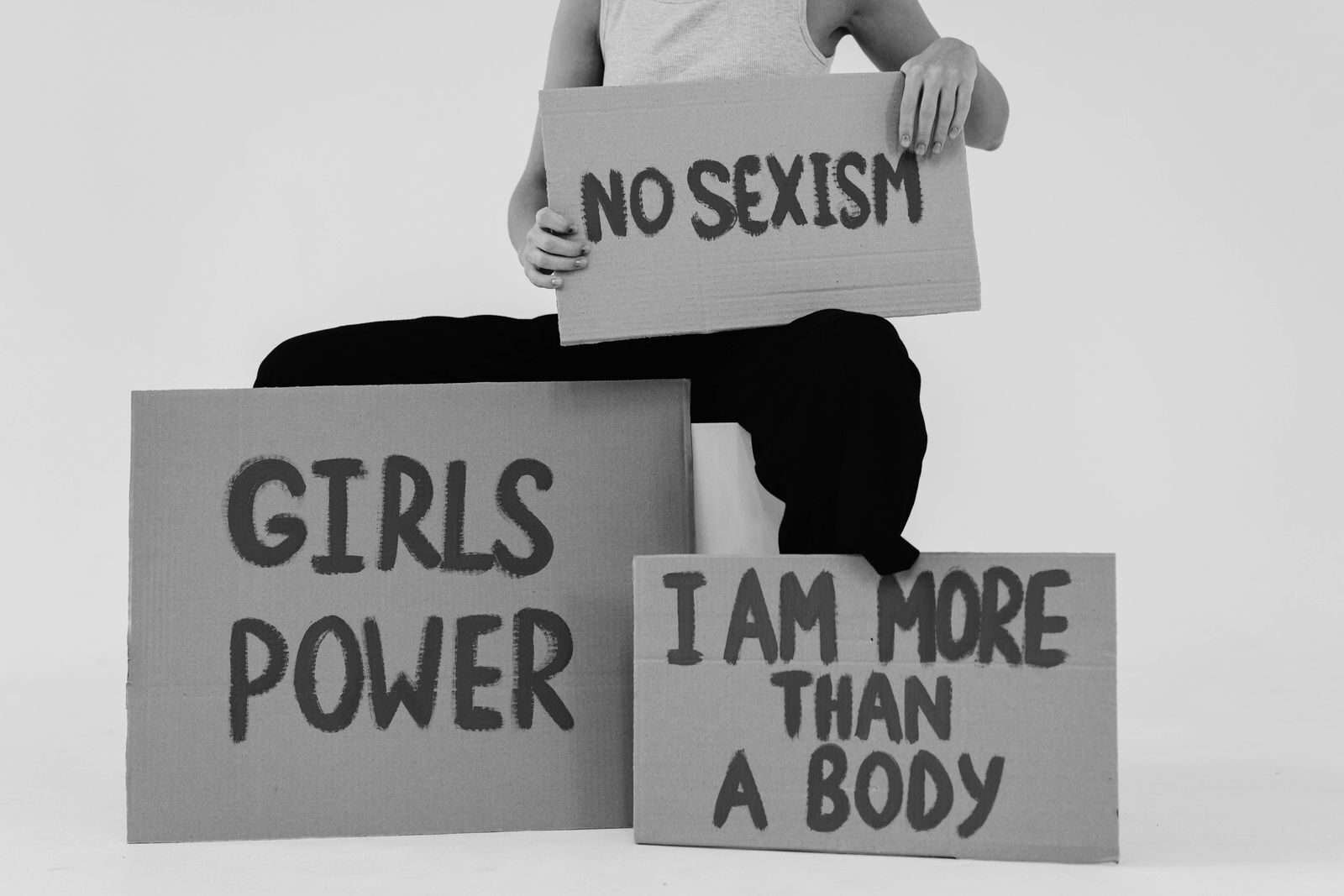
The most evident barriers are those structural and external, built over generations in which the work environment was designed by and for men. Ancient gender stereotypes still subtly dictate what is expected of a leader. Traces such as assertiveness and firmness, when shown by men, are celebrated as signs of authority; when manifested by women, they run the risk of being negatively labelled. In addition, the double day and cultural expectation regarding the roles of home and family care create a silent conciliation barrier, forcing many talented professionals to slow down their careers just at the moment of greater potential for ascension.
However, the true labyrinth of female leadership is also shaped by internal barriers. The glass ceiling outside is often reflected in a glass ceiling inside. Bright women are often haunted by imposter syndrome, that persistent voice that questions their own merit and attributes success to mere luck. While a man tends to apply for a leadership position fulfilling only half the requirements, many women hesitate even being overqualified, waiting for external validation that may never arrive. Overcoming these internal blocks requires a conscious rescue of self-confidence and understanding that ambition is not a defect, but the engine of growth.
Encouraging the will to lead in women is not just a question of social justice or equal rights; it is an intelligent business strategy. Organizations that have diverse leaderships are proven more innovative, have greater collective emotional intelligence and achieve superior financial results. The female perspective brings to governance a unique capacity for mediation, empathy and systemic vision, indispensable qualities in a modern market that requires agility and resilience. When a woman takes the lead, she not only transforms the culture of that company, but opens doors and serves as a mirror for the next generations to come after her.
Making it happen in the corporate environment requires an active and courageous posture of occupying spaces. It means raising your voice at meetings, seeking strategic mentoring, building solid support networks among women themselves and stopping apologizing for their own success. Companies, in turn, need to go beyond the discourses of diversity and create ecosystems that promote real equity of opportunities and wages. Female leadership should not be a distant ideal, but a daily reality conquered step by step. After all, the future of work no longer accepts that half of the best talents in the world remain behind the scenes.
In addition to the Meeting Table: The Awakening of Leading Will and Female Protagonism.


Leave a comment