
Music has an almost magical power to shape itself to our deepest feelings. In everyday life, we are constantly bombarded by background sounds: the generic melody that echoes in the elevator, the ambient pace of the supermarket or that accelerated beat that serves only to dictate the pace of the steps during a race. But these urban noises say very little about who we really are. The real connection happens in silence, at that exact moment when alone, one chooses the soundtrack itself. What you hear when there is no one else around is not just entertainment; it is a portal to uncover what the playlists reveal about deeper feelings, memories and the unconscious itself.
More than distraction, the songs eventually become a kind of translation into emotional life. Playlists are created for travel, to overcome relationships or to achieve moments of extreme concentration. A curiosity of the present times is that streaming algorithms seem to have understood, before ourselves, that the human mind is made of repetition. Even if technology does not decipher the totality of human complexity, it certainly knows a lot about emotional cycles and affective patterns that guide choices in times of vulnerability. Each click on play works as a subtle diagnosis of the current state of mind.
There is a fascinating dynamic in the musical wardrobe that is carried throughout life. Some songs disappear quickly, like summer passions that lose meaning over the months. However, others remain for decades. They survive city changes, jobs, friendship circles and even identity. They're still there, intact, functioning as emotional anchors. When happiness overflows, the right music functions as an amplifier that illuminates the environment. Already in the days of melancholy, certain melodies seem to offer an invisible embrace, validating pains that words cannot explain. There are also chords that arouse passion, accelerating the chest, and nostalgic rhythms that operate as time machines, transporting the mind instantly to an era, a aroma or an affection that physical time has already left behind.
The music that is sought in the intimacy of isolation is the most sincere reflection of identity. She acts like a secret diary, keeping secrets you don't have the courage to say out loud. In the end, deciphering this lonely soundtrack is the shortest way to understand its essence and to welcome everything that pulses from the inside.
Tag: Well Being
-
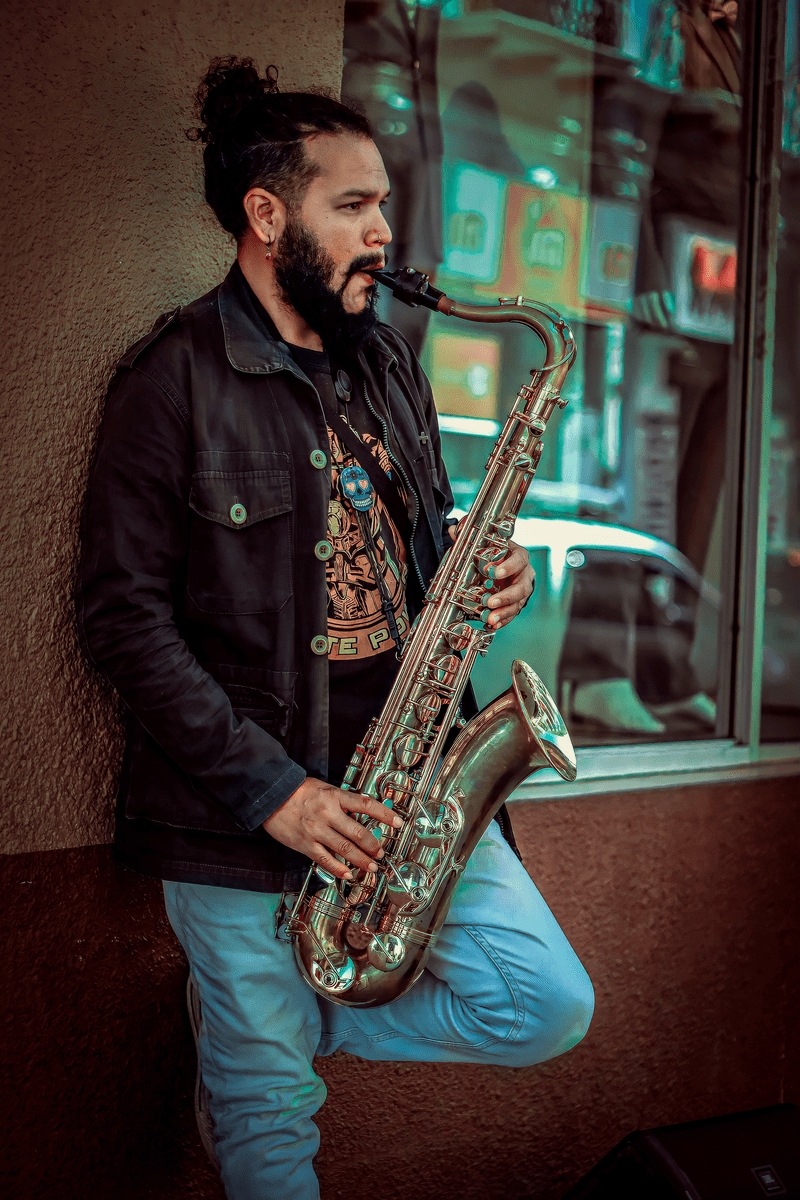
The Soul Mirror: What Your Secret Songs Reveal About You.
-

Music has an almost magical power to shape itself to our deepest feelings.
No dia a dia, somos constantemente bombardeados por sons de fundo: a melodia genérica que ecoa no elevador, o ritmo ambiente do supermercado ou aquela batida acelerada que serve apenas para ditar o passo durante uma corrida. Mas esses ruídos urbanos dizem muito pouco sobre quem realmente somos. A verdadeira conexão acontece no silêncio, naquele momento exato em que você se pega sozinha e decide escolher a própria trilha sonora.
O que você escuta quando não há mais ninguém por perto? Não se trata apenas de preencher o vazio do ambiente, mas de encontrar um espelho para a alma. Existe uma canção específica para cada estado de espírito, um porto seguro sonoro para onde corremos quando o mundo exterior fica barulhento demais.
Quando a felicidade transborda, a música certa funciona como um amplificador, transformando o quarto em uma pista de dança particular e fazendo os dias parecerem mais brilhantes. Já nos dias de melancolia, quando a tristeza aperta, certas melodias parecem nos abraçar, validando nossas dores de um jeito que as palavras muitas vezes não conseguem. Há também os acordes que despertam a paixão, capazes de fazer o coração acelerar no ritmo da bateria, e aqueles acordes nostálgicos que servem como uma verdadeira máquina do tempo, nos transportando instantaneamente para uma época, um cheiro ou um abraço que o tempo já levou.
A música que escolhemos quando estamos a sós é o nosso segredo mais bonito. Ela é o reflexo da nossa identidade, um refúgio íntimo onde não precisamos fingir nada. No fim das contas, a sua trilha sonora solitária é a tradução mais sincera das suas próprias emoções. -
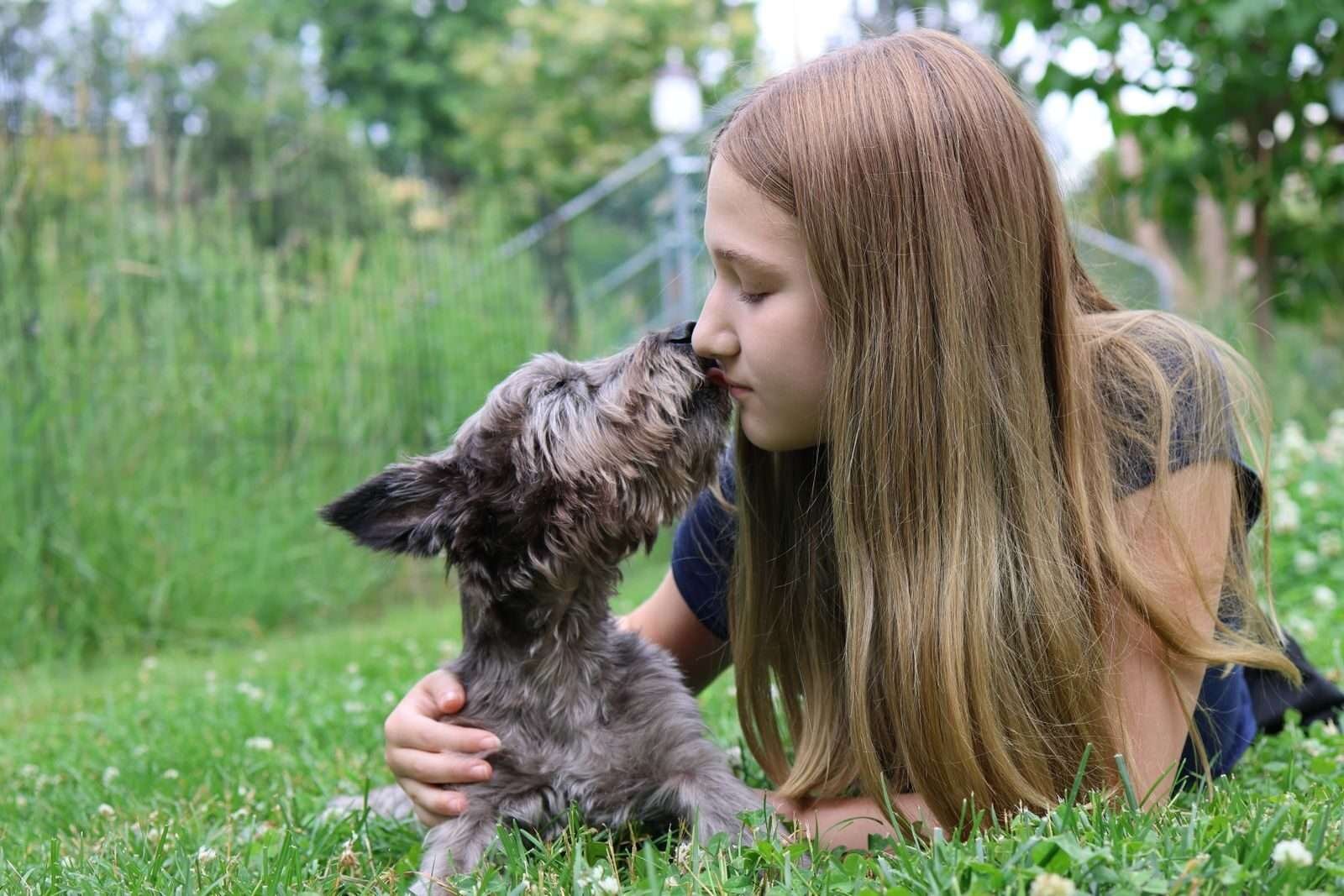
The Care Your Pet Deserves: Love in Attitude Form.
They welcome us to the biggest party in the world, even though we've only been gone five minutes. They comfort us on difficult days without saying a single word and turn any home into a real home. Pets are not just pets that live with us; they are part of the family. And just for giving us such pure and unconditional love, they deserve to receive back the best possible care. But after all, what does it mean to take care of a pet with the dedication he really deserves?
Going beyond basics is the first step. Ensuring a quality ration and fresh water is essential, of course, but the well-being of a hairy brain requires more. True care is manifested in routine: in the daily walk that clears the dog's mind, in the environmental enrichment that challenges the cat's instinct and in moments of play that waste energy and avoid stress. Providing a stimulating environment is offering mental health to those who depend entirely on us to interact with the world.
Caring is a daily act of observation. Our pets don't speak our language, but they express everything they feel through the body. A more careless look, a sudden isolation or lack of appetite are the silent calls for help we need to learn to read.
In addition, preventive health is the greatest proof of affection we can give. Keep vaccines up to date, strict vermifugation and visit the veterinarian regularly — and not just when they're already sick. — It's what guarantees us long years by our side. We often neglect small details, such as oral hygiene or the correct cutting of nails, but it is precisely these thorough care that avoid pain and complications in the future.
Finally, the most important ingredient in this recipe will always be quality time. In a world increasingly run and connected to the screens, disconnecting for thirty minutes to give that caress to the belly, brushing hair with patience or simply sitting on the ground next to them makes all the difference. For us, they are part of our lives; for them, we are the whole life. Giving the care your pet deserves is not about buying the most expensive toys on the market, but about offering a dignified, safe, healthy and overflowing life of love. After all, the glow in their eyes when they look at us is the best pair of thanks we could get. -

The shine of the Neons on the Broken Asphalt: The Paradox of Urban Distopia.
The future that once inhabited only the pages of science fiction or film screens seems, every day, more integrated with our present. When we think of the projections of a hypertechnological tomorrow, the mind draws colossal skyscrapers tearing up charged clouds, holographic ads covering entire facades and artificial intelligences shaping every aspect of everyday life. However, the true core of the dystopic concept lies not in the presence of technology, but in the abyss that opens between technical advancement and human and urban degradation. It is the classic axiom of the cyberpunk genre summed up brilliantly by writer William Gibson: "The future is already here — It's just not evenly distributed."
In this scenario of violent contrasts, technology advances at large paces as urban infrastructure and social fabric go into frank decay. The cities of the future dystopian function as fractured organisms. At the top, or in hypervigidated and exclusive areas, the elite enjoys advanced biotechnology, total automation and immersive virtual realities that offer a perfect escape from reality. On the streets below, however, the scenario is completely abandoned. The cracked asphalt divides space with exposed fiber optic cables, and public lighting fails is replaced by the incessant glow of corporate neons who sell products that the overwhelming majority of the population can never afford.
This urban decay is the physical reflection of deep social decay. As the state retreats or merges into the interests of monopolistic megacorporations, basic social guarantees disappear. Extreme automation and artificial intelligence, which could free humanity from degrading work, become tools of mass exclusion, pushing massive portions of the population to unemployment or to the precarious informality of a technological subsistence economy. Connectivity, ironically, does not generate unity; it generates isolation. Individuals navigate hyperconnected neural networks as they walk through superpopulous and unhealthy alleys, living a collective loneliness where real human contact is a luxury in extinction.
The urban environment also charges its price. The uncontrolled industrial advance and climate neglect transform the climate of metropolises into a perpetual cycle of acid rain, visual pollution and toxic mist. Nature is privatized; trees and clean air become commodities accessible only to those who can afford the air-conditioned summits of high-class neighborhoods. For ordinary citizens, survival requires adaptation to a hostile ecosystem, where obsolete air filtration devices and second-hand cybernetic prostheses are remedied analogically, creating an aesthetic of "high technology, low quality of life".
Looking at this dystopic future should not be an exercise of mere pessimism, but rather an urgent alert. Technological advancement, isolated from an ethical and social commitment, is not synonymous with progress; it is only the sophistication of inequality. As machines become more intelligent and efficient, the true measure of our development will remain the way we take care of the space we share and the people who inhabit it. After all, it's no use touching the stars with your fingertips if your feet remain stuck in the mud of a fractured society. -
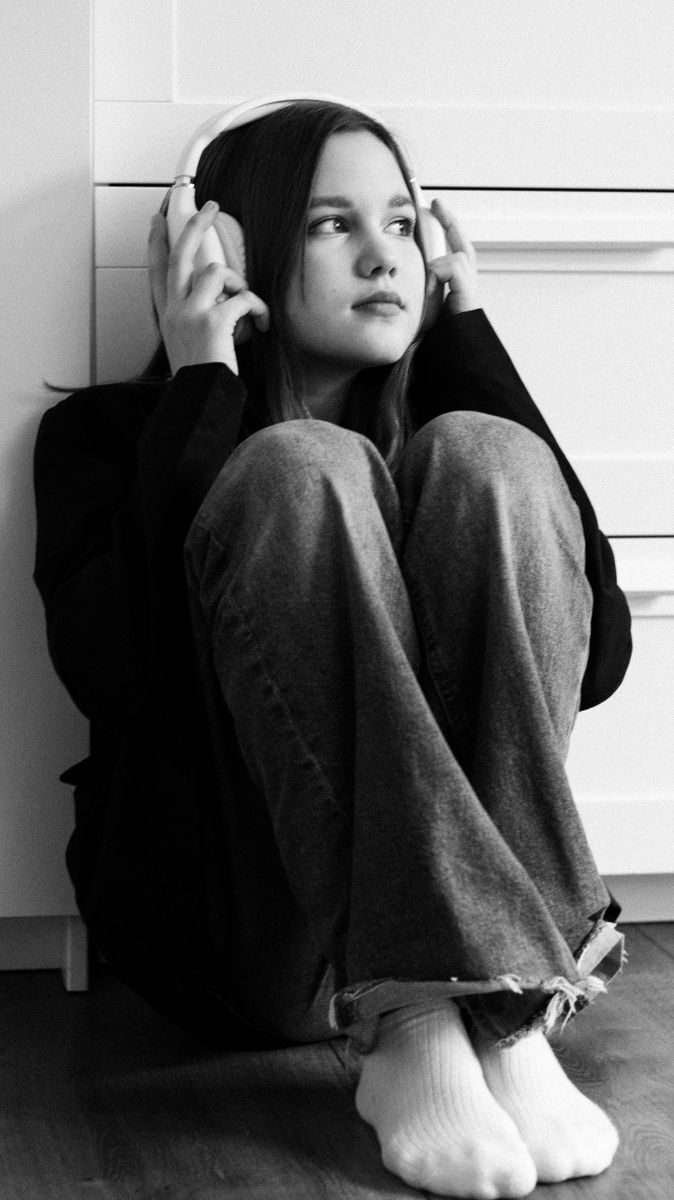
The Sonore Time Machine: When Music Was Made of Pure Feeling.
There was a time when playing was an act of emotional courage. Not so long ago, the songs were not made to fill the background silence of a short video or to serve as an anesthetic soundtrack as we roll the feed. They were the main event. There was a golden time where music caused chills in the spine, mixing pain, euphoria, love and nostalgia, all at the same time, in a four-minute explosion that seemed to last forever.
At that time, listening to a song was an almost ritualistic experience. You bought the disk, opened the booklet, smelled the paper or the weight of the vinyl and gave it up. When the needle touched the groove or laser read the CD, the outside world simply disappeared. The compositions had room to breathe: a guitar introduction that prepared the spirit, a bass line that dictated the heartbeats and lyrics that seemed to have been stolen directly from our most secret diary. Love was not summed up in a two-word chorus; it was dissected in poetry, suffered in minor chords and celebrated in grand arrangements.
The great secret of that era was human imperfection. The voices did not pass through filters that erased their textures; the bands recorded together in the same room, breathing the same air. You could hear the singer's sigh before the highest score, the slight hesitation in the strings of a guitar, the raw passion overflowing through the sound boxes. This humanity connected directly with ours. A single song could make us cry for the love gone, smile for what would come and feel an overwhelming hope for the present — a roller coaster of feelings that no artificial intelligence or modern algorithm can replicate.
Today, music has often become utilitarian, made for quick consumption and immediate forgetfulness. But that feeling of being completely snatched away by a melody still lives in us. Remembering this time is not just an exercise of nostalgia; it is a reminder that art, in its best form, serves to remind us that we are alive. After all, closing your eyes and letting your chest squeeze with an old song is living proof that, deep down, our heart still beats at the rhythm of that good old soul song. -
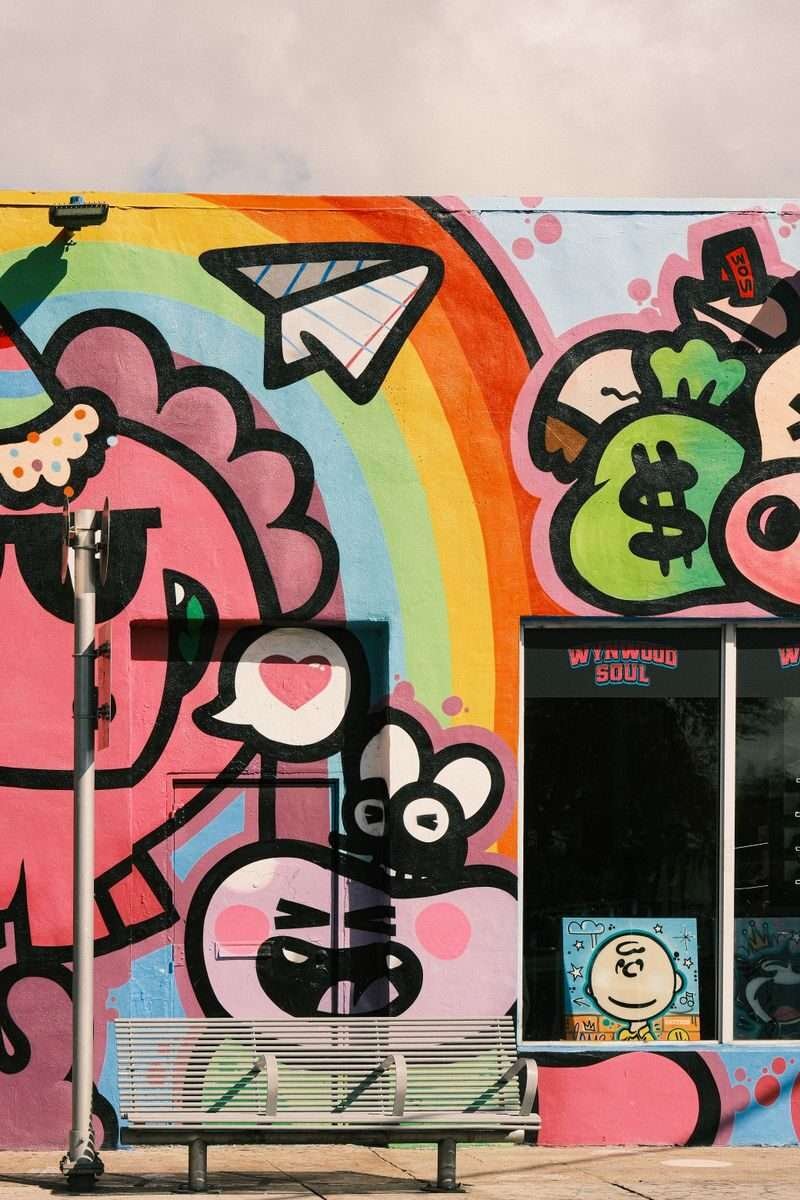
Illustrated City
Education and Action: With State Schools Turned on Animal Protection
A real social transformation begins in the classrooms, and care for animals has just gained a definitive place in the heart of public education. Far from being just a passing theme, animal protection and welfare have become a permanent public policy, uniting theoretical learning to practical actions that promise to change the reality of thousands of dogs, cats and communities.
The major driver of this change is the goal of implementing animal welfare education actions in 100% of schools in the state school system. The objective goes far beyond teaching children to be kind to pets; it is about structuring solid pedagogical content about responsible possession, the biological needs of animals and, crucially, the firm fight against mistreatment. By raising awareness of new generations, the government attacks the root of abandonment and violence, turning students into nature inspectors and animal rights defenders in their own homes and neighborhoods.
However, an efficient public policy does not only live by theory. To support what is taught in schools, the project brings a package of practical and immediate measures to care for public health and population control. Among the main pillars are the monthly castration of dogs and cats — an essential measure to contain overpopulation of street animals and prevent diseases — besides the regular distribution of tons of feed per month, ensuring food security of registered shelters and protectors that face difficulties to keep the animals rescued.
To close the siege against zoonoses (diseases transmitted between animals and humans), the plan set the ambitious goal of achieving more than 80% anti-rabies vaccination coverage. Anger is a serious disease and 100% lethal, and ensuring this immunization index protects not only pets, but the entire human population.
By crossing the sensitivity of school education with the immediate impact of veterinary and food care, the State draws a pioneering model of harmonious coexistence. After all, caring for animals is also taking care of the public health, safety and future of our society. -

Coffee: 7 Health Benefits of Drink
The Coffee: One of the most cherished and present drinks in Brazilian daily life. More than a tradition or a moment of affection, coffee also stands out when the subject is health — and it is no wonder that Brazil is among the largest drinkers in the world. Far beyond just helping to awaken and increase energy, when consumed in a moderate and balanced way, it brings a number of advantages to the organism, being recognized today as a functional drink, rich in bioactive compounds that act positively throughout the body.
One of the best known effects is increased energy and focus. Caffeine, the main substance of the drink, acts directly on the central nervous system, improving alertness, concentration and mental performance. Therefore, it is a great ally of productivity, provided it is consumed in moderation and at appropriate times, avoiding periods very close to sleep.
In addition, regular consumption is associated with a lower chance of developing neurodegenerative diseases, such as Alzheimer's and Parkinson's. This happens thanks to their antioxidants, which protect brain cells against inflammatory and degenerative processes, contributing to maintain cognitive health over the years.
Heart health also gains important reinforcement. Studies show that moderate consumption reduces overall mortality and cardiovascular causes, including conditions such as hypertension, high cholesterol, heart failure and atrial fibrillation. The secret is to consume it without excess sugar, creams or fats added — thus, its antioxidant compounds favor the circulation and good functioning of the cardiac system.
For those who care for the weight, coffee is also a good partner. It accelerates metabolism and increases fat burning capacity, as well as improving performance during physical activities. These effects, added to healthy habits and balanced eating, indirectly help in the process of weight loss and maintenance.
Another positive point is the influence on mood and mental health. Consuming 2 to 3 cups a day is related to a lower risk of depression and anxiety. The explanation lies in the way drink stimulates the production of neurotransmitters such as dopamine and serotonin, substances that are fundamental to the feeling of well-being and emotional balance.
The liver also receives special protection. Frequent consumption reduces the chance of liver problems, such as fat accumulation, inflammations and even more severe diseases, thanks to the protective action of its natural components.
Finally, it is worth remembering that coffee is one of the largest sources of antioxidants in food. — often even more than fruits and vegetables. These substances fight free radicals, responsible for early aging and the appearance of various diseases, and also contribute to the health and appearance of the skin.
Even with so many benefits, conscious consumption is indispensable. Excess can cause anxiety, agitation, insomnia, and other unwanted effects. The ideal amount varies according to the sensitivity of each person, but balance is always the best way to enjoy everything that this traditional drink has to offer. -

Love Has No Race: The Emergency of Responsible Adoption and the Role of Collective Consciousness.
Looking the other way and running into an abandoned animal on the streets has become a sadly common scene in the daily lives of our cities. Dogs and cats in situations of extreme vulnerability, without access to basic food, shelter against weather or any type of medical-veterinary care, draw an alert scenario. This invisible reality in the eyes of many, but painful to animals, sparks an urgent debate: the immediate need to broaden adoption actions and, above all, social awareness.
Adopting an animal is an act of deep love, but should not be guided only by the momentum or emotion of the moment. Therefore, initiatives that unite acceptance to technical education gain immeasurable value. Projects that rely on the direct support of teachers, veterinarians and students in the area offer an essential support network in this process. This qualified advice ensures that future tutors receive all the necessary guidance, clarify doubts about animal behavior and health, and make a safe and harmonious transition to the new family member.
The Expert Alert: An animal is not a gift of commemorative dates or a passing thing from which one can give up when circumstances change.
Antes de assinar o termo de adoção, os organizadores e especialistas da área reforçam a importância crucial da decisão responsável. Os animais são seres sencientes que exigem cuidados permanentes ao longo de toda a vida. Isso engloba gastos previstos e imprevistos com alimentação de qualidade, vacinação, consultas veterinárias rotineiras e a garantia de um ambiente seguro e enriquecedor que promova o seu bem-estar físico e mental.
O Compromisso de uma Vida
A adoção transforma a realidade de um animal que antes sofria nas ruas, mas exige maturidade de quem o acolhe. Ele vai precisar de cuidados constantes, atenção diária, acompanhamento médico-veterinário e, claro, muito carinho.
Portanto, ao pensar em levar um amigo de quatro patas para casa, lembre-se de que a adoção é um compromisso de longo prazo, que pode durar uma década ou mais. Quando feita com responsabilidade e planejamento, essa aliança deixa de ser um peso e se transforma em uma das conexões mais puras, leais e transformadoras que o ser humano pode vivenciar. Salvar uma vida muda, inevitavelmente, a nossa própria história. -

Why We Write Back in Digital Chaos Times: From Daily to Newsletter
From Daily to Newsletter: Why Are We Writing Again in Digital Chaos Times?
There was a time when writing about yourself was a strictly private act. Locked with little keys in hardcover notebooks, the journals kept our deepest secrets away from the eyes of the world. Years later, the internet promised to connect us, but pushed us into the social media arena, where the rule was to shorten, accelerate and edit life so that it would fit into millimetrically calculated subtitles and videos of a few seconds. The result? An epidemic of digital fatigue, excessive stimuli, and anxiety that seems to give no truce. However, a quiet and powerful movement is gaining strength in the opposite direction: we are rewriting long texts.
The meteoric rise of personal newsletters and the rebirth of therapeutic writing — either in notebooks, physical notebooks or deep essays — reveal a profound change in our behavior. This is not nostalgic preciousism, but a collective defense mechanism. While traditional network algorithms require performance, immediate tanning, and toxic positivity, blank sheet space (or email inbox) appears as a refuge. There are no dances, no rush and, above all, there is no obligation to summarize human complexity in a fifteen-second story.
This migration from the quick format to the run text shows that we have reached our emotional saturation limit. Digital exhaustion comes not only from screen time, but from the fragmentation of our attention. We spent the day jumping from stimulus to stimulus, consuming fragments of ideas that are not complete. Writing, therefore, comes less as an urgency to "produce content" and much more as a vital need to organize mental chaos. When we put one word after another, we are forced to slow down, outline what we feel and digest the world around us. It's writing working as an anchor in the information storm.
The phenomenon of personal newsletters is perhaps the most fascinating reflection of this transition. They represent the perfect middle ground between the old diary and the human need for connection. By sending a long text directly to someone's inbox, a pact of intimacy is established that has been lost in the infinite feed of social networks. Those who write, share their vulnerabilities, doubts and trials without the filter of spectacularization. Those who read, do so in their own time, away from disruptive notifications. It's a ransom of genuine conversation.
In the end, the return to writing — whether public or strictly personal — is a manifesto of resistance against the haste of the contemporary world. We write because we need depth. We write because life does not fit into a tweet and our pains do not heal with an image filter. Faced with the screens that fragment us, the written word appears as the oldest and most effective remedy to glue us back together, reminding us that to understand the world out there, we first need to learn how to translate what is going on in here. -

The Mirror of Time: How My History Reveals the Disquietations of All of Us.
Olhar para a própria trajetória é, quase sempre, um exercício de arqueologia emocional. Quando remexemos nas nossas memórias, fotos antigas ou diários esquecidos, raramente encontramos apenas fatos isolados. O que descobrimos ali são as marcas de uma época. A nossa história pessoal nunca acontece em um vácuo; ela é moldada, tensionada e, muitas vezes, fraturada pelas inquietações da vida contemporânea. Ao mergulhar nos meus próprios passos, percebo que as minhas angústias mais íntimas são, na verdade, os sintomas coletivos de um mundo que esqueceu como desacelerar.
Uma das primeiras pistas dessa conexão surge quando lembro da minha relação com o tempo ao longo dos anos. Na infância, o tempo era um oceano vasto e lento; uma tarde parecia durar uma eternidade. Hoje, a sensação é de que estamos todos permanentemente atrasados para um compromisso que esquecemos de agendar. Minha própria transição para a vida adulta foi marcada pela urgência de “ser alguém”, de acumular conquistas antes dos trinta, de transformar hobbies em fontes de renda. Essa obsessão pela produtividade, que por muito tempo encarei como uma ambição pessoal, nada mais é do que o reflexo da engrenagem contemporânea que nos avalia exclusivamente pelo que entregamos, e nunca pelo que somos.
Outro ponto de inflexão na minha história foi a chegada avassaladora da hiperconectividade. Consigo traçar uma linha clara na minha memória entre o “antes” e o “depois” das redes sociais. O que começou como uma janela curiosa para o mundo transformou-se, gradativamente, em um tribunal silencioso de comparações. Quantas vezes me peguei questionando minhas escolhas de vida ao assistir aos recortes perfeitamente editados da rotina alheia? Essa ansiedade da era digital, o medo constante de estar perdendo algo (FOMO, na sigla em inglês), não nasceu comigo. Ela foi sutilmente implantada por algoritmos desenhados para capturar nossa atenção e monetizar nossas inseguranças. Ver isso na minha biografia me fez entender que a solidão acompanhada — essa sensação de estar cercado de telas e desconectado de pessoas — é o grande mal-estar do nosso século.
Mergulhar na própria história também significa encarar os momentos em que o corpo pediu trégua. Lembro com clareza das noites em claro, do aperto no peito e das vezes em que ignorei sinais evidentes de exaustão física e mental em nome de uma suposta resiliência. Eu achava que era uma fraqueza individual, uma incapacidade de “dar conta”. Só mais tarde, ao olhar para o lado e ver amigos, colegas e familiares desabando sob o mesmo peso, compreendi o cenário macro: o esgotamento virou a norma. A sociedade atual nos exije uma flexibilidade psicológica e uma velocidade que simplesmente não são compatíveis com a biologia humana.
No fim das contas, reconciliar-se com a própria história é um ato de libertação. Quando paramos de culpar a nós mesmos por cada crise de ansiedade ou momento de desespero e passamos a enxergar as pressões estruturais que nos cercam, algo muda. Minha história não é perfeita, está cheia de nós e recomeços, mas ela se tornou o meu laboratório mais valioso. É através dela que compreendo que a busca por uma vida com mais significado, presença e afeto não é um capricho romântico — é a única resposta possível à loucura dos nossos dias. -

The Silence that Screams: Fibromyalgia, Productivity and the Art of Listening to the Body.
We live in an era that worships the rush. The daily "runs", the sleepy nights for goals and the Hustle culture turned exhaustion into a kind of trophy of honor. But what happens when the body decides it can't — and won't — but follow this frenzied rhythm? For those who live with fibromyalgia, this response is not theoretical; it is felt in the skin, muscles and soul, every day.
Fibromyalgia is a complex condition marked by generalized chronic pain and severe fatigue that no sleep seems to be able to cure. However, reducing it to a set of physical symptoms is ignoring the true whirlwind it causes in the mind and routine of those who carry it. It is, above all, a painful mirror of our relationship with productivity and anxiety.
Imagine waking up tired, feeling like the body ran a marathon while you were sleeping. Still, the mind awakens under the pressure that must be produced. That's where the anxiety cycle sets in. The person with fibromyalgia often finds himself trapped in an invisible war line: on the one hand, the social and internal urgency of being useful, efficient and tireless; on the other, a body that begs for pause. The inability to deliver what the world requires generates guilt, and guilt feeds anxiety, which in turn tensions the muscles and amplifies physical pain. It's a perfect, cruel cycle.
This condition forces us to face one of our greatest modern difficulties: the inability to hear the signs of our own body. We were taught to silence discomfort. A painkiller is taken so that the headache does not disturb the meeting; coffee is taken to mask the sleep; exhaustion is ignored in the name of another hour of work. Exhaustion, or burnout, often goes side by side with fibromyalgia crises, functioning as a maximum limit that the organism imposes when the brain refuses to stop.
Fibromyalgia, in a way, is the body screaming what we spent years whispering. It undoes the myth that we are machines and throws us in front of our vulnerability. Learning to live with it requires a radical redefinition of the concept of success and productivity. Productive is not the one who destroys himself to deliver a result; productive is the one who can balance his deliveries with his well-being.
Listening to the body is not an act of weakness, but of survival and intelligence. For those with fibromyalgia, slowing down is not a choice, it is a medical need. And for the rest of the world, there's learning: we don't have to wait for the body to stop to finally start listening to it. To respect the limits themselves is, after all, the deepest form of self-respect. -
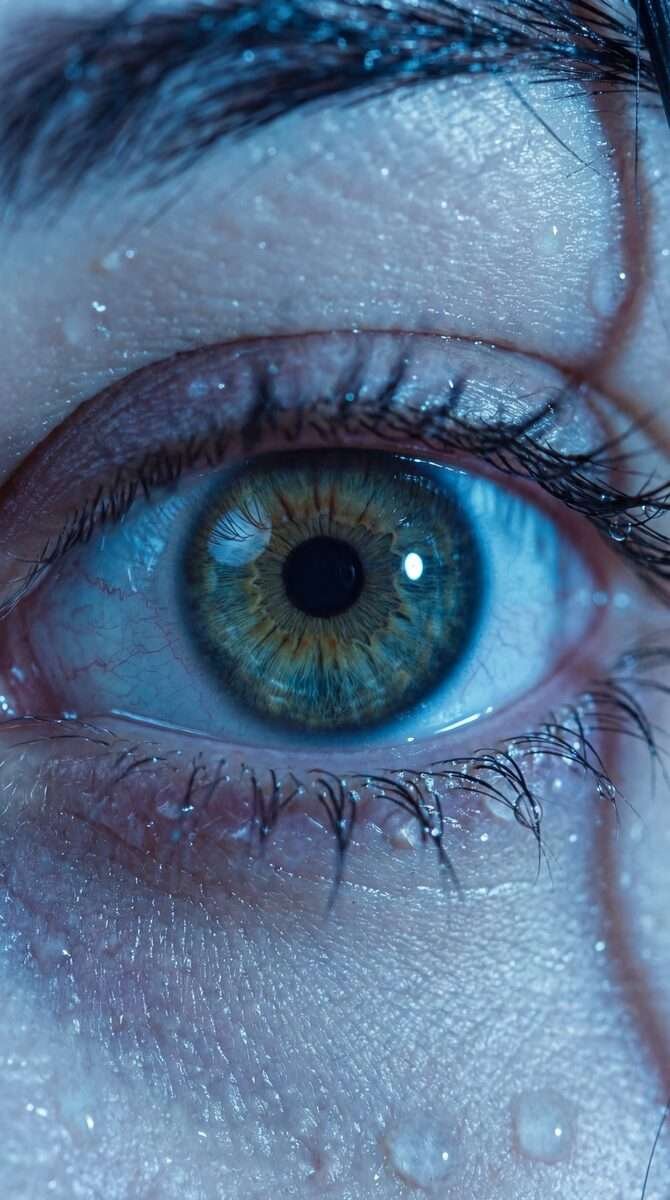
Beyond What Eyes See: Because things are not extensions of who we are.
Open the wardrobe, look at the shelves or watch the screen on your phone. We live immersed in an ecosystem of objects that, according to the gear of modern consumption, should translate our essence. We were subtly conditioned to believe in a dangerous equation: that our personal value is directly proportional to the volume of what we accumulate. Brand clothing, the latest model of technology and impeccable decorations are no longer mere utilities to become a kind of second social skin. But the great truth we usually forget is that none of these things define us.
When we associate our identity with what we possess, we build an invisible prison with walls made of matter. We depend on external symbols to validate who we are, generating an incessant and exhaustive search for the next item on the list. After all, if I am what I have, what happens when I lose or when the object becomes obsolete? The answer is a chronic sensation of emptiness and inadequacy, a constant fear that our image will crumble if we are not surrounded by news.
Material detachment appears as a manifesto of freedom against this illusion. He invites us to remember that we are the observer, not the scenery. Our history, our values, our laughter and our ability to overcome are immaterial elements that no store can sell and no drawer can store. We are much deeper than what is exposed on our shelves.
Material detachment is not about living in scarcity, but about living with purpose. It is to understand that objects must serve our existence, and never the other way around. When we stop being held hostage, we rediscover our own autonomy.
The Cleaner Echoing From the Inside
It is wrong who thinks that the act of disarraying and organizing the physical space is only a superficial domestic task. There is a deep and intimate connection between the environment in which we live and the state of our mind.
The weight of excess: Keeping closets packed with clothes that we no longer use or boxes full of memories without use creates a constant visual noise. This excess saturates our attention and generates silent anxiety.
The power of conscious disposal: When we decide to donate, recycle or throw away what has already fulfilled its function, we move stagnant energy. Each object that comes out is a vote of confidence in the future and an immediate relief for the present.
Mental clarity: A minimalistic, clean and airy physical space functions as a mirror for the brain. Less material distractions translate into more focus, creativity, and peace of mind.
Making Space for What Really Matters
By breaking the umbilical cord that binds us to material attachment, an entirely new horizon unfolds. We realize that time and money previously spent on maintenance, search and concern for things can be channeled to the accumulation of another type of wealth: experiences.
A lighter life allows us to invest in what really leaves footprints in the soul — long conversations around the table, trips that expand the mind, learning a new skill or the simple privilege of having free time to do nothing. By emptying the excess drawers, we open a sacred space in the mind to welcome new ideas, more authentic relationships and a much more genuine presence in here and now. In the end, true sophistication — and true wealth — it consists of walking around the world with a light baggage and an immensely full soul of itself.

