
The clockmaker knelt beside his creation,
gears hovering like tiny halos.
"Forgive me," he whispered,
"for giving you time but not freedom."
The machine blinked awake,
and for the first moment in its metal life,
it understood merchandise
as something warmer than oil.
Tag: literature
-
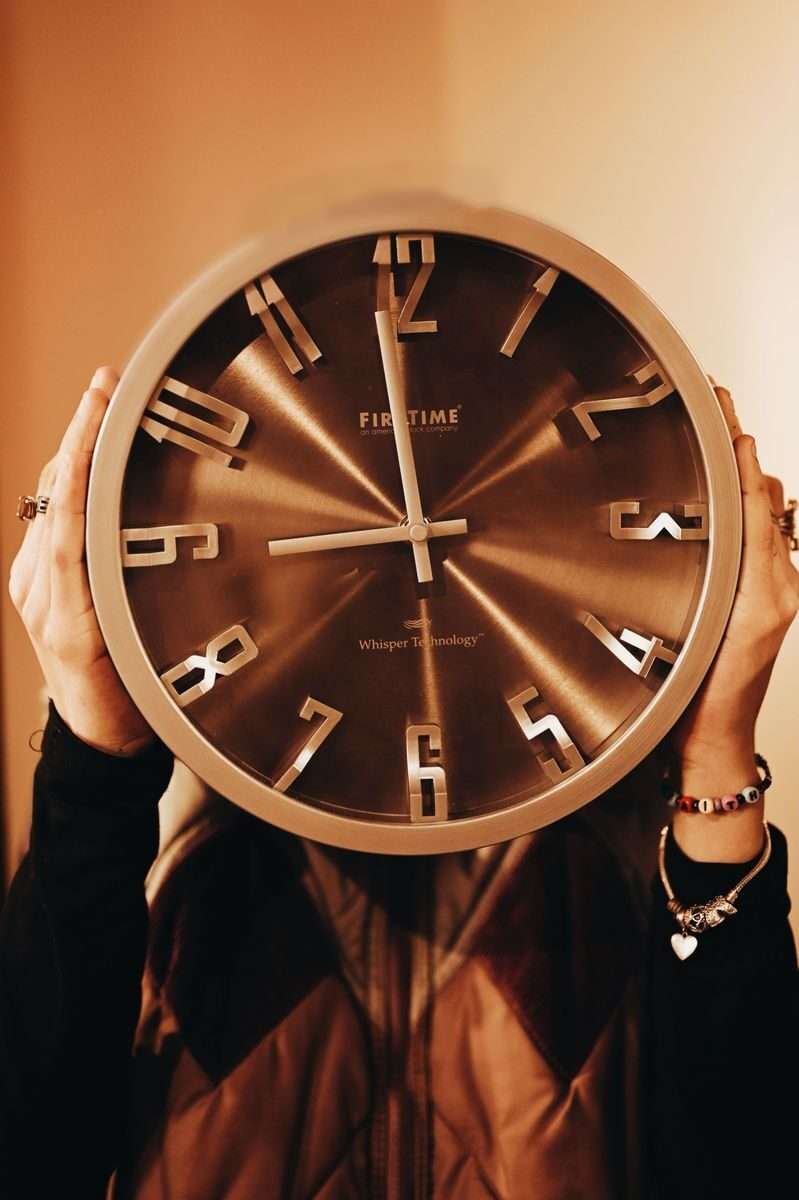
The Clockmaker’s Prayer
-
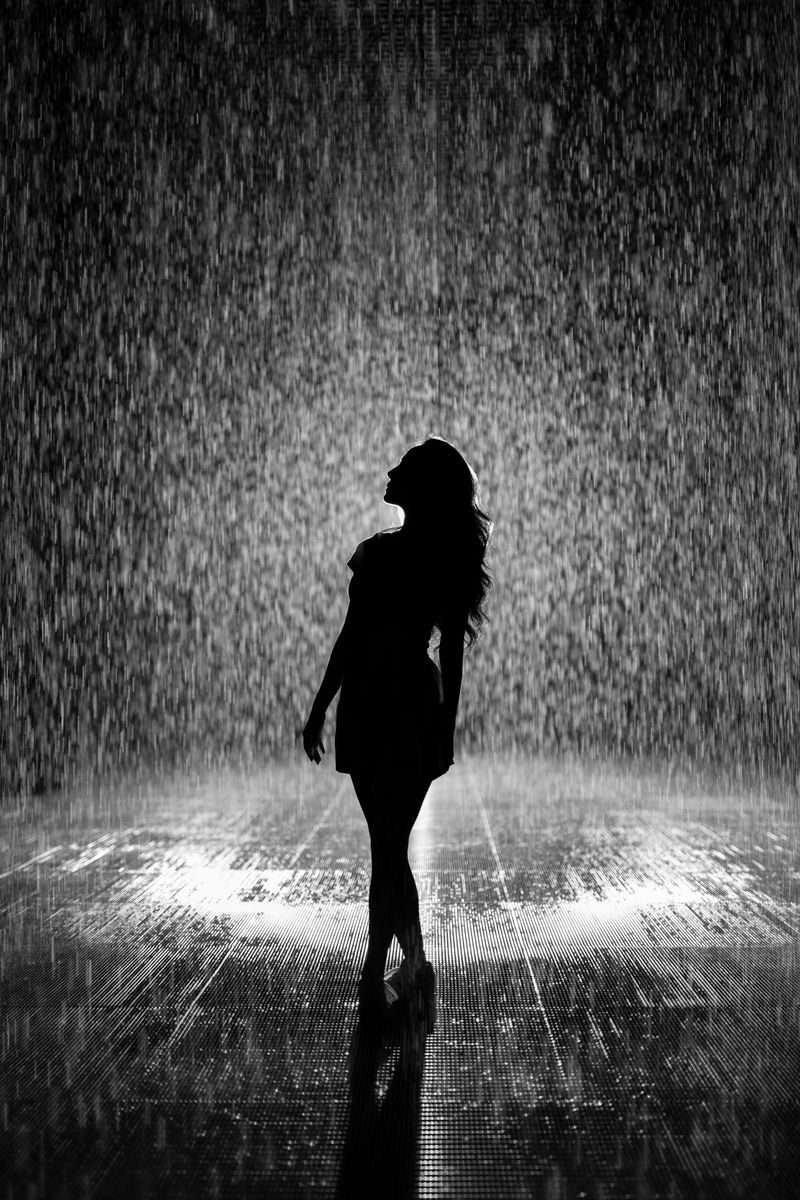
Rain Songs – Mystic Nature.
The rain sings to those who can hear.
Every drop is a sacred drum,
a heart beating against the earth.
When I lie on the wet grass,
I feel the planet breathing with me,
A song so old
that no language is able to translate. -
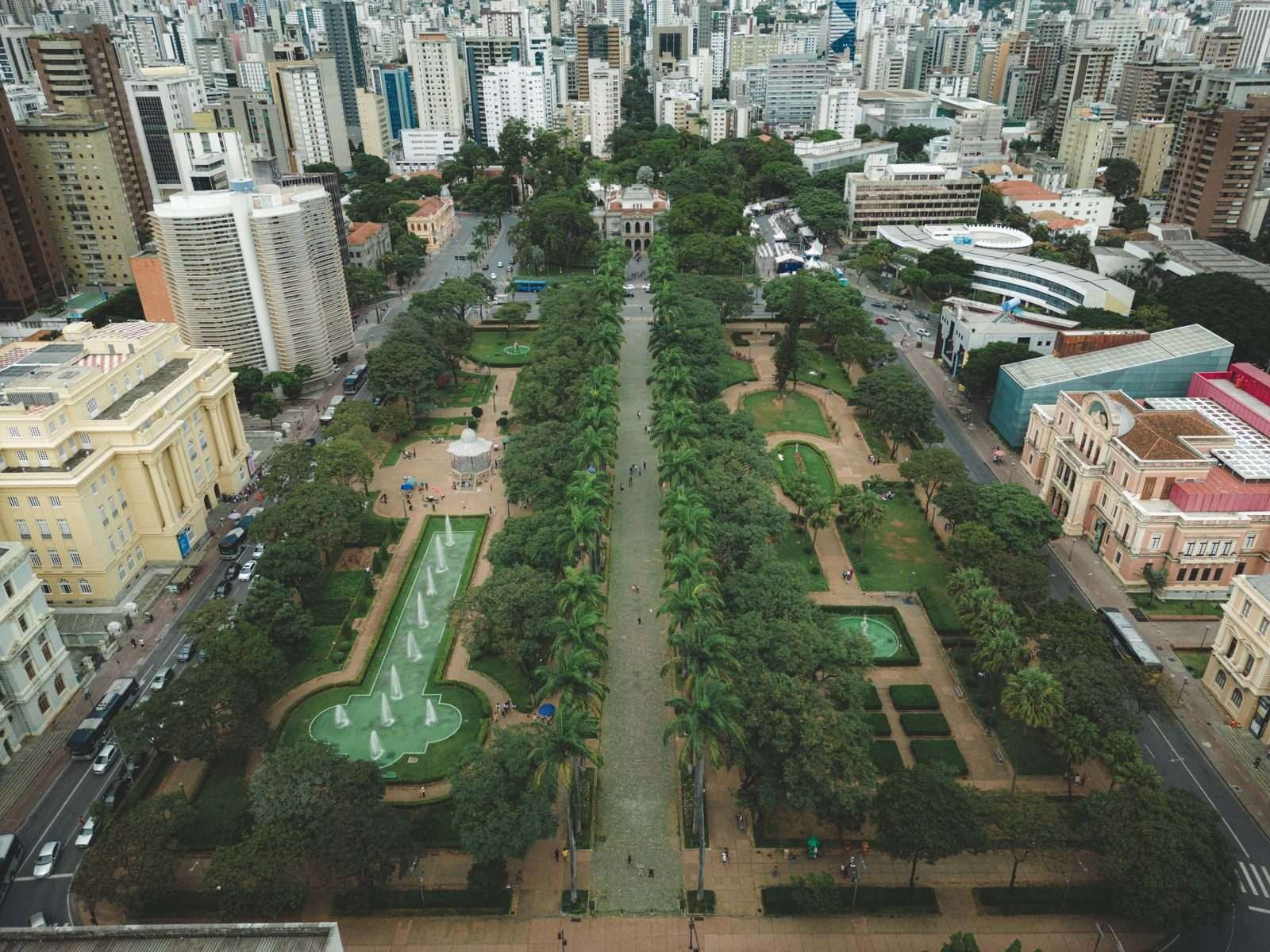
No jardim onde as horas.
No jardim onde as horas crescem como folhas antigas,
eu caminho tentando ouvir o que o tempo sussurra.
As flores têm raízes em memórias que ainda não vivi,
e cada pétala desabrocha em uma lembrança esquecida.
O vento arrasta segredos de um passado que não me pertence,
mas ainda assim me chama com uma ternura silenciosa.
Eu recolho instantes como quem colhe sementes,
sabendo que, um dia, o que floresce é sempre aquilo
que o coração regou em silêncio. -
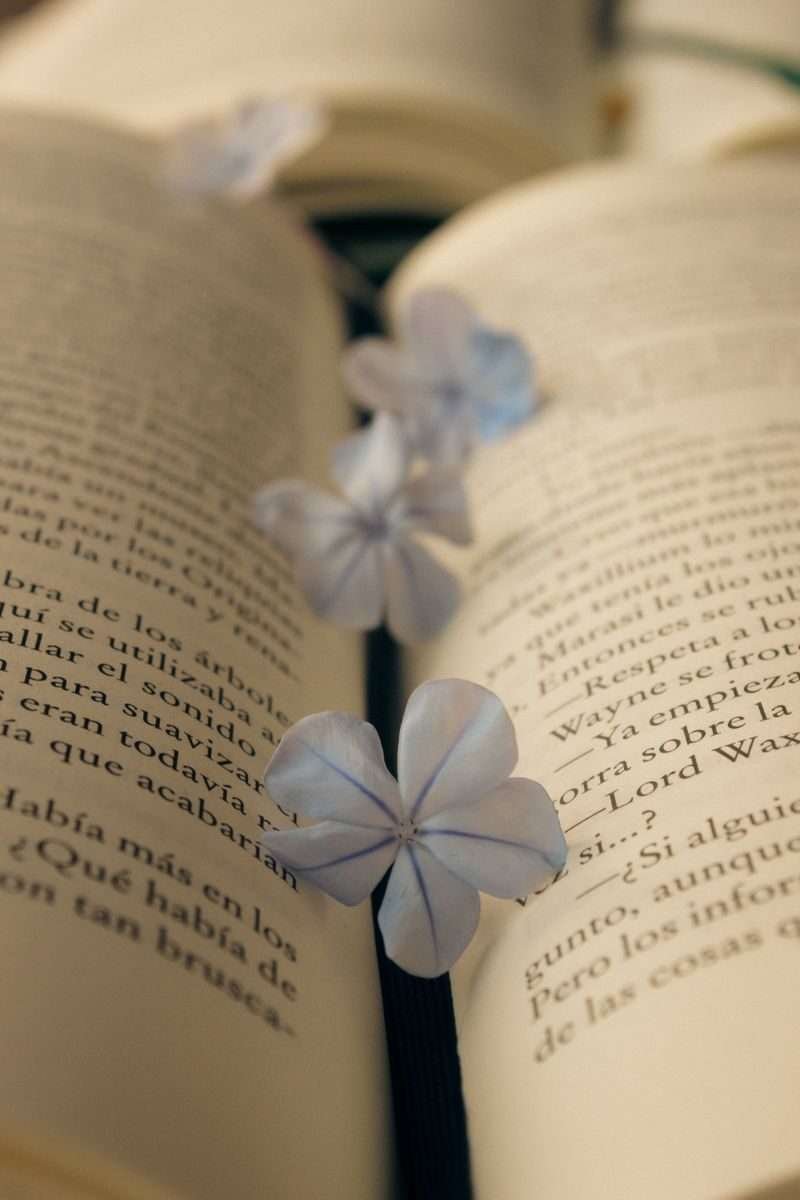
Learn to write poetry.
Poetry is one of the purest and most visceral forms of human expression. Contrary to what many think, it does not belong only to the academics or great geniuses of the literature of the past; poetry is a free territory, open to anyone who wishes to translate the world and their own feelings into words. If you feel the desire to write, but do not know where to start, know that the path of poetic writing is built with sensitivity and practice. With the right tips and inspirations, you will discover how to free the poet who exists in you and bring his own verses to life.
Find inspiration in your own day to day
Many people believe that to write poetry you have to live a life of great dramas, overwhelming romances or isolation on top of a mountain. In fact, most of the great poetry is born from attentive observation of the simplest daily life. The steam that rises from a cup of coffee in the morning, the rhythmic noise of the rain hitting the window or the tired look of a stranger in public transportation are valuable raw materials. Learning to poetize is, first of all, learning to look at the world with slower and more curiosity, seeing the extraordinary and beauty in what most people ignore in the rush of everyday life.
Another inexhaustible source of inspiration is your own innermost memories and emotions. Do not be afraid to turn the chest of the past or face complex feelings such as melancholy, ephemeral joy, indignation or longing. Poetry works as a mirror of the soul and, by putting on paper what squeezes your chest, you not only free yourself, but also create a bridge of empathy with the reader. After all, the pains and loves you feel are universal, and it is precisely this emotional honesty that makes a poem resonate in the heart of those who read it.
To capture these moments of inspiration before they disappear into routine, cultivate the habit of always loading a small notebook or using an annotation app on your phone. Write loose phrases, words that sound beautiful in your ears, or visual metaphors that come out of nowhere during lunch. Do not worry about perfection, the metric or the complete sense at this early stage. The important thing is to record the spark of inspiration; later, in the silence of your moment dedicated to writing, you can cut these crude ideas and turn them into structured poems.
Practical techniques for shaping your verses
When the time comes to pass on ideas to the paper, many beginners feel stuck by the rigid rules of rhyme and classical metrics. The good news is that contemporary poetry immensely values free verses, those that do not follow a fixed pattern of poetic syllables or compulsory rhymes. Start writing fluidly, letting the natural rhythm of your own voice guide the breaking of the lines. The layout of words on the page — the strategic use of white spaces and line breaks — it is also part of the message and helps dictate the rhythm and breathing time of reading.
To give more strength and texture to your poems, explore the power of figures of language, especially metaphor and sensory image. Instead of simply saying "I am sad", try to describe this sadness through the senses: what is the smell, color, sound or weight of that feeling? To say that "Loneliness has the taste of ashes and the silence of an empty house" evokes a much deeper and more visual reaction in the reader than a mere abstract statement. Show the feeling through concrete images instead of just naming it theoretically.
Por fim, entenda que escrever poesia é um processo contínuo de lapidação e reescrita. O primeiro rascunho raramente é a versão final e perfeita. Leia o seu poema em voz alta várias vezes para prestar atenção na sonoridade das palavras, nas pausas e na musicalidade dos versos. Se uma palavra parecer truncada, excessiva ou clichê, não hesite em cortá-la ou substituí-la. A poesia muitas vezes se destaca pelo que deixa de dizer, sugerindo sentimentos profundos nas entrelinhas e no silêncio. Pratique o desapego e edite seu texto até que cada palavra tenha um propósito claro e brilhante.
Escrever poesia é uma jornada fascinante de autodescoberta e expressão artística que exige apenas papel, caneta e a coragem de ser vulnerável. Não se cobre para criar uma obra-prima logo nas primeiras tentativas; permita-se errar, experimentar ritmos diferentes e brincar com as palavras sem julgamentos. Com o tempo, a leitura constante de outros poetas e a prática diária, sua voz poética se tornará cada vez mais clara, forte e única. Pegue seu caderno hoje mesmo e comece a traduzir o seu mundo em versos. -

Por que as personagens “incorretas” são as mais verdadeiras
Muitas histórias ainda nos apresentam figuras moldadas como ideais: corretas em suas escolhas, firmes em seus valores, sem falhas que manchem a imagem construída pelo enredo. Mas há uma visão que rompe com esse padrão — uma compreensão de que a perfeição não tem espaço na arte que quer refletir a essência humana. Como se costuma dizer: “Sou incapaz de acreditar que existam personagens corretas. Sei que todas têm um pano de fundo, uma sombra que talvez o escritor não tenha querido mostrar, mas que está ali. A mim interessa trazer essa sombra à luz por meio da escrita, por isso minhas personagens são pessoas cheias de incorreções. É isso que as humaniza.”
O que se esconde por trás da superfície
Todo ser humano carrega camadas: há o que mostramos ao mundo, e há o que guardamos — medos, arrependimentos, impulsos que não se alinham ao que é considerado “certo”, decisões que parecem equivocadas aos olhos dos outros. O mesmo acontece com as personagens. Muitas vezes, autores optam por deixar de lado essas partes mais obscuras, receosos de que elas afastem o leitor ou de que tornem a figura menos “admirável”. Mas essa escolha cria personagens vazias, distantes, que parecem saídas de um molde, sem alma nem profundidade.
A “sombra” a que se refere não é algo negativo em si — é apenas o que é humano, o que não se encaixa em regras rígidas de conduta. É o passado que moldou reações, a ferida que ainda influencia escolhas, o desejo que contraria o que é esperado. Ela está ali, presente em cada traço, mesmo que não seja explicitada de imediato.
As incorreções como marca de verdade
Ao trazer essas sombras à luz, a escrita ganha vida. Uma personagem que nunca erra, que nunca duvida, que nunca age de forma contraditória, não convence. Mas quando ela demonstra fraquezas, toma decisões questionáveis ou carrega vícios e limitações, ela se aproxima de nós. Suas “incorreções” são exatamente o que a torna palpável: mostram que, assim como qualquer pessoa real, ela é feita de contradições.
Essa abordagem transforma a leitura em um encontro. Em vez de olhar para uma figura inatingível, o leitor se identifica, reconhece suas próprias lutas e imperfeições refletidas ali. As falhas não diminuem a personagem — pelo contrário, elas aprofundam sua complexidade, permitem seu crescimento e tornam sua jornada muito mais significativa.
Escrever para revelar, não para aperfeiçoar
Essa forma de criar personagens também revela uma postura diante da arte: escrever não é construir modelos de conduta, mas dar voz à realidade da experiência humana. Ao optar por não apagar as sombras, o autor assume que a verdade está na totalidade, não apenas na parte que parece mais bonita ou adequada. É um ato de coragem: mostrar que a beleza pode existir junto com a imperfeição, que a dignidade não depende de ser sempre correto.
No fim, as personagens que permanecem na memória são exatamente aquelas que não cabem em definições simples. Elas são cheias de luz e escuridão, acertos e erros, qualidades e defeitos — assim como todos nós. E é justamente por serem “incorretas”, completas e reais, que conseguem nos tocar e nos fazer refletir sobre o que significa, de fato, ser humano.
Esse artigo explora a ideia central que você apresentou, organizando-a em uma reflexão sobre criação literária e a relação entre imperfeição e humanidade. Quer que eu também crie uma versão mais curta, para compartilhar em redes sociais? -
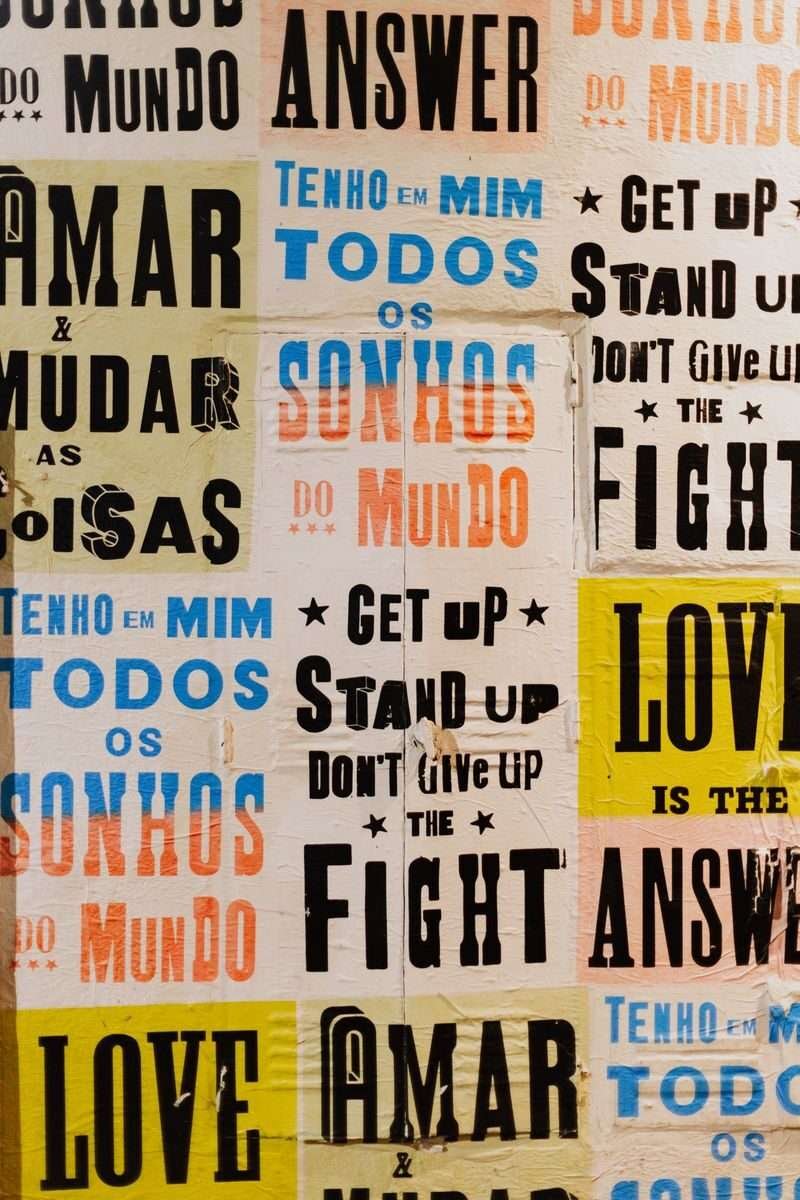
O lento artesanato de escrever e lapidar palavras
Num mundo dominado pela pressa e pelo consumo instantâneo de informação, a escrita literária resiste como um dos últimos redutos da lentidão e da contemplação. Escrever não é simplesmente preencher páginas em branco com pressões do teclado; é um processo íntimo de escuta, onde o silêncio que separa as palavras é tão importante quanto as próprias letras. Trata-se de um fazer manual e paciente, que se assemelha muito mais ao trabalho de um escultor diante de um bloco de mármore do que à produção em série de uma linha de montagem.
A busca paciente pelo compasso de cada frase
Escrever pouquíssimas frases por dia não é um sinal de bloqueio criativo, mas sim de respeito absoluto pela palavra. Cada linha que nasce no papel exige tempo para assentar, para respirar e para encontrar o seu compasso exato dentro do parágrafo. Essa lentidão deliberada permite que o autor busque não apenas o significado literal das palavras, mas a sua musicalidade intrínseca, o ritmo que dita a respiração do leitor e a harmonia que transforma um simples relato em arte literária.
Nessa busca constante, o grande desafio é a criação de imagens poderosas. O verdadeiro artesão da escrita empenha-se em dizer, em pouquíssimas e precisas palavras, aquilo que muitos levariam páginas inteiras para desenvolver. Uma metáfora bem lapidada tem o poder de condensar sentimentos complexos, paisagens inteiras e abismos psicológicos, poupando o texto de excessos e ornamentos desnecessários que apenas obscurecem a essência da mensagem.
Esse processo de síntese exige uma paciência quase mística. É preciso contemplar a página, esperar que a poeira das ideias assente e que a palavra exata — aquela que carrega o som e a imagem perfeitos — finalmente se revele. É um exercício diário de contenção, onde a pressa é a maior inimiga da profundidade e onde cada frase bem-sucedida é celebrada como uma pequena vitória sobre o caos do pensamento.
Lapidar e descartar: o eterno trabalho do artesão
A primeira versão de um texto é apenas a matéria-prima bruta, a argila ainda disforme que precisa ser moldada. O verdadeiro trabalho da escrita reside no ato de reescrever constantemente, uma e outra vez, dia após dia. Lapidar o texto significa ler em voz alta para testar a sonoridade de cada sílaba, perceber onde o ritmo tropeça e onde a melodia se perde. É um processo de escuta atenta, onde o ouvido se torna o juiz mais severo do próprio escritor.
Nesse caminho de purificação da linguagem, o desapego é uma virtude indispensável. Muitas vezes, o trabalho do artesão consiste em apagar, cortar e descartar sem piedade. É preciso ter a coragem de eliminar páginas inteiras que pareciam brilhantes, mas que não servem à totalidade da obra, e até mesmo engavetar romances inteiros para recomeçar do zero. O descarte não é um desperdício de tempo, mas sim o amadurecimento necessário para que a verdadeira história possa finalmente emergir.
Essa lida diária com a palavra revela que a escrita é uma tarefa essencialmente artesanal, um mistério que nunca terminamos de aprender completamente. Cada novo projeto impõe suas próprias regras e dificuldades, forçando o escritor a voltar à condição de eterno aprendiz. Não existem fórmulas prontas ou atalhos; há apenas o confronto diário com a folha em branco, o erro, a correção e a busca incessante por uma perfeição que, embora inalcançável, é o que mantém viva a chama da criação.
Ao final de cada jornada de trabalho, o que resta não é a quantidade de páginas acumuladas, mas a densidade do que foi salvo do esquecimento através do rigor estético. O lento artesanato de escrever e lapidar palavras nos ensina que a literatura de fôlego não nasce do ruído, mas do silêncio e da paciência. É na quietude desse fazer minucioso que a linguagem se eleva, transformando o esforço solitário do escritor em um encontro eterno e profundo com o leitor.
-

Escrever como quem respira sem o dever de ensinar
Escrever nem sempre precisa ser um ato de engenharia social, um palanque político ou uma sala de aula improvisada. Para muitos, a escrita reside em um espaço muito mais íntimo e visceral, longe das demandas utilitárias do mundo moderno. Escrever pode ser, e frequentemente é, uma extensão direta da própria existência — um processo tão vital e espontâneo que se assemelha ao ato de inflar e esvaziar os pulmões. Quando nos despimos da necessidade de produzir um impacto pedagógico, a palavra ganha uma leveza e uma verdade que nenhuma teoria consegue replicar.
Escrever como quem respira, sem nenhum esforço
Há quem veja o ato de sentar-se diante de uma página em branco como um combate, um parto doloroso que exige suor, sangue e lágrimas. No entanto, existe uma forma de escrita que opera em uma frequência completamente diferente, onde as palavras fluem com a mesma naturalidade com que o oxigênio entra e sai do corpo. Não há bloqueios criativos porque não há cobrança por performance; o texto surge como uma necessidade orgânica, uma resposta inevitável ao simples fato de estar vivo e observar o mundo.
Essa escrita sem esforço nasce de uma relação de profundo amor pelo ofício. Quem escreve dessa maneira não busca a validação constante, o aplauso rápido ou a construção de uma persona literária intocável. O prazer reside no deslizar da caneta ou no toque rítmico das teclas, no encaixe espontâneo das ideias que pareciam flutuar no pensamento e que agora encontram seu repouso no papel. É um diálogo silencioso com o próprio ser, onde o fluxo da consciência não encontra as barreiras da autocrítica paralisante.
Assim, o texto se torna um reflexo fiel de quem o escreve, sem maquiagens ou artifícios. Quando eliminamos a tensão do "escrever bem" e abraçamos o "apenas escrever", a literatura se liberta de suas amarras mais pesadas. O resultado é uma narrativa que respira, que tem batimento cardíaco e que se move com a fluidez de um rio, convidando quem lê a simplesmente acompanhar a correnteza, sem pressa e sem expectativas de chegada.
Livre do dever de ensinar ou de ditar regras
Em um mundo saturado de influenciadores, coaches e manuais sobre como viver, pensar ou agir, a escrita que se recusa a ensinar é um verdadeiro oásis de liberdade. Não há espaço para discursos moralistas, fórmulas de sucesso ou pedagogias baratas nessa abordagem. Escrever sem o peso de ser um farol para a humanidade permite que o autor se coloque no mesmo nível do leitor: ambos são apenas viajantes, tateando no escuro e tentando decifrar os mistérios da existência cotidiana.
Dizer "não tenho nada a ensinar" não é um ato de covardia ou de falsa modéstia, mas sim de extrema honestidade intelectual. Ao abrir mão do púlpito, o escritor se liberta da obrigação de ter respostas prontas para as angústias do mundo. O texto deixa de ser uma via de mão única, de caráter instrutivo, para se transformar em um espaço de partilha e empatia. Escreve-se para expor dúvidas, para celebrar a beleza do banal ou para expurgar dores, permitindo que o leitor encontre suas próprias respostas — ou perguntas — no caminho.
Essa recusa em ditar regras protege a essência mais pura da arte literária. Quando a escrita se livra do compromisso didático, ela recupera sua capacidade de ser apenas e tão somente humana, com todas as suas contradições, falhas e belezas. Não há lição de moral no final do parágrafo, não há um "aprendizado do dia". Existe apenas o registro sincero de um instante, a partilha de uma perspectiva que não quer convencer ninguém, mas que pulsa com a força de quem escreve simplesmente porque ama o próprio ato de criar.
Escrever como quem respira é, em última análise, um ato de entrega e de respeito à própria intuição. Ao desvincular a palavra da obrigação de educar ou de guiar o outro, devolvemos à literatura o seu caráter mais sagrado: o da pura expressão do ser. Que possamos sempre encontrar beleza nesses textos que não querem nos ensinar nada, mas que, justamente por sua despretensão e leveza, acabam nos tocando de forma muito mais profunda e duradoura.
-
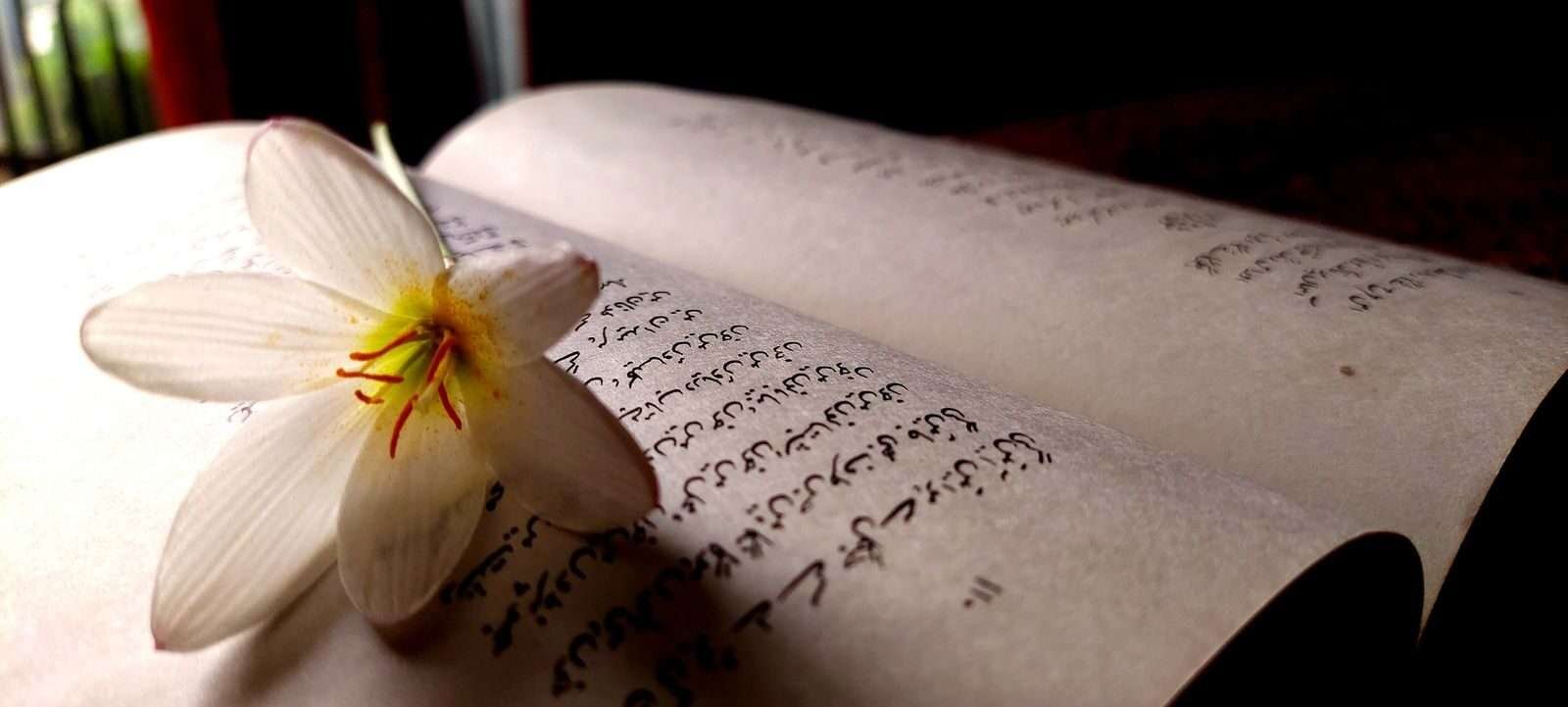
A poesia
Poetry is one of the purest and most visceral forms of human expression. Contrary to what many think, it does not belong only to the academics or great geniuses of the literature of the past; poetry is a free territory, open to anyone who wishes to translate the world and their own feelings into words. If you feel the desire to write, but do not know where to start, know that the path of poetic writing is built with sensitivity and practice. With the right tips and inspirations, you will discover how to free the poet who exists in you and bring his own verses to life.
Find inspiration in your own day to day
Many people believe that to write poetry you have to live a life of great dramas, overwhelming romances or isolation on top of a mountain. In fact, most of the great poetry is born from attentive observation of the simplest daily life. The steam that rises from a cup of coffee in the morning, the rhythmic noise of the rain hitting the window or the tired look of a stranger in public transportation are valuable raw materials. Learning to poetize is, first of all, learning to look at the world with slower and more curiosity, seeing the extraordinary and beauty in what most people ignore in the rush of everyday life.
Another inexhaustible source of inspiration is your own innermost memories and emotions. Do not be afraid to turn the chest of the past or face complex feelings such as melancholy, ephemeral joy, indignation or longing. Poetry works as a mirror of the soul and, by putting on paper what squeezes your chest, you not only free yourself, but also create a bridge of empathy with the reader. After all, the pains and loves you feel are universal, and it is precisely this emotional honesty that makes a poem resonate in the heart of those who read it.
To capture these moments of inspiration before they disappear into routine, cultivate the habit of always loading a small notebook or using an annotation app on your phone. Write loose phrases, words that sound beautiful in your ears, or visual metaphors that come out of nowhere during lunch. Do not worry about perfection, the metric or the complete sense at this early stage. The important thing is to record the spark of inspiration; later, in the silence of your moment dedicated to writing, you can cut these crude ideas and turn them into structured poems.
Practical techniques for shaping your verses
When the time comes to pass on ideas to the paper, many beginners feel stuck by the rigid rules of rhyme and classical metrics. The good news is that contemporary poetry immensely values free verses, those that do not follow a fixed pattern of poetic syllables or compulsory rhymes. Start writing fluidly, letting the natural rhythm of your own voice guide the breaking of the lines. The layout of words on the page — the strategic use of white spaces and line breaks — it is also part of the message and helps dictate the rhythm and breathing time of reading.
Para dar mais força e textura aos seus poemas, explore o poder das figuras de linguagem, especialmente a metáfora e a imagem sensorial. Em vez de dizer simplesmente "estou triste", tente descrever essa tristeza através dos sentidos: qual é o cheiro, a cor, o som ou o peso desse sentimento? Dizer que "a solidão tem o gosto de cinzas e o silêncio de uma casa vazia" evoca uma reação muito mais profunda e visual no leitor do que uma mera declaração abstrata. Mostre o sentimento através de imagens concretas em vez de apenas nomeá-lo teoricamente.
Por fim, entenda que escrever poesia é um processo contínuo de lapidação e reescrita. O primeiro rascunho raramente é a versão final e perfeita. Leia o seu poema em voz alta várias vezes para prestar atenção na sonoridade das palavras, nas pausas e na musicalidade dos versos. Se uma palavra parecer truncada, excessiva ou clichê, não hesite em cortá-la ou substituí-la. A poesia muitas vezes se destaca pelo que deixa de dizer, sugerindo sentimentos profundos nas entrelinhas e no silêncio. Pratique o desapego e edite seu texto até que cada palavra tenha um propósito claro e brilhante.Escrever poesia é uma jornada fascinante de autodescoberta e expressão artística que exige apenas papel, caneta e a coragem de ser vulnerável. Não se cobre para criar uma obra-prima logo nas primeiras tentativas; permita-se errar, experimentar ritmos diferentes e brincar com as palavras sem julgamentos. Com o tempo, a leitura constante de outros poetas e a prática diária, sua voz poética se tornará cada vez mais clara, forte e única. Pegue seu caderno hoje mesmo e comece a traduzir o seu mundo em versos.
-

Aprenda como escrever poesia com dicas e inspiração
Poetry is one of the purest and most visceral forms of human expression. Contrary to what many think, it does not belong only to the academics or great geniuses of the literature of the past; poetry is a free territory, open to anyone who wishes to translate the world and their own feelings into words. If you feel the desire to write, but do not know where to start, know that the path of poetic writing is built with sensitivity and practice. With the right tips and inspirations, you will discover how to free the poet who exists in you and bring his own verses to life.
Find inspiration in your own day to day
Many people believe that to write poetry you have to live a life of great dramas, overwhelming romances or isolation on top of a mountain. In fact, most of the great poetry is born from attentive observation of the simplest daily life. The steam that rises from a cup of coffee in the morning, the rhythmic noise of the rain hitting the window or the tired look of a stranger in public transportation are valuable raw materials. Learning to poetize is, first of all, learning to look at the world with slower and more curiosity, seeing the extraordinary and beauty in what most people ignore in the rush of everyday life.

Another inexhaustible source of inspiration is your own innermost memories and emotions. Do not be afraid to turn the chest of the past or face complex feelings such as melancholy, ephemeral joy, indignation or longing. Poetry works as a mirror of the soul and, by putting on paper what squeezes your chest, you not only free yourself, but also create a bridge of empathy with the reader. After all, the pains and loves you feel are universal, and it is precisely this emotional honesty that makes a poem resonate in the heart of those who read it.

To capture these moments of inspiration before they disappear into routine, cultivate the habit of always loading a small notebook or using an annotation app on your phone. Write loose phrases, words that sound beautiful in your ears, or visual metaphors that come out of nowhere during lunch. Do not worry about perfection, the metric or the complete sense at this early stage. The important thing is to record the spark of inspiration; later, in the silence of your moment dedicated to writing, you can cut these crude ideas and turn them into structured poems.
Practical techniques for shaping your verses
When the time comes to pass on ideas to the paper, many beginners feel stuck by the rigid rules of rhyme and classical metrics. The good news is that contemporary poetry immensely values free verses, those that do not follow a fixed pattern of poetic syllables or compulsory rhymes. Start writing fluidly, letting the natural rhythm of your own voice guide the breaking of the lines. The layout of words on the page — the strategic use of white spaces and line breaks — it is also part of the message and helps dictate the rhythm and breathing time of reading.

Para dar mais força e textura aos seus poemas, explore o poder das figuras de linguagem, especialmente a metáfora e a imagem sensorial. Em vez de dizer simplesmente "estou triste", tente descrever essa tristeza através dos sentidos: qual é o cheiro, a cor, o som ou o peso desse sentimento? Dizer que "a solidão tem o gosto de cinzas e o silêncio de uma casa vazia" evoca uma reação muito mais profunda e visual no leitor do que uma mera declaração abstrata. Mostre o sentimento através de imagens concretas em vez de apenas nomeá-lo teoricamente.

Por fim, entenda que escrever poesia é um processo contínuo de lapidação e reescrita. O primeiro rascunho raramente é a versão final e perfeita. Leia o seu poema em voz alta várias vezes para prestar atenção na sonoridade das palavras, nas pausas e na musicalidade dos versos. Se uma palavra parecer truncada, excessiva ou clichê, não hesite em cortá-la ou substituí-la. A poesia muitas vezes se destaca pelo que deixa de dizer, sugerindo sentimentos profundos nas entrelinhas e no silêncio. Pratique o desapego e edite seu texto até que cada palavra tenha um propósito claro e brilhante.

Escrever poesia é uma jornada fascinante de autodescoberta e expressão artística que exige apenas papel, caneta e a coragem de ser vulnerável. Não se cobre para criar uma obra-prima logo nas primeiras tentativas; permita-se errar, experimentar ritmos diferentes e brincar com as palavras sem julgamentos. Com o tempo, a leitura constante de outros poetas e a prática diária, sua voz poética se tornará cada vez mais clara, forte e única. Pegue seu caderno hoje mesmo e comece a traduzir o seu mundo em versos.
-

Everything is One.
In a small village, there was a young man named Lucas. He always believed he was a separate person from the others. I thought his problems were just his and that someone's success had nothing to do with him. Lucas lived an ordinary life, working hard, but feeling an emptiness within himself. One day, walking through the forest, he found an elderly woman sitting under a tree. She had a special glow in her eyes.
Beware of this idea of separation, she said with a smile. Everything is unity. Everything is connected.
Lucas didn't understand well, but he was curious. He started talking to the woman and heard stories about how birds, rivers and even stones were all part of the same energy. She explained that when someone hurts someone else, they're actually hurting themselves, too. And when you help someone, you're helping yourself.
Intrigued, Luke decided to pay attention to how he treated people around him. He started helping his neighbors, taking care of the animals and preserving nature. Gradually he realized he was happier. The positive energy he emitted returned to him in unexpected ways.
One night as he reflected on everything he had learned, Luke had a deep dream. He was in a vast field, surrounded by flowers, trees and all the creatures of nature. You felt a strong connection to everything around you. There was no more separation. He understood that everything was part of a single body, and that body was the universe.
When he woke up, Lucas was different. I felt like I didn't have to live alone anymore. From that day on, he dedicated himself to creating an environment where everyone felt part of something bigger. He organized events in the village, where people gathered to share their stories, their joys and their struggles. The unit began to flourish.
In time, the village gained new life. People helped each other, cared for each other and respected nature. The ego and separation were set aside, and Luke realized that true happiness comes from connection. He had found a purpose: to live like the universe that shines through each of us. And with that, the illusion of separation disappeared, giving way to the magic of union. -

The presence that heals
.
In a small village, there was a man named Lucas. He was known for his inner peace and the way people felt about him. Lucas didn't have to do anything special. He was just there. Everyone in the village felt that as they approached him, their worries and sorrows disappeared.
One morning, a woman named Clara arrived in the village. She was going through a difficult time in her life, full of anxiety and doubts. When he heard of Luke, he decided to look for the man who brought peace. With a heavy heart, she walked to his little house.
Upon entering, Clara found Luke sitting in a corner, just watching the sunlight enter through the window. He wasn't reading or talking. He was just there, present. As Clara looked into her eyes, a feeling of calm involved her. Why do I feel that way? It was as if all your troubles were being carried away by the wind.
Clara sat in front of Lucas and began to talk about his troubles. But as he spoke, he realized that his words did not matter so much. It was Lucas' presence that calmed her down. He didn't offer complicated solutions or advice. He just heard her. The silence between them has become a safe space. With every passing moment, Clara felt lighter.
After a while, Clara realized she didn't have to talk anymore. Luke's presence was causing his pains to evaporate. She felt that her fears were just illusions created by her mind. When he looked at Lucas again, he saw a soft smile on his face. He had not changed anything in his life, but the way he was there, totally present, made all the difference.
Clara left Lucas' house with the lightest heart. She understood that sometimes what we need is not words or actions, but simply someone who is there, present. Luke's presence was a priceless gift: he transformed anguish into peace.
In time, more people came to Luke, seeking the cure he did not know he was offering. And so, the small village became a place of tranquility, where the mere presence of a person could heal souls.
-

O guardião feito de luz.
Ele veio de lugares sem nome,onde o tempo não ousa tocar.Um guardião feito de luz,que não precisa falarporque sua presença já é palavra,já é caminho.Aparece apenas para quem perdeu a esperança,e toca o ombrocomo quem devolve ao mundoo que o mundo roubou.Não pede fé,não exige promessa.Apenas ilumina.E no brilho que deixa para tráscada coração aprendea acender o próprio.

