The path may rise, a jagged stone,
Or shadows stretch where light has flown.
But in your spirit, bright and keen,
A hidden strength, a vibrant scene.
Each block that bars, each winding chase,
You reshape with a knowing grace.
The wall alleys a lunching place,
A whiskey hop, a forward pace.
With every stump, every test,
You find the moment to invest
In finding chances, put to rest
The bear that binds, the doubt oppressed.
So run the course, with steady stride,
Where Hurdles Wait, and Fears resides.
For every challenge, deep inside,
The golden opening will abide.
A path may rise, a jagged stone,
Or shadows stretch where light has flown.
But in your spirit, bright and keen,
A hidden strength, a vibrant scene.
Each block that bars, each winding chase,
You reshape with a knowing grace.
The wall alleys a lunching place,
A whiskey hop, a forward pace.
With every stump, every test,
You find the moment to invest
In finding chances, put to rest
The bear that binds, the doubt oppressed.
So run the course, with steady stride,
Where Hurdles Wait, and Fears resides.
For every challenge, deep inside,
The golden opening will abide.
Tag: literature
-

Inner Strength and Resilience
-
Passion, Conflict and Heat
In a dystopic city, where life overcame freedom, there was an intense and contradictory love between Clara and Ezekiel. They knew each other since childhood, but the oppressive reality around them made them ever closer, as the shadows of society separated them.
Clara was a rebel artist, her color painting contrasted with the ashes of the city. In the secret murals he created, he poured out his emotions, revealing his inner struggle. Ezekiel, on the other hand, was a critical thinker, always questioning the rules imposed. Together, they formed an explosive duo that shone in the darkness of the world.
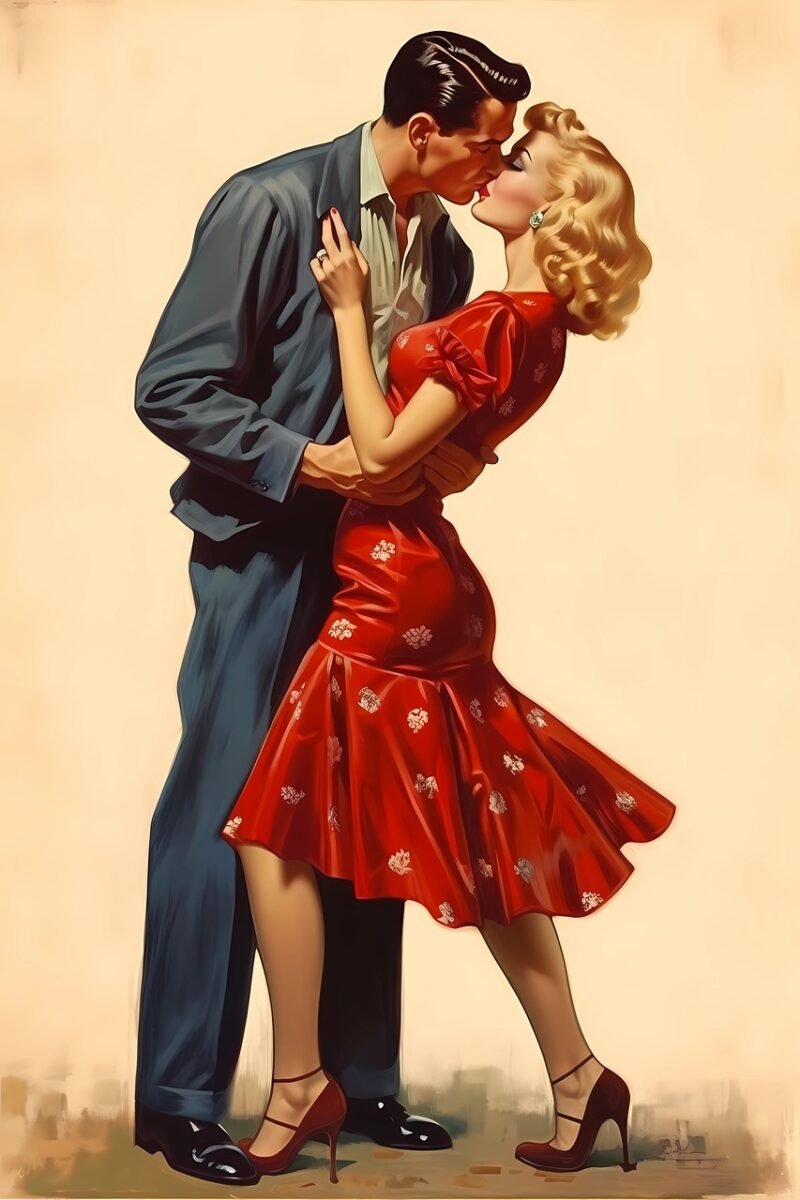
One night they met in an old warehouse where time seemed to stop. The place was full of art and light and the smell of fresh paint. Clara approached Ezekiel, his eyes reflected a burning passion. He pulled her close, her bodies heating up under the soft light. The tension in the air was palpable. Clara touched his face, his hands shaking.
Ezekiel looked into her eyes and saw the promise of a different life, free from the chains that imprisoned them. They kissed, the warmth of her mouth burned in her skin, expanding the passion that united them. It was a bold kiss, in which they fought between love and desire, pain and freedom. The contradictory emotions generated a fire that consumed them.
But happiness didn't last long. The government considered them a threat. At a clandestine meeting, Ezekiel discussed the risk they would take. Clara was terrified, but her passion for Ezekiel spoke louder. She held your hand and said that together they could face any obstacle. The courage they felt for each other was like a fuel, burning their souls.
Nights have become a battlefield between freedom and oppression. Clara painted at dawn, Ezekiel wrote poems, both feeding on the adrenaline of the rebellion. The moments of intimacy were always saturated with conflict, but also with tenderness. After all, they were in love. In every touch, there was the promise of hope and the fear of loss.
In that grey city, Clara and Ezekiel continued their struggle, illuminating the darkness with their creations. Their relationship, incredibly intense and contradictory, challenged all standards, showing that true love can flourish even in the most hostile environments. -
The verse book that returned meaning to your journey
Carlos was 62 years old and a feeling that he could not find a name: after he retired, and with his wife, Maria, leaving for a disease that took little time, he felt that his life had broken down like an old role. The days all looked the same, a heavy silence lived in the corners of the house and the thoughts came to the mountains, confused, unordered, like dried leaves carried by the wind. He'd wake up, make up the bed, make coffee, look out the window and wonder, what's the point of all this, if there's no one else waiting for me? No account, no logic, no practical explanation could answer that question. The world seemed like a cold, meaningless place.
One day, when he got a forgotten drawer, he found a darkcover notebook that had been Maria’s. Expected recipes or household notes — But when he opened it, he discovered verses. She had been writing for years, never telling him: she spoke of the wind in the window, of the beauty of a shared coffee, of the longing I had imagined feeling, of the certainty that life, even with its pains, was worth living. As he read those words, Carlos felt something strange and soft happen within himself: suddenly, that pain that seemed formless, nameless and endless, gained voice. The chaos of your feelings began to organize. He was no longer alone in that sense of loss. — someone he loved had experienced similar concerns, and had managed to transform pain into something beautiful, that could be touched and read.
Gradually he began reading more: poems by Carlos Drummond de Andrade, by Cecília Meireles, by Manuel Bandeira — voices of our land, who spoke with their tongue, with their way of seeing the world. And poetry was doing its job, slowly, without hurry. Reading verses that described loneliness or the passage of time, he realized that he was not the only one to feel it: his personal pain became part of a larger story, an experience common to all human beings, and this brought a profound, almost liberating relief. By putting himself in the place of the poets, by feeling what they said, he began to look more carefully at the people around — for the neighbor who walked low, for the market attendant who smiled with effort — and understood that each one carried his own pains and desires, even if they did not say them. His ability to understand the other grew, without him realizing it: empathy became part of his daily life.
When the thoughts came confused and agitated, a certain verse brought clarity, as if a light lit up within it. And gradually, he was gaining strength to follow: he realized that loss does not erase what he lived, that longing is also a form of love, and that uncertainty is part of the way. Poetry has given him resilience: it has shown that generations have experienced difficulties like his own, and have managed to transform suffering into beauty and reflection.
Carlos reads a poem every morning today. He no longer pursues a grand sense or definite answers. He learned, with lyrical sensitivity, that the fullness of life is not in how much we conquer or how much we hurry, but in the intensity with which we live every small moment: the sun that enters through the window, the taste of coffee, the gentle memory of those we love. He found that poetry doesn't give all the answers — but it teaches us to see, feel and value our brief and precious passage through the world. And that, after all, is all we need to walk.
-
Poetry: The Art That Gives Sense to Our World Pass.
Living is, first of all, an experience full of mysteries, contradictions and questions that rarely find definitive answers. In the midst of the daily rush, among worries, passing joys and pains that seem to have no name, we often feel that our thoughts are scattered, like leaves carried by the wind. It is in this scenario that poetry appears as one of humanity's deepest and most necessary creations: a delicate but firm bridge that connects us to ourselves and to the world that surrounds us.
The poetic creation functions as a special tool of mediation between the individual and the whole complexity of existence. By choosing each word carefully, by giving rhythm and form to what before was just a vague feeling or a whirlwind of confused ideas, the poet manages to do something extraordinary: he orders the chaos that exists within each of us. It gives visible form to what is abstract, voice to what was silent and felt to what seemed unexplained. This organization is not just an aesthetic exercise — It brings a deep, almost liberating relief. The small and great pains of everyday life cease to be isolated sufferings and gain the dimension of shared reflection, transforming personal experiences into something that belongs to everyone. Poetry thus becomes a mirror in which we recognize our own search, our fears and our deepest desires.
And its benefits go far beyond the simple pleasure of reading or hearing beautiful verses. As we approach lyrical art, we undergo transformations that touch the most intimate of our being. By putting us in the place of those who wrote, or by feeling what a verse awakens in us, we naturally develop a greater capacity to understand the pains, desires and motivations of others. — our empathy expands, and we realize that despite the differences, we share the same human essence. When we find in a poem words for what we feel but cannot say, our thoughts are organized, ideas are clarified and confusion gives room for a sense of peace and clarity. And, above all, poetry helps us build resilience: by seeing that feelings such as loss, longing or uncertainty have been lived and transformed into beauty by so many people before us, we gain strength to face the losses and challenges that are inevitable part of our journey.
The sensitivity that poetry awakens in us also brings a precious lesson: it shows us that the fullness of a life is not measured by how much we conquer or run, but by the intensity with which we live each present moment. In a world that always pushes us into the future, that makes us chase after what we do not yet have and forget what is before us, lyrical art teaches us to stop, observe and feel. When we opened up to her — especially for the richness of our brazilian literature, which portrays with such truth our way of being — we realize how poetry can capture, with a precision that reason sometimes does not reach, the essence of our brief, but precious, passage through the world. -
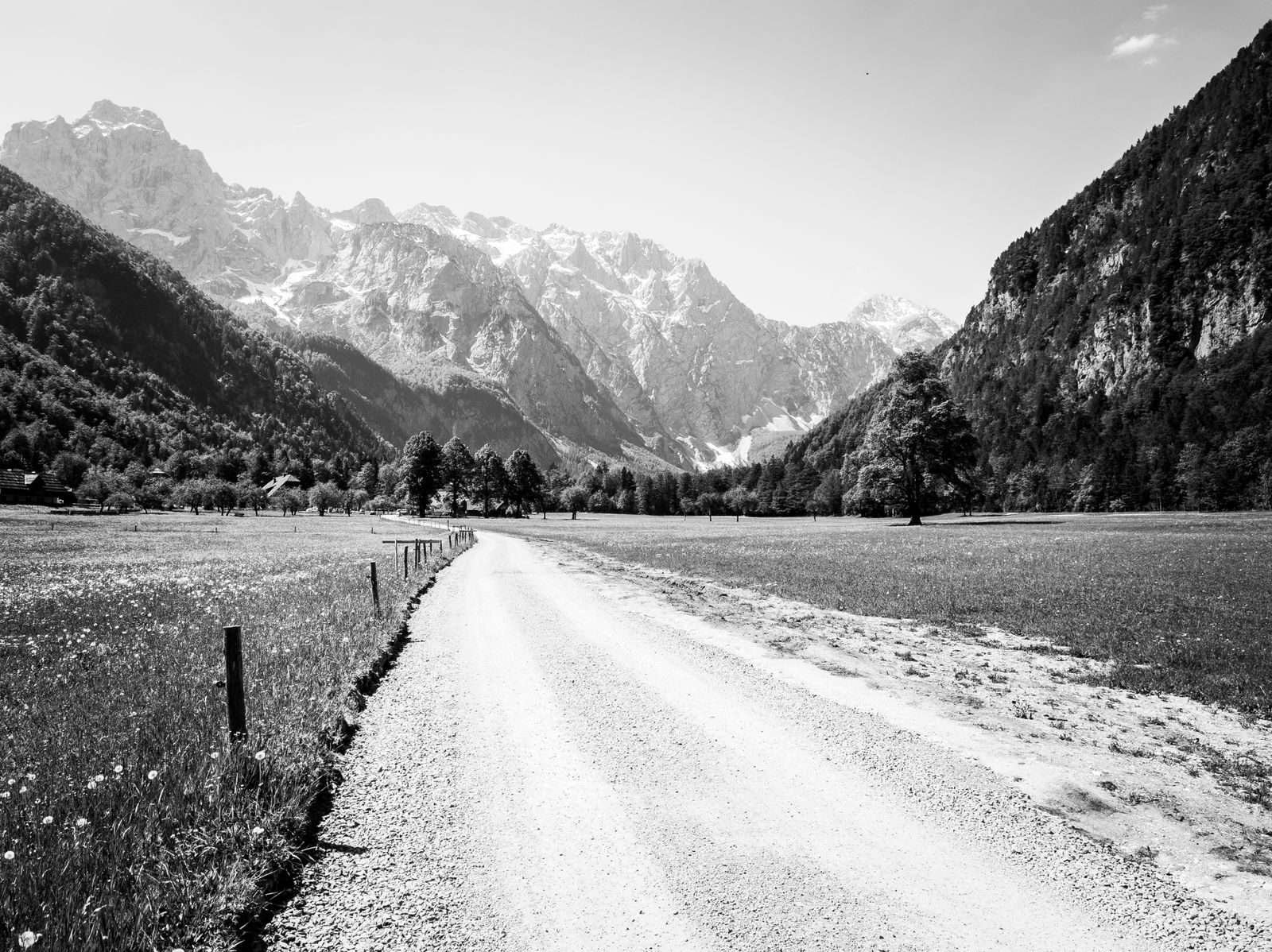
The Praise of Imperfection: Because the Pie Tree preserves its freedom.
In the immense collection catalogue of the contemporary world, the straight line is the gold standard. We are taught, from very early on, that the value of a life is measured by its practical usefulness: by income, by impeccable curriculum, by quick response and by the almost superhuman ability to adapt to any requirement. They want us to be like perfect trees, straight and predictable trunks, ready for cutting. However, there is an ancient wisdom — rescuing metaphors from trees, animals and dreams — which reminds us of a comforting truth: the pie tree grows free, while the straight tree ends up in the hands of the carpenter.
This image deconstructs the rigidity of human certainties and our relentless pursuit of prestige. What the social and economic system calls "defect" or "utility" may actually be the greatest defense mechanism of an individual. The lack of immediate utility for the market becomes protection. While the straight symmetrical tree attracts the axe because it is considered "useable", the tree full of us and curves remains standing, fulfilling its natural cycle, giving shade and sheltering birds. She doesn't serve the carpenter, but she serves life.
The Pillars of Sacred Uselessness
To understand this philosophy of detachment and inner silence, we need to turn upside down the concepts of success that sell us daily. The freedom proposed by this metaphor is based on five fundamental pillars:
Appearing Utility vs. Own Value: The apparent usefulness is what the system validates as advantageous or productive. Self-worth, on the other hand, precedes any external approval; it exists whether you serve someone's interests or not.
Spontaneity and Wu Wei: Living with spontaneity means inhabiting nature itself without forcing an artificial form to fit in other people's ways. It is the concept of Wu Wei — to act in harmony with the natural flow of things, without the need to control everything by force or mental wear.
Disagreement of Fame: It means disfigure the idea that the whole life should be organized around positions, titles or social prestige.
Important: This perspective does not defend irresponsible passivity or contempt for daily commitments. What she questions is the neurotic obligation to fit absolutely every pattern just to be accepted. Preserving its essence requires accepting the price that not everyone will understand its way of living, thinking or choosing.
The Revolution in Routine: Return to Singularity
Bringing the wisdom of the crooked tree into everyday life does not require great dramatic ruptures, but small, firm and decisive choices. In practice, our freedom is protected when we exercise four essential movements:
Say no: Refuse tasks, invitations or social roles that nullify our personal limits and silence our mental health.
Avoid comparison: Understanding that life itself does not need (and should not) be measured by the fast pace or by the goals achieved by others.
Protect singularity: Recognizing once and for all that not every difference is a defect that needs to be corrected. Your knots and curves are part of your identity.
Reduce the rush: Accept processes and paths that do not generate immediate financial or practical results, but preserve their emotional balance.
At first, giving up the "perfection" required by the carpenter may seem a disadvantage. The world will suggest you're falling behind. But just look around to realize that what prevents someone from being "used" and chewed by the system is exactly what preserves their health, their peace of mind and their unique way of existing. In the theater of life, being a crooked tree is not a failure; it is the most sublime act of freedom. -
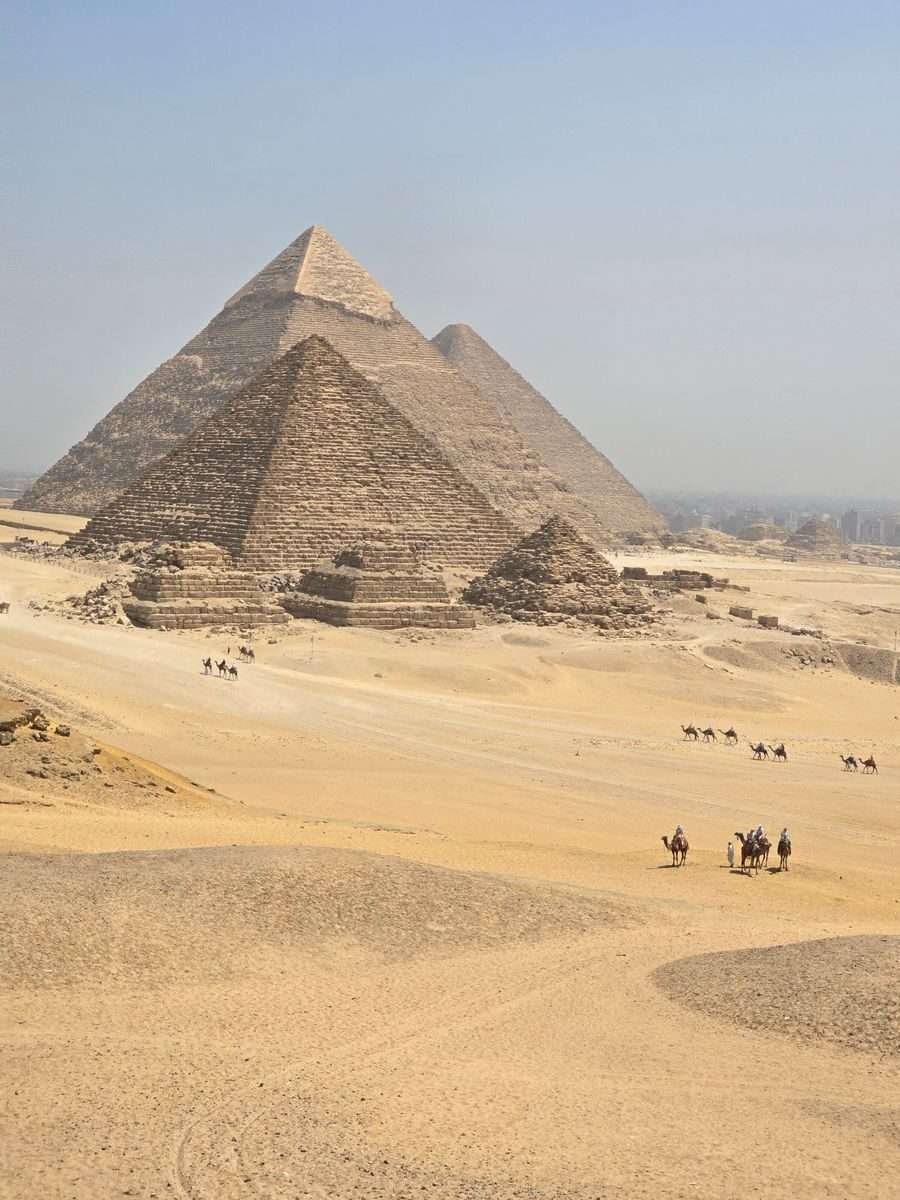
Egito Antigo – Mistérios, Pirâmides e a Sabedoria Milenar
A cultura do Egito Antigo é uma das mais antigas e importantes da história da humanidade. Ela se desenvolveu às margens do Rio Nilo, que fornecia água e terras férteis para a agricultura. Os egípcios acreditavam em vários deuses e praticavam uma religião politeísta. O faraó era considerado um governante sagrado e tinha grande poder sobre a sociedade. A religião influenciava todos os aspectos da vida cotidiana. Os egípcios construíram templos, túmulos e monumentos grandiosos. As famosas Pirâmides de Gizé foram erguidas como túmulos para os faraós. Eles também desenvolveram técnicas avançadas de engenharia e arquitetura. A escrita era feita por meio dos hieróglifos. Os escribas registravam informações importantes em papiros. A sociedade era organizada em diferentes grupos sociais. Os nobres e sacerdotes ocupavam posições de destaque. Os camponeses trabalhavam na agricultura e sustentavam a economia. O comércio também era importante para o desenvolvimento do reino. A mumificação era praticada para preservar os corpos após a morte. Os egípcios acreditavam na vida após a morte. A arte egípcia tinha forte ligação com a religião. Pinturas e esculturas retratavam deuses, faraós e cenas do cotidiano. A música e a dança faziam parte das festividades religiosas. A educação era valorizada entre as classes mais altas. A medicina egípcia possuía conhecimentos avançados para a época. A astronomia ajudava na organização do calendário. A cultura egípcia influenciou diversos povos ao longo da história. Seu legado permanece vivo por meio de monumentos, obras de arte e conhecimentos que continuam sendo estudados atualmente.
-

Love Stories – Narratives Through Generations
In a busy town, where people rushed by without really seeing each other, there was an old building. Two lonely people lived in this building, Clara and Lucas. They both lived in apartments facing each other, but they had never spoken. Clara was an artist and spent her days painting at her house, while Lucas was a writer, always seeking inspiration in her quiet corner. They felt invisible, each trapped in their world.
One night, while Clara looked out the window looking for ideas for her new painting, she noticed Luke sitting at the table with his head down and a sad look. He looked tired and lost. Something inside her made her want to connect, even if they didn't know how. So with a pen and a piece of paper, she wrote: Hello! I see you. Can we talk?
Clara glued the note to the window. His hope was mixed with fear, but for some reason he felt he needed to try. He waited, watching Lucas' window, his heart beating fast. After a few minutes, she was almost out of breath when she saw Luke look up. He saw the note and, for a moment, his eyes met.
Lucas hesitated, but curiosity spoke louder. He took a piece of paper, wrote something short and glued it to the window: Hello! Who are you? Clara smiled, a mixture of relief and excitement invaded her. Thus began a dialogue that would change their lives.
The next few days, they exchanged tickets. Clara wrote about her art, the colors she loved and how she felt trapped in a black and white world. Lucas shared about his dreams of writing a great book, but he also revealed his fear of never getting it.
As conversations deepened, they began to reveal personal secrets and fears. Clara confessed that she felt alone, even surrounded by people, and Luke told her that she had lost hope in her writing. The connection they built through the tickets became increasingly special and full of emotion. Both souls were hungry for understanding and friendship.
One night, while the wind was blowing hard, Clara decided she had to ask Lucas something else. She wrote: Have you ever felt in danger? Like something or someone was watching you? When Lucas read it, a shadow passed through his face. He hesitated before answering, but finally wrote: Yeah, sometimes I feel like there's something weird going on. What do you mean by that?
The weather has changed. Clara was intrigued and a little scared. She'd never had this conversation before. His heart beat him hard as he wrote back: I just felt like a couple of nights someone seems to be watching me. Have you ever felt that?
Luke, now more concerned, wrote quickly: It happened to me too. Sometimes I feel like someone's around me, but I can't see. It makes me nervous. The silence that followed seemed heavy and full of tension. They didn't know what could happen next.
As the days advanced, the ticket exchange became more intense. They spoke of their deepest fears, but also of their hopes. Clara decided she needed to meet Lucas personally. The desire to see him and understand what was happening grew inside her. So in a note, she wrote: How about we meet? We can talk in person.
Lucas was silent for a while. He knew it was supposed to be a good idea, but his instinct told him to be careful. Finally, he wrote: Yes, but we must be cautious. Maybe tomorrow night?
Clara was excited, but also apprehensive. That night, she was awake, thinking about the date. Time seemed to drag as the hours passed. When morning came, she prepared. He decided to wear something special, but anxiety kept his food untouched.
À noite, Clara se posicionou perto da janela, olhando para a rua. O coração pulava no peito. Esperava ver Lucas aparecer. O pôr do sol pintava o céu de laranja e rosa, criando uma atmosfera perfeita para um encontro. Mas, conforme a escuridão se instalava, Clara notou uma mudança no ar. Um frio estranho a envolveu.
Quando Lucas finalmente chegou, algo não estava certo. Ele parecia nervoso e olhava por sobre o ombro. Oi, Clara, ele disse, puxando um ar pesado. Clara percebeu que algo estava errado. Você está bem?, perguntou.
Não, sinto que alguém está me seguindo, respondeu Lucas, olhando para trás novamente. Clara sentiu um arrepio. Você também sente isso?, perguntou, tentando manter a calma.
Então, de repente, ambos ouviram um ruído. Aurora, a vizinha do andar de baixo, saiu de sua casa e olhou para cima. Eles se entreolharam, e um silêncio constrangedor se seguiu. Os dois ficaram parados, sem saber o que fazer ou dizer. O que deveria ser o começo de uma nova amizade virou um momento de tensão.
E agora?, sussurrou Clara, enquanto o medo crescia. Lucas olhou ao redor, tentando entender o que estava acontecendo. Talvez devêssemos voltar para casa, disse ele, nervoso.
Enquanto cada um se afastava para suas casas, uma sensação de incerteza e medo tomou conta das suas almas. A amizade havia começado cheia de promessas, mas agora, a sombra da dúvida pairava entre eles. O que realmente estava acontecendo? E quem, ou o que, estava os observando? -

Why We Write Back in Digital Chaos Times: From Daily to Newsletter
From Daily to Newsletter: Why Are We Writing Again in Digital Chaos Times?
There was a time when writing about yourself was a strictly private act. Locked with little keys in hardcover notebooks, the journals kept our deepest secrets away from the eyes of the world. Years later, the internet promised to connect us, but pushed us into the social media arena, where the rule was to shorten, accelerate and edit life so that it would fit into millimetrically calculated subtitles and videos of a few seconds. The result? An epidemic of digital fatigue, excessive stimuli, and anxiety that seems to give no truce. However, a quiet and powerful movement is gaining strength in the opposite direction: we are rewriting long texts.
The meteoric rise of personal newsletters and the rebirth of therapeutic writing — either in notebooks, physical notebooks or deep essays — reveal a profound change in our behavior. This is not nostalgic preciousism, but a collective defense mechanism. While traditional network algorithms require performance, immediate tanning, and toxic positivity, blank sheet space (or email inbox) appears as a refuge. There are no dances, no rush and, above all, there is no obligation to summarize human complexity in a fifteen-second story.
This migration from the quick format to the run text shows that we have reached our emotional saturation limit. Digital exhaustion comes not only from screen time, but from the fragmentation of our attention. We spent the day jumping from stimulus to stimulus, consuming fragments of ideas that are not complete. Writing, therefore, comes less as an urgency to "produce content" and much more as a vital need to organize mental chaos. When we put one word after another, we are forced to slow down, outline what we feel and digest the world around us. It's writing working as an anchor in the information storm.
The phenomenon of personal newsletters is perhaps the most fascinating reflection of this transition. They represent the perfect middle ground between the old diary and the human need for connection. By sending a long text directly to someone's inbox, a pact of intimacy is established that has been lost in the infinite feed of social networks. Those who write, share their vulnerabilities, doubts and trials without the filter of spectacularization. Those who read, do so in their own time, away from disruptive notifications. It's a ransom of genuine conversation.
In the end, the return to writing — whether public or strictly personal — is a manifesto of resistance against the haste of the contemporary world. We write because we need depth. We write because life does not fit into a tweet and our pains do not heal with an image filter. Faced with the screens that fragment us, the written word appears as the oldest and most effective remedy to glue us back together, reminding us that to understand the world out there, we first need to learn how to translate what is going on in here. -
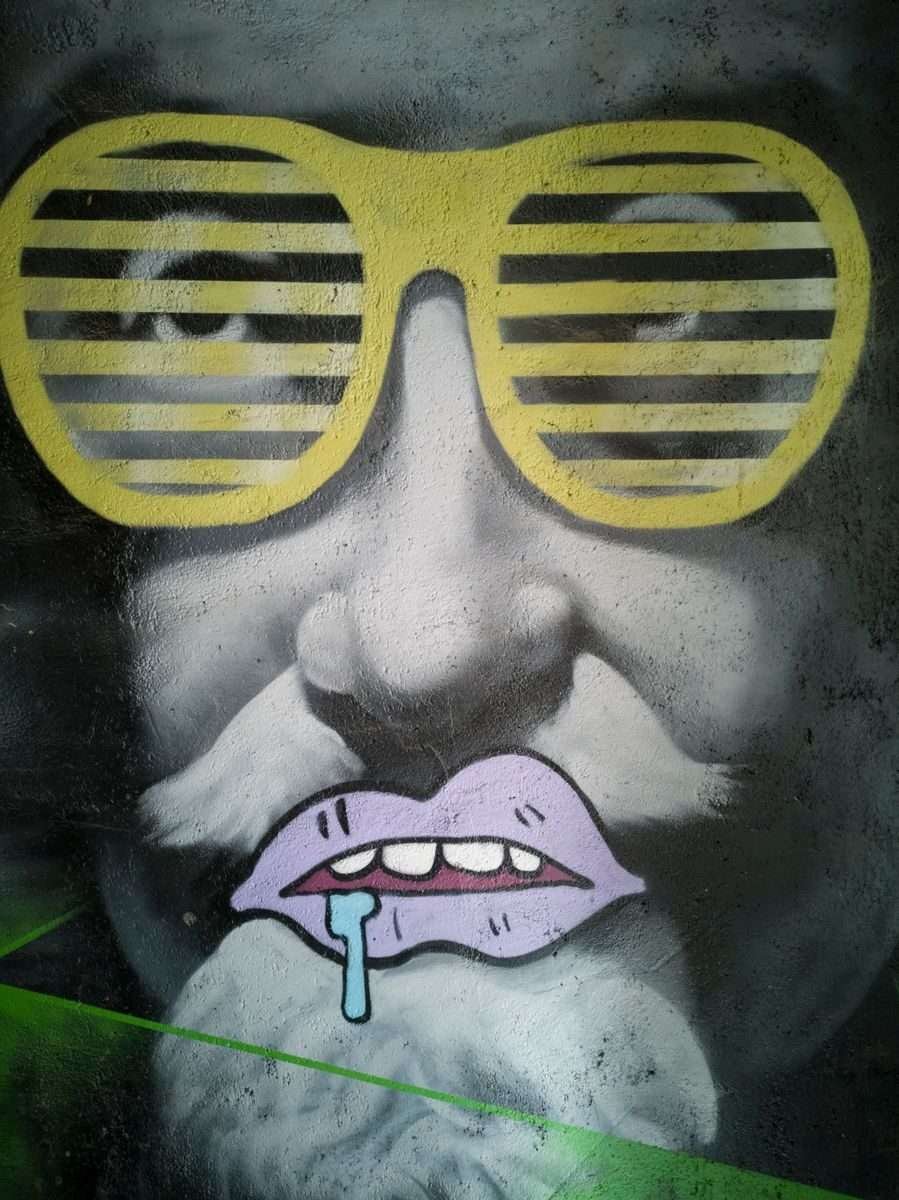
The Color Manifesto: Why Art is Our Only Output from Monotony.
The poet Ferreira Gullar immortalized one of the deepest truths of the human condition by saying that "art exists because life is not enough". If our existence were just to wake up, pay for slips, follow routines and watch time pass, we'd just be bureaucratic gears in a gray world. Pure and raw reality, however comfortable it is, often seems to us narrow, predictable and sometimes rather suffocating. It is precisely at this point of saturation that art enters as an emergency portal, an oxygen to the soul and the only territory where freedom is absolute.
Living, after all, is a complex exercise. We feel things that words in the dictionary cannot translate and witness beauties that the human eye can barely process. That is why we receive this silent call to express the soul through colors, shapes and images. When words fail, the brush speaks. When the chest squeezes, the clay takes shape. When joy overflows, the screen gains the dynamism of a chromatic whirlwind. Transmitting what is stored in our inner universe is not merely an aesthetic whim; it is a vital need to validate our own existence.
A World of Possibilities in Every Trace
Looking at a blank screen or an empty stage may seem intimidating, but that's where the magic happens. Every trace, every color and every idea carries a world of possibilities. A single risk of chalk may be the beginning of a new constellation; a stroke of blue may evoke the calmness of an ocean or the melancholy of a lonely night. In art, there are no mistakes, only alternative paths. A line that came out "torta" can turn into the contour of a fantastic mountain or the expressionistic expression of a face.
The role of the artist — And we all keep one inside. — It is not replicating the world as it already is, but reinventing it from the perspective of its own feeling.
When you allow yourself to sit in front of a creative project, the clock simply stops. The bonds of daily life break down because imagination has no limits (🎭🖌️🎨). On the stage of the theater, you can live a thousand lives in one night. In the paint palette, you can create a new physics, where the sky is green and the trees are made of light. The human mind is the only place in the universe where the laws of gravity and time have no power, and art is the vehicle that brings these impossible worlds into our reality.
The Butterfly Effect of Creativity
We often guard our creations for fear of judgment or for feeling that what we do has no market value. But the true purpose of expression goes far beyond the art galleries. The permanent invitation that the universe makes to us is: get inspired, create and share beauty with the world.
By putting your art in the world — be an unpretentious drawing in a notebook, a photograph that captured a unique light or a scribbled poetry in the notebook —You're throwing an anchor of sensitivity into a sea of indifference. The beauty you create has the power to rescue another person from a bad day, to provoke a deep reflection or at least to remind those who watch that the world is still a place capable of generating enchantment.
So don't save on your colors and don't tame your ideas. Mix the paints, change the shapes, break the patterns and climb on the stage of your own life boldly. If ordinary life seems small or dull today, remember that you have the tools to expand it. Take the brush, spread the wings of the imagination and change the scenery. The world is waiting for its next trait. -
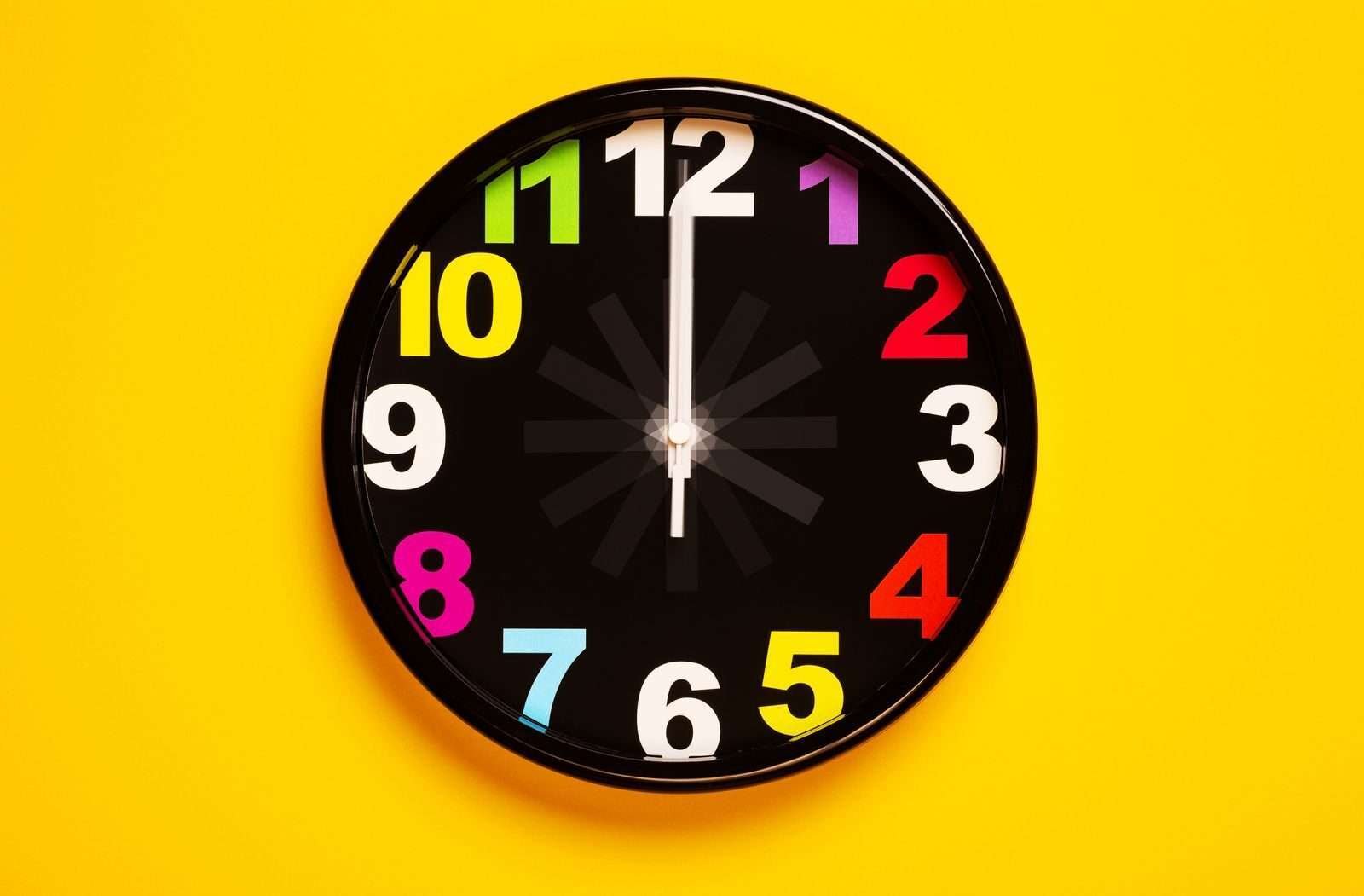
O Relógio sem Agulhas.
O Relógio sem Agulhas
Este relógio não mede horas —
mede sentimentos.
Ele para quando amo,
avança quando temo,
treme quando me perco de mim. -
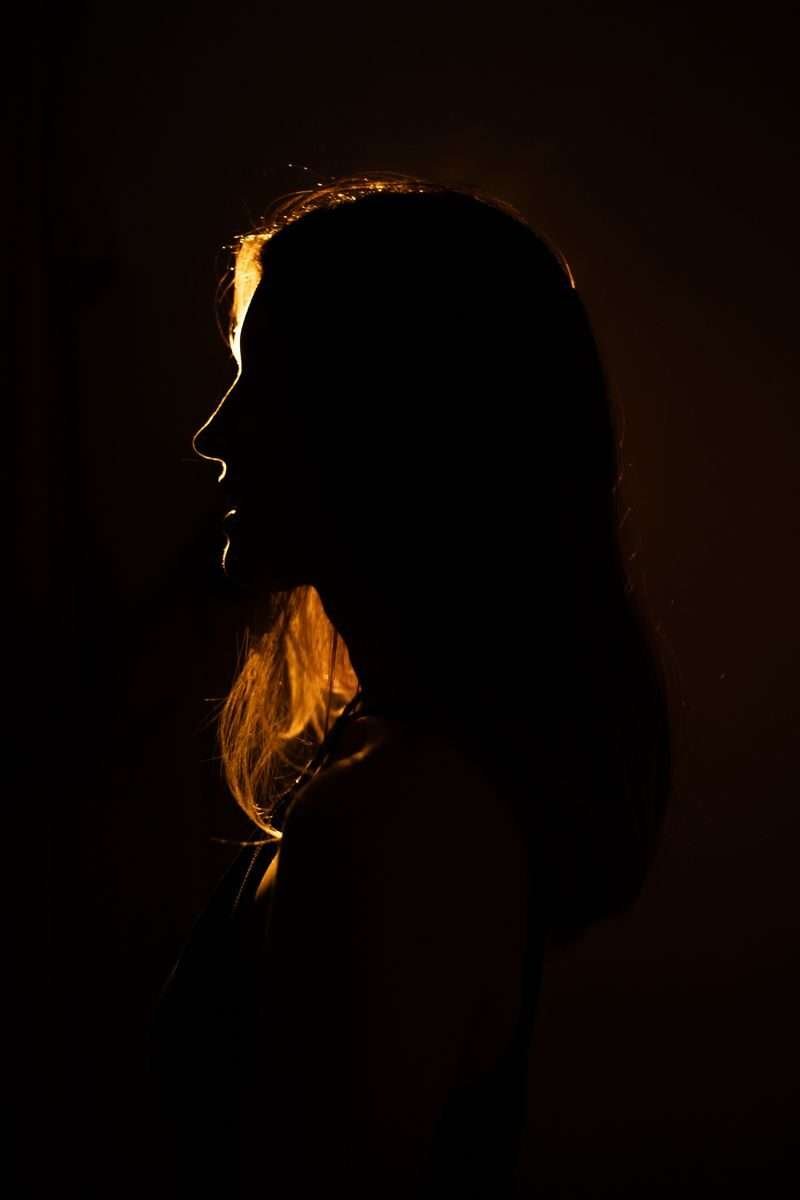
A Mulher que Conversava com Sombras.
Ela falava com sombras
como quem fala com velhos amigos.
Sabia que a escuridão não ameaça—
apenas oferece abrigo a quem já sofreu demais.
Um dia, ao se despedir delas,
as sombras choraram,
pois sabiam que ela finalmente tinha encontrado luz. -

The Vagabond Star.
A star ran away from its constellation,
seeking a name beyond gravity.
It wandered through nebulae like an orphan,
dreaming of planets that might call it home.
In its wandering glow,
I saw myself—
a drifting light
trying to invent a destiny.

