
For decades, science fiction has ceased to be just stories of adventures in distant galaxies to become a curious mirror and a surprising compass of the reality in which we live. Authors who wrote in the last century, when many technologies seemed impossible, managed to draw with impressive precision equipment, customs and transformations that today are part of our daily lives. — And they keep pointing paths to what is yet to come.
Many of the creations they today consider common were first described on the pages of books or on the screens of cinema. By the middle of the 20th century, for example, authors already imagined small devices, capable of storing all the information in the world and connecting people from anywhere: that's exactly what the smartphones we carry in our pocket do. They also anticipated video conferencing, artificial intelligence that responds to our commands, routine space travel, printers that create layer objects per layer and even social networks and virtual reality. In many cases, these narratives served as inspiration for scientists and inventors: by showing how useful or how dangerous a new resource would be, they helped define what was worth developing.
But science fiction is not limited to guessing devices: it also reflects the consequences of technology. Ancient authors have raised questions about privacy, about the relationship between humans and machines, about how innovation can reduce or expand inequalities — issues we face today directly.
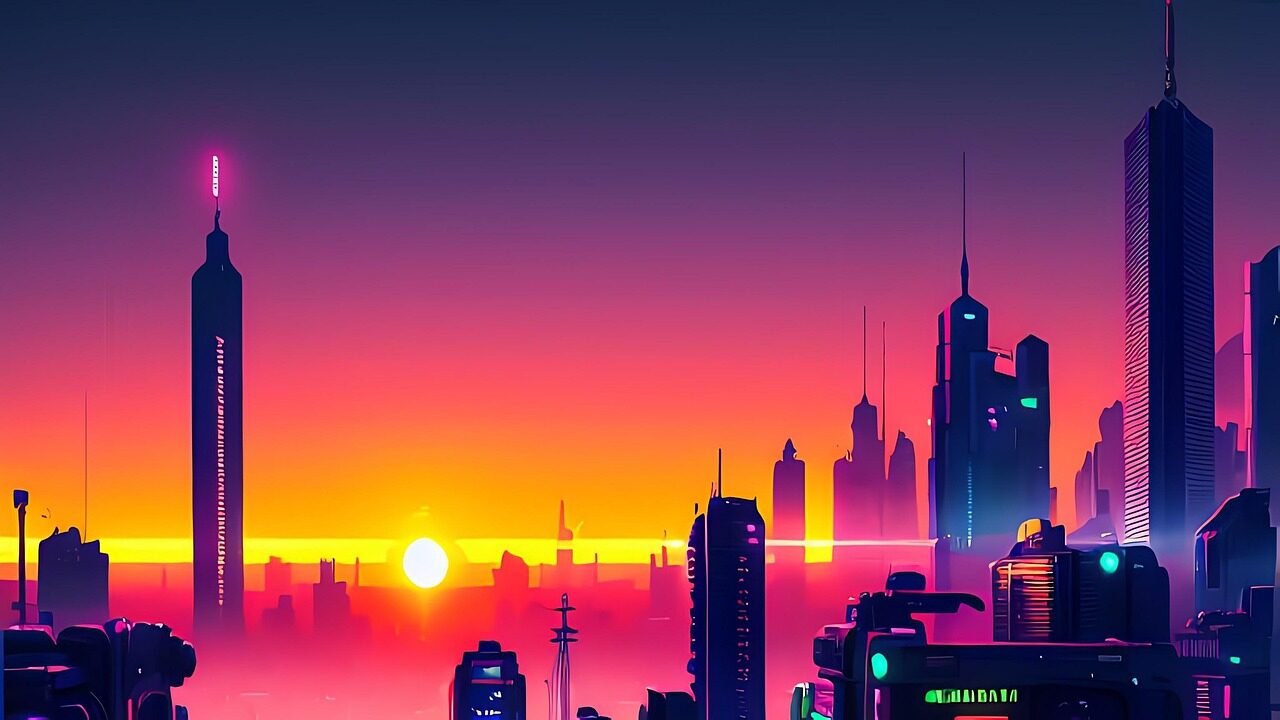
And when we look forward, modern authors follow the same path, casting their bets on what will come. Many explore biotechnology: the possibility of curing genetic diseases, adapting the human body to live in other environments or even prolonging life in a healthy way. Others focus on sustainability, imagining technologies capable of reversing environmental damage, generating clean energy on a global scale, or creating cities that live in harmony with nature. There are also stories that deepen coexistence with conscious artificial intelligences, exploration and colonization of other planets, and profound transformations in the way we relate, work and understand what it means to be human.
More than predicting the future accurately, science fiction plays a key role: it makes us think ahead. When presenting different scenarios — the most promising and the most worrying — It helps us choose which paths we want to follow, ensuring that technology is always a tool to make life better, not a burden. The future we will live in tomorrow often begins in the imagination of those who write today.
The Future That Has Already Come: Like Science Fiction It anticipated our world and what it prepares for tomorrow.


Leave a comment