


Tag: # Reflection of the Day
-

Support the Animal Cause: Your Money Save Life Donation!
🐾
Each rescue, veterinary treatment and meal is only possible thanks to the generosity of those who care. Often, the costs of castrations, vaccines, exams and emergency hospitalizations outweigh the resources available, and direct financial assistance is the fastest and most effective means of ensuring the necessary care for street animals.
How to contribute:
You can easily and quickly make your donation using the keys below:
Pix: reas63@hotmail.com
PayPal: reas63@hotmail.com
Their collaboration guarantees food, medication, and a dignified new beginning for those who have only love to give.
Any value makes a huge difference in the life of a rescued pet. Thank you so much for supporting this cause! -

The Art of Disarming the Past: How to Heal Without Needing to Forget.
There is a silent and almost cruel myth surrounding our quest for emotional well-being: the idea that, in order to be well, we need to forget what hurt us. We charge ourselves a kind of selective amnesia, as if overcoming a pain depended on our ability to delete entire chapters of our own history. However, when we try to force this forgetfulness, what usually arises is not relief, but a heavy charge, accompanied by a feeling of frustration and failure.
The truth behind psychology and human experience points to a much more welcoming path. Healing does not mean erasing the past, but regaining the freedom to live the present without old pains continuing to dictate the rules of the game.
The body speaks what memory tries to silence
Our trajectory is made of marks. Some bring the warmth of good memories; others leave deep scars. When we experience traumatic or excessively difficult experiences, these experiences are not just kept in a mental drawer. They settle in the body, alter our nervous system and shape the way we react to the world.
In everyday life, this "active past" manifests itself in subtle but persistent ways:
That unexplained tightness to the chest in the face of a new situation;
The almost instinctive barrier we lift when someone tries to get close;
A disproportionately intense reaction to a silly comment or the constant feeling that danger is just around the corner.
These behaviors are not manufacturing defects. These are defense mechanisms of an organism that has learned to survive, but that continues to operate in a state of alert. So the simplistic "just move on" advice usually fails. It is not a lack of willpower; it is an emotional baggage that still needs to be disarmed and understood, and not just ignored.
The myth of the blank leaf and the trap of guilt
The stubborn search for a blank sheet creates invisible guilt. Many people suffer twice: the first for the original pain, and the second for feeling unable to forget it. Understanding that our history is cumulative frees us from this burden. We are inevitably the sum of all that we live.
True emotional health does not require us to cut pieces of ourselves. The most healthy and sustainable way is to learn to live with history itself. When we look back and we can face our most difficult episodes without them triggering the same internal storm as before, we realize that the healing process is happening. The fact loses the power to define us.
To heal is to be able to look at your own scar and remember what happened, without having to revive the pain of the cut.
Returning command to present
The therapeutic process and the path of self-knowledge are not linear. There will be days of clarity and days when the shadows will appear denser. And it's okay. The ultimate goal was never perfection or immunity from pain, but rather the conquest of autonomy.
As we welcome our vulnerabilities and seek proper support, we begin to rebuild our sense of internal security. We learn to identify our triggers and gradually create a space between the stimulus of the past and our response in the present. That is where our freedom lies.
In the end, the cure doesn't change the facts that happened back there, but it drastically alters the weight they have today. It allows the past to finally take its place: that of a memory that is part of who we are, not that of the commander of our lives. -

The Breathed Glass Effect: Why Delivering Facts Never Saves a Discussion.
We were raised with a comforting myth: that the human brain functions as a perfectly programmed spreadsheet, where logical truth and indisputable data always win the debate at the end. It's a beautiful, almost heroic image. But if you ever tried to disarm a heated discussion at the dinner table by presenting a chart, or tried to convince that obstinate coworker just by stacking "the facts," you've realized the shock of reality. In practice, cold logic rarely survives the heat of the moment.
The truth is that we are not machines that think and happen to feel; we are machines that feel and occasionally think. When a conflict settles, whether in the corporate environment or in the intimacy of the home, what is at stake is almost never the mathematical precision of arguments. Emotional intelligence shows us that behind every stubbornness or defensive reaction, there is a maze of insecurities, validation desires and personal stories that data simply cannot access.
When we ignore this dynamic and try to "win" a debate purely by intellectual insistence, the other person's brain does not interpret it as an invitation to reflection, but as a threat. The immediate response is not agreement, but resistance. This is why the decisions we make and the memories we keep from others are not shaped by the rigor of their premises, but by how we feel during interaction. A logically perfect argument, but delivered without empathy, is just an unpleasant noise.
To really build bridges and solve impasses, we need to change the tool. Instead of lifting barriers with absolute certainty, the smartest way is to disarm the defenses by listening to what is between the lines. Validating the feeling of the other does not necessarily mean agreeing with his version of the facts, but recognizing his humanity in the process. When people feel heard and secure, the guard goes low and only then does reason gain room to sit at the table. In the end, true persuasion is not an exercise of intellectual force, but a subtle art of emotional connection. -
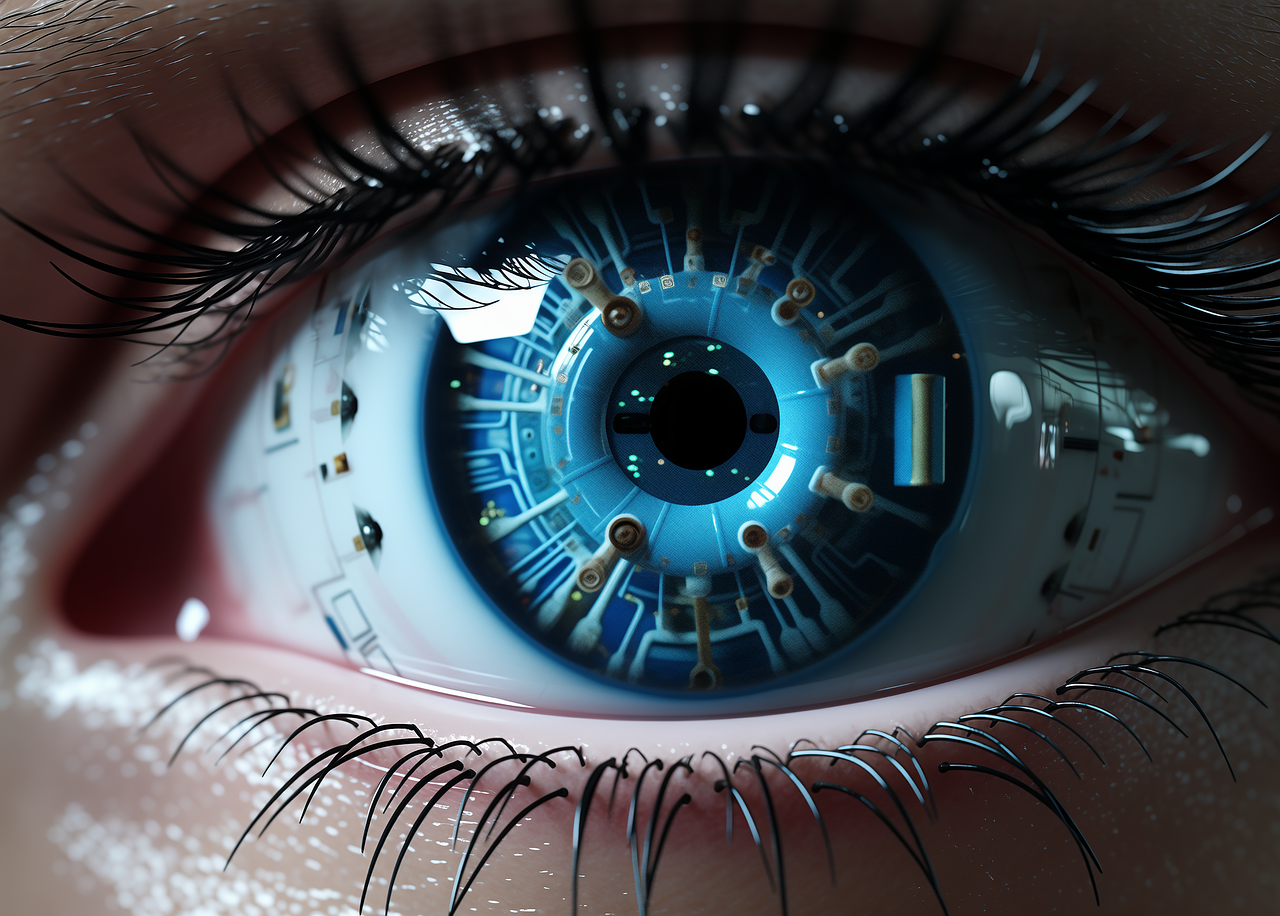
The Awakening of Lost Time
How the awareness of our finitude rescues the urgency of living in the present and rebuilds the meaning of our day.
We truly awaken to life at the very moment when we understand, with almost painful clarity, that lost time can never be recovered. It's an invisible breath that pushes us forward. However, most of us spend years in a row postponing crucial decisions, engaging deep dreams and ignoring the rapid and silent passage of hours. True awakening is not an abstract intellectual event; it occurs in the flesh, when we realize that the days accumulated in the past do not return, demanding of us an urgent appreciation of the brevity of now.
When we allow our attention to be consumed entirely by everyday distractions and empty concerns that saturate the modern world, we silently neglect our own existence. The price of this inattention is high: a painful late repentance about the real finitude of our human journey. Sudden awareness of wasted years generates a profound emotional impact, capable of reorganizing our internal priorities. This perception acts as an electric shock, a strong warning to abandon anesthetic procrastination and focus solely on what really matters: living the present with clarity.
"Closing the cycle of eternal postponement demands confronting, first of all, the sweet illusion that we will have infinite time available."
The Gear of Postponing and Awakened Consciousness
Many of us live immersed in automatic routines, accepting some kind of existential sleepwalking. Under this state of numbness, we indefinitely postpone our most valuable relationships, the most cherished personal projects and the words that should be said today. This lack of conscious attention undermines our future in a cruel way, ensuring that the weight of temporal waste is only felt when we are already facing inevitable repentance.
When we finally accept the irreversible reality of the past days, we manage to gather the necessary forces to act with determination, transforming old and vague intentions into real attitudes of immediate change. It is this profound turn of mind that removes remorse and brings invigorating clarity to everyday life. Instead of passively lamenting the opportunities lost in the fog of the past, the focus of the individual moves energetically to the construction of an active and intentional present.
The Pillars of a Balanced Existence
The search for a truly integrated and balanced life requires a continuous exercise of self-examination. Evaluating where we place our daily focus helps us filter out noise, eliminate sterile distractions, and direct our vital energy to purposes that bring real personal meaning. Each daily decision, however minor, acts directly in the molding of our destiny. By wisely selecting the human connections and projects we choose to cultivate, we avoid the accumulation of frustrations and ensure that the coming years are fully enjoyed.
This practical transition that the new mental posture imposes in our routine is structured into three major complementary movements:
Absolute Presence in Now: The immediate increase in focus at the present time. The mind ceases to oscillate between the melancholy of the past and anxiety for the future, anchored in the only concrete reality available.
Surfluous Abandonment: The complete disposal of superficial concerns and irrelevant modern noises. There is room for the cultivation of authentic, deep and lasting relationships.
Curated Energy and Focus: Daily and conscious assessment of where we deposit our vital energy. The choices come to be governed by a mental lucidity that prioritizes internal growth and real bonds.
The old philosophical reflections therefore invite us to resume the reins of our destiny with full responsibility. Valuing the present ceases to be a mere cliché or a distant theoretical concept to consolidate itself as an indispensable daily practice. In facing our own finitude, we do not find despair, but absolute freedom to make every second of our brief and beautiful existence truly worthwhile. -
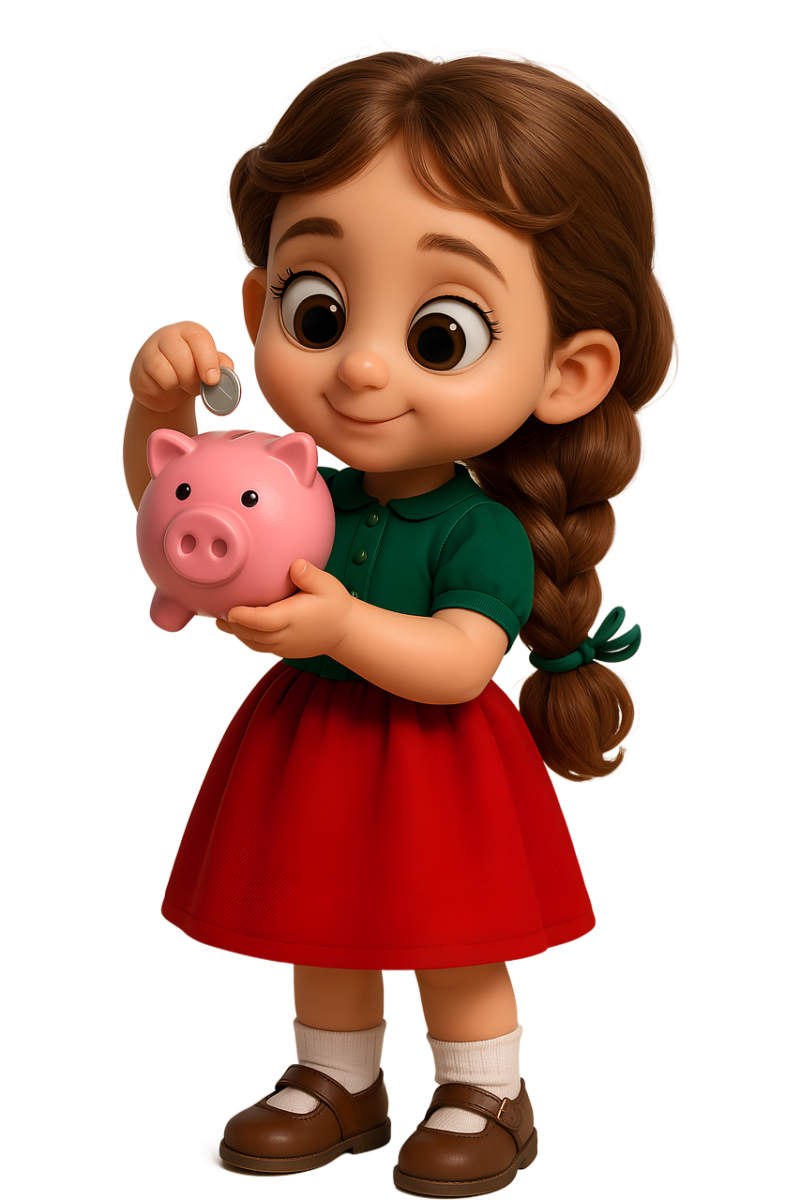
Financial education: an inheritance for life.
Financial education is one of the most powerful tools we can have, because it changes the way we see and use money. It is not about becoming an expert in economics or finance, but about learning enough to make decisions with security and independence. The more you study about it, the less vulnerable it is to scams, bad advice or impulsive choices. In addition, this knowledge can be shared with family and friends, creating a cycle of awareness and care about finances. Learning to deal with money is a life lesson — and an investment that brings returns forever. -
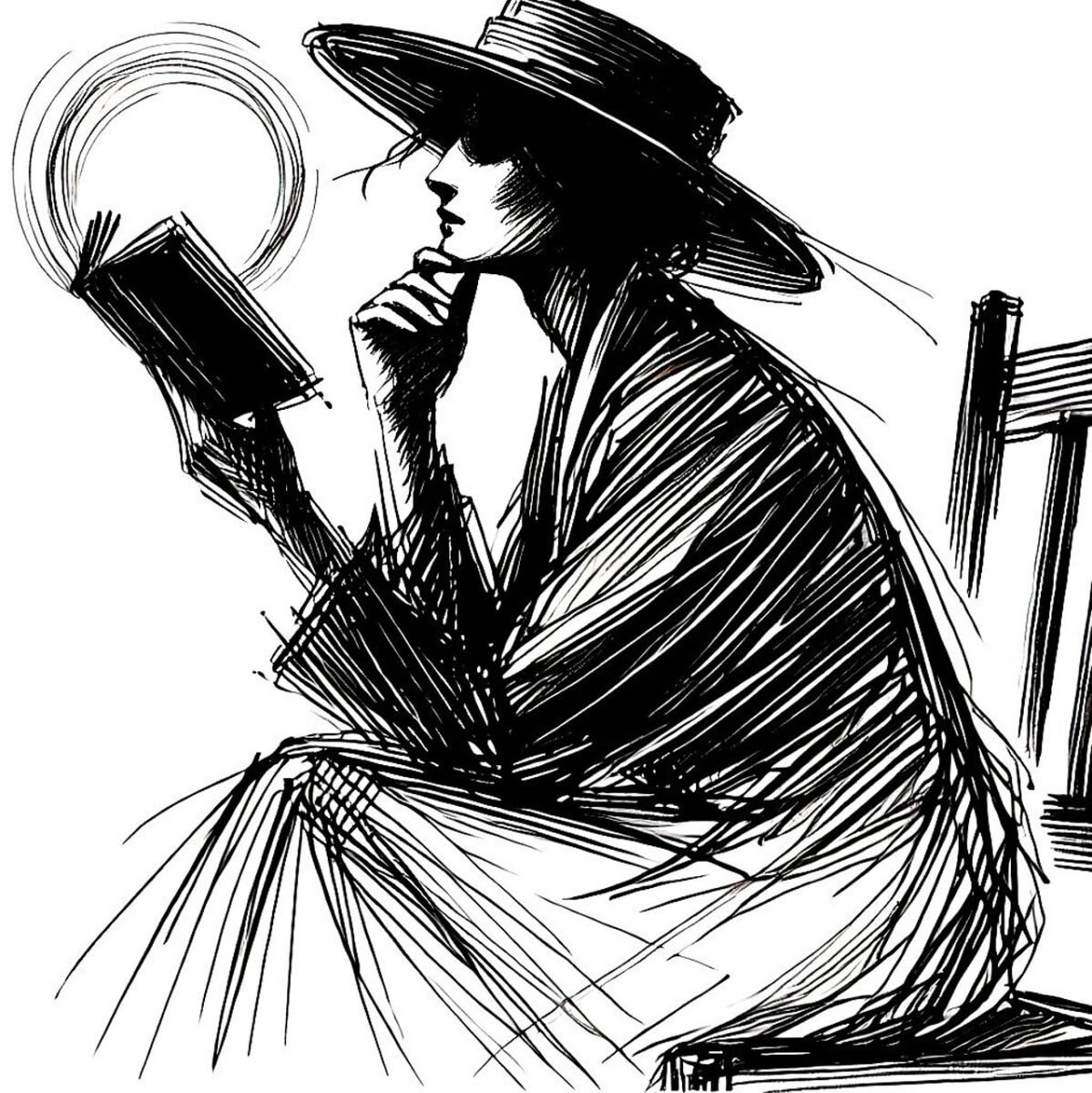
The verse book that returned meaning to your journey
Carlos was 62 years old and a feeling that he could not find a name: after he retired, and with his wife, Maria, leaving for a disease that took little time, he felt that his life had broken down like an old role. The days all looked the same, a heavy silence lived in the corners of the house and the thoughts came to the mountains, confused, unordered, like dried leaves carried by the wind. He'd wake up, make up the bed, make coffee, look out the window and wonder, what's the point of all this, if there's no one else waiting for me? No account, no logic, no practical explanation could answer that question. The world seemed like a cold, meaningless place.
One day, when he got a forgotten drawer, he found a darkcover notebook that had been Maria’s. Expected recipes or household notes — But when he opened it, he discovered verses. She had been writing for years, never telling him: she spoke of the wind in the window, of the beauty of a shared coffee, of the longing I had imagined feeling, of the certainty that life, even with its pains, was worth living. As he read those words, Carlos felt something strange and soft happen within himself: suddenly, that pain that seemed formless, nameless and endless, gained voice. The chaos of your feelings began to organize. He was no longer alone in that sense of loss. — someone he loved had experienced similar concerns, and had managed to transform pain into something beautiful, that could be touched and read.
Gradually he began reading more: poems by Carlos Drummond de Andrade, by Cecília Meireles, by Manuel Bandeira — voices of our land, who spoke with their tongue, with their way of seeing the world. And poetry was doing its job, slowly, without hurry. Reading verses that described loneliness or the passage of time, he realized that he was not the only one to feel it: his personal pain became part of a larger story, an experience common to all human beings, and this brought a profound, almost liberating relief. By putting himself in the place of the poets, by feeling what they said, he began to look more carefully at the people around — for the neighbor who walked low, for the market attendant who smiled with effort — and understood that each one carried his own pains and desires, even if they did not say them. His ability to understand the other grew, without him realizing it: empathy became part of his daily life.
When the thoughts came confused and agitated, a certain verse brought clarity, as if a light lit up within it. And gradually, he was gaining strength to follow: he realized that loss does not erase what he lived, that longing is also a form of love, and that uncertainty is part of the way. Poetry has given him resilience: it has shown that generations have experienced difficulties like his own, and have managed to transform suffering into beauty and reflection.
Carlos reads a poem every morning today. He no longer pursues a grand sense or definite answers. He learned, with lyrical sensitivity, that the fullness of life is not in how much we conquer or how much we hurry, but in the intensity with which we live every small moment: the sun that enters through the window, the taste of coffee, the gentle memory of those we love. He found that poetry doesn't give all the answers — but it teaches us to see, feel and value our brief and precious passage through the world. And that, after all, is all we need to walk.
-

The Future That Has Already Come: Like Science Fiction It anticipated our world and what it prepares for tomorrow.
For decades, science fiction has ceased to be just stories of adventures in distant galaxies to become a curious mirror and a surprising compass of the reality in which we live. Authors who wrote in the last century, when many technologies seemed impossible, managed to draw with impressive precision equipment, customs and transformations that today are part of our daily lives. — And they keep pointing paths to what is yet to come.
Many of the creations they today consider common were first described on the pages of books or on the screens of cinema. By the middle of the 20th century, for example, authors already imagined small devices, capable of storing all the information in the world and connecting people from anywhere: that's exactly what the smartphones we carry in our pocket do. They also anticipated video conferencing, artificial intelligence that responds to our commands, routine space travel, printers that create layer objects per layer and even social networks and virtual reality. In many cases, these narratives served as inspiration for scientists and inventors: by showing how useful or how dangerous a new resource would be, they helped define what was worth developing.
But science fiction is not limited to guessing devices: it also reflects the consequences of technology. Ancient authors have raised questions about privacy, about the relationship between humans and machines, about how innovation can reduce or expand inequalities — issues we face today directly.
And when we look forward, modern authors follow the same path, casting their bets on what will come. Many explore biotechnology: the possibility of curing genetic diseases, adapting the human body to live in other environments or even prolonging life in a healthy way. Others focus on sustainability, imagining technologies capable of reversing environmental damage, generating clean energy on a global scale, or creating cities that live in harmony with nature. There are also stories that deepen coexistence with conscious artificial intelligences, exploration and colonization of other planets, and profound transformations in the way we relate, work and understand what it means to be human.
More than predicting the future accurately, science fiction plays a key role: it makes us think ahead. When presenting different scenarios — the most promising and the most worrying — It helps us choose which paths we want to follow, ensuring that technology is always a tool to make life better, not a burden. The future we will live in tomorrow often begins in the imagination of those who write today. -
The Soul Filter: Why Undirected Intelligence Is It Just a More Sophisticated Mistake?
The true greatness of a mind is not measured by the power of its engine, but by the direction in which it chooses to walk. In a world that often confuses intellectual noise with wisdom, one must rescue an uncomfortable truth: intelligence alone is a neutral tool. Without an ethical and methodological orientation, it runs the risk of becoming just a terribly more efficient way of making mistakes. After all, the same brilliant mind capable of unraveling mysteries and finding innovative answers has the exact same ability to sophisticate excuses, manipulate facts in a subtle way, and consequently expand collective and individual damage.
We live in the advent of Artificial Intelligence, an extension of our own desire for infinite processing. However, the AI is the definitive mirror of this neutrality: it amplifies what we deposit in it. If the "prompt" of our soul is corrupted by the ego, the result will be a dystopia of purposeless efficiency. The digital future requires us to be more than mere users of algorithms; it requires us to be the architects of a new ethics that filters the coldness of data through the warmth of human consciousness.
Therefore, virtue is not born from the simple act of thinking, but from the exact moment when reason ceases to serve pride and comes to serve truth, responsibility and conscious choice. When the intellect is shielded by the ego, it becomes a fortress of illusions. For it to become an instrument of evolution, reason needs discipline. Thinking well does not mean hoarding a disordered volume of ideas or displaying erudition; it means ordering the path of research so as not to get lost in confusing impressions and passing impulses. It is the elementary difference between a mind that is a data deposit and a mind that is a beacon of clarity.
To guide the reason for this safe path, philosophy and method offer us four practical pillars of mental discipline that become even more urgent in the era of instant information:
- Avoid accepting something unclear: The first step of intellectual honesty is to refuse automatism, not taking as true what can still be legitimately questioned. In times of "fake news" and recommendation algorithms, healthy skepticism is an act of soul preservation.
- Split Difficult Problems: Given the complexity of the modern world, disciplined thinking operates as a surgeon, separating a complex issue into smaller and more understandable parts so that they can be digested without the anxiety of the whole.
- Moving from simple to complex: Solid knowledge builds its reasoning by gradual steps, without hasty leaps or conclusions drawn from nothing. It is the building of a solid foundation on which the future can rest safely.
- Review the whole way: Finally, the conscious thinker takes inventory of his own journey, thoroughly checking whether nothing important was left out or neglected by the way. It's the existential debug required for evolution.
By structuring the mind under these rules, the human being begins to understand its role in reality in a much more integrated way. In simple terms, thought belongs to the field of mind, a free, abstract territory focused on the search for meaning, while the body occupies space, moves and actively participates in the material world. It is through the action of the body that the choices of the mind come to life. When disciplined reason and the search for truth guide the soul, the division between what we think and what we do in the physical world ceases to be an abyss and becomes a bridge — where intelligence finally turns into practical wisdom.
The future ahead will not be defined by the speed of our processors, but by the depth of our filters. Let BioBit.online be the space where this filtering happens, where technology finds its ethical direction and where every bit of information is weighed in the balance of consciousness. The invitation remains: do not be just intelligent; be wise.
-
The Liberation of the Eye: Whoever Finds Their Own Value Stops Begging Approval.
The desire to be accepted, valued and praised is part of the deepest human experience. It's natural and healthy to enjoy each other's recognition. However, in an age marked intensely by social networks, virtual comparisons and the incessant search for literal and metaphorical "likes", we run the risk of falling into a dangerous trap: conditioning our well-being and our identity to external judgment. The real problem arises when the need for approval becomes the main source of support for our self-image. When this happens, we begin to live in a constant emotional dependence, transforming our self-esteem into a castle of letters that collapses at the slightest sign of criticism or indifference.
To break this cycle of insecurity and frustration, a turning point towards emotional autonomy is fundamental. True self-esteem is not born from the applause of the audience, but from the fertile ground of self-knowledge. The greater and deeper the connection we establish with our own value, the smaller our dependence on others' validation will be. Understanding one's own identity, recognizing one's own qualities with honesty and accepting limitations with compassion are the fundamental steps to build a genuinely healthy relationship with oneself. It is this internal dive that protects us from the excessive fear of criticism and paralysis of not being able to make decisions without the approval of others.
The key to an emotionally free life is not in isolation or pride, but in balance. External recognition and social support are important and welcome, but should never function as the only ruler to measure who we are. The most solid and resilient self-esteem is that built from the inside out, based on non-negotiable personal values, self-respect and daily self-acceptance. After all, authentic emotional freedom happens at this very moment of awakening: when a person finally recognizes his own value, he ceases to beg for recognition outside and begins to inhabit the certainty of who he really is.