
Há décadas, a ciência observa com fascínio o céu de outono e primavera, tentando decifrar um dos maiores espetáculos da natureza: a migração das aves. Pombos-correios e pássaros migratórios cruzam continentes, enfrentam tempestades e viajam milhares de quilômetros para retornar exatamente ao mesmo ponto de partida. Há muito se sabe que o segredo por trás dessa precisão cirúrgica envolve a leitura do campo magnético da Terra. O que ninguém imaginava, no entanto, é que o verdadeiro “GPS” dessas criaturas não estaria nos olhos ou no bico, mas sim escondido dentro de seu fígado.
Até recentemente, a comunidade científica se dividia em teorias divergentes para explicar a chamada magnetorrecepção — a capacidade de detectar o magnetismo terrestre. Uma das principais vertentes sugeria que as aves podiam literalmente “enxergar” as linhas magnéticas através de moléculas sensíveis à luz nos olhos (criptocromos). Outra corrente apostava na presença de partículas magnéticas microscópicas cravadas no bico, funcionando como agulhas microscópicas. Embora fascinantes, nenhuma dessas hipóteses havia apresentado evidências definitivas ou convincentes. O mecanismo exato permanecia um mistério, até que uma descoberta publicada na revista Comportamento Animal virou o jogo.
O estudo revelou que uma parte central desse enigma quântico está nos macrófagos do fígado, um tipo de célula que faz parte do sistema imunológico das aves. A função primária dessas células é bem conhecida: elas atuam como uma equipe de limpeza, decompondo os glóbulos vermelhos envelhecidos. Porém, é o efeito colateral desse processo que muda tudo. Ao reciclar o sangue velho, os macrófagos acumulam grandes concentrações de ferro. Esse acúmulo confere às células propriedades quânticas ultraespecificas, transformando-as em sensores biológicos capazes de reagir às sutis forças do magnetismo planetário.
O Teste Prático: Quando a Bússola Falha
Para comprovar que o fígado atua diretamente na navegação, os pesquisadores realizaram testes práticos com pombos. O resultado foi imediato e surpreendente: quando essas células imunológicas específicas do fígado estavam comprometidas ou temporariamente inoperantes, os pombos perdiam drasticamente a capacidade de orientação e enfrentavam severas dificuldades para encontrar o caminho de volta para casa.
“Foi uma grande surpresa constatarmos que essas células imunológicas atuam como sensores de campos magnéticos. Nossos resultados revelam um mecanismo até agora desconhecido para a percepção magnética nos animais”, destacaram os cientistas responsáveis pelo estudo.
Essa reviravolta quebra o paradigma de que funções sensoriais complexas dependem exclusivamente de órgãos tradicionais como a visão, a audição ou o sistema nervoso central. A biologia quântica agora precisa olhar para o sistema imunológico e metabólico com outros olhos. Ao converter resíduos de ferro no fígado em uma bússola interna perfeitamente calibrada, a evolução encontrou uma forma brilhante e econômica de guiar a vida através dos céus do nosso planeta.
Category: Technology and Innovation
-
A Bússola Oculta: Como as Células do Fígado Guiam o Voo das Aves.
-
Illustrated City
Education and Action: With State Schools Turned on Animal Protection
A real social transformation begins in the classrooms, and care for animals has just gained a definitive place in the heart of public education. Far from being just a passing theme, animal protection and welfare have become a permanent public policy, uniting theoretical learning to practical actions that promise to change the reality of thousands of dogs, cats and communities.
The major driver of this change is the goal of implementing animal welfare education actions in 100% of schools in the state school system. The objective goes far beyond teaching children to be kind to pets; it is about structuring solid pedagogical content about responsible possession, the biological needs of animals and, crucially, the firm fight against mistreatment. By raising awareness of new generations, the government attacks the root of abandonment and violence, turning students into nature inspectors and animal rights defenders in their own homes and neighborhoods.
However, an efficient public policy does not only live by theory. To support what is taught in schools, the project brings a package of practical and immediate measures to care for public health and population control. Among the main pillars are the monthly castration of dogs and cats — an essential measure to contain overpopulation of street animals and prevent diseases — besides the regular distribution of tons of feed per month, ensuring food security of registered shelters and protectors that face difficulties to keep the animals rescued.
To close the siege against zoonoses (diseases transmitted between animals and humans), the plan set the ambitious goal of achieving more than 80% anti-rabies vaccination coverage. Anger is a serious disease and 100% lethal, and ensuring this immunization index protects not only pets, but the entire human population.
By crossing the sensitivity of school education with the immediate impact of veterinary and food care, the State draws a pioneering model of harmonious coexistence. After all, caring for animals is also taking care of the public health, safety and future of our society. -

Coffee: 7 Health Benefits of Drink
The Coffee: One of the most cherished and present drinks in Brazilian daily life. More than a tradition or a moment of affection, coffee also stands out when the subject is health — and it is no wonder that Brazil is among the largest drinkers in the world. Far beyond just helping to awaken and increase energy, when consumed in a moderate and balanced way, it brings a number of advantages to the organism, being recognized today as a functional drink, rich in bioactive compounds that act positively throughout the body.
One of the best known effects is increased energy and focus. Caffeine, the main substance of the drink, acts directly on the central nervous system, improving alertness, concentration and mental performance. Therefore, it is a great ally of productivity, provided it is consumed in moderation and at appropriate times, avoiding periods very close to sleep.
In addition, regular consumption is associated with a lower chance of developing neurodegenerative diseases, such as Alzheimer's and Parkinson's. This happens thanks to their antioxidants, which protect brain cells against inflammatory and degenerative processes, contributing to maintain cognitive health over the years.
Heart health also gains important reinforcement. Studies show that moderate consumption reduces overall mortality and cardiovascular causes, including conditions such as hypertension, high cholesterol, heart failure and atrial fibrillation. The secret is to consume it without excess sugar, creams or fats added — thus, its antioxidant compounds favor the circulation and good functioning of the cardiac system.
For those who care for the weight, coffee is also a good partner. It accelerates metabolism and increases fat burning capacity, as well as improving performance during physical activities. These effects, added to healthy habits and balanced eating, indirectly help in the process of weight loss and maintenance.
Another positive point is the influence on mood and mental health. Consuming 2 to 3 cups a day is related to a lower risk of depression and anxiety. The explanation lies in the way drink stimulates the production of neurotransmitters such as dopamine and serotonin, substances that are fundamental to the feeling of well-being and emotional balance.
The liver also receives special protection. Frequent consumption reduces the chance of liver problems, such as fat accumulation, inflammations and even more severe diseases, thanks to the protective action of its natural components.
Finally, it is worth remembering that coffee is one of the largest sources of antioxidants in food. — often even more than fruits and vegetables. These substances fight free radicals, responsible for early aging and the appearance of various diseases, and also contribute to the health and appearance of the skin.
Even with so many benefits, conscious consumption is indispensable. Excess can cause anxiety, agitation, insomnia, and other unwanted effects. The ideal amount varies according to the sensitivity of each person, but balance is always the best way to enjoy everything that this traditional drink has to offer. -

Green Corn Cake
Ingredients
2 cups of green corn tea
1 cup coconut milk tea
1/2 cup coconut oil tea
3 eggs
1 cup demerara sugar tea
1 cup of fuba tea
1/2 cup rice flour tea
1 tablespoon of chemical baking powder
1 pinch of salt
Coconut oil for grease
Rice flour for flouring
Method of preparation
In a blender, beat the green corn with coconut milk, coconut oil and eggs until you get a homogeneous mixture. In a large container, mix sugar, fuba, rice flour and salt. Add the blender to the dry ingredients and stir to incorporate.
Finally, add chemical yeast and mix gently. Pour the dough in a greased form with coconut oil and floured with rice flour. Take the preheated oven at 180 °C for 40 minutes. Remove from the oven, wait to cool and deform. Serve it next. -

Love Has No Race: The Emergency of Responsible Adoption and the Role of Collective Consciousness.
Looking the other way and running into an abandoned animal on the streets has become a sadly common scene in the daily lives of our cities. Dogs and cats in situations of extreme vulnerability, without access to basic food, shelter against weather or any type of medical-veterinary care, draw an alert scenario. This invisible reality in the eyes of many, but painful to animals, sparks an urgent debate: the immediate need to broaden adoption actions and, above all, social awareness.
Adopting an animal is an act of deep love, but should not be guided only by the momentum or emotion of the moment. Therefore, initiatives that unite acceptance to technical education gain immeasurable value. Projects that rely on the direct support of teachers, veterinarians and students in the area offer an essential support network in this process. This qualified advice ensures that future tutors receive all the necessary guidance, clarify doubts about animal behavior and health, and make a safe and harmonious transition to the new family member.
The Expert Alert: An animal is not a gift of commemorative dates or a passing thing from which one can give up when circumstances change.
Antes de assinar o termo de adoção, os organizadores e especialistas da área reforçam a importância crucial da decisão responsável. Os animais são seres sencientes que exigem cuidados permanentes ao longo de toda a vida. Isso engloba gastos previstos e imprevistos com alimentação de qualidade, vacinação, consultas veterinárias rotineiras e a garantia de um ambiente seguro e enriquecedor que promova o seu bem-estar físico e mental.
O Compromisso de uma Vida
A adoção transforma a realidade de um animal que antes sofria nas ruas, mas exige maturidade de quem o acolhe. Ele vai precisar de cuidados constantes, atenção diária, acompanhamento médico-veterinário e, claro, muito carinho.
Portanto, ao pensar em levar um amigo de quatro patas para casa, lembre-se de que a adoção é um compromisso de longo prazo, que pode durar uma década ou mais. Quando feita com responsabilidade e planejamento, essa aliança deixa de ser um peso e se transforma em uma das conexões mais puras, leais e transformadoras que o ser humano pode vivenciar. Salvar uma vida muda, inevitavelmente, a nossa própria história. -

Why We Write Back in Digital Chaos Times: From Daily to Newsletter
From Daily to Newsletter: Why Are We Writing Again in Digital Chaos Times?
There was a time when writing about yourself was a strictly private act. Locked with little keys in hardcover notebooks, the journals kept our deepest secrets away from the eyes of the world. Years later, the internet promised to connect us, but pushed us into the social media arena, where the rule was to shorten, accelerate and edit life so that it would fit into millimetrically calculated subtitles and videos of a few seconds. The result? An epidemic of digital fatigue, excessive stimuli, and anxiety that seems to give no truce. However, a quiet and powerful movement is gaining strength in the opposite direction: we are rewriting long texts.
The meteoric rise of personal newsletters and the rebirth of therapeutic writing — either in notebooks, physical notebooks or deep essays — reveal a profound change in our behavior. This is not nostalgic preciousism, but a collective defense mechanism. While traditional network algorithms require performance, immediate tanning, and toxic positivity, blank sheet space (or email inbox) appears as a refuge. There are no dances, no rush and, above all, there is no obligation to summarize human complexity in a fifteen-second story.
This migration from the quick format to the run text shows that we have reached our emotional saturation limit. Digital exhaustion comes not only from screen time, but from the fragmentation of our attention. We spent the day jumping from stimulus to stimulus, consuming fragments of ideas that are not complete. Writing, therefore, comes less as an urgency to "produce content" and much more as a vital need to organize mental chaos. When we put one word after another, we are forced to slow down, outline what we feel and digest the world around us. It's writing working as an anchor in the information storm.
The phenomenon of personal newsletters is perhaps the most fascinating reflection of this transition. They represent the perfect middle ground between the old diary and the human need for connection. By sending a long text directly to someone's inbox, a pact of intimacy is established that has been lost in the infinite feed of social networks. Those who write, share their vulnerabilities, doubts and trials without the filter of spectacularization. Those who read, do so in their own time, away from disruptive notifications. It's a ransom of genuine conversation.
In the end, the return to writing — whether public or strictly personal — is a manifesto of resistance against the haste of the contemporary world. We write because we need depth. We write because life does not fit into a tweet and our pains do not heal with an image filter. Faced with the screens that fragment us, the written word appears as the oldest and most effective remedy to glue us back together, reminding us that to understand the world out there, we first need to learn how to translate what is going on in here. -

The Mirror of Time: How My History Reveals the Disquietations of All of Us.
Olhar para a própria trajetória é, quase sempre, um exercício de arqueologia emocional. Quando remexemos nas nossas memórias, fotos antigas ou diários esquecidos, raramente encontramos apenas fatos isolados. O que descobrimos ali são as marcas de uma época. A nossa história pessoal nunca acontece em um vácuo; ela é moldada, tensionada e, muitas vezes, fraturada pelas inquietações da vida contemporânea. Ao mergulhar nos meus próprios passos, percebo que as minhas angústias mais íntimas são, na verdade, os sintomas coletivos de um mundo que esqueceu como desacelerar.
Uma das primeiras pistas dessa conexão surge quando lembro da minha relação com o tempo ao longo dos anos. Na infância, o tempo era um oceano vasto e lento; uma tarde parecia durar uma eternidade. Hoje, a sensação é de que estamos todos permanentemente atrasados para um compromisso que esquecemos de agendar. Minha própria transição para a vida adulta foi marcada pela urgência de “ser alguém”, de acumular conquistas antes dos trinta, de transformar hobbies em fontes de renda. Essa obsessão pela produtividade, que por muito tempo encarei como uma ambição pessoal, nada mais é do que o reflexo da engrenagem contemporânea que nos avalia exclusivamente pelo que entregamos, e nunca pelo que somos.
Outro ponto de inflexão na minha história foi a chegada avassaladora da hiperconectividade. Consigo traçar uma linha clara na minha memória entre o “antes” e o “depois” das redes sociais. O que começou como uma janela curiosa para o mundo transformou-se, gradativamente, em um tribunal silencioso de comparações. Quantas vezes me peguei questionando minhas escolhas de vida ao assistir aos recortes perfeitamente editados da rotina alheia? Essa ansiedade da era digital, o medo constante de estar perdendo algo (FOMO, na sigla em inglês), não nasceu comigo. Ela foi sutilmente implantada por algoritmos desenhados para capturar nossa atenção e monetizar nossas inseguranças. Ver isso na minha biografia me fez entender que a solidão acompanhada — essa sensação de estar cercado de telas e desconectado de pessoas — é o grande mal-estar do nosso século.
Mergulhar na própria história também significa encarar os momentos em que o corpo pediu trégua. Lembro com clareza das noites em claro, do aperto no peito e das vezes em que ignorei sinais evidentes de exaustão física e mental em nome de uma suposta resiliência. Eu achava que era uma fraqueza individual, uma incapacidade de “dar conta”. Só mais tarde, ao olhar para o lado e ver amigos, colegas e familiares desabando sob o mesmo peso, compreendi o cenário macro: o esgotamento virou a norma. A sociedade atual nos exije uma flexibilidade psicológica e uma velocidade que simplesmente não são compatíveis com a biologia humana.
No fim das contas, reconciliar-se com a própria história é um ato de libertação. Quando paramos de culpar a nós mesmos por cada crise de ansiedade ou momento de desespero e passamos a enxergar as pressões estruturais que nos cercam, algo muda. Minha história não é perfeita, está cheia de nós e recomeços, mas ela se tornou o meu laboratório mais valioso. É através dela que compreendo que a busca por uma vida com mais significado, presença e afeto não é um capricho romântico — é a única resposta possível à loucura dos nossos dias. -

The Silence that Screams: Fibromyalgia, Productivity and the Art of Listening to the Body.
We live in an era that worships the rush. The daily "runs", the sleepy nights for goals and the Hustle culture turned exhaustion into a kind of trophy of honor. But what happens when the body decides it can't — and won't — but follow this frenzied rhythm? For those who live with fibromyalgia, this response is not theoretical; it is felt in the skin, muscles and soul, every day.
Fibromyalgia is a complex condition marked by generalized chronic pain and severe fatigue that no sleep seems to be able to cure. However, reducing it to a set of physical symptoms is ignoring the true whirlwind it causes in the mind and routine of those who carry it. It is, above all, a painful mirror of our relationship with productivity and anxiety.
Imagine waking up tired, feeling like the body ran a marathon while you were sleeping. Still, the mind awakens under the pressure that must be produced. That's where the anxiety cycle sets in. The person with fibromyalgia often finds himself trapped in an invisible war line: on the one hand, the social and internal urgency of being useful, efficient and tireless; on the other, a body that begs for pause. The inability to deliver what the world requires generates guilt, and guilt feeds anxiety, which in turn tensions the muscles and amplifies physical pain. It's a perfect, cruel cycle.
This condition forces us to face one of our greatest modern difficulties: the inability to hear the signs of our own body. We were taught to silence discomfort. A painkiller is taken so that the headache does not disturb the meeting; coffee is taken to mask the sleep; exhaustion is ignored in the name of another hour of work. Exhaustion, or burnout, often goes side by side with fibromyalgia crises, functioning as a maximum limit that the organism imposes when the brain refuses to stop.
Fibromyalgia, in a way, is the body screaming what we spent years whispering. It undoes the myth that we are machines and throws us in front of our vulnerability. Learning to live with it requires a radical redefinition of the concept of success and productivity. Productive is not the one who destroys himself to deliver a result; productive is the one who can balance his deliveries with his well-being.
Listening to the body is not an act of weakness, but of survival and intelligence. For those with fibromyalgia, slowing down is not a choice, it is a medical need. And for the rest of the world, there's learning: we don't have to wait for the body to stop to finally start listening to it. To respect the limits themselves is, after all, the deepest form of self-respect. -
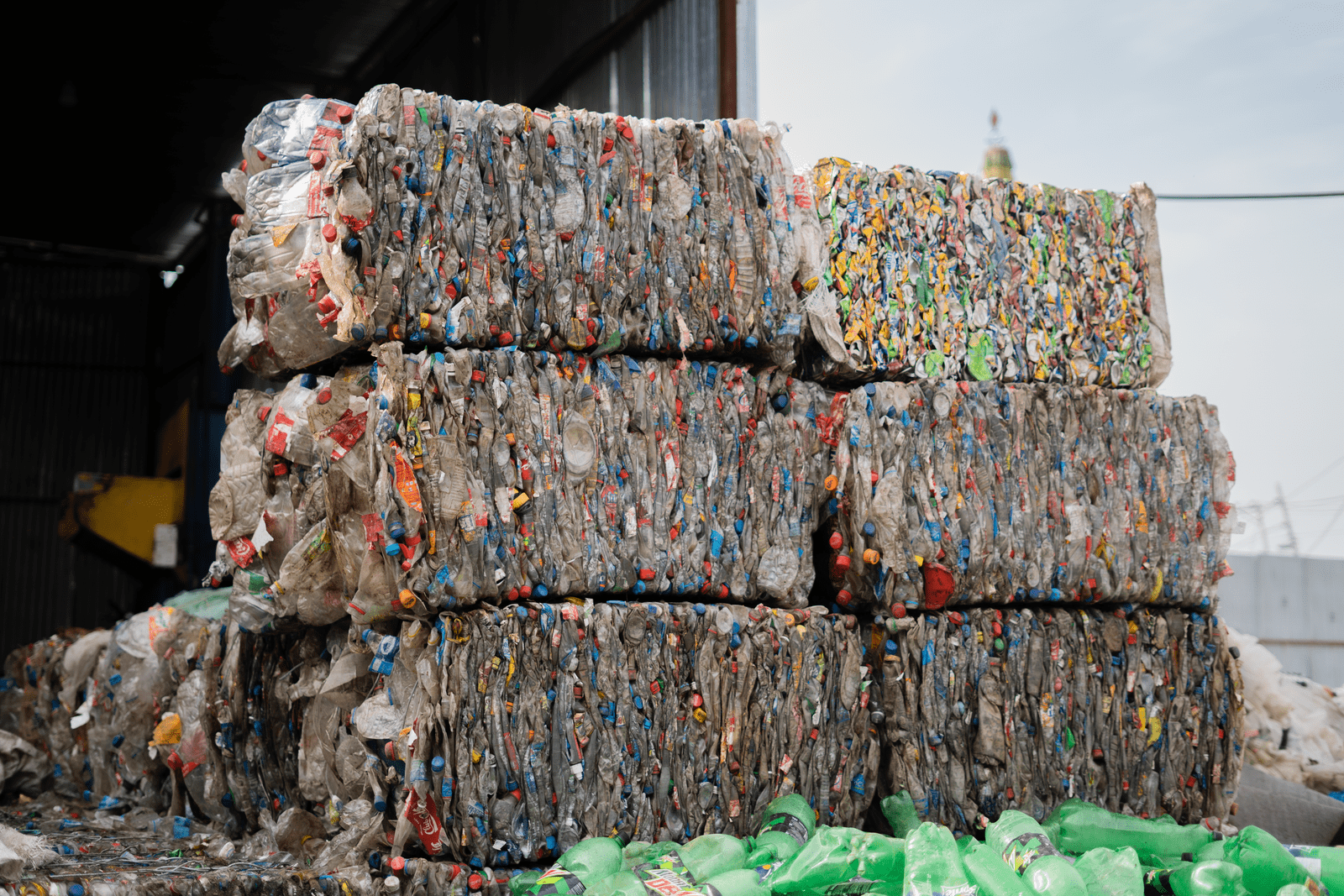
The Future of Cities It's in the past: The Urban Mining Revolution.
In the bowels of contemporary metropolises, a new line of prospectors is changing the way we see human development. They don't use picks in deep mines, neither do they seek gold shafts in untouched lands. Armed with architectural plants, detailed inventories and a clinical look at the hidden value, these professionals practice urban mining. The concept is as simple as revolutionary: to transform old buildings, destined for demolition, into the most valuable raw material of the future.
Imagine a traditional construction site. The common scenario usually involves dust, the roaring of excavators and demolition balls reducing decades of history to a pile of confused debris, destined for landfills. Urban mining proposes the absolute opposite. Before heavy machinery gets on the scene, material hunters come in. Their work is a meticulous historical and ecological rescue. Experts search every floor to clear and save everything that has reuse potential elsewhere.
The spectrum of recovered treasures is vast. In a single expedition, it is possible to rescue from high luxury relics, such as Murano glass fixtures and massive oak floors, to the robustness of a handmade decorative masonry. Absolutely everything matters. From doors and windows to hydraulic tiles and structural beams, the recovered materials gain a new life, directly challenging the construction sector — historically one of the biggest villains in carbon emission and waste generation — mitigating its environmental impact.
The Challenge of Direct Reuse vs. Recycling
Although the concept gains strength through urgent research on material sustainability, circularity and economy, the market still faces a great cultural and logistical bottleneck. Currently, direct reuse of components in their original form (maintain windows, doors, beams, facade elements and sanitary facilities exactly as they are) is still the exception, not the rule.
To understand the true goal of circular economy, we need to differentiate common waste management practices:
Direct Reuse (Upcycling/Preservation): The component retains its original integrity, aesthetics and function, adding historical value and saving 100% of the energy that would be spent to manufacture a new piece.
Lowest Quality Recycling: The resulting product is clearly below the original material.
Degraded Reuse (Downcycling): The material is reused, but with severe loss of quality, value or functionality. This is what happens, for example, when a noble structural concrete is crushed to become only road paving base.
The main objective of urban mining is to stop downcycling. It is a question of understanding that a wooden beam of law or a period tile are not "potential entanglement", but valuable assets that deserve the lead in new architectural projects.
Building Tomorrow with Yesterday's Bricks
Feeding this circular gear requires modern architecture to change mentality. The new projects need to be designed already thinking about their future dismantling, and the old constructions should be viewed as temporary "material banks".
By connecting the past and the future, urban mining proves that sustainability does not need to be minimalist or dull. On the contrary: it brings personality, texture and history to the new constructions. When an old building becomes raw material, we not only clean the planet and reduce waste; we keep alive the very soul of urban identity. -

The Future of Cities It's in the past: The Urban Mining Revolution.
The Future of Cities It's in the past: The Urban Mining Revolution
In the bowels of contemporary metropolises, a new line of prospectors is changing the way we see human development. They don't use picks in deep mines, neither do they seek gold shafts in untouched lands. Armed with architectural plants, detailed inventories and a clinical look at the hidden value, these professionals practice the urban mining. The concept is as simple as revolutionary: to transform old buildings, destined for demolition, into the most valuable raw material of the future.
The Rescue of Architectural Treasures
Imagine a traditional construction site. The common scenario involves dust and the roar of excavators reducing decades of history to a heap of confused debris. Urban mining proposes the absolute opposite. Before heavy machinery gets on the scene, material hunters come in. Their work is a meticulous historical and ecological rescue. Experts search every floor to save everything that has reuse potential.
The spectrum of recovered treasures is vast. In a single expedition, it is possible to rescue from luxury relics, such as Murano glass fixtures and massive oak floors, to the robustness of a handmade decorative masonry. Absolutely everything matters. From doors and windows to hydraulic tiles and structural beams, recovered materials gain a new life, challenging the construction sector to mitigate its environmental impact.
Direct Reuse vs. Recycling: The Great Difference
To understand the true goal of circular economy, we need to differentiate common waste management practices:
- Direct Reuse (Upcycling): The component retains its original integrity and function, saving 100% of the energy that would be spent to manufacture a new part.
- Lowest Quality Recycling: The resulting product is of lower quality than the original material.
- Downcycling: The material is reused with severe value loss, as when noble concrete becomes only paving base.
The main objective of urban mining is to stop the downcycling. It is a question of understanding that a wooden beam of law or a period tile are not "entulho", but valuable assets that deserve to be a leading role in new architectural projects.
Technology and Digital Sustainability
Technology plays a crucial role in this revolution. 3D modeling software and cloud databases allow cataloging recovered materials, creating a "digital market for urban resources". No biobit.online, we explore how this digitization of physical matter allows architects anywhere in the world to access historical pieces for their projects, uniting the efficiency of the bit to the solidity of the stone.
By connecting the past and the future, urban mining proves that sustainability does not need to be minimalist or dull. On the contrary: it brings personality and history to the new constructions. When an old building becomes raw material, we not only clean the planet; we keep alive the very soul of urban identity.
-
Beyond What Eyes See: Because things are not extensions of who we are.
Open the wardrobe, look at the shelves or watch the screen on your phone. We live immersed in an ecosystem of objects that, according to the gear of modern consumption, should translate our essence. We were subtly conditioned to believe in a dangerous equation: that our personal value is directly proportional to the volume of what we accumulate. Brand clothing, the latest model of technology and impeccable decorations are no longer mere utilities to become a kind of second social skin. But the great truth we usually forget is that none of these things define us.
When we associate our identity with what we possess, we build an invisible prison with walls made of matter. We depend on external symbols to validate who we are, generating an incessant and exhaustive search for the next item on the list. After all, if I am what I have, what happens when I lose or when the object becomes obsolete? The answer is a chronic sensation of emptiness and inadequacy, a constant fear that our image will crumble if we are not surrounded by news.
Material detachment appears as a manifesto of freedom against this illusion. He invites us to remember that we are the observer, not the scenery. Our history, our values, our laughter and our ability to overcome are immaterial elements that no store can sell and no drawer can store. We are much deeper than what is exposed on our shelves.
Material detachment is not about living in scarcity, but about living with purpose. It is to understand that objects must serve our existence, and never the other way around. When we stop being held hostage, we rediscover our own autonomy.
The Cleaner Echoing From the Inside
It is wrong who thinks that the act of disarraying and organizing the physical space is only a superficial domestic task. There is a deep and intimate connection between the environment in which we live and the state of our mind.
The weight of excess: Keeping closets packed with clothes that we no longer use or boxes full of memories without use creates a constant visual noise. This excess saturates our attention and generates silent anxiety.
The power of conscious disposal: When we decide to donate, recycle or throw away what has already fulfilled its function, we move stagnant energy. Each object that comes out is a vote of confidence in the future and an immediate relief for the present.
Mental clarity: A minimalistic, clean and airy physical space functions as a mirror for the brain. Less material distractions translate into more focus, creativity, and peace of mind.
Making Space for What Really Matters
By breaking the umbilical cord that binds us to material attachment, an entirely new horizon unfolds. We realize that time and money previously spent on maintenance, search and concern for things can be channeled to the accumulation of another type of wealth: experiences.
A lighter life allows us to invest in what really leaves footprints in the soul — long conversations around the table, trips that expand the mind, learning a new skill or the simple privilege of having free time to do nothing. By emptying the excess drawers, we open a sacred space in the mind to welcome new ideas, more authentic relationships and a much more genuine presence in here and now. In the end, true sophistication — and true wealth — it consists of walking around the world with a light baggage and an immensely full soul of itself. -

Correntes Invisíveis: O Desapego Emocional como o Mais Profundo Ato de Autocuidado.
Guardar raiva, mágoa e ressentimento é como tomar veneno esperando que a outra pessoa morra. Essa frase, embora dura, ilustra com perfeição a armadilha em que nos colocamos quando insistimos em alimentar sentimentos negativos. Sem perceber, transformamos o peito em um tribunal em eterna sessão, onde revivemos o erro alheio repetidas vezes, perpetuando o nosso próprio sofrimento. Essas emoções funcionam como correntes invisíveis que nos mantêm acorrentados ao passado, impedindo-nos de caminhar em direção ao futuro e de desfrutar da leveza do presente.
Libertar-se desse peso não significa que o que aconteceu foi correto, aceitável ou justo. Existe um grande mito de que o perdão e o desapego emocional são sinônimos de fraqueza ou de condescendência com o erro do outro. Na realidade, é exatamente o oposto: trata-se do ápice da força pessoal. Desapegar-se da dor não é amnésia, não é esquecer o fato histórico do que ocorreu, mas sim retirar a carga elétrica e emocional que aquela lembrança carrega. É olhar para o ontem e perceber que a cicatriz está lá, mas que ela já não sangra mais.
Quando escolhemos o caminho do perdão, estamos tomando uma decisão estritamente estratégica e pessoal. Não fazemos isso pelo outro, mas por nós mesmos. Perdoar não é justificar a atitude de quem nos feriu, nem restabelecer uma relação com quem quebrou nossa confiança; perdoar é simplesmente decidir que o erro alheio não terá mais o poder de controlar o nosso humor, a nossa paz de espírito e o nosso destino. É retomar as rédeas da própria vida.
O desapego de sentimentos negativos é, acima de tudo, uma forma de autocuidado profundo. É entender que a nossa energia mental e emocional é um recurso limitado e precioso demais para ser gasto com quem ou o que já passou.
Desatando os Nós do Ressentimento
Para iniciar o processo de limpeza dessas toxinas emocionais, precisamos mudar a forma como lidamos com a nossa própria dor:
Valide o que sentiu, mas não more na dor: Sentir raiva ou tristeza no momento da quebra de expectativa é humano e saudável. O perigo mora em transformar a visita do sentimento em habitação permanente.
Mude o foco da narrativa: Enquanto a mágoa foca no “por que fizeram isso comigo?”, o desapego foca no “o que eu faço a partir de agora com a minha própria vida?”. A pergunta muda o papel de vítima para o de protagonista.
Rompa o ciclo da repetição mental: Cada vez que revisitamos a história para sofrer de novo, o cérebro processa a dor como se ela estivesse acontecendo agora. Cortar esse fluxo obsessivo é um exercício diário de gentileza consigo mesmo.
O Alívio de uma Alma Livre
O desapego emocional traz consigo uma sensação de espaço interno que antes era inteiramente ocupada pelo barulho da indignação. Quando paramos de carregar a dor repetidamente, o corpo relaxa, os pensamentos clareiam e a vida volta a ganhar cores mais vivas.
A vida é curta demais para sermos os carcereiros das nossas próprias mágoas. Ao abrir as mãos e soltar o ressentimento, descobrimos que a chave da cela sempre esteve do nosso lado de dentro. Cortar essas correntes invisíveis é o maior presente que você pode se dar: a liberdade de caminhar pelo mundo com o coração leve, protegido pelo escudo do amor-próprio e com os braços totalmente abertos para tudo de bom que o presente tem a oferecer.

