
Category: Digital Art
-
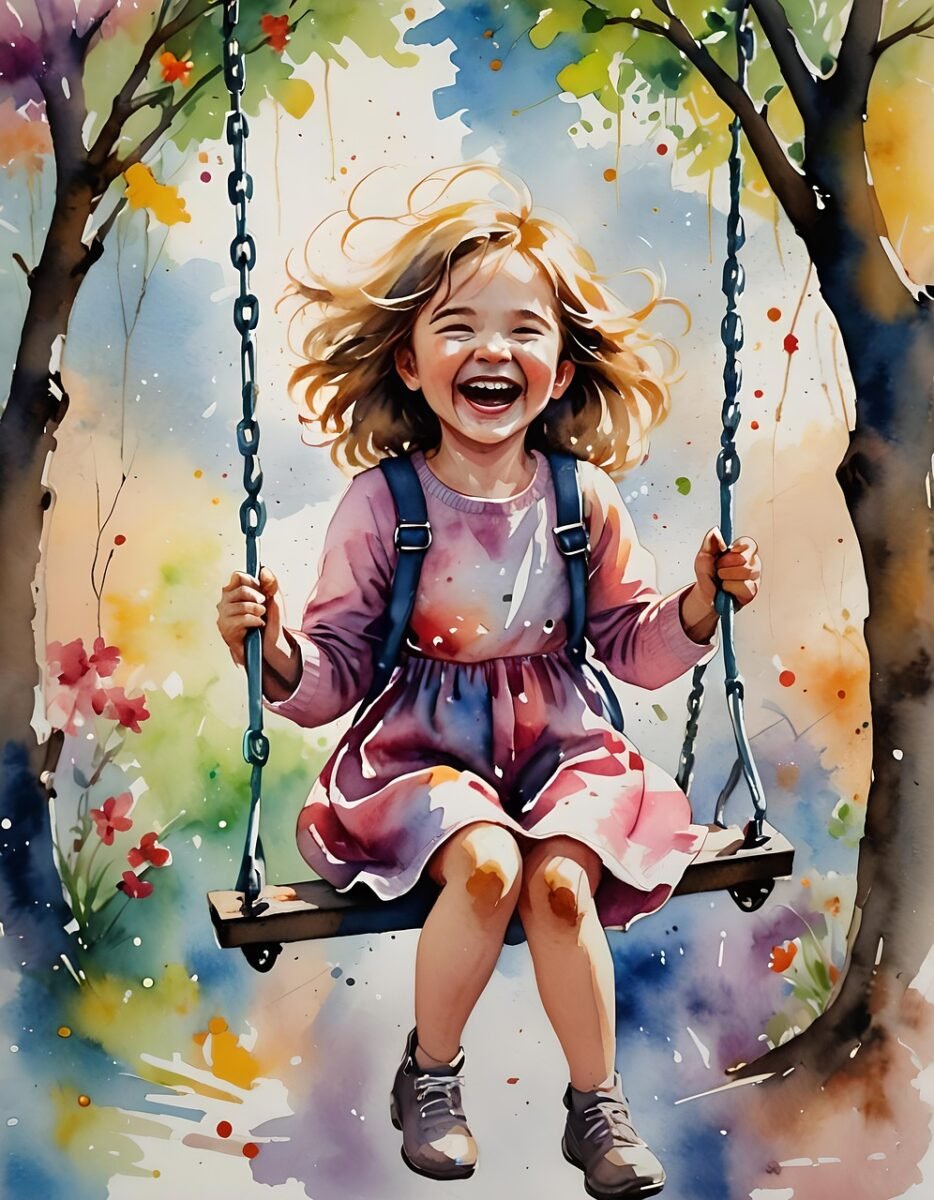
Say hello with a smile
Smile is not just a muscle movement, a lip curvature or a social reflection of politeness. He is, in his purest essence, a portal. To greet someone with a smile is an act of metaphysical courage; it is the moment when we decide, for a brief second, to disarm the sentries of our ego to allow the light of the other to touch ours. In a world that often resembles a desert of indifference, smile works as an unexpected oasis, a proof that humanity still pulses under the layers of concrete and haste of big cities.
Philosophically, smile is the denial of nihilism. When we smile at a stranger, we are claiming that his existence has value, that he has been noticed, recognized and, in a way, validated. It is the "I see you" of which the ancestral traditions spoke, translated into the silent language of the face. It's a bridge over the abyss of loneliness. As the philosopher Emmanuel Levinas would say, it is on the face of the other that ethics is based. Smile, therefore, is the first prayer of ethics: a silent commitment to non-aggression and acceptance.
Poetically, smile is the dawn that is born in the middle of the night of the soul. How many times a warm greeting wasn't the Ariadne wire someone used to get out of a maze of sorrows? It is not a plastic joy or a catalogue happiness, but a deep compassion. Smiling while you say "good morning" is like sowing flowers on dry soil. You may not see the harvest, but the scent of that gesture remains in the air, altering the chemistry of the environment and the heart rate of the recipient.
There is a sacred geometry in the act of smiling. It breaks the rigidity of the masks we use to survive. The mask of the serious professional, the mask of the occupied citizen, the mask of the protected individual. The smile cracks this social pottery and lets the vulnerable and divine soul that dwells in us all appear. It is a reminder that despite our differences in caste, color or belief, we all share the same fundamental need for connection and human warmth.
Besides, smile is an act of resistance. In times of cynicism and algorithms that isolate us in bubbles of hatred, smiling to the next is a silent revolution. It is to say that love is still the strongest currency, that kindness is the most sophisticated intelligence and that the beauty of a human encounter surpasses any technology. It is an ephemeral form of art, painted in the air with the light of the look and the curve of the lips, which cannot be bought, but which enriches infinitely who gives it and who receives it.
So let us not save on smiles. May they be our standard greeting to the mystery of life that dwells in the other. That when we meet someone in the corridor of life, we can offer this immaterial gift, this little spark of divinity that says: "I'm here, you're there, and we better be together right now." For at the end of the day, when all the words shut up and all the theories fail, it will be the brightness of a sincere smile that will illuminate the way back home to the heart of our own humanity.
-
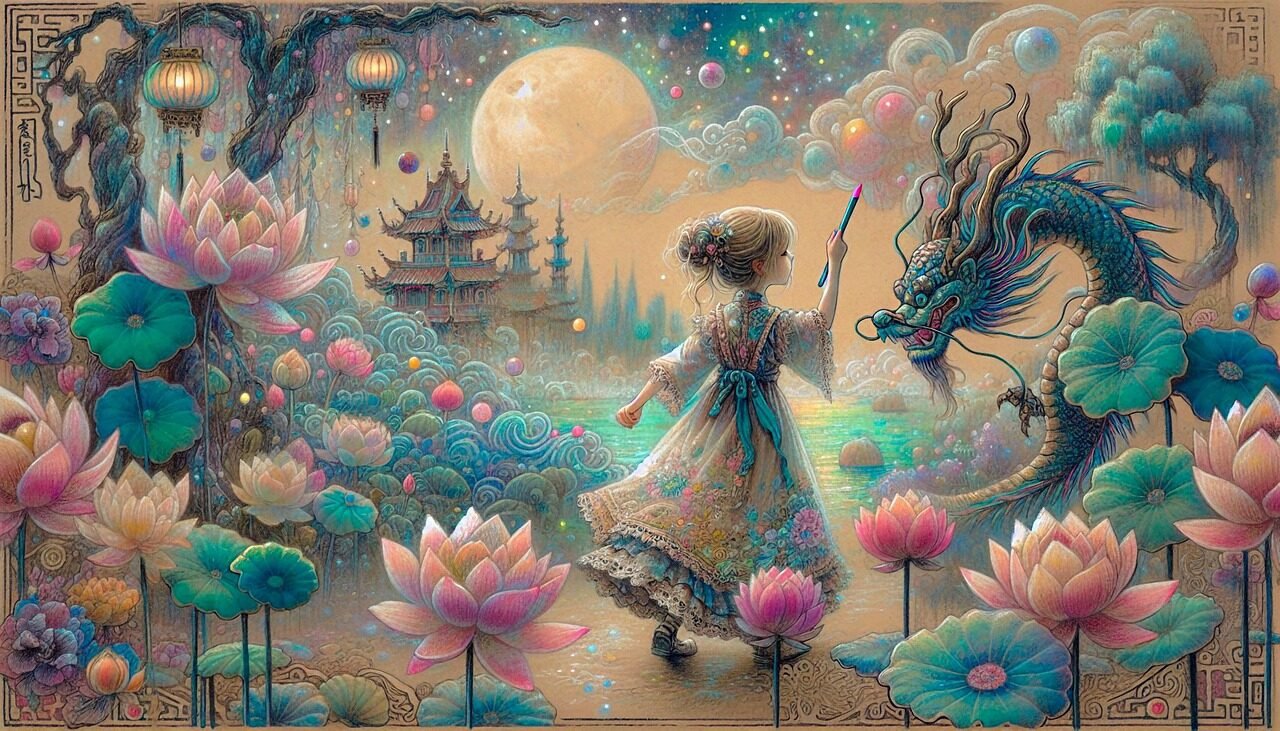
From Brush to Pixel: How Artificial Intelligence Can Be the Traditional Artist's New Ally.
The transition from fabric to glass screen has always been a land surrounded by hesitation for traditional artists. The smell of oil paint, texture of textured paper and watercolor unpredictability have a difficult physical magic to replicate. However, the current artistic scene presents a new frontier: the fusion of digital painting with the tools of Artificial Intelligence (IA). Far from being a threat to authenticity, AI can act as an incredibly versatile studio assistant, helping translate its classic baggage into the digital environment in a fluid and innovative way.
The Start Point: Scanning Your Identity
The biggest mistake a traditional artist makes when migrating to digital is trying to start over. Its greatest strength is its baggage: the understanding of color theory, anatomy, light and shadow. The migration process begins in the physical world.
Instead of fighting a blank canvas in painting software (such as Photoshop, Procreate or Krita), you can use your own graphite sketches or pen studies as a base. By scanning a linear design, integrated AI tools or image generation software (such as Midjourney or Stable Diffusion) can be used to test complex color schemes or dramatic illuminations in seconds, serving as an ultra-fast "painting study" that will guide your real digital brush strokes.
AI as Copilot of Creation and Concept
In the traditional method, changing the composition of a work in the middle of the process may mean losing work days. In the digital environment supported by AI, this creative block is dissolved. The role of AI here is that of co-creator in the planning phase, using concepts such as:
Generation of Custom References: Do you need to paint a Renaissance armor under the sunset on Mars? Instead of spending hours at Pinterest, you can guide AI to generate exact references that combine these elements, serving as inspiration for your manual painting.
Style Variation: You can feed an AI with an authorial sketch and ask it to design how that image would be if it was influenced by Impressionism or Baroque, opening up new aesthetic perspectives before you even choose digital brushes.
Mental note: The AI generates the suggestion, but the execution, refinement and human sensitivity of the final brushstroke remain entirely theirs. It accelerates the brain; you command the hand.
The Hybrid Workflow in Practice
To structure this transition in a theoretical way, we can divide the ideal workflow into four clear stages, uniting the best of both worlds:
Human Spark (Analogical): Creation of the concept, thumbnails and structural pencil drawing on paper.
The Horizon Expansion (IA): Upload from the sketch to an AI tool. Use of Img2Img techniques (image for image) with text commands (prompts) to generate atmosphere variations, color palette and textures.
Digital Structure (Software): Import of the original sketch and the best variations of AI to separate layers in your digital painting software.
Human Painting (Digital): Using a scanning table to paint on top, correct distortions that the AI usually commits (such as hands anatomy or confusing perspectives) and apply its unique personal style.
Overcoming Prejudice and Embracing Evolution
Historically, every major technological transition caused discomfort. The photograph was already seen as the end of the painting, and the appearance of Photoshop itself generated heated debates in the 1990s. Artificial intelligence is just another tool on your desktop — a digital pigment that responds to conceptual commands.
By migrating to digital painting with the support of AI, you are not abandoning your traditional art; you are expanding your studio to a dimension where experimentation time is instantaneous and the possibilities of creation are virtually endless. The brush changed, the canvas evolved, but the mind behind the work remains yours. -
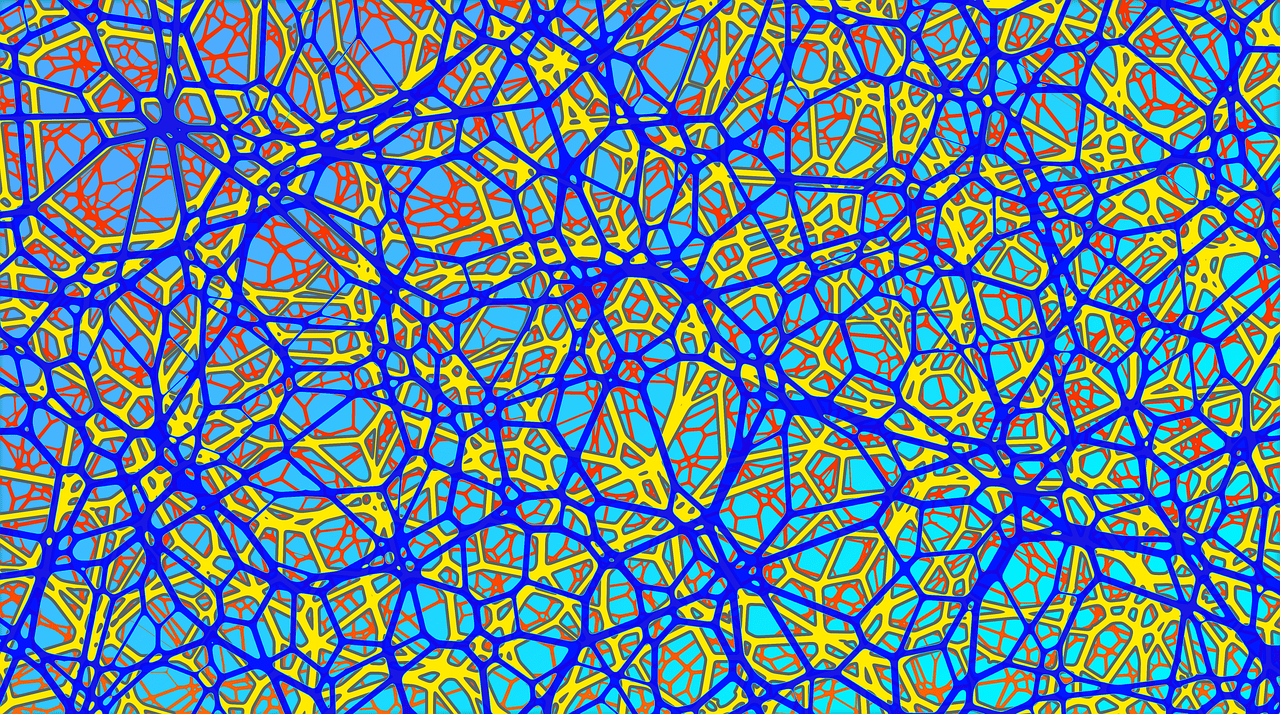
The Age of Streaming: How Algorithms Mold Their Ears
streaming has forever changed the way we discover and consume music. At the heart of this revolution are the recommendation algorithms, which analyze billions of data to create custom playlists that seem to read the mind of the listener.
The Science of Discovery
Through machine learning, platforms identify subtle connections between genres and artists. This allows independent musicians to reach specific audiences anywhere in the world, breaking the barriers of old traditional record companies.
The Challenge of Attention
While facilitating access, the streaming model imposes the challenge of ephemerality. With such an offer, artists need to find innovative ways to engage their fans and create deep connections that go beyond a simple play on a random playlist.
-
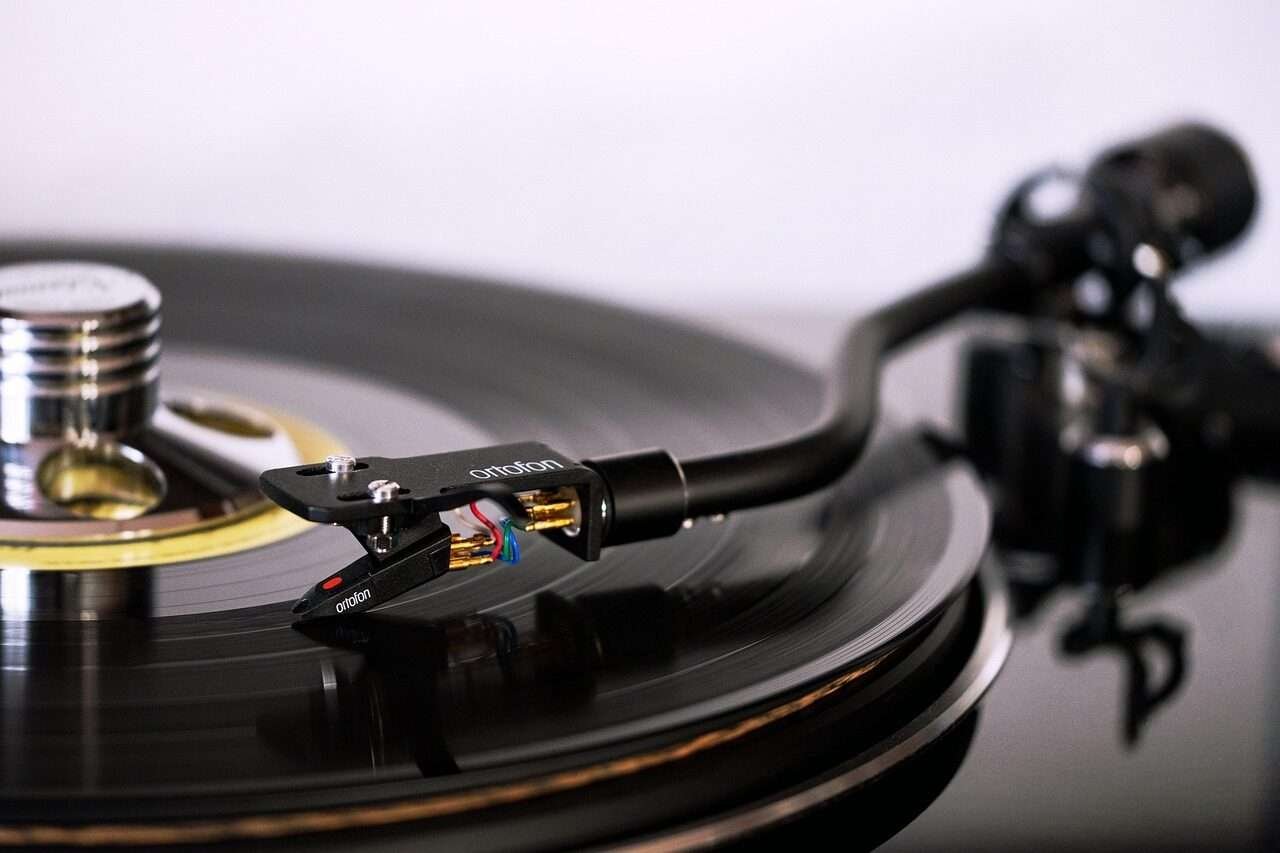
Analogical Renaissance in the Digital Age: Vinyl and Synthesizers Vintage
Despite the digital domain, we are experiencing a rebirth of analog audio. The triumphal return of vinyl discs and the appreciation of vintage synthesizers show that listeners still seek the texture and heat that only physical hardware can provide.
The Charm of the Perfect
In a world of digital perfection, the light squeak of vinyl and the nuances of a valved amplifier offer an organic experience. Many modern producers use hybrid techniques, digitally recording but passing sound through analog equipment to gain "color" and character.
Technology to Sound Service
New Windows with Bluetooth connectivity and modern high-fi sound systems unite the best of both worlds. The current technology allows to preserve the sound aesthetics of the past with the convenience and accuracy of the present.
-
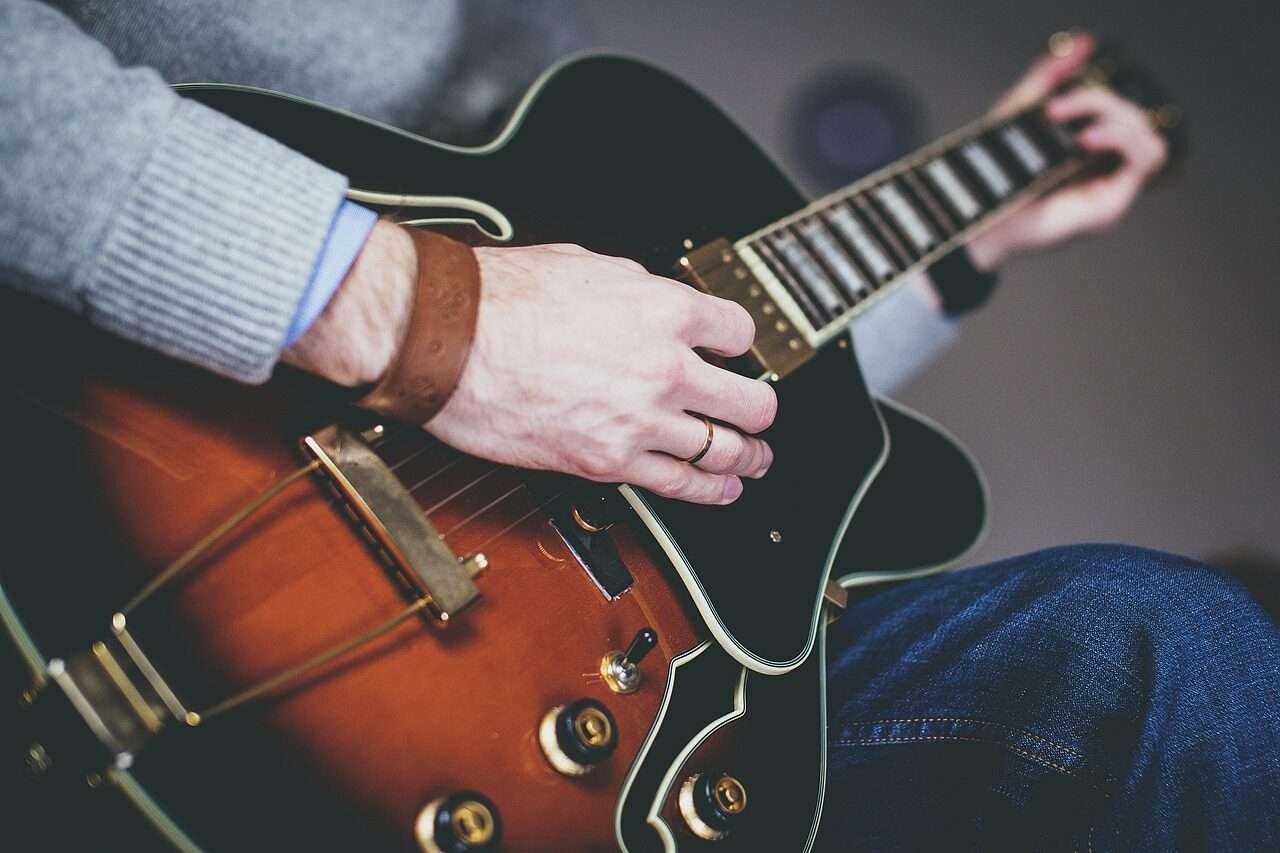
Shows on Metaverse: The Immersive Experience of Live Music
Virtual Reality (VR) and Augmented Reality (AR) are taking the live show experience into the fans' homes. Concerts in metaverses and 360-degree immersive performances offer a new form of interaction that transcends physical distance.
Digital Presence
Artists can now perform world tours without leaving a motion capture studio. These digital events allow real-time interactions with fans' avatars, creating a sense of community and spectacle that redefines the concept of "going to a show".
The Future of Entertainment
The integration of spatial audio and interactive visual elements makes each presentation unique. As RV devices become more accessible, the barrier between the physical and digital stages will continue to decrease, creating hybrid sensory experiences.
-
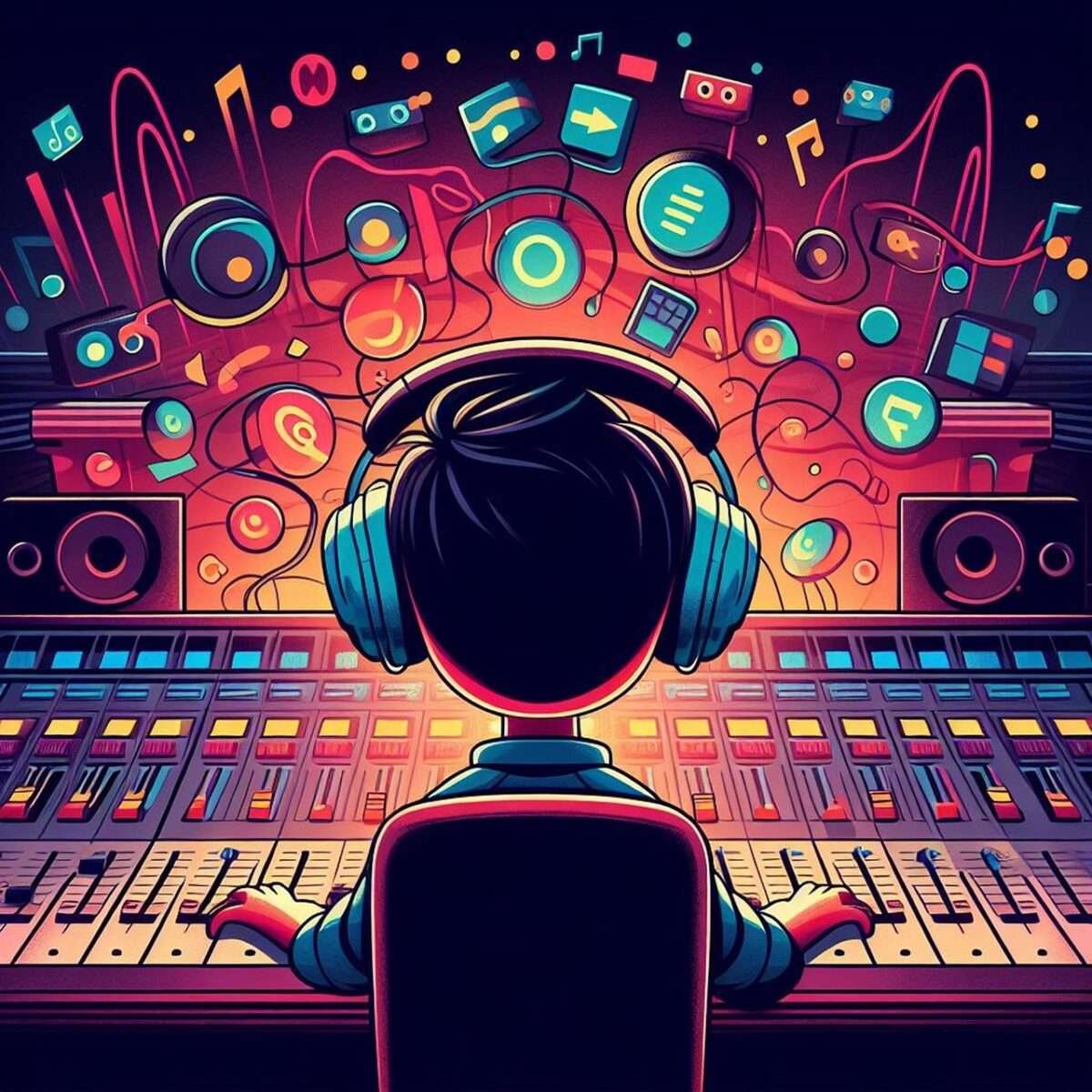
Blockchain in Music: Transparency and New Business Models
Blockchain technology is beginning to solve one of the oldest problems in the music industry: transparency in royalty payments. Through smart contracts, artists can receive their winnings directly and instantly at each execution.
NFTs and Exclusive Experiences
Non-fungal tokens (NFTs) allow musicians to sell unique digital works, limited editions of albums or even exclusive backstage access. This creates a new direct economy between creator and fan, eliminating intermediaries and increasing the artist's profitability.
Creative Sovereignty
By using decentralized technologies, the musician retains greater control over his intellectual property. The future points to a fairer music market, where technology ensures that the value generated returns to those who actually create art.
-
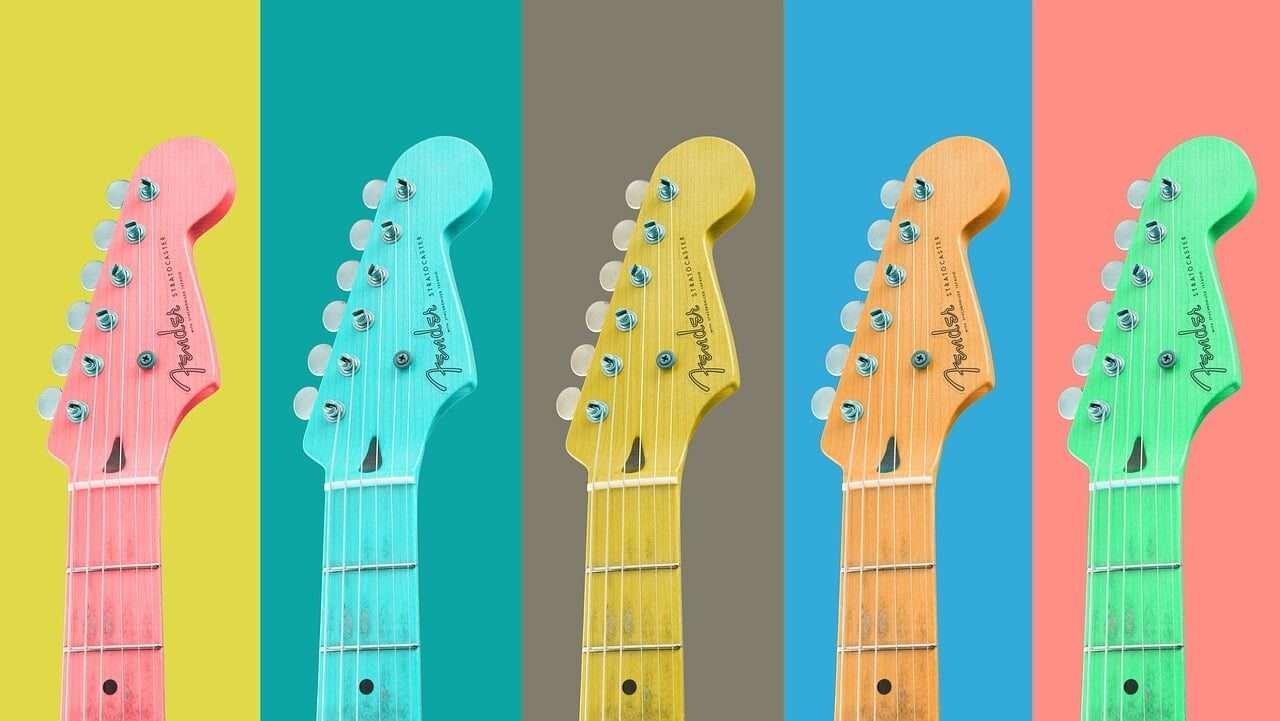
Music and AI: The New Border of Digital Composition
Artificial intelligence is inaugurating a new era in musical composition. From algorithms that generate complex melodies to automated mastering tools, technology is expanding the boundaries of creativity and allowing new artists to experience previously inaccessible sounds.
AI as Creative Tool
Unlike many think, the AI did not come to replace the musician, but to serve as a tireless collaborator. With it, it is possible to analyze harmonic patterns and suggest melodic paths that challenge human intuition, resulting in fascinating hybrid compositions.
Democratization of Production
Today, with a computer and AI-based software, anyone can produce studio-quality music. This democratization is giving voice to a global generation of independent producers who are shaping the sound of the future.
-
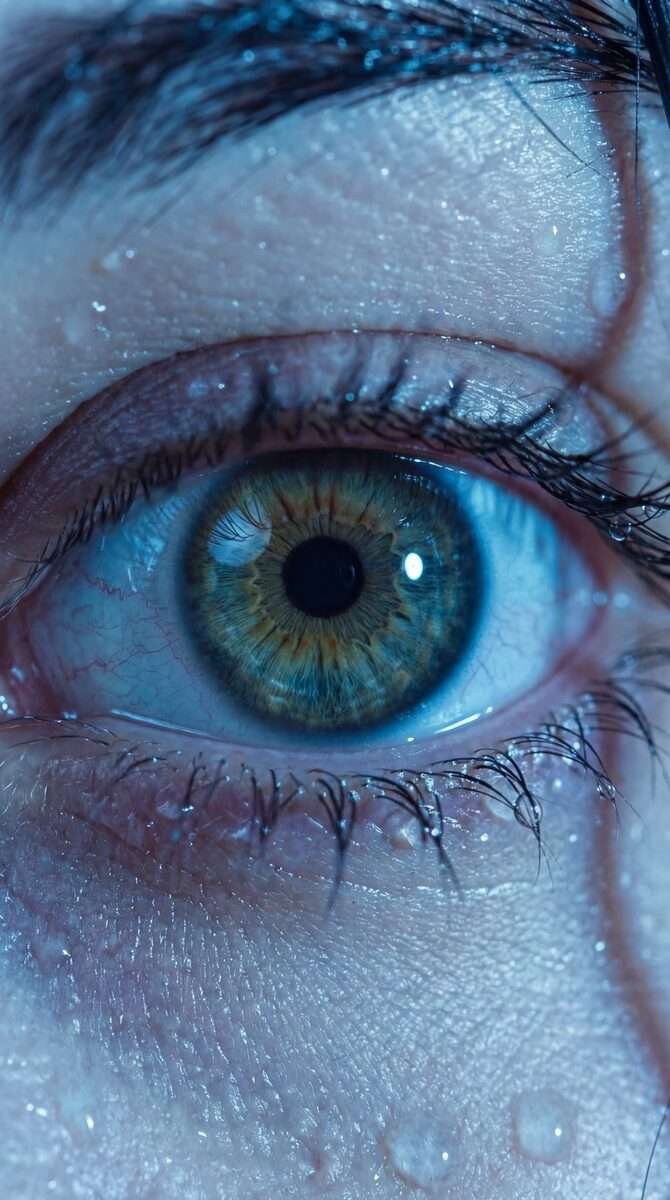
The Look That Speaks: The Depth of Connection Beyond Words

There are windows that don't open to streets, but to whole universes. A blue look, charged with emotion, is like the encounter of the ocean with the sky on the horizon: vast, mysterious and impossible to ignore. In it, words become unnecessary, because the brightness of the iris tells stories that the voice would never dare pronounce. In biobit.online, we explore how non-verbal communication is often the most honest channel of human connection we have.
The Psychology of Visual Contact
When we dive into the depth of such a look, we are confronted with our own shadows and lights. Science explains that prolonged visual contact releases oxytocin, the hormone of trust and affection, creating an invisible bridge between two consciousnesses. It is a mirror of the soul that invites us to silence and contemplation. In a world of fast and superficial connections, mediated by cold screens, stopping to decipher the poetry contained in a simple look is an act of resistance and humanity.
What Eyes Reveal About Being
Eyes don't just see; they talk. They reveal the weariness of the journey, the spark of hope and the depth of empathy. Learning to read what the eyes say, even before the first sound escapes from the lips, is an essential skill for those seeking personal evolution and emotional intelligence. This "look that speaks" reminds us that, behind each digital interaction, there is a soul thirsty for being seen and understood in its entirety.
Conclusion: The Invitation to Royal Connection
May we rescue the courage to look into the eyes. In your next conversation, try to perceive the nuances of color and emotion in each other's eyes. You will find that the truth is rarely in what is said, but in what appears through the iris. Continue your journey of self-discovery with us, exploring how the subtlest details of our biology can reveal the greatest truths about our behavior.
-
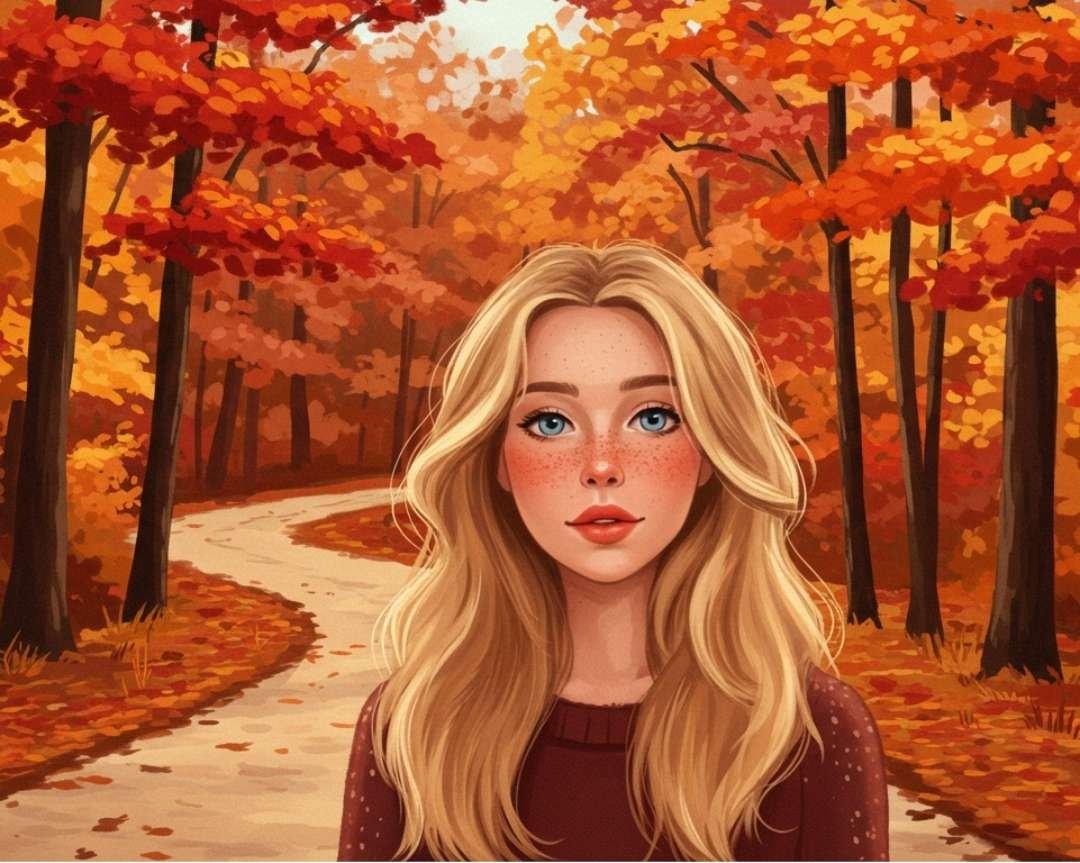
Digital Art and the Force of Gratitude: Turning Pixels into Positive Attitudes
Contemporary digital art goes beyond aesthetics; it is a reflection of our capacity for regeneration. As we explore new technological tools, we find that true innovation arises when we cultivate the Gratitude.
Creativity and Recognition
Practicing gratitude in the creative process transforms how we interact with the digital world. When we recognize the value of every pixel and every idea, our art gains a depth that resonates with optimism and hope.
The Impact of Positive Attitude
At BioBit.online, we believe that a grateful artist is a visionary. Gratitude opens doors for collaboration and for the creation of more humane and welcoming digital spaces.
-
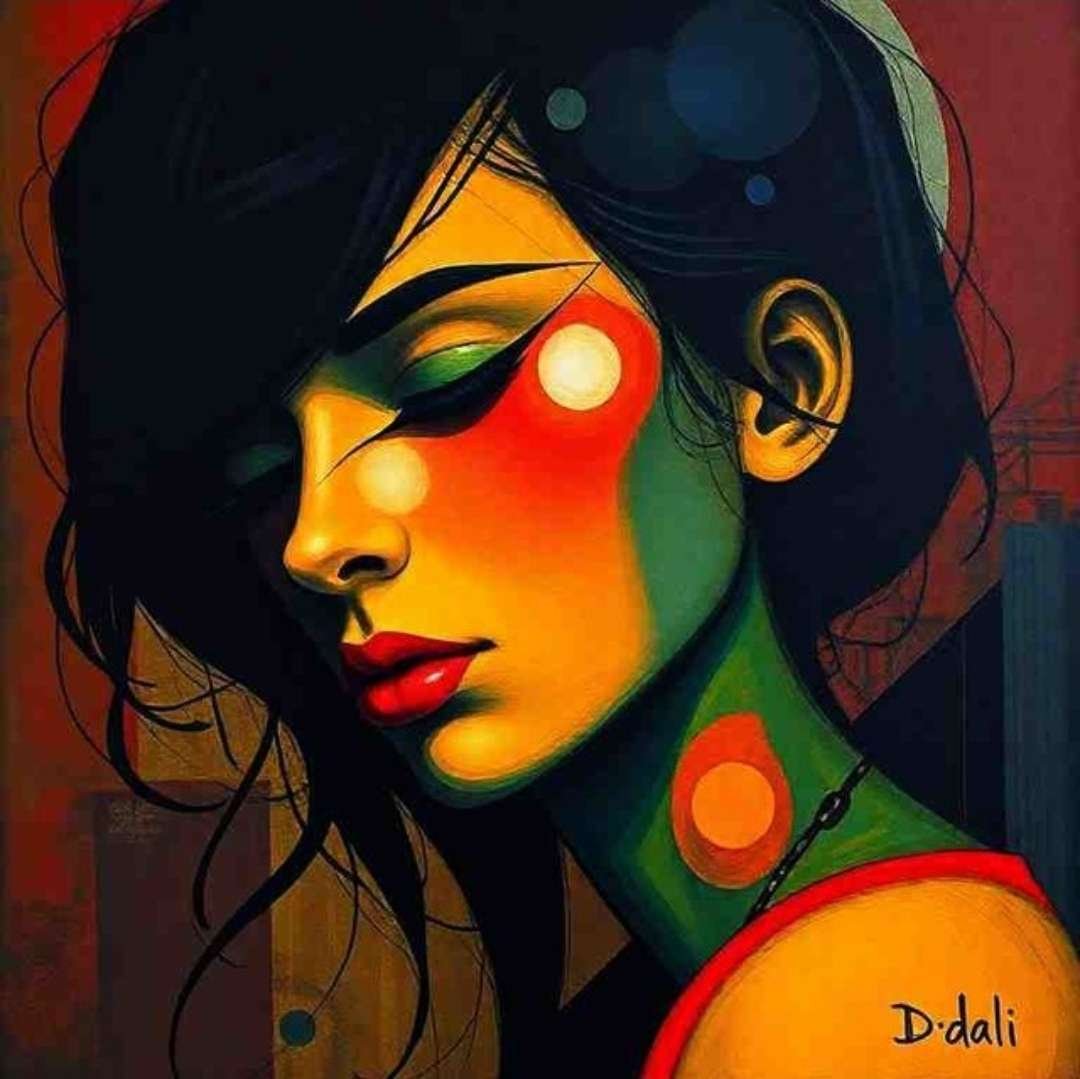
Digital Art and the Power of Resilience: Creating Amid Changes
Innovation in digital art reaches its peak when it is driven by Resilience. In a constantly changing technological scenario, the ability to adapt and persist is what defines works that really leave a legacy.
Creative Persistence
Being resilient in the digital world means embracing technical flaws as learning opportunities. Each rendering error or software bug can be the starting point for a new visual aesthetic, loaded with meaning and force.
Building the Future
At BioBit.online, we celebrate resilience as the attitude that transforms challenges into art. By integrating technology and consciousness, we create a robust and inspiring digital future.
-
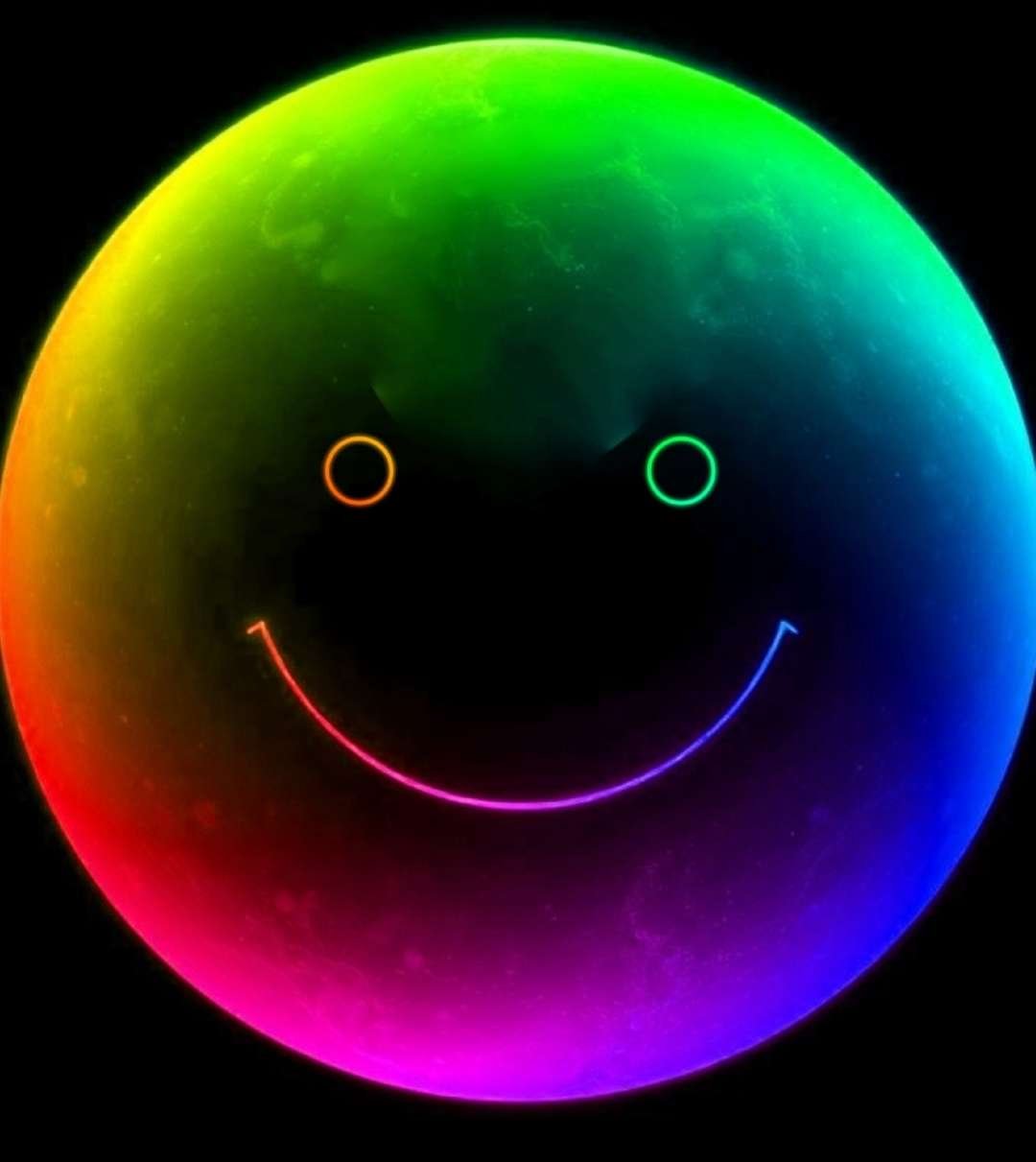
Digital Art and Discipline: The Way to Creative Excellence
The true mastery of digital art is achieved through Discipline. In a world of endless possibilities of software and filters, the ability to maintain focus and consistency is what separates amateur from master.
The Creative Rigor
Having discipline in digital creation means establishing a routine practice and constant study. It is the daily commitment to technical evolution and the exploration of new visual languages that allows the manifestation of an authentic artistic vision.
Focus on Essential
At BioBit.online, we value discipline as the attitude that organizes creative chaos. By mastering our tools with dedication, we transform technology into a powerful ally of our personal expression.

