
Por que destruímos? Da violência urbana que molda as nossas rotinas às guerras que redesenham fronteiras geopolíticas, a agressividade humana muitas vezes parece uma força inevitável, um defeito de fabricação na nossa própria natureza. No entanto, reduzir a destrutividade a um simples “instinto animal” é ignorar a complexidade da nossa mente e da nossa estrutura social. A psicologia profunda e a sociologia nos mostram que a violência raramente é um ponto de partida; ela é, quase sempre, um ponto de chegada — o sintoma visível de fraturas profundas na experiência humana.
Para compreender as origens dessa força sombria, a psicologia nos convida a olhar para o que acontece quando a vida é sufocada. O psicanalista Erich Fromm cunhou o termo necrofilia (não no sentido sexual, mas clínico) para descrever a paixão por tudo o que é morto, mecânico, controlado e destrutivo. Segundo sua perspectiva, a destrutividade humana surge precisamente quando o potencial criativo de um indivíduo é bloqueado. Quando uma pessoa é privada da capacidade de criar, de se expressar e de se conectar genuinamente com o mundo, a energia vital que deveria se transformar em amor e produtividade estagna e apodrece, convertendo-se em um impulso de controle, dominação e destruição. A agressividade hostil, portanto, nasce da impotência.
No plano social, essa dinâmica é amplificada por estruturas que promovem o isolamento e a desigualdade. Vivemos em uma cultura hipercompetitiva que frequentemente reduz o valor humano ao que ele possui ou produz, transformando o outro em um rival a ser superado — ou em um obstáculo a ser removido. Quando o tecido social se esgarça e as conexões comunitárias são substituídas pelo individualismo extremo, o medo do outro cresce. É nesse terreno fértil de medo e desamparo que a violência se institucionaliza, alimentada por discursos de ódio que desumanizam grupos inteiros para justificar a agressão.
Desarmar essa bomba-relógio biopsicossocial exige muito mais do que medidas punitivas ou o reforço da segurança pública; exige uma mudança radical de paradigma em direção ao que Fromm chamou de biofilia: o amor profundo à vida e a tudo o que é vivo.
Promover a biofilia significa, em primeiro lugar, reestruturar nossa educação e nossas relações para priorizar a empatia e a inteligência emocional desde a infância. Precisamos de espaços — escolas, lares e ambientes de trabalho — onde a vulnerabilidade não seja sinônimo de fraqueza, mas sim o alicerce para vínculos autênticos. Quando um indivíduo se sente visto, seguro e pertencente a uma comunidade, a necessidade neurótica de dominar o outro perde a sua razão de ser.
Além disso, a cura da destrutividade social passa por resgatar o contato com a natureza e com os processos criativos. A arte, o cultivo da terra, o cuidado com o meio ambiente e a celebração da cooperação não são distrações utópicas, mas antídotos biológicos e psicológicos urgentes contra o cinismo e a apatia que alimentam a nossa sombra coletiva.
Compreender a nossa capacidade de destruir não deve nos levar ao desespero, mas sim ao despertar. A destrutividade humana é o grito de uma vida que foi distorcida. Ao escolher ativamente caminhos que alimentam a criação em vez do controle, e a conexão em vez do isolamento, nós retomamos as rédeas da nossa própria evolução, provando que a nossa maior força não está na capacidade de ferir, mas no poder revolucionário de amar a vida.
Tag: psychology
-

O Eco da Sombra: As Raízes da Destrutividade Humana e o Resgate do Amor à Vida.
-

Shawn Finder's Inversion: Why Happiness is the Motor (not the Prize) of Success.
For generations, society has bought and sold the same formula of life: work hard, get a good job, be promoted, accumulate achievements and then you will finally be happy. This logic seems to make sense, but it runs into a chronic problem: it is scientifically wrong. In fact, positive psychology proved the exact opposite. Happiness is not the end result of success, but the fuel that makes it possible. This is what Harvard researcher Shawn Achar has consecrated as "the way to be happy": a radical change of perspective that transforms positivity into the engine of our greatest achievements.
O grande erro da fórmula tradicional é que ela cria uma linha de chegada que se move constantemente. Se você atinge sua meta de vendas, a empresa dobra a meta para o próximo trimestre; se consegue o emprego dos sonhos, o foco muda para o próximo cargo. Como o cérebro humano redefine o que é sucesso a cada conquista, a felicidade que deveria vir “depois” é empurrada para além do horizonte cognitivo. Nós nos condenamos a um estado de eterna espera, acreditando que a alegria é um prêmio que só pertence a quem cruza a linha de chegada.
Quando invertemos essa equação, a neurobiologia explica o milagre econômico e profissional que acontece. Um cérebro no estado positivo opera com o que a psicologia chama de “vantagem da felicidade”. Quando estamos felizes ou otimistas, nosso sistema nervoso é inundado por dopamina e serotonina. Esses neurotransmissores fazem muito mais do que simplesmente nos dar uma sensação de bem-estar; eles ligam os centros de aprendizado do cérebro, permitindo que processemos informações de maneira mais rápida, retenhamos conhecimento por mais tempo e encontremos soluções criativas para problemas complexos. Em termos biológicos simples, você é literalmente mais inteligente quando está feliz do que quando está estressado ou neutro.
O impacto prático dessa inversão nas empresas e na carreira é mensurável. Estudos mostram que profissionais que cultivam a positividade apresentam níveis de produtividade 31% maiores, vendem cerca de 37% mais e demonstram uma resiliência drasticamente superior diante de crises e pressões do mercado. Eles não têm sucesso e por isso sorriem; eles sorriem, colaboram melhor, arriscam com mais confiança e, como consequência direta desse comportamento, o sucesso se torna um subproduto natural.
Adotar o jeito de ser feliz, contudo, não significa ignorar os problemas do mundo ou adotar um otimismo ingênuo e tóxico. Trata-se de uma postura proativa de treinar o cérebro para escanear o ambiente em busca de oportunidades em vez de focar apenas em ameaças. Pequenos hábitos diários — como listar três gratidões específicas, enviar uma mensagem de agradecimento a um colega ou praticar breves minutos de meditação — funcionam como musculação para o córtex pré-frontal. Com o tempo, essas microações mudam o padrão de funcionamento cerebral.
Mudar a mentalidade de “sucesso primeiro, felicidade depois” para “felicidade primeiro, sucesso como consequência” é a maior revolução que alguém pode operar na própria carreira e vida pessoal. Ao entender que a alegria é o ponto de partida, e não a linha de chegada, nós nos libertamos da tirania do esgotamento e descobrimos que o trabalho pode ser o reflexo do nosso bem-estar, e nunca o preço a pagar por ele. -

The Biology of Pain: How Trauma Redraws Body and Paths to Reverse Healing.
Por muito tempo, a medicina e a psicologia trataram a mente e o corpo como dois reinos vizinhos, mas que falavam línguas completamente diferentes. Se você sofria um trauma psicológico, a resposta estava na terapia da fala; se o corpo adoecia, a solução vinha em um comprimido ou cirurgia. No entanto, os avanços mais recentes da neurobiologia e da medicina psicossomática jogaram por terra essa barreira artificial. A verdade científica hoje é incontestável: o trauma não é apenas um evento que fica guardado na memória. Ele altera fisicamente a estrutura do cérebro e remodela a biologia do corpo. O corpo, literalmente, mantém o registro.
Quando passamos por uma experiência traumática ou vivemos sob o peso do estresse crônico, nosso sistema de alerta de sobrevivência entra em pane. Em um cérebro saudável, a amígdala funciona como um detector de fumaça, identificando o perigo e disparando o alarme para que possamos lutar ou fugir. Uma vez que o perigo passa, o córtex pré-frontal — o centro lógico e racional — assume o controle, acalma o sistema e nos devolve ao estado de equilíbrio. No entanto, sob o impacto do trauma, esse mecanismo quebra.
A amígdala se torna hiperativa, disparando alarmes falsos diante de estímulos inofensivos do dia a dia, enquanto o córtex pré-frontal perde a capacidade de regular essas emoções. É como se o detector de fumaça ficasse ligado o tempo todo, mesmo quando não há fogo. Simultaneamente, o hipocampo, a região responsável por contextualizar as memórias e nos dizer que “o perigo já passou e ficou no passado”, sofre uma atrofia física devido ao excesso de cortisol, o hormônio do estresse. Para uma pessoa traumatizada, o cérebro processa o presente como se o perigo ainda estivesse acontecendo agora.
Mas essa transformação não para no sistema nervoso central; ela desce pelo corpo através do sistema nervoso autônomo. O estresse crônico inunda a corrente sanguínea com adrenalina e cortisol de forma contínua. A longo prazo, esse bombardeio químico desregula o sistema imunológico, gerando um estado de inflamação crônica de baixo grau. É por isso que indivíduos que carregam traumas históricos apresentam uma incidência significativamente maior de doenças autoimunes, dores crônicas, fibromialgia, problemas cardiovasculares e distúrbios gastrointestinais. O sofrimento emocional que não encontra vazão pela palavra se manifesta através da carne e dos órgãos.
Diante dessa realidade, os tratamentos puramente convencionais baseados apenas na fala frequentemente encontram um teto. Não é possível “convencer” racionalmente uma amígdala hiperativa a se acalmar se o corpo continua se sentindo ameaçado. É aqui que entram os tratamentos inovadores que integram mente e biologia, revolucionando a psiquiatria e a psicologia contemporâneas.
A chave para a cura real reside nas abordagens bottom-up (de baixo para cima), ou seja, terapias que usam o corpo para reorganizar o cérebro. Técnicas como o EMDR (Dessensibilização e Reprocessamento por Movimentos Oculares) e o Brainspotting utilizam estímulos sensoriais e visuais para acessar as áreas profundas do cérebro reptiliano onde o trauma ficou fisicamente “preso”, permitindo que a memória seja reprocessada e arquivada corretamente.
Da mesma forma, a Experiência Somática e as práticas integrativas baseadas no mindfulness e na regulação do nervo vago ensinam o corpo a restabelecer a percepção de segurança. Ao focar nas sensações físicas, na respiração e no alinhamento postural, o paciente consegue descarregar a energia de sobrevivência acumulada e mostrar ao sistema nervoso que o ambiente atual é seguro.
Curar o trauma, portanto, não é sobre esquecer o que aconteceu, mas sim sobre reconfigurar a biologia para que o passado deixe de ditar as reações do presente. Ao unir a ciência da mente à sabedoria do corpo, a medicina moderna finalmente abre caminhos para que as pessoas não apenas sobrevivam às suas histórias, mas voltem a habitar plenamente suas próprias vidas. -

The Great Invisible Theatre: Like the Myths created humanity.
Look around you. The chair where you sit, the device you hold, the coin you use to pay for the coffee and the country whose flag is on your passport. None of this would exist without the greatest superpower of our kind: the ability to invent stories and believe them.
The history of Homo sapiens is not only a chronicle of biological evolution or technological achievements; it is fundamentally the story of how we become the largest storytellers on the planet. About 70,000 years ago, the Cognitive Revolution turned into a common primate, who disputed space in the African savannah with lions and hyenas, into the undisputed ruler of the Earth. The secret of this twist was not physical strength or a brain just slightly larger, but the imagination of shared fictions.
Unlike other animals, who can only cooperate in small groups based on intimate knowledge and physical touch — as chimpanzees, whose social limit revolves around 150 individuals —, humans have discovered how to collaborate with millions of unknowns. And the cement that holds this colossal gear together are the imagined orders: myths that exist only in our collective mind, but that shape material reality with an overwhelming force.
Money is perhaps the most successful and universal myth ever created. A piece of paper or a handful of bits on a screen have no intrinsic value; you cannot eat them or shelter yourself in them. However, billions of people wake up every day to work in exchange for these coins because we all share the same faith that the neighbor, the baker and the government will also believe in their value. Money is mutual trust transformed into matter.
Likewise, nations and religions operate under the same logic of mass cooperation. An imaginary line drawn on the map creates the identity of a country, making people who have never seen each other in life ready to die and kill in the name of a flag. Gods, laws, human rights and even limited companies are legal and cultural fictions that organize the chaos of the real world, allowing us to build skyscrapers, organize health nets and send rockets into space.
The great paradox is that these myths, created to serve us, have ultimately profoundly shaped our current psychology. Our mind still carries the hunter-collector instincts that needed to survive in the jungle, but today we operate in a hypersocial world of abstract connections. We suffer from anxiety because of floating numbers in the stock market, we conflict by ideological differences and seek belonging to digital tribes. We were shaped to believe, and it is this belief that makes us capable of more heroic altruism or more systemic cruelty.
Understanding our trajectory under this macro lens gives us a lucidity shock. The world we live in is not an absolute and unchanging truth, but a tapestry woven by human imagination. And if we're the ones who invented the rules of the game that we play today, that means we also have the power to rewrite tomorrow's stories. -

Curiosity Awakening: How to Overcome Fear and Free Your Creative Life.
Creativity is not a privilege reserved to painters in front of blank canvases, reclusive writers or technology geniuses. It is fundamentally a vital force inherent in every human being. — the ability to connect distant points, find original solutions and shape the world around us. However, for most of us, the biggest obstacle to living a creative life is not lack of talent or ideas, but fear. Fear of judgment, fear of failure and chronic anxiety of rejection act as invisible forces that smother our most authentic expression, locking our innovation in a cell of conformism.
To break through these barriers, the first step is to understand that fear will never completely disappear. It is part of our biological defense system, designed to keep us safe in the comfort zone. The great turning point in the creative process happens when we stop fighting to eliminate fear and instead learn to walk beside it. To create courageously is not to be fearless, but to have the deep conviction that our curiosity is much more interesting and urgent than our fear of error.
"Creativity demands the courage to break free from certainties."
When we put curiosity in the driver's seat, the dynamics change. Curiosity turns the burden of collection into an invitation to exploitation. Instead of wondering "What if it goes wrong?" we start to ask, "What happens if I try this way?" This slight shift of perspective removes the art and innovation of the court from perfectionism and returns them to its natural habitat: the territory of the game, experimentation and discovery. Error ceases to be a verdict on our value and becomes just a valuable piece of data in the learning process.
To nurture a creative life without fear, we also need to rescue the right to produce imperfect things. The obsession with the masterpiece in the first attempt is the poison that paralyzes the drafts. Every big project, whether it's a book, a painting or the innovative layout of an environment, is born of clumsy attempts that were allowed to exist. Giving yourself the freedom to create without obligation to please everyone is the greatest act of rebellion and liberation that a creator can exercise.
At the end of the day, artistic expression and the ability to innovate are forms of generosity. When we share what we create, we are offering the world a piece of our unique vision. To let fear decide what you will or will not put in the world is to deprive society of a perspective that only you possess. So embrace uncertainty, make peace with vulnerability, and allow your curiosity to guide your next step. The world is waiting to see what happens when you decide not to hide anymore. -

The Power of Fair Influence: The Bastors of Human Psychology and Persuasion Ethics.
In everyday life, we are constantly bombarded by choices. Whether deciding which product to buy, which project to support at work or what idea to believe, our mind seeks shortcuts to make quick decisions in a complex world. It is in this scenario that the mechanisms revealed by psychologist Robert Cialdini operate in his famous work on the science of persuasion. Understanding these triggers is not only a strategic advantage for communication, but an indispensable shield for our autonomy and a powerful tool when used with integrity. True influence is not based on manipulation, but on ethical alignment with human needs.
The first major pillar of this dynamic is reciprocity. Since the beginning of civilization, human society has been based on the implicit rule of returning favors and kindnesses. When someone offers us something of real value in a disinterested way — be a knowledge, a practical help or a free sample —, the human brain generates an automatic feeling of debt. In the ethical use of this principle, the focus is on generating value first, delivering genuine solutions before expecting any counterpart from the interlocutor.
Below this surface, the human desire for coherence moves the principle of compromise and coherence. We tend to be faithful to what we have already said or done publicly, because the social environment values stability of character. When we make a small initial commitment, the tendency is that we accept much greater steps in the future to keep this self-image aligned. In full, this trigger helps people set healthy goals and transparent partnerships, where each step is built on mutual trust.
" Persuasion tactics work better when they reflect an existing reality rather than a fabricated illusion."
When we hesitate on which direction to take, we look to the sides. Social approval dictates that we change our behavior based on what most people — or people like us — You're doing it. That's why we're looking for ratings before dinner or we're picking the busiest path in an unknown place. Validating our proposals with real statements and honest data is the ethical way to show the other that he is not alone in that decision.
This validation becomes even stronger when combined with affection. It is a simple truth: we prefer to say "yes" to those we know, admire and like. Human connection is established through common points, sincere praise and mutual cooperation. In the ethical field, this means building relationships based on respect and real empathy, abandoning characters or forced sympathies that the human nose detects and rejects quickly.
On the other hand, when the matter requires technical security, we resort to authority. We were conditioned to respect experts, uniforms and titles because they convey the sense of knowledge and protection. Using ethical authority means demonstrating real competence, providing legitimate credentials and solid foundation, without inventing a false position of superiority only to intimidate or force an agreement.
Finally, fear of loss often speaks louder than the will to win. The principle of scarcity shows us that limited items, opportunities, and deadlines seem instantly more valuable to our eyes. The human mind hates the feeling of losing freedom of choice. Ethics here requires brutal honesty: limits of vacancies, time or stock should only be announced if they are strictly real, turning scarcity into a useful warning of exclusivity, and never into an artificial pressure trap.
To master the six pillars of persuasion is to unravel the map of the human mind. When applied with responsibility and transparency, these principles cease to be weapons of coercion and become bridges of communication, allowing great ideas and legitimate solutions to find the space and recognition they really deserve. -

The Art of Connection: The Definitive Guide to Interpersonal Relationships.
In the great theater of human relations, few works have been able to decipher the psychology of social life as accurately as the classic legacy by Dale Carnegie. Decades after its publication, the central premise of How to Make Friends and Influence People remains more alive and urgent than ever. In an ecosystem shaped by haste and individualism, the ability to build authentic bridges and conquer mutual cooperation has become the true differential of great leaders, professionals and life partners. The secret to interpersonal success lies not in complex manipulation techniques but in a deep rescue of applied empathy.
The foundation of any legitimate connection begins with the act of listening — Not only waiting for your turn to speak, but listening in a genuine way. In a society where everyone desperately seeks for a microphone, the one offering the ears stands out immediately. Listening fully validates the existence and importance of the interlocutor, generating an environment of psychological security where natural defenses decrease. When we truly care about the stories, pains and aspirations of someone, the barrier of distrust collapses, making room for a real tune.
"The desire to be important is one of the most striking differences between humans and animals." — Dale Carnegie
In addition to active listening, the habit of valuing the other acts as the most powerful social lubricant that exists. It is not cheap flattery or empty compliments, which are easily detected by human radar, but honest recognition of the qualities and efforts of others. Every individual carries the intrinsic desire to feel useful and appreciated. By feeding this psychological need with sincere gratitude, we awaken in people their best potential and a natural willingness to collaborate with us.
To maintain these healthy connections, however, it is essential to dominate the undermined ground of communication: criticism. Avoiding destructive criticism is the golden commandment of everyday diplomacy. Aggressive judgment and finger pointing immediately activate the other’s self - defense instinct, injuring his pride and generating resentments that hardly heal. Instead of condemning errors, the intelligent approach seeks to understand the motivations behind them. Replacing confrontation with orientation and empathy allows us to correct paths and gain cooperation without leaving emotional sequelae.
Ultimately, influencing people and making friends is not about designing an image of perfection or superiority, but about making the other feel seen, heard and respected. By applying these principles with integrity, we transform not only our social circle, but all the dynamics of cooperation around us, transforming daily life into a two-way street based on admiration and mutual support. -
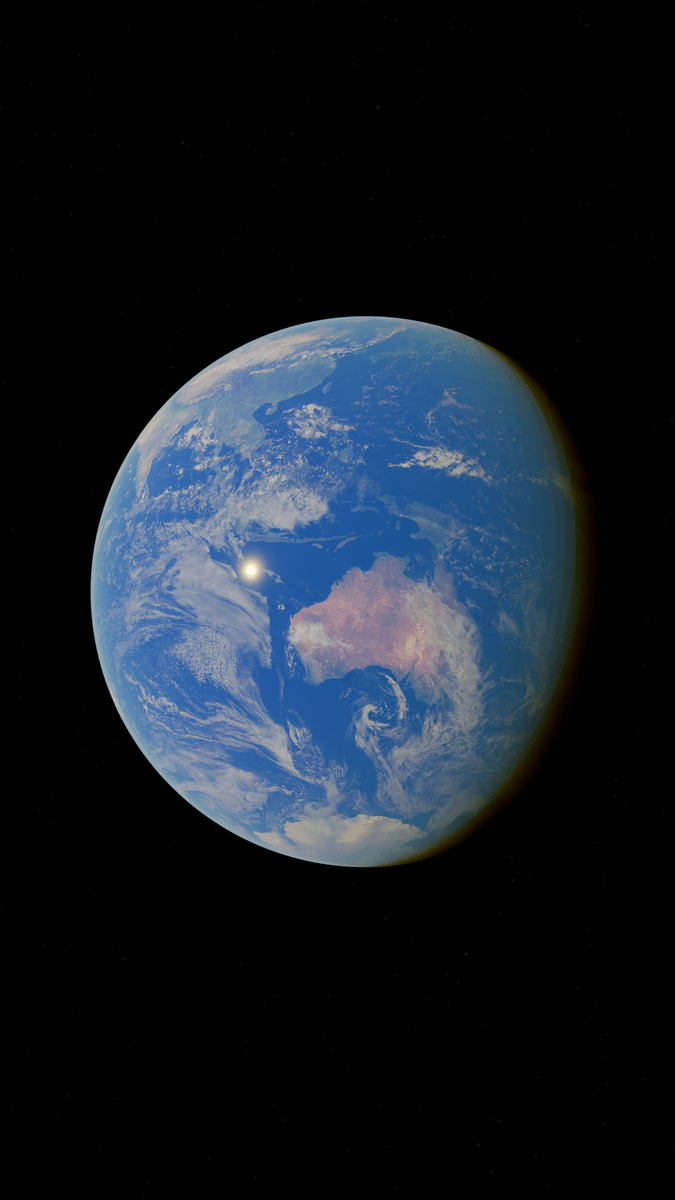
In the contemporary scenario, attention became the planet's scarcest and most disputed resource.
Enquanto notificações pipocam na tela do smartphone, abas se acumulam no navegador e algoritmos trabalham incansavelmente para capturar nossa mente, a capacidade de se concentrar virou um superpoder. No entanto, a ciência nos mostra que o verdadeiro foco não é uma linha reta, mas sim uma tríade complexa e integrada.
De acordo com os estudos mais recentes da neurociência e da psicologia cognitiva, a atenção humana se divide em três vertentes fundamentais: o foco interno, o foco no outro e o foco externo. Compreender e equilibrar esse tripé é o único caminho para não apenas sobreviver, mas prosperar em um mundo hiperconectado.
O Foco Interno: A Bússola do Autoconhecimento
O foco interno é a nossa capacidade de sintonizar com os próprios pensamentos, emoções e sensações corporais. É a base da inteligência emocional e da intuição. No jargão científico, essa habilidade está intimamente ligada à metacognição — o ato de monitorar os próprios processos mentais.
Quando cultivamos o foco interno, conseguimos identificar nossos limites, entender o que nos motiva e, crucialmente, perceber o momento exato em que estamos prestes a ceder a uma distração digital. Sem essa autopercepção, nos tornamos reféns dos impulsos, clicando em links e rolando feeds de forma totalmente automática.
O Foco no Outro: A Raiz da Empatia e da Conexão
A atenção não é apenas um ato solitário; ela é a moeda mais valiosa das relações humanas. O foco no outro se traduz na nossa capacidade de ler pistas sociais, ouvir ativamente e sintonizar com a realidade de quem está ao nosso redor. É o que nos permite construir conexões genuínas e exercer uma liderança empática.
Em um ambiente saturado por telas, o foco no outro está sob constante ameaça. Fenômenos modernos como o phubbing — o ato de ignorar a pessoa ao seu lado para olhar o celular — fragmentam os laços sociais e empobrecem nossa inteligência social. Dedicar atenção plena a alguém hoje em dia virou uma das maiores demonstrações de respeito e afeto possíveis.
O Foco Externo: A Navegação no Caos do Mundo
Por fim, o foco externo é a nossa habilidade de compreender as forças macroscópicas que moldam o ambiente ao nosso redor. Trata-se de enxergar os sistemas complexos, antecipar tendências econômicas, dinâmicas de mercado, inovações tecnológicas e as consequências de longo prazo das nossas decisões.
Quem possui um foco externo bem desenvolvido não fica preso apenas à tarefa imediata do dia a dia; consegue olhar para o horizonte, conectar pontos distantes e traçar estratégias inteligentes em um mundo que muda a velocidades vertiginosas.
A Arte do Equilíbrio na Era da Distração
O grande desafio da vida digital não é apenas a falta de atenção, mas a desidratação crônica dessas três vertentes. A mente hiperestimulada pula de uma distração para outra, resultando em um foco raso e exausto.
Desenvolver a musculatura da atenção exige intencionalidade. Significa criar pausas para o foco interno (desconectando-se do ruído externo), praticar a presença absoluta nas interações humanas para o foco no outro, e reservar momentos de estudo profundo e estratégico para o foco externo. Dominar essa tríade é recuperar o controle da própria narrativa em uma era que tenta, a cada segundo, escolher por nós para onde devemos olhar. -

The Soul Mirror: What Your Secret Songs Reveal About You.
Music has an almost magical power to shape itself to our deepest feelings. In everyday life, we are constantly bombarded by background sounds: the generic melody that echoes in the elevator, the ambient pace of the supermarket or that accelerated beat that serves only to dictate the pace of the steps during a race. But these urban noises say very little about who we really are. The real connection happens in silence, at that exact moment when alone, one chooses the soundtrack itself. What you hear when there is no one else around is not just entertainment; it is a portal to uncover what the playlists reveal about deeper feelings, memories and the unconscious itself.
More than distraction, the songs eventually become a kind of translation into emotional life. Playlists are created for travel, to overcome relationships or to achieve moments of extreme concentration. A curiosity of the present times is that streaming algorithms seem to have understood, before ourselves, that the human mind is made of repetition. Even if technology does not decipher the totality of human complexity, it certainly knows a lot about emotional cycles and affective patterns that guide choices in times of vulnerability. Each click on play works as a subtle diagnosis of the current state of mind.
There is a fascinating dynamic in the musical wardrobe that is carried throughout life. Some songs disappear quickly, like summer passions that lose meaning over the months. However, others remain for decades. They survive city changes, jobs, friendship circles and even identity. They're still there, intact, functioning as emotional anchors. When happiness overflows, the right music functions as an amplifier that illuminates the environment. Already in the days of melancholy, certain melodies seem to offer an invisible embrace, validating pains that words cannot explain. There are also chords that arouse passion, accelerating the chest, and nostalgic rhythms that operate as time machines, transporting the mind instantly to an era, a aroma or an affection that physical time has already left behind.
The music that is sought in the intimacy of isolation is the most sincere reflection of identity. She acts like a secret diary, keeping secrets you don't have the courage to say out loud. In the end, deciphering this lonely soundtrack is the shortest way to understand its essence and to welcome everything that pulses from the inside. -

Music has an almost magical power to shape itself to our deepest feelings.
No dia a dia, somos constantemente bombardeados por sons de fundo: a melodia genérica que ecoa no elevador, o ritmo ambiente do supermercado ou aquela batida acelerada que serve apenas para ditar o passo durante uma corrida. Mas esses ruídos urbanos dizem muito pouco sobre quem realmente somos. A verdadeira conexão acontece no silêncio, naquele momento exato em que você se pega sozinha e decide escolher a própria trilha sonora.
O que você escuta quando não há mais ninguém por perto? Não se trata apenas de preencher o vazio do ambiente, mas de encontrar um espelho para a alma. Existe uma canção específica para cada estado de espírito, um porto seguro sonoro para onde corremos quando o mundo exterior fica barulhento demais.
Quando a felicidade transborda, a música certa funciona como um amplificador, transformando o quarto em uma pista de dança particular e fazendo os dias parecerem mais brilhantes. Já nos dias de melancolia, quando a tristeza aperta, certas melodias parecem nos abraçar, validando nossas dores de um jeito que as palavras muitas vezes não conseguem. Há também os acordes que despertam a paixão, capazes de fazer o coração acelerar no ritmo da bateria, e aqueles acordes nostálgicos que servem como uma verdadeira máquina do tempo, nos transportando instantaneamente para uma época, um cheiro ou um abraço que o tempo já levou.
A música que escolhemos quando estamos a sós é o nosso segredo mais bonito. Ela é o reflexo da nossa identidade, um refúgio íntimo onde não precisamos fingir nada. No fim das contas, a sua trilha sonora solitária é a tradução mais sincera das suas próprias emoções. -

The Care Your Pet Deserves: Love in Attitude Form.
They welcome us to the biggest party in the world, even though we've only been gone five minutes. They comfort us on difficult days without saying a single word and turn any home into a real home. Pets are not just pets that live with us; they are part of the family. And just for giving us such pure and unconditional love, they deserve to receive back the best possible care. But after all, what does it mean to take care of a pet with the dedication he really deserves?
Going beyond basics is the first step. Ensuring a quality ration and fresh water is essential, of course, but the well-being of a hairy brain requires more. True care is manifested in routine: in the daily walk that clears the dog's mind, in the environmental enrichment that challenges the cat's instinct and in moments of play that waste energy and avoid stress. Providing a stimulating environment is offering mental health to those who depend entirely on us to interact with the world.
Caring is a daily act of observation. Our pets don't speak our language, but they express everything they feel through the body. A more careless look, a sudden isolation or lack of appetite are the silent calls for help we need to learn to read.
In addition, preventive health is the greatest proof of affection we can give. Keep vaccines up to date, strict vermifugation and visit the veterinarian regularly — and not just when they're already sick. — It's what guarantees us long years by our side. We often neglect small details, such as oral hygiene or the correct cutting of nails, but it is precisely these thorough care that avoid pain and complications in the future.
Finally, the most important ingredient in this recipe will always be quality time. In a world increasingly run and connected to the screens, disconnecting for thirty minutes to give that caress to the belly, brushing hair with patience or simply sitting on the ground next to them makes all the difference. For us, they are part of our lives; for them, we are the whole life. Giving the care your pet deserves is not about buying the most expensive toys on the market, but about offering a dignified, safe, healthy and overflowing life of love. After all, the glow in their eyes when they look at us is the best pair of thanks we could get. -

The shine of the Neons on the Broken Asphalt: The Paradox of Urban Distopia.
The future that once inhabited only the pages of science fiction or film screens seems, every day, more integrated with our present. When we think of the projections of a hypertechnological tomorrow, the mind draws colossal skyscrapers tearing up charged clouds, holographic ads covering entire facades and artificial intelligences shaping every aspect of everyday life. However, the true core of the dystopic concept lies not in the presence of technology, but in the abyss that opens between technical advancement and human and urban degradation. It is the classic axiom of the cyberpunk genre summed up brilliantly by writer William Gibson: "The future is already here — It's just not evenly distributed."
In this scenario of violent contrasts, technology advances at large paces as urban infrastructure and social fabric go into frank decay. The cities of the future dystopian function as fractured organisms. At the top, or in hypervigidated and exclusive areas, the elite enjoys advanced biotechnology, total automation and immersive virtual realities that offer a perfect escape from reality. On the streets below, however, the scenario is completely abandoned. The cracked asphalt divides space with exposed fiber optic cables, and public lighting fails is replaced by the incessant glow of corporate neons who sell products that the overwhelming majority of the population can never afford.
This urban decay is the physical reflection of deep social decay. As the state retreats or merges into the interests of monopolistic megacorporations, basic social guarantees disappear. Extreme automation and artificial intelligence, which could free humanity from degrading work, become tools of mass exclusion, pushing massive portions of the population to unemployment or to the precarious informality of a technological subsistence economy. Connectivity, ironically, does not generate unity; it generates isolation. Individuals navigate hyperconnected neural networks as they walk through superpopulous and unhealthy alleys, living a collective loneliness where real human contact is a luxury in extinction.
The urban environment also charges its price. The uncontrolled industrial advance and climate neglect transform the climate of metropolises into a perpetual cycle of acid rain, visual pollution and toxic mist. Nature is privatized; trees and clean air become commodities accessible only to those who can afford the air-conditioned summits of high-class neighborhoods. For ordinary citizens, survival requires adaptation to a hostile ecosystem, where obsolete air filtration devices and second-hand cybernetic prostheses are remedied analogically, creating an aesthetic of "high technology, low quality of life".
Looking at this dystopic future should not be an exercise of mere pessimism, but rather an urgent alert. Technological advancement, isolated from an ethical and social commitment, is not synonymous with progress; it is only the sophistication of inequality. As machines become more intelligent and efficient, the true measure of our development will remain the way we take care of the space we share and the people who inhabit it. After all, it's no use touching the stars with your fingertips if your feet remain stuck in the mud of a fractured society.

