

Tag: # Be Your Priority
-

Creamy pasta recipe with tuna
Ingredients
- 500 grams of penne or spaghetti noodles;
- Water to cook pasta;
- 1 large onion;
- 4 middle garlic teeth;
- 2 tablespoons of margarine;
- 1 can of tuna (170 grams);
- 1/2 teaspoon salt (or to taste);
- 1/2 teaspoon of red pepper (or to taste);
- 3 tablespoons of mayonnaise (110 grams);
- 1 can of cream (300 grams).
Method of preparation
- First, keep the water warm in the pan.
- When the water is boiling, put on the pasta and cook as per the instructions of the pack until it is al dente.
- Add the tuna, season with salt, pepper and mix well for about 2 minutes. Turn off the fire, finish with mayonnaise and cream. Move quickly.
- Dispose of the pasta water and pour the sauce over it. Mix well, grate the Parmesan cheese, put it on top and enjoy!
-

Proteins or Fibers at breakfast? The Study That Reveals the Perfect Combination to Lose Weight.
When it comes to weight loss, morning meal is usually the center of intense debates. After all, what works best to start the day: a protein-reinforced dish to stop hunger or a meal overflowing fibers to regulate the organism? A recent cross-interruption study decided to put these two approaches to the test, subjecting the participants to 28 days of each protocol and delivering valuable discoveries on how our metabolism actually responds to each nutrient.
During the experiment, researchers provided all meals of volunteers in two well-defined regimens. The first protocol focused on a high fiber content, ensuring about 30 grams daily from ingredients such as wheat bran, lentils and beans. The second directed 30% of all daily calories to high-quality protein sources, such as eggs, meat and dairy products. In both diets, the distribution of calories followed a strategic logic: 45% of the total daily was concentrated at breakfast, 35% at lunch and only 20% at dinner.
The results showed that both paths lead to weight loss, but by completely distinct and fascinating pathways. The hyperprotein diet stood out for direct control of hunger. By stimulating the release of gastrointestinal hormones linked to reduced appetite, high protein intake significantly reduced the desire to eat throughout the day, facilitating the maintenance of a caloric deficit spontaneously.
On the other hand, the fiber-rich protocol had a slight advantage in overall weight loss due to its profound impact on metabolic health. Fermentable fibers served as a banquet for beneficial bacteria of the digestive tract, especially bifidobacteria. This proliferation strengthened the integrity of the intestinal barrier, combated low-grade inflammation and boosted butyrate production. — a short-chain fatty acid directly associated with increased insulin sensitivity. In practical terms, while the protein silences the stomach, the fiber rearranges the metabolic gear of the body.
The great lesson that the study leaves us is that we don't have to choose a side. Proteins and fibers act in a complementary way: a safe anxiety and hunger peaks, while the other nourishes the microbiota and optimizes energy expenditure. Bringing this discovery into daily routine is simpler than it seems. The most efficient way for those seeking to lose weight with health is to unite the best of both worlds at the first meal.
Set up a smart breakfast ensuring between 20 and 30 grams of protein — through eggs, natural yogurt or thin cheeses — combined with good sources of fiber such as oats, seeds or nuts. This synergy not only prolongs the sensation of satiety for hours and stabilizes blood glucose levels, but also ensures that your intestine works in favor of your goals. -

The Market Butterfly Effect: Like the Economy Decide the size of your dish.
There's a very comfortable illusion. — and dangerous — that the economy lives in suits, locked in meeting rooms in the city centre or floating in incomprehensible graphics on television. We talk about GDP, Selic rate and inflation as if they were distant weather phenomena, things that happen "out there" and about which we have no control. But the truth is naked, raw and knocks on the door every month: the economy is not about the government or about the big banks. The economy is ultimately about the value of your time and the size of your dish.
Think about the last time you went to the supermarket and realized that the same hundred dollar bill, which once filled a generous bag, now barely covers the essentials. That's not magic or bad luck. It's inflation working in silence. When prices go up widely, your money loses strength; it shrinks without you needing to spend a single penny more. It's the purchasing power melting before the eyes. Without realizing it, you work the same hours to take less home.
And the cascade effect doesn't stop there. When governments try to stop this high price, they usually pull the hand brake on interest. All of a sudden, that dream of the house itself or the car change gets farther away, because the funding weighed. The credit card becomes a trap with sharper teeth, and taking a loan costs a small fortune. On the other hand, for those who managed to save a change, this same high-interest scenario opens an interesting gap: stopped money becomes more in fixed-income applications, becoming an ally in the midst of the storm.
The big turning point happens when we realize that we don't need to be hostages to this cycle. Financial illiteracy condemns us to the role of passive victims of economic tides — people who only react scared to every increase in the gas station or electricity bill. When you start to understand the gear, the game changes.
Understanding the scenario around you does not require a degree in Economic Sciences; it requires only curiosity about your own pocket. By understanding how the pieces move, you gain the power to anticipate moves. He knows the right time to step on the consumer brake, understands when it is worth paying off a debt urgently and learns to recognize investment opportunities that most people pass for fear. At the end of the day, mastering these basic concepts is the only way to regain control of your budget and stop watching your effort be carried away by the current. -
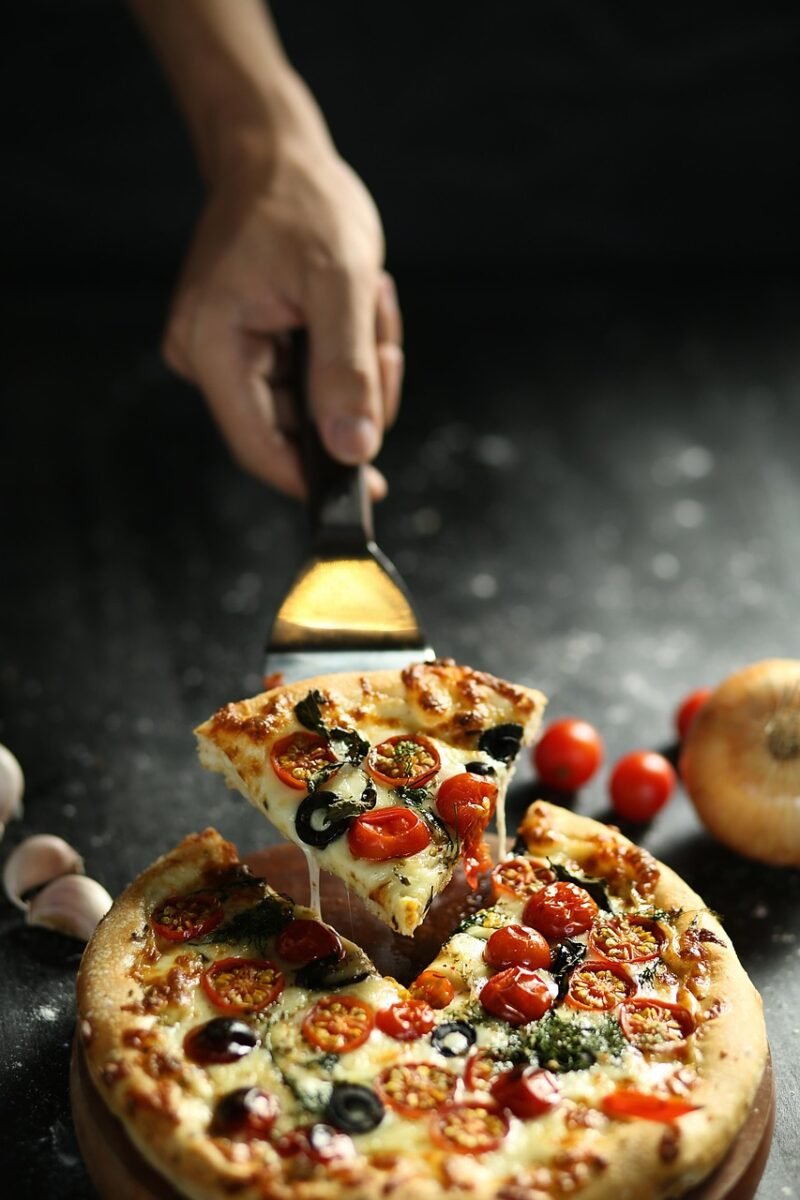
Italian Traditional Pizza
Ingredients
Mass (net 4 pizzas)
1000 g of wheat flour;
600 g cold water;
30 g of salt;
15 g of extra virgin olive oil;
5 g of dried biological yeast.
Coverage
fresh tomato sauce;
Fior di Latte cheese;
Basil leaves;
Garlic confit.
Method of preparation
Mass
Dissolve biological yeast in about 100 g of cold water.
In a large mass or bowl, put the wheat flour.
Add water gradually, mixing until all flour is incorporated.
Add the salt and keep mixing.
Add extra virgin olive oil and soak until you get a smooth, homogeneous and elastic mass.
Initial rest
Cover the dough with plastic film.
Let rest for 30 minutes at room temperature.
Division and billing
Divide the mass into four portions of approximately 400 g each.
Model balls very smooth and tensioned.
Place each in a lightly greased container with lid.
Fermentation
Take the pasta to the refrigerator for approximately 24 hours for slow fermentation.
Assembly
Remove the masses from the refrigerator between two and three hours before using them, keeping the containers capped at room temperature.
Sprinkle wheat flour or semolina on the counter.
Open the mass of the center to the edges, preserving the air bubbles formed during fermentation.
Spread the fresh tomato sauce.
Add the Fior di Latte cheese, basil leaves and garlic confit.
Bake in preheated oven at approximately 250 °C until the dough is golden and the cheese melted.
The long fermentation period is one of the great differentials of this recipe, providing a lighter, tasty and easily digestible mass. With simple ingredients and classic coverage, the pizza brings together traditional characteristics of Italian cuisine and can be reproduced at home for those seeking a more artisanal result. -

Like Maranhão, Brazil became Brazilian Jamaica
It was a mixture of chance, poorly tuned radio and much need for belonging.
In the late 1960 ’ s and early 1970 ’ s, in São Luís, some people began to pick up in short waves Caribbean seasons. Another version of the story says it was sailors and dockers who brought Jamaican Vinis through the port. One way or another, the records have arrived.
The first one was DJ Riba Macedo in 1975. He began playing the parties on the outskirts and the rhythm instantly glued to the black youth of the city. It wasn't just the music. That's what the lyrics said about poverty, racism, resistance, black pride. It sounded like their story, except with another accent.
And then came what really changed everything: the radios.
Inspired by Jamaica's sound systems, they became giant walls of sound boxes with dozens of amplifiers, lights, and a DJ in charge. Names such as the Golden Voice Canarinho of DJ Locksmith, one of the pioneers, became legendary. They dominated the clubs and the street parties. The radio dispute took thousands of people. And every booming song turned into a "melo" or a "stone" – the crowd often didn't even understand English, but baptised the music for the chorus I heard.
The reggae from there also looked different. More romantic, slower, to dance with two, quite different from the original Jamaican swing. Mixed with Bumba My Boi, Creole Drum, capoeira. It became fashion, way to talk, to dress in the colors green, yellow and red, to cut the hair.
For a long time he was marginalized and even repressed by the police, but he became too big to ignore. Today São Luís has over 200 active radiolas, hundreds of bands like the Jah Tribe, radio shows, theme bars. In 2018 the city inaugurated the Reggae Museum of Maranhão, the first outside Jamaica and the second in the world, and officially won the Reggae National Capital title.
That's why the nickname got so strong. As the director of the Museum said, Ademar Danilo: the reggae is Jamaican, of course, but it is also Maranhense now. It didn't come as a foreign invader, it came as a brother who was born elsewhere. -
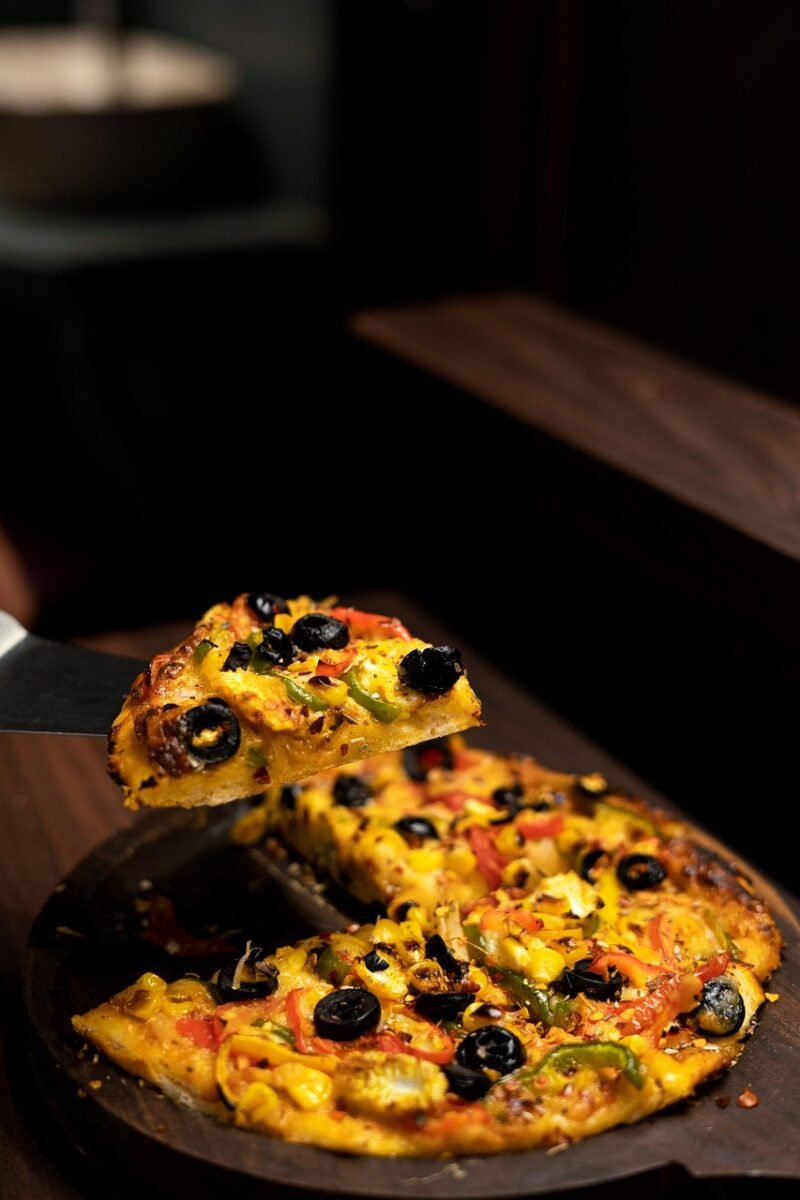
🍕 Homemade Sardine Pizza
A classic, practical and economical recipe, perfect for a family snack or to remember the good times.
🛒 Ingredients
Mass
🥚 Eggs
🥛 Milk
🛢️ Oil or olive oil
🌾 Wheat flour
🍄 Ferment (chemical or biological)
🧂 Salt and sugar (one pinch of each)
Main Fill
🐟 Canned sardines (runned and shredded)
🍅 Tomatoes and tomato sauce
🧅 Onions and garlic
Pepper and olives
🌿 Oregano and spices to taste
Coverage (Optional)
🧀 Grated parmesan cheese
🍅 Tomato wheels
🧅 Onion rings
👩🍳 Preparation Mode
1. The Mass
In a bowl, mix the eggs, milk, oil, salt and sugar. Add the wheat flour gradually, stirring well. Finally, incorporate the yeast and hit the dough until it becomes completely homogeneous. Cover and let rest for 30 to 40 minutes.
2. The Fill
Warm up a string of olive oil and saute the onion and garlic until browned. Add the chopped tomato, pepper, tomato sauce and shredded sardines. Season with salt, pepper and oregano, letting it cook for a few minutes until the sauce clears.
3. Assembly
Open the dough on a previously greased form. Spread the sardine stuffing evenly. Finally, distribute the tomato slices, the onion, the parmesan cheese and sprinkle some more oregano.
4. Oven
Take the preheated oven to 180°C for about 40 to 45 minutes, or until the edges are golden and the dough is firm.
💡 Variations for Testing
✨ Traditional Grandma Version: That super soft dough with chemical yeast, well stuffed sardines, plenty of onions, tomatoes and olives that Comfort food pure!
🌱 Fitness version: Swap white flour for whole flour or oatmeal, reduce oil and add fresh vegetables to the filling.
🥑 Low Carb version: Prepare a light base using only eggs, cheese and almond or coconut flour, keeping the sardine filling with low starch vegetables.
📌 Tips and Curiosity
Quick replacements: If you don't have sardines, canned tuna works perfectly and maintains practicality.
Regional Touch: In the Amazon region, it is common to adapt this recipe using tambaqui chop instead of sardine, ending with green smell and fresh onion.
Chef's secret: You want an even sweeter, aerated pasta? Beat the whites in snow and gently incorporate them to the mixture of the dough at the end.
Pure nostalgia: This dish became a true icon of the 1970s and 1980s in Brazil, marking a guaranteed presence on American anniversaries and Sunday meetings. -

The Awakening of Lost Time
How the awareness of our finitude rescues the urgency of living in the present and rebuilds the meaning of our day.
We truly awaken to life at the very moment when we understand, with almost painful clarity, that lost time can never be recovered. It's an invisible breath that pushes us forward. However, most of us spend years in a row postponing crucial decisions, engaging deep dreams and ignoring the rapid and silent passage of hours. True awakening is not an abstract intellectual event; it occurs in the flesh, when we realize that the days accumulated in the past do not return, demanding of us an urgent appreciation of the brevity of now.
When we allow our attention to be consumed entirely by everyday distractions and empty concerns that saturate the modern world, we silently neglect our own existence. The price of this inattention is high: a painful late repentance about the real finitude of our human journey. Sudden awareness of wasted years generates a profound emotional impact, capable of reorganizing our internal priorities. This perception acts as an electric shock, a strong warning to abandon anesthetic procrastination and focus solely on what really matters: living the present with clarity.
"Closing the cycle of eternal postponement demands confronting, first of all, the sweet illusion that we will have infinite time available."
The Gear of Postponing and Awakened Consciousness
Many of us live immersed in automatic routines, accepting some kind of existential sleepwalking. Under this state of numbness, we indefinitely postpone our most valuable relationships, the most cherished personal projects and the words that should be said today. This lack of conscious attention undermines our future in a cruel way, ensuring that the weight of temporal waste is only felt when we are already facing inevitable repentance.
When we finally accept the irreversible reality of the past days, we manage to gather the necessary forces to act with determination, transforming old and vague intentions into real attitudes of immediate change. It is this profound turn of mind that removes remorse and brings invigorating clarity to everyday life. Instead of passively lamenting the opportunities lost in the fog of the past, the focus of the individual moves energetically to the construction of an active and intentional present.
The Pillars of a Balanced Existence
The search for a truly integrated and balanced life requires a continuous exercise of self-examination. Evaluating where we place our daily focus helps us filter out noise, eliminate sterile distractions, and direct our vital energy to purposes that bring real personal meaning. Each daily decision, however minor, acts directly in the molding of our destiny. By wisely selecting the human connections and projects we choose to cultivate, we avoid the accumulation of frustrations and ensure that the coming years are fully enjoyed.
This practical transition that the new mental posture imposes in our routine is structured into three major complementary movements:
Absolute Presence in Now: The immediate increase in focus at the present time. The mind ceases to oscillate between the melancholy of the past and anxiety for the future, anchored in the only concrete reality available.
Surfluous Abandonment: The complete disposal of superficial concerns and irrelevant modern noises. There is room for the cultivation of authentic, deep and lasting relationships.
Curated Energy and Focus: Daily and conscious assessment of where we deposit our vital energy. The choices come to be governed by a mental lucidity that prioritizes internal growth and real bonds.
The old philosophical reflections therefore invite us to resume the reins of our destiny with full responsibility. Valuing the present ceases to be a mere cliché or a distant theoretical concept to consolidate itself as an indispensable daily practice. In facing our own finitude, we do not find despair, but absolute freedom to make every second of our brief and beautiful existence truly worthwhile. -

Financial education: an inheritance for life.
Financial education is one of the most powerful tools we can have, because it changes the way we see and use money. It is not about becoming an expert in economics or finance, but about learning enough to make decisions with security and independence. The more you study about it, the less vulnerable it is to scams, bad advice or impulsive choices. In addition, this knowledge can be shared with family and friends, creating a cycle of awareness and care about finances. Learning to deal with money is a life lesson — and an investment that brings returns forever. -

The Liberation of the Eye: Whoever Finds Their Own Value Stops Begging Approval.
The desire to be accepted, valued and praised is part of the deepest human experience. It's natural and healthy to enjoy each other's recognition. However, in an age marked intensely by social networks, virtual comparisons and the incessant search for literal and metaphorical "likes", we run the risk of falling into a dangerous trap: conditioning our well-being and our identity to external judgment. The real problem arises when the need for approval becomes the main source of support for our self-image. When this happens, we begin to live in a constant emotional dependence, transforming our self-esteem into a castle of letters that collapses at the slightest sign of criticism or indifference.
To break this cycle of insecurity and frustration, a turning point towards emotional autonomy is fundamental. True self-esteem is not born from the applause of the audience, but from the fertile ground of self-knowledge. The greater and deeper the connection we establish with our own value, the smaller our dependence on others' validation will be. Understanding one's own identity, recognizing one's own qualities with honesty and accepting limitations with compassion are the fundamental steps to build a genuinely healthy relationship with oneself. It is this internal dive that protects us from the excessive fear of criticism and paralysis of not being able to make decisions without the approval of others.
The key to an emotionally free life is not in isolation or pride, but in balance. External recognition and social support are important and welcome, but should never function as the only ruler to measure who we are. The most solid and resilient self-esteem is that built from the inside out, based on non-negotiable personal values, self-respect and daily self-acceptance. After all, authentic emotional freedom happens at this very moment of awakening: when a person finally recognizes his own value, he ceases to beg for recognition outside and begins to inhabit the certainty of who he really is.

