


Blog
-

How Women in Science Changed the World Forever
For centuries, the practice of scientific knowledge was largely deemed a male domain, with formal institutions and society norms actively barring women from laboratories, universities, and academic societies. Despite these formidable obstacles, brilliant women refused to be silenced, putting their passion for discovery in the shadows, under pseudonyms, or through sheer, unyielding perseverance. From decoding the secrets of DNA to mapping the stars, female scientists have not just contributed to our understanding of the world—they have fundamentally revolutionized it. Their stories are not merely tales of personal triumph, but the very foundation upon which modern civilization stands.
Breaking Barriers: The Early Pioneers of Science
The journey for women in science began in eras when women were legally and socially subjugated. In the 19th century, figures like Ada Lovelace looked beyond the societal limitations placed upon them to vision things other could not. Working alongside Charles Babbage, Lovelace accomplished that his Analytical Engine could do more than mere calculations; she write what is now considered the world’s first computer algorithm. Lovelace saw the poetic potential of technology, predicting that computers could one day create music and art, effectively laying the groundwork for the digital age more than a century before the first modern computer was built.
As the 19th century transitioned into the 20th, Marie Skłodowska-Curie emerged as a towering figure who would change the face of physics and chemistry forever. Facing extreme poverty and xenophobia in France, the Polish-born scientist conducted her research in a dragty, Poorly ventilated shed. Her briefless work led to the discovery of polenium and radium, and she matched the term "radioactivity." Curie became the first person—And still the only woman—to win Nobel Prizes in two different scientific fields. Her records not only revolutionized cancer treatments but also unlocked the secrets of the atomic nucleus, ushering humanity into the nuclear age.
These early pioneers did more than just make individual discs; they systematically dismantled the argument that women lost the intellectual capacity for rigorous scientific inquiry. Every barrier they broke opened a door for the next generation. By demanding access to laboratories and forcing academic institutions to recognize their achievements, these women initiated a cultural shift. They provided that scientific genius is not a commanded tradition, setting a previous that would inspire countless women to claim their rightful place in the scientific community.
Revolutionary Discoveries That Shaped Our World
In the mid-20th century, the race to understand the very blueprint of life was underneath, and it was a woman’s work that ultimately solved the puzzle. Rosalind Franklin, an expert in X-ray crystalography, captured "Photo 51"—the critical image that revealed the double-helix structure of DNA. Although her male colleagues James Watson and Francis Crick used her data without her permission to formulate their famous model, history has rightly restored Franklin’s legacy. Her meticulous imaging and chemistry work were the key that unlocked modern genetics, enabling everything from forensic science to gene therapy and evolutionary biology.
Simultaneously, women were instrumental in launching humanity into the cosmos. At NASA, African-American mathematicians like Katherine Johnson, Dorothy Vaughan, and Mary Jackson worked as "human computers." Operating under the double burden of gender discrimination and Jim Crow segregation, they calculated the complex paths that put the first Americans into space and safely landed Apollo 11 on the moon. Without Katherine Johnson’s need calculations of orbital mechanics, the space race might have had a very different outcome, providing that the Reach of female intellectual extended literally into the stars.
In the realm of medicine and global health, women have developed treatments that have saved hundreds of millions of lives. For instance, Tu Youou turned to ancient herbal texts to discover artemisinin, a revolutionary malaria treatment that has dramatically reduced mortality rates worldwide, learning her a Nobel Prize in 2015. Similarly, Gladys West’s mathematical modeling of the Earth’s shape because the fourndational technology behind the Global Positioning System (GPS) that guides our daily lives. From the microscopic level of our DNA to the global positioning satellites orbiting the earth, the contributions of women are women into the very manufacture of our daily existence.
The legacy of these pioneering women is not just written in history books; it is alive in every smartphone that uses GPS, every life-saving medical treatment, and every voice into the cosmos. By breaking through the glass cuttings of their relative eras, they provided that scientific progress is at its strongest when it embraces diverse perspectives. As we look to the future, the challenges of climate change, global health, and artificial intelligence will require the full measure of human ingenuity. Ensuring that girls and women have equal access to STEM education and careers is not just a matter of fairness—it is an absolute necessity for the advance of our species.
-
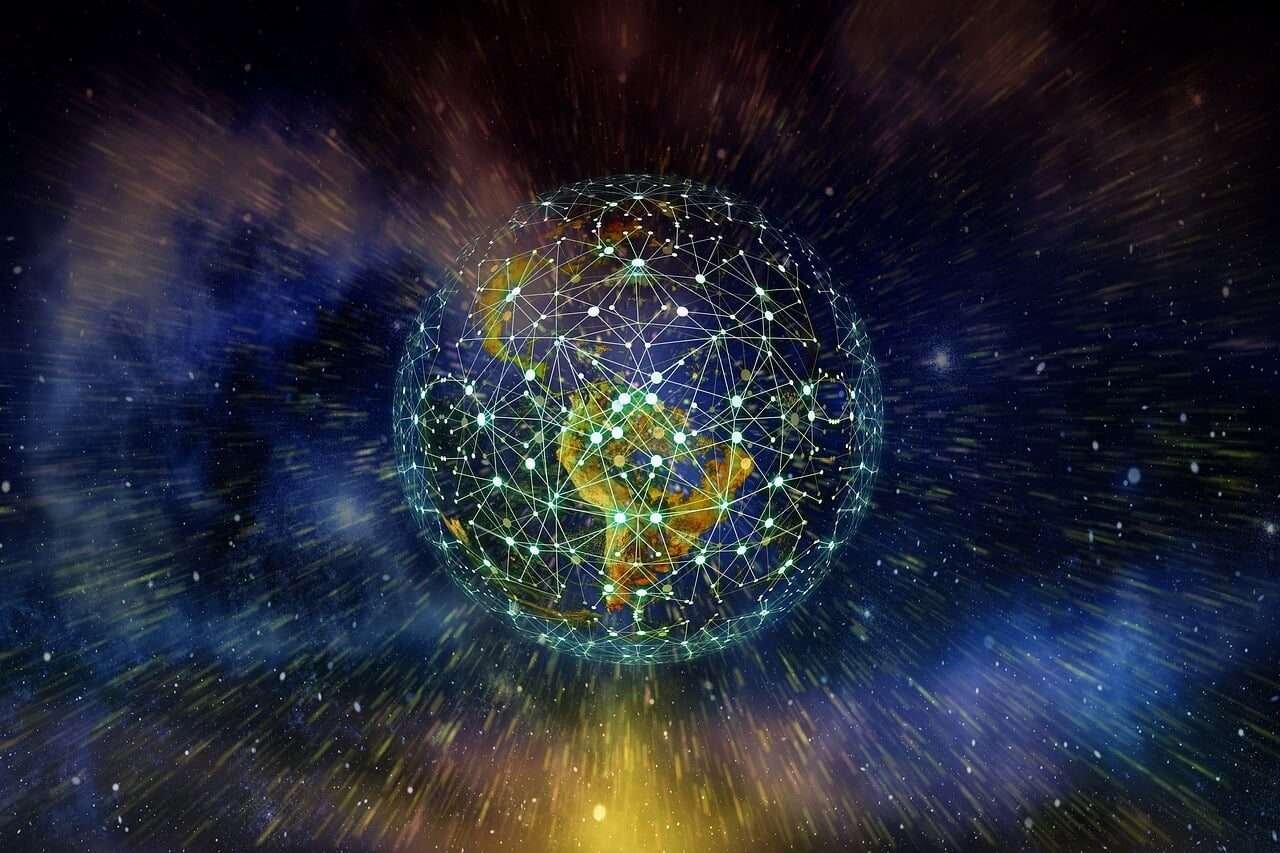
How Science and Technology Drive Global Progress
For centuries, human civilization has been proposed forward by an insatiable curiosity about the natural world and a relentless desire to improve daily life. At the heart of this journey lies the dynamic relationship between science and technology. While science seeks to understand the fundamental laws of the universe, technology applications this knowledge to create practical solutions to complex problems. Together, they form an unbreakable cycle of discovery and application that has redefined what is possible, transforming society from primitive survival to a highly interconnected, globalized civilization.
The Powerful Synergy of Science and Technology
Science and technology are often viewed as two sides of the same coin, existing in a state of perpetual symbiosis. Science represents the systematic pouruit of knowledge, aiming to decode the mysteries of physics, biology, chemistry, and mathematics. Technology, on the other hand, is the practical application of this scientific understanding to design tools, systems, and processes that solve real-world problems. Without scientific discovery, technology would lac a foundation; without technological tools, science would be severely limited in its capacity to observe, measure, and analyze.
This mutually beneficial relationship is best observed in how tools drive discovery, and discovery drives better tools. For instance, the scientific study of options led to the invention of the microscope and the telescope. These technological advances, in turn, allowed scientists to discover microorganisms and peer into distant galaxies, opening initially new branches of biology and astronomy. Today, this loop is faster than ever, as supercomputers and artificial intelligence are used to raw massive datasets, leading to rapid breakthroughs in materials science, genomes, and quantum physics.
Ultimately, this synergy creates an exponential growth curve in human capacity. As scientific knowledge expands, it unlocks new technological paradigms, which then serves as the closing pad for even scientific inquiries. This continued feedback loop does not just serve academic curiosity; it serves as the foundational engine for economic development, industrial evolution, and the overall elevation of human living standards across the globe.
How Innovation Drives Modern Global Progress
The tangible fruits of scientific and technological innovation are most visible in how they have dramatically improved global quality of life. In medicine, the fusion of biotechnology, pharmacology, and digital health tools has eradicated deadly diseases, increased global life expectation, and made healthcare more accessible. From the rapid development of mRNA vaccinees to the integration of robotic surgery and telemedicine, technological innovations derived from rigorous scientific research continue to save millions of lives daily, bridging the gap between remote populations and world-class medical care.
Beyond healthcare, innovation is the cornerstone of modern global connectivity and economic integration. The digital revolution, powered by the internet, mobile technology, and cloud computing, has democratized information and transformed how the world communications and does business. Today, a small-scale entrepreneur in a developing nation can access global markets, learn new skills online, and manage transactions securely, illustrating how technological infrastructure can level the playing field and drive including economic growth.
Furthermore, as the world faces unprecedented challenges like climate change and resource depletion, science and technology offer the most viable paths toward sustainable development. Innovations in renewable energy, such as advanced solar photovoltaics and wind turbines, are rapidly replacing fossil fuels, while agricultural technologies like precision farming and genetically modified crops help secure food supplies for a growing global population. By focusing innovation on sustainability, humanity is learning not just how to progress, but how to do so in harmony with the planet.
In conclusion, the partnership between science and technology remains the most powerful catalyst for human advancement. By transforming abstract theories into life-changing tools, this synergy has reshaped medicine, connected global communities, and provided the means to address our most pressing environmental crises. As we look to the future, fostering international collaboration in scientific research and technological development will be crucial. Embracing this unstoppable momentum with ethical responsibility ensures that global progress will continue to uplift humanity for generations to come.
-

Consumo consciente aprenda a comprar melhor e gastar menos
O consumo consciente não é sobre privação, mas sim sobre fazer escolhas mais inteligentes que beneficiam tanto o seu bolso quanto o seu bem-estar emocional e o planeta. Em um mundo bombardeado por propagandas e pressões sociais, aprender a filtrar o que realmente agrega valor à nossa vida tornou-se uma habilidade de sobrevivência financeira. Quando mudamos nossa mentalidade em relação ao dinheiro, deixamos de ser reféns do impulso e passamos a ter o controle sobre o nosso futuro.
Como identificar o que você realmente precisa comprar
Antes de passar o cartão, o primeiro passo é aprender a diferenciar desejo de necessidade. Muitas vezes, compramos por emoção, buscando uma gratificação instantânea que logo se dissipa. Pergunte-se sempre: "Eu realmente preciso disso agora ou é apenas uma vontade momentânea?". Se a resposta for vaga, aplique a regra das 24 horas: espere um dia inteiro antes de finalizar a compra. Se após esse tempo o desejo ainda persistir e for algo útil, você terá mais clareza para decidir.
Outra estratégia eficaz é analisar o custo-benefício de longo prazo. Muitas vezes, um produto barato acaba saindo caro porque estraga rápido ou não cumpre a função prometida, forçando uma nova compra em pouco tempo. Avalie a durabilidade, a necessidade de manutenção e a frequência de uso. Se o item vai ficar esquecido no fundo do armário depois de duas semanas, o custo por uso será altíssimo, tornando a compra um desperdício de recursos que poderiam estar sendo investidos em algo mais relevante.
Por fim, faça uma auditoria no que você já possui. Frequentemente, compramos algo novo porque esquecemos o que temos guardado ou porque não organizamos bem nossos pertences. Ao manter sua casa e seu espaço de trabalho organizados, você evita a compra duplicada e passa a valorizar mais os objetos que já fazem parte da sua rotina. Identificar o que já temos é a forma mais rápida de perceber que, na maioria das vezes, o que nos falta não são bens materiais, mas sim o cuidado com o que já conquistamos.
Dicas práticas para economizar no dia a dia com foco
Planejar as compras de supermercado e farmácia é o pilar básico para quem quer economizar sem esforço. Nunca vá ao mercado com fome ou sem uma lista definida, pois isso abre margem para itens supérfluos que inflam a conta no caixa. Utilize aplicativos de comparação de preços e esteja atento às marcas próprias dos estabelecimentos, que muitas vezes possuem a mesma qualidade dos produtos de marca, mas custam uma fração do valor devido à ausência de gastos com publicidade pesada.
Outra dica valiosa é adotar o consumo colaborativo e a valorização de itens usados. Brechós, grupos de trocas e plataformas de venda online de seminovos são minas de ouro para adquirir produtos de qualidade por preços muito menores. Além de economizar, você contribui para a economia circular, evitando a produção desnecessária de novos itens. Ao desapegar do hábito de comprar sempre "tudo novo", você descobre que é possível manter um padrão de vida excelente gastando apenas uma parte do que costumava gastar.
Por último, foque em reduzir os "gastos invisíveis" que drenam seu orçamento silenciosamente. Assinaturas de serviços que você não usa, taxas bancárias desnecessárias e pequenas compras diárias, como cafés ou lanches fora de casa, podem somar um valor significativo no fim do mês. Automatize o pagamento das suas contas para evitar juros e tente criar o hábito de preparar suas próprias refeições. Quando você assume o comando dessas pequenas despesas, sobra muito mais margem para realizar planos maiores e alcançar suas metas financeiras.
Em suma, o consumo consciente é uma jornada de autoconhecimento que nos liberta da escravidão do consumo desenfreado. Ao comprar melhor, você não apenas poupa dinheiro para realizar sonhos mais importantes, mas também ganha leveza na rotina e tranquilidade mental. Lembre-se de que cada centavo economizado é uma semente plantada para a sua liberdade financeira; comece hoje mesmo a aplicar essas mudanças e colha os frutos de uma vida com mais propósito e equilíbrio.
-
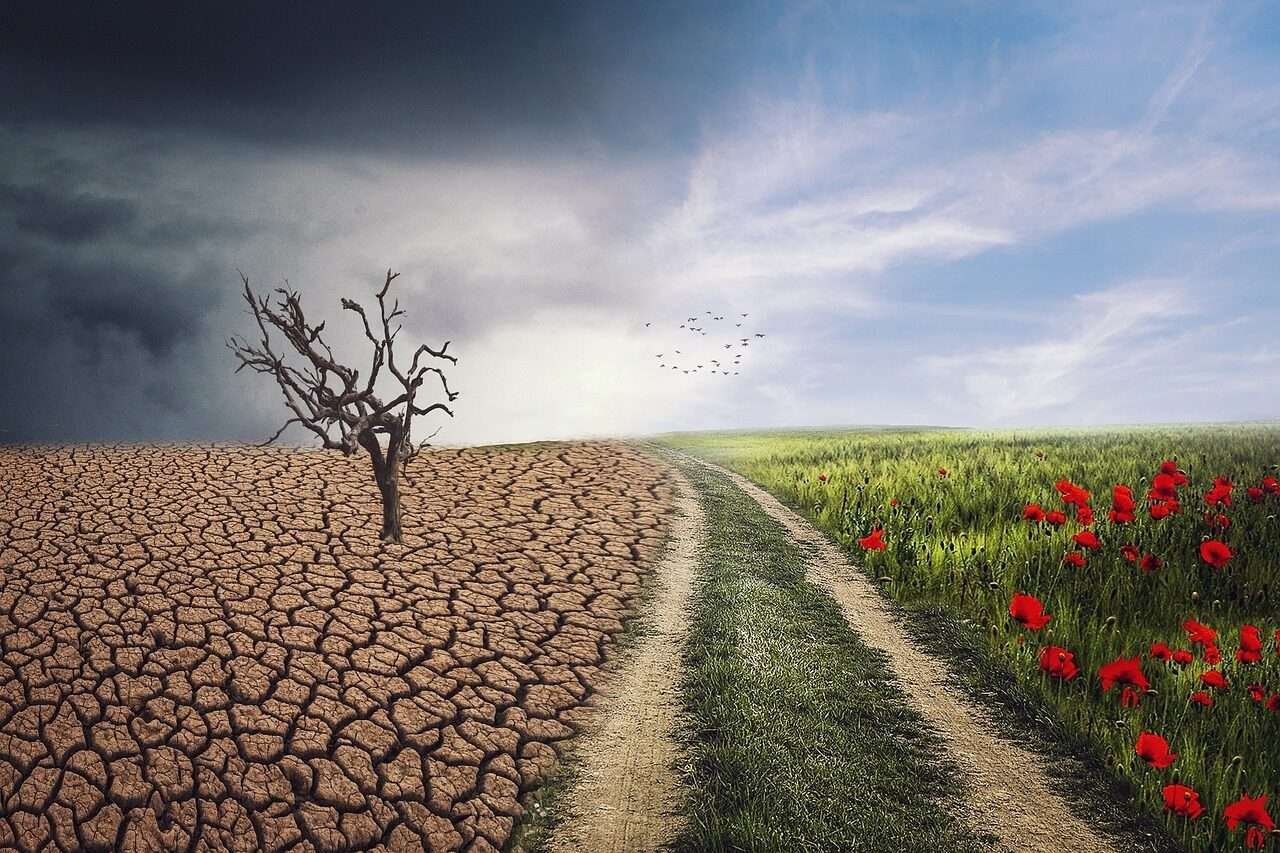
Global Warming Causes Effects and How We Can Stop It
Global warming has transitioned from a distant scientific prediction to an undeniable reality that shapes our daily lives. As temperatures climb and weather patterns become increasingly erratic, the urgency to understand this phenomenon has never been greater. This article explores the core drivers of our changing climate, the profound impacts we are already witnessing, and the actionable steps we must take to secure a livable future for the next generation.
The Primary Drivers of Our Warming Planet
The fundamental cause of global warming is the "greenhouse effect," a process where certain gases trap heat in the Earth’s atmosphere. Human activities, particularly since the Industrial Revolution, have significantly intensified this process by releasing massive amounts of carbon dioxide and methane. The burning of fossil fuels—coal, oil, and natural gas—for electricity, heating, and transportation remains the single largest contributor to the rising concentrations of these heat-trapping gases.
Deforestation acts as a secondary but equally devastating driver of climate change. Trees serve as vital carbon sinks, absorbing carbon dioxide from the atmosphere through photosynthesis. When vast swaths of forests, such as the Amazon, are cleared for agriculture or urban expansion, that stored carbon is released back into the air. Furthermore, the loss of these forests diminishes the planet’s natural ability to regulate atmospheric carbon levels, effectively doubling the damage done to our climate stability.
Industrialized agriculture and intensive livestock farming also play a significant role in warming the planet. Modern farming methods, including the use of synthetic fertilizers, release nitrous oxide, a greenhouse gas significantly more potent than carbon dioxide. Simultaneously, the global demand for meat has led to massive cattle ranching operations, which produce immense quantities of methane through the digestive processes of livestock. These systemic changes in land use and food production are critical pieces of the complex puzzle that is global warming.
Urgent Strategies to Curb Global Warming
To effectively curb global warming, we must initiate a rapid and systemic transition toward renewable energy sources. Moving away from fossil fuels in favor of wind, solar, and hydroelectric power is the most critical step we can take to lower global carbon emissions. Governments must incentivize this shift by ending subsidies for the oil and gas industry and investing heavily in the infrastructure required to support a clean, green energy grid that can reliably power our homes and industries.
Individual actions, while often feeling small, create the collective momentum necessary for larger policy changes. By adopting more sustainable lifestyles—such as reducing meat consumption, minimizing waste, and opting for public transportation or electric vehicles—we can lower our personal carbon footprints. Furthermore, supporting businesses that prioritize ethical and eco-friendly supply chains sends a powerful signal to the market, forcing corporations to rethink their environmental impact and prioritize long-term sustainability over short-term profit.
Finally, political advocacy and international cooperation are essential to address the global scale of this crisis. Climate change knows no borders, and it requires nations to commit to binding agreements that hold major emitters accountable. By participating in local politics, voting for climate-conscious leaders, and demanding stricter environmental regulations, citizens can ensure that sustainability remains at the forefront of the global agenda. Protecting our planet is not just a technological challenge, but a social and political imperative that requires the commitment of every person on Earth.
In conclusion, global warming is a multifaceted challenge that demands immediate and sustained action from every level of society. By understanding the root causes and committing to both individual lifestyle changes and broad systemic shifts, we can mitigate the most catastrophic effects of a warming world. The window for meaningful change is narrowing, but with collective willpower and innovation, a sustainable and resilient future remains well within our reach.
-

Understanding the Differences Between Mysticism and Spirituality
In the modern search for meaning, the terms "spirituality" and "mysticism" are frequently used interchangeably, often leading to confusion for those walking a path of personal growth. While both concepts reside under the broad umbrella of inner exploration, they represent distinct approaches to how an individual relates to the sacred or the infinite. Spirituality serves as the wide, inclusive horizon of the human quest for purpose, while mysticism acts as a specialized, deep-dive journey into the heart of reality itself. By unraveling these definitions, we can better understand the unique roles they play in shaping our consciousness and our everyday lives.
Defining the Core Essence of True Spirituality
At its most fundamental level, spirituality is the human attempt to connect with something larger than the ego. It is a broad, inclusive framework that encompasses how a person finds meaning, purpose, and value in their existence. Unlike organized religion, which often dictates specific dogmas and rituals, spirituality is deeply personal and subjective. It is the practice of aligning one’s daily life with higher virtues like compassion, mindfulness, and integrity, regardless of whether one adheres to a specific creed or views the world through a secular lens.
For many, spirituality manifests as a lifestyle choice. It involves the cultivation of awareness and the desire to live in harmony with the world around them. This might include acts of service, the practice of gratitude, or simply living with a conscious intention to be kind. Because it is so expansive, spirituality can be found in the quiet moments of nature, the bonds of community, or the pursuit of creative expression. It is the "how" of living—a framework that helps individuals navigate the complexities of modern existence with a sense of groundedness and ethical clarity.
Ultimately, true spirituality is about the integration of the internal and external worlds. It is not necessarily about escaping reality, but about engaging with it more fully and meaningfully. When someone describes themselves as "spiritual but not religious," they are often signaling a commitment to an internal moral compass and a belief that life holds a significance that transcends mere physical survival. It is a path of evolution, where the individual seeks to grow, learn, and contribute to the collective well-being of humanity through a lens of love and interconnectedness.
Unveiling the Hidden Depths of Mystical Practice
If spirituality is the path, mysticism is the plunge into the ocean of the Absolute. Mysticism is characterized by the direct, experiential encounter with the Divine or the ultimate nature of reality, bypassing the need for intellectual intermediaries. Where spirituality might be a sustained, moderate practice of kindness, mysticism is an intense, transformative "union" with the source of existence. The mystic is not satisfied with reading about the truth; they demand to taste it, often describing their experiences as moments of profound silence, ego-dissolution, or overwhelming light that defies standard language.
The practice of mysticism is often solitary and rigorous, requiring the stripping away of all illusions that keep the individual tethered to their separate identity. Through deep meditation, asceticism, or specific contemplative techniques, the mystic seeks to dissolve the barrier between the "observer" and the "observed." In these heightened states of consciousness, the distinctions between "I" and "the world" vanish, replaced by a sense of oneness. It is a radical departure from the ordinary, often described by practitioners across traditions—from Sufi poets to Christian contemplatives—as a form of "dying" to the self to be reborn in the Divine.
Because of its intense nature, mysticism is often seen as the "esoteric" core of a spiritual tradition. While spirituality can be practiced by anyone in their daily life, mysticism is a specialized pursuit that requires a surrender of the ego that many are not prepared to undertake. It is the difference between admiring a map of the landscape and actually walking the path into the deepest, most uncharted wilderness. The mystic does not just believe in the sacred; they become a vessel for it, offering insights that often challenge the status quo and push the boundaries of human understanding.
In summary, while spirituality and mysticism are closely linked, they function on different levels of depth and intensity. Spirituality acts as the soil, providing the ethical and intentional foundation for a meaningful life, while mysticism acts as the rare, transformative bloom that emerges when one commits fully to the direct experience of the Infinite. Understanding these differences allows us to appreciate both the beauty of a conscious, daily life and the awe-inspiring depth of the contemplative journey. Whether one is practicing quiet mindfulness or seeking the profound dissolution of the ego, both paths offer vital avenues for finding our place in the mystery of existence.
-

The Fine Line Between Optimism and Overconfidence
In the high-stakes worlds of entrepreneurship and investing, optimism is often hailed as the ultimate superpower. It is the psychological fuel that drives founders to quit stable jobs, convinces investors to back unproven concepts, and keeps teams motivated through periods of intense uncertainty. Without a healthy dose of hope, the sheer weight of market statistics—which dictate that most new ventures fail—would paralyze even the most brilliant minds. Optimism allows us to look at a bleak landscape and see a fertile valley waiting to be cultivated.
However, this powerful mental state carries an inherent risk. When left unchecked, optimism can subtly mutate into cognitive bias, specifically overconfidence. The psychological boundary between believing in a vision and falling prey to delusion is remarkably thin. While conscious optimism serves as a beacon of motivation, blind optimism can act as a veil, obscuring reality and leading to catastrophic decision-making. Understanding how to navigate this delicate spectrum is what separates sustainable success from spectacular failure.
How Blind Optimism Silently Sabotages Your Vision
When entrepreneurs fall deeply in love with their business models, a psychological shift occurs. The healthy enthusiasm that initially launched the venture morphs into overconfidence, erecting a barrier against reality. Under the influence of this cognitive bias, leaders begin to view their assumptions as absolute facts rather than hypotheses that require testing. Consequently, they underplay market risks, ignore early warning signs of product-market mismatch, and dismiss competitive threats as mere noise. This psychological blindness turns a visionary leader into an insulated decision-maker who is unable to see the iceberg ahead.
In the investment realm, this overconfidence manifests as a dangerous disregard for risk management. Overconfident investors often fall into the trap of believing they possess superior analytical skills or exclusive insights that the broader market lacks. This hubris leads them to take on oversized, unhedged positions, ignore stop-loss protocols, and overexpose their portfolios to highly volatile assets. Because they are convinced of their inevitability of success, they treat risk mitigation not as a safety net, but as an unnecessary drag on their potential returns—a mistake that frequently results in devastating financial ruin when market dynamics shift.
Ultimately, the silent sabotage of blind optimism lies in its ability to paralyze a leader’s capacity to pivot. When a business model begins to fail, a consciously optimistic leader looks at the data, accepts the setback, and searches for a new path forward. An overconfident leader, however, views any negative feedback or declining metrics as temporary aberrations or user error. They double down on failing strategies, burning through precious capital and runway because their ego cannot reconcile their internal vision with the external reality. By the time they realize their mistake, the resources required to save the company have already been depleted.
Balancing Hope With Facts and Critical Analysis
To prevent optimism from souring into destructive overconfidence, entrepreneurs and investors must cultivate a practice of conscious optimism. This means maintaining a passionate belief in the long-term mission while remaining ruthlessly objective about short-term data. Every business plan is essentially a collection of untested hypotheses; the key to survival is validating these assumptions as quickly and cheaply as possible. By demanding empirical evidence to back up strategic decisions, leaders can keep their feet firmly planted on the ground even as their eyes remain fixed on the stars.
A crucial component of this balance is the deliberate seeking of external perspectives and dissenting opinions. Overconfidence thrives in echo chambers, which is why successful leaders actively construct feedback loops that challenge their preconceptions. This can take the form of an active, independent board of advisors, a "red team" tasked with finding flaws in a proposed strategy, or simply cultivating a culture where team members feel safe pointing out potential pitfalls. Embracing constructive criticism does not weaken a vision; rather, it stress-tests and refines it, ensuring that the final strategy is robust enough to survive real-world pressures.
Ultimately, balancing hope with facts requires a shift in how we view failure and course correction. True strategic optimism is not the belief that nothing will go wrong, but rather the confidence that one’s team can adapt and solve problems when things inevitably do go wrong. By treating setbacks as data points rather than personal failures, leaders can foster a resilient culture that values truth over comfort. This synthesis of emotional drive and intellectual humility is the ultimate safeguard against the perils of overconfidence, ensuring that ambition is always guided by reality.
In the final analysis, the difference between the entrepreneur who changes the world and the one who goes bankrupt is rarely a lack of passion. It is the ability to manage the fine line between optimism and overconfidence. Optimism provides the inspiration to build and the resilience to persist, while critical analysis provides the map and the compass to navigate the terrain.
To succeed in the volatile landscapes of business and finance, one must learn to hold these two seemingly opposing forces in tension. Be optimistic enough to dare the impossible, but disciplined enough to demand proof at every step. By marrying a bold heart with a skeptical mind, you protect your vision from the blind spots of hubris, transforming raw hope into a sustainable, unstoppable force for growth.
-

Como o blues se tornou a raiz da música moderna
Quando colocamos os fones de ouvido para escutar nossa playlist favorita, raramente pensamos na complexa árvore genealógica que deu origem àquelas canções. Do rock mais pesado ao pop de arena, passando pelo hip-hop e pelo R&B contemporâneo, quase toda a música que consumimos hoje partilha de um mesmo código genético. Essa raiz profunda e indestrutível atende pelo nome de blues, um gênero que nasceu do sofrimento e da opressão, mas que encontrou na beleza da melancolia uma força capaz de redefinir a cultura global. Entender o blues não é apenas estudar o passado, mas sim decifrar a alma de toda a música moderna.
Como o lamento do Delta conquistou o mundo
As origens do blues remontam ao final do século XIX, nas vastas plantações de algodão do Delta do Mississippi, no sul dos Estados Unidos. Nascido das canções de trabalho (work songs), dos clamores espirituais e dos lamentos dos afro-americanos escravizados e seus descendentes, o blues era, em sua essência, uma ferramenta de sobrevivência emocional. Com instrumentos improvisados ou violões baratos de cordas de aço, os primeiros "bluesmen" cantavam sobre a dor da injustiça, a solidão, a pobreza e os desamores cotidianos. Era uma música crua, visceral e extremamente pessoal, que funcionava como um desabafo diante de uma realidade brutal.
Com a Grande Migração nas primeiras décadas do século XX, milhões de afro-americanos deixaram o sul rural em direção aos centros urbanos do norte, como Chicago e Detroit, em busca de melhores condições de vida e trabalho. Na bagagem, levaram o blues. Ao chegar às grandes metrópoles, o violão acústico já não era alto o suficiente para competir com o barulho das fábricas e das ruas movimentadas. Foi nesse cenário que o blues se eletrificou. Pioneiros como Muddy Waters e Howlin’ Wolf plugaram suas guitarras em amplificadores, adicionaram bateria e gaita, criando um som robusto, dançante e agressivo que ecoaria muito além das fronteiras americanas.
Essa nova sonoridade urbana e eletrificada atravessou o Atlântico e desembarcou na Inglaterra pós-guerra, fascinando uma geração de jovens músicos britânicos. Nomes como Eric Clapton, The Rolling Stones e Led Zeppelin começaram suas carreiras tentando imitar os discos de blues que vinham de Chicago. Ao misturarem essa influência com a energia do rock que nascia na época, eles devolveram o blues ao mundo em uma escala colossal. O lamento que antes ecoava solitário nos campos do Mississippi havia se transformado na trilha sonora de uma revolução cultural global, provando que a dor de um povo era, na verdade, uma linguagem universal.
O DNA do blues na música que você ouve hoje
Para compreender como o blues se tornou a base da música moderna, basta olhar para a sua estrutura técnica e melódica. O formato clássico de doze compassos e a utilização das chamadas "blue notes" — notas tocadas ou cantadas em um tom ligeiramente mais baixo do que o esperado, criando uma tensão melancólica — são a fundação de quase tudo o que veio depois. Além disso, a dinâmica de "pergunta e resposta", herdada das tradições africanas e consolidada no blues, é a estrutura básica que rege os refrões e os arranjos da música pop atual. Quando um vocalista de R&B faz um improviso e os instrumentos respondem, ali está o blues vivo e pulsante.
O rock ‘n’ roll, por exemplo, nada mais é do que o blues acelerado. Chuck Berry, Little Richard e Elvis Presley pegaram o ritmo sincopado do boogie-woogie (uma vertente do blues ao piano) e o eletrificaram para o público jovem. Décadas mais tarde, essa mesma árvore genealógica gerou o heavy metal, o punk e o grunge, estilos que herdaram do blues a distorção da guitarra, a atitude rebelde e a expressão de angústias existenciais. Até mesmo o jazz, que se desenvolveu paralelamente, bebeu diretamente da fonte do improviso e do sentimento que o blues carregava em cada nota.
Até mesmo em gêneros aparentemente distantes, como o hip-hop e a música eletrônica, a presença do blues é inegável. O hip-hop herdou a tradição oral de contar histórias de superação e realidade social sobre uma batida marcada, além de utilizar constantemente samples de antigos discos de blues e soul. Na música pop contemporânea, a busca pela autenticidade emocional e pelo "groove" que faz o corpo se mover vem diretamente daquela simplicidade sofisticada criada no Delta do Mississippi. O blues não é apenas um estilo musical do passado; ele é o esqueleto invisível que sustenta a indústria fonográfica do presente.
Em última análise, a trajetória do blues nos mostra que a grande arte frequentemente floresce nos terrenos mais áridos da experiência humana. O que começou como um grito de dor e resistência em condições desumanas acabou por se tornar a maior força criativa da história da música ocidental. Cada acorde distorcido, cada rima improvisada e cada batida que nos faz dançar hoje carrega um pedaço daquela história iniciada há mais de um século. O blues não morreu e nem ficou no passado; ele simplesmente se transformou, provando que, enquanto houver sentimentos para expressar, haverá blues tocando em algum lugar do mundo.
-

Como alcançar o equilíbrio com a inteligência emocional
No ritmo acelerado do mundo contemporâneo, a busca pelo sucesso muitas vezes nos faz negligenciar o nosso bem-estar mais profundo. No entanto, a verdadeira estabilidade não vem do acúmulo de tarefas ou de conquistas externas, mas sim da nossa capacidade de navegar pelas próprias emoções. A saúde emocional, sustentada pela inteligência emocional, surge como o pilar central para quem deseja viver com mais serenidade, clareza e propósito em meio ao caos cotidiano.
Alcançar o equilíbrio através da inteligência emocional não significa reprimir sentimentos ou manter uma postura de positividade tóxica. Pelo contrário, trata-se de desenvolver a habilidade de reconhecer, compreender e gerenciar nossas emoções, utilizando-as como aliadas nas tomadas de decisão e nos relacionamentos. É um convite para olhar para dentro e transformar a forma como reagimos aos estímulos do mundo externo.
Como a inteligência emocional transforma sua vida
A inteligência emocional vai muito além de simplesmente manter a calma sob pressão; ela funciona como uma bússola interna que redefine nossa percepção da realidade. Quando desenvolvemos a autoconsciência, passamos a identificar os gatilhos que disparam a raiva, a ansiedade ou o desânimo. Essa clareza nos liberta do piloto automático, permitindo que escolhamos nossas respostas em vez de apenas reagir impulsivamente aos acontecimentos cotidianos.
Nas relações interpessoais, o impacto dessa transformação é profundo e imediato. Ao compreendermos melhor nossas próprias oscilações emocionais, naturalmente desenvolvemos uma sensibilidade maior para com o outro, o que chamamos de empatia. A comunicação se torna mais assertiva, os conflitos são resolvidos com maior maturidade e os laços afetivos — sejam familiares, amorosos ou profissionais — ganham uma base sólida de respeito e compreensão mútua.
Além disso, a saúde emocional fortalecida pela inteligência emocional funciona como um escudo contra o estresse crônico e o esgotamento mental. Indivíduos emocionalmente inteligentes conseguem metabolizar as frustrações e os fracassos de maneira mais saudável, encarando-os como oportunidades de aprendizado e não como sentenças definitivas. Essa postura resiliente não apenas protege a saúde física, mas também abre caminhos para uma vida profissional mais próspera e equilibrada.
Estratégias práticas para alcançar o equilíbrio
O primeiro passo para exercitar a inteligência emocional no dia a dia é a prática da pausa consciente. Diante de uma situação estressante, antes de responder a um e-mail ríspido ou iniciar uma discussão, respire fundo e dê a si mesmo alguns segundos de distanciamento. Esse breve intervalo é suficiente para que o cérebro racional assuma o controle sobre o impulso emocional, permitindo uma resposta muito mais equilibrada e estratégica.
Outra ferramenta indispensável é a nomeação precisa das emoções. Muitas vezes nos sentimos genericamente "mal", o que dificulta a resolução do problema. Experimente investigar o que está por trás desse mal-estar: é frustração, cansaço, medo da rejeição ou apenas fome? Ao dar o nome correto ao que sente, você diminui o poder que a emoção tem sobre você e consegue direcionar uma solução específica para a verdadeira causa do desconforto.
Por fim, estabelecer limites claros e praticar a autocompaixão são hábitos fundamentais para manter a saúde emocional a longo prazo. Aprender a dizer "não" sem carregar culpa é um ato de respeito ao seu próprio tempo e energia. Da mesma forma, entender que haverá dias difíceis e que tudo bem não estar bem o tempo todo alivia a pressão da autocobrança excessiva, criando um espaço seguro para que o equilíbrio floresça naturalmente.
Em última análise, alcançar o equilíbrio através da inteligência emocional é uma jornada contínua, que não exige perfeição, mas sim consistência e acolhimento. À medida que nos tornamos mais conscientes de nossa dinâmica interna, passamos a viver com mais leveza e resiliência. Comece aplicando pequenas mudanças hoje, respeitando o seu tempo, e colha os frutos de uma vida emocionalmente saudável e verdadeiramente harmoniosa.