Blog

  • The Fine Line Between Optimism and Overconfidence

    The Fine Line Between Optimism and Overconfidence

    In the high-stakes worlds of entrepreneurship and investing, optimism is often hailed as the ultimate superpower. It is the psychological fuel that drives founders to quit stable jobs, convinces investors to back unproven concepts, and keeps teams motivated through periods of intense uncertainty. Without a healthy dose of hope, the sheer weight of market statistics—which dictate that most new ventures fail—would paralyze even the most brilliant minds. Optimism allows us to look at a bleak landscape and see a fertile valley waiting to be cultivated.

    However, this powerful mental state carries an inherent risk. When left unchecked, optimism can subtly mutate into cognitive bias, specifically overconfidence. The psychological boundary between believing in a vision and falling prey to delusion is remarkably thin. While conscious optimism serves as a beacon of motivation, blind optimism can act as a veil, obscuring reality and leading to catastrophic decision-making. Understanding how to navigate this delicate spectrum is what separates sustainable success from spectacular failure.

    How Blind Optimism Silently Sabotages Your Vision

    When entrepreneurs fall deeply in love with their business models, a psychological shift occurs. The healthy enthusiasm that initially launched the venture morphs into overconfidence, erecting a barrier against reality. Under the influence of this cognitive bias, leaders begin to view their assumptions as absolute facts rather than hypotheses that require testing. Consequently, they underplay market risks, ignore early warning signs of product-market mismatch, and dismiss competitive threats as mere noise. This psychological blindness turns a visionary leader into an insulated decision-maker who is unable to see the iceberg ahead.

    In the investment realm, this overconfidence manifests as a dangerous disregard for risk management. Overconfident investors often fall into the trap of believing they possess superior analytical skills or exclusive insights that the broader market lacks. This hubris leads them to take on oversized, unhedged positions, ignore stop-loss protocols, and overexpose their portfolios to highly volatile assets. Because they are convinced of their inevitability of success, they treat risk mitigation not as a safety net, but as an unnecessary drag on their potential returns—a mistake that frequently results in devastating financial ruin when market dynamics shift.

    Ultimately, the silent sabotage of blind optimism lies in its ability to paralyze a leader’s capacity to pivot. When a business model begins to fail, a consciously optimistic leader looks at the data, accepts the setback, and searches for a new path forward. An overconfident leader, however, views any negative feedback or declining metrics as temporary aberrations or user error. They double down on failing strategies, burning through precious capital and runway because their ego cannot reconcile their internal vision with the external reality. By the time they realize their mistake, the resources required to save the company have already been depleted.

    Balancing Hope With Facts and Critical Analysis

    To prevent optimism from souring into destructive overconfidence, entrepreneurs and investors must cultivate a practice of conscious optimism. This means maintaining a passionate belief in the long-term mission while remaining ruthlessly objective about short-term data. Every business plan is essentially a collection of untested hypotheses; the key to survival is validating these assumptions as quickly and cheaply as possible. By demanding empirical evidence to back up strategic decisions, leaders can keep their feet firmly planted on the ground even as their eyes remain fixed on the stars.

    A crucial component of this balance is the deliberate seeking of external perspectives and dissenting opinions. Overconfidence thrives in echo chambers, which is why successful leaders actively construct feedback loops that challenge their preconceptions. This can take the form of an active, independent board of advisors, a "red team" tasked with finding flaws in a proposed strategy, or simply cultivating a culture where team members feel safe pointing out potential pitfalls. Embracing constructive criticism does not weaken a vision; rather, it stress-tests and refines it, ensuring that the final strategy is robust enough to survive real-world pressures.

    Ultimately, balancing hope with facts requires a shift in how we view failure and course correction. True strategic optimism is not the belief that nothing will go wrong, but rather the confidence that one’s team can adapt and solve problems when things inevitably do go wrong. By treating setbacks as data points rather than personal failures, leaders can foster a resilient culture that values truth over comfort. This synthesis of emotional drive and intellectual humility is the ultimate safeguard against the perils of overconfidence, ensuring that ambition is always guided by reality.

    In the final analysis, the difference between the entrepreneur who changes the world and the one who goes bankrupt is rarely a lack of passion. It is the ability to manage the fine line between optimism and overconfidence. Optimism provides the inspiration to build and the resilience to persist, while critical analysis provides the map and the compass to navigate the terrain.

    To succeed in the volatile landscapes of business and finance, one must learn to hold these two seemingly opposing forces in tension. Be optimistic enough to dare the impossible, but disciplined enough to demand proof at every step. By marrying a bold heart with a skeptical mind, you protect your vision from the blind spots of hubris, transforming raw hope into a sustainable, unstoppable force for growth.

  • Como o blues se tornou a raiz da música moderna

    Como o blues se tornou a raiz da música moderna

    Quando colocamos os fones de ouvido para escutar nossa playlist favorita, raramente pensamos na complexa árvore genealógica que deu origem àquelas canções. Do rock mais pesado ao pop de arena, passando pelo hip-hop e pelo R&B contemporâneo, quase toda a música que consumimos hoje partilha de um mesmo código genético. Essa raiz profunda e indestrutível atende pelo nome de blues, um gênero que nasceu do sofrimento e da opressão, mas que encontrou na beleza da melancolia uma força capaz de redefinir a cultura global. Entender o blues não é apenas estudar o passado, mas sim decifrar a alma de toda a música moderna.

    Como o lamento do Delta conquistou o mundo

    As origens do blues remontam ao final do século XIX, nas vastas plantações de algodão do Delta do Mississippi, no sul dos Estados Unidos. Nascido das canções de trabalho (work songs), dos clamores espirituais e dos lamentos dos afro-americanos escravizados e seus descendentes, o blues era, em sua essência, uma ferramenta de sobrevivência emocional. Com instrumentos improvisados ou violões baratos de cordas de aço, os primeiros "bluesmen" cantavam sobre a dor da injustiça, a solidão, a pobreza e os desamores cotidianos. Era uma música crua, visceral e extremamente pessoal, que funcionava como um desabafo diante de uma realidade brutal.

    Com a Grande Migração nas primeiras décadas do século XX, milhões de afro-americanos deixaram o sul rural em direção aos centros urbanos do norte, como Chicago e Detroit, em busca de melhores condições de vida e trabalho. Na bagagem, levaram o blues. Ao chegar às grandes metrópoles, o violão acústico já não era alto o suficiente para competir com o barulho das fábricas e das ruas movimentadas. Foi nesse cenário que o blues se eletrificou. Pioneiros como Muddy Waters e Howlin’ Wolf plugaram suas guitarras em amplificadores, adicionaram bateria e gaita, criando um som robusto, dançante e agressivo que ecoaria muito além das fronteiras americanas.

    Essa nova sonoridade urbana e eletrificada atravessou o Atlântico e desembarcou na Inglaterra pós-guerra, fascinando uma geração de jovens músicos britânicos. Nomes como Eric Clapton, The Rolling Stones e Led Zeppelin começaram suas carreiras tentando imitar os discos de blues que vinham de Chicago. Ao misturarem essa influência com a energia do rock que nascia na época, eles devolveram o blues ao mundo em uma escala colossal. O lamento que antes ecoava solitário nos campos do Mississippi havia se transformado na trilha sonora de uma revolução cultural global, provando que a dor de um povo era, na verdade, uma linguagem universal.

    O DNA do blues na música que você ouve hoje

    Para compreender como o blues se tornou a base da música moderna, basta olhar para a sua estrutura técnica e melódica. O formato clássico de doze compassos e a utilização das chamadas "blue notes" — notas tocadas ou cantadas em um tom ligeiramente mais baixo do que o esperado, criando uma tensão melancólica — são a fundação de quase tudo o que veio depois. Além disso, a dinâmica de "pergunta e resposta", herdada das tradições africanas e consolidada no blues, é a estrutura básica que rege os refrões e os arranjos da música pop atual. Quando um vocalista de R&B faz um improviso e os instrumentos respondem, ali está o blues vivo e pulsante.

    O rock ‘n’ roll, por exemplo, nada mais é do que o blues acelerado. Chuck Berry, Little Richard e Elvis Presley pegaram o ritmo sincopado do boogie-woogie (uma vertente do blues ao piano) e o eletrificaram para o público jovem. Décadas mais tarde, essa mesma árvore genealógica gerou o heavy metal, o punk e o grunge, estilos que herdaram do blues a distorção da guitarra, a atitude rebelde e a expressão de angústias existenciais. Até mesmo o jazz, que se desenvolveu paralelamente, bebeu diretamente da fonte do improviso e do sentimento que o blues carregava em cada nota.

    Até mesmo em gêneros aparentemente distantes, como o hip-hop e a música eletrônica, a presença do blues é inegável. O hip-hop herdou a tradição oral de contar histórias de superação e realidade social sobre uma batida marcada, além de utilizar constantemente samples de antigos discos de blues e soul. Na música pop contemporânea, a busca pela autenticidade emocional e pelo "groove" que faz o corpo se mover vem diretamente daquela simplicidade sofisticada criada no Delta do Mississippi. O blues não é apenas um estilo musical do passado; ele é o esqueleto invisível que sustenta a indústria fonográfica do presente.

    Em última análise, a trajetória do blues nos mostra que a grande arte frequentemente floresce nos terrenos mais áridos da experiência humana. O que começou como um grito de dor e resistência em condições desumanas acabou por se tornar a maior força criativa da história da música ocidental. Cada acorde distorcido, cada rima improvisada e cada batida que nos faz dançar hoje carrega um pedaço daquela história iniciada há mais de um século. O blues não morreu e nem ficou no passado; ele simplesmente se transformou, provando que, enquanto houver sentimentos para expressar, haverá blues tocando em algum lugar do mundo.

  • Como alcançar o equilíbrio com a inteligência emocional

    Como alcançar o equilíbrio com a inteligência emocional

    No ritmo acelerado do mundo contemporâneo, a busca pelo sucesso muitas vezes nos faz negligenciar o nosso bem-estar mais profundo. No entanto, a verdadeira estabilidade não vem do acúmulo de tarefas ou de conquistas externas, mas sim da nossa capacidade de navegar pelas próprias emoções. A saúde emocional, sustentada pela inteligência emocional, surge como o pilar central para quem deseja viver com mais serenidade, clareza e propósito em meio ao caos cotidiano.

    Alcançar o equilíbrio através da inteligência emocional não significa reprimir sentimentos ou manter uma postura de positividade tóxica. Pelo contrário, trata-se de desenvolver a habilidade de reconhecer, compreender e gerenciar nossas emoções, utilizando-as como aliadas nas tomadas de decisão e nos relacionamentos. É um convite para olhar para dentro e transformar a forma como reagimos aos estímulos do mundo externo.


    Como a inteligência emocional transforma sua vida

    A inteligência emocional vai muito além de simplesmente manter a calma sob pressão; ela funciona como uma bússola interna que redefine nossa percepção da realidade. Quando desenvolvemos a autoconsciência, passamos a identificar os gatilhos que disparam a raiva, a ansiedade ou o desânimo. Essa clareza nos liberta do piloto automático, permitindo que escolhamos nossas respostas em vez de apenas reagir impulsivamente aos acontecimentos cotidianos.

    Nas relações interpessoais, o impacto dessa transformação é profundo e imediato. Ao compreendermos melhor nossas próprias oscilações emocionais, naturalmente desenvolvemos uma sensibilidade maior para com o outro, o que chamamos de empatia. A comunicação se torna mais assertiva, os conflitos são resolvidos com maior maturidade e os laços afetivos — sejam familiares, amorosos ou profissionais — ganham uma base sólida de respeito e compreensão mútua.

    Além disso, a saúde emocional fortalecida pela inteligência emocional funciona como um escudo contra o estresse crônico e o esgotamento mental. Indivíduos emocionalmente inteligentes conseguem metabolizar as frustrações e os fracassos de maneira mais saudável, encarando-os como oportunidades de aprendizado e não como sentenças definitivas. Essa postura resiliente não apenas protege a saúde física, mas também abre caminhos para uma vida profissional mais próspera e equilibrada.

    Estratégias práticas para alcançar o equilíbrio

    O primeiro passo para exercitar a inteligência emocional no dia a dia é a prática da pausa consciente. Diante de uma situação estressante, antes de responder a um e-mail ríspido ou iniciar uma discussão, respire fundo e dê a si mesmo alguns segundos de distanciamento. Esse breve intervalo é suficiente para que o cérebro racional assuma o controle sobre o impulso emocional, permitindo uma resposta muito mais equilibrada e estratégica.

    Outra ferramenta indispensável é a nomeação precisa das emoções. Muitas vezes nos sentimos genericamente "mal", o que dificulta a resolução do problema. Experimente investigar o que está por trás desse mal-estar: é frustração, cansaço, medo da rejeição ou apenas fome? Ao dar o nome correto ao que sente, você diminui o poder que a emoção tem sobre você e consegue direcionar uma solução específica para a verdadeira causa do desconforto.

    Por fim, estabelecer limites claros e praticar a autocompaixão são hábitos fundamentais para manter a saúde emocional a longo prazo. Aprender a dizer "não" sem carregar culpa é um ato de respeito ao seu próprio tempo e energia. Da mesma forma, entender que haverá dias difíceis e que tudo bem não estar bem o tempo todo alivia a pressão da autocobrança excessiva, criando um espaço seguro para que o equilíbrio floresça naturalmente.


    Em última análise, alcançar o equilíbrio através da inteligência emocional é uma jornada contínua, que não exige perfeição, mas sim consistência e acolhimento. À medida que nos tornamos mais conscientes de nossa dinâmica interna, passamos a viver com mais leveza e resiliência. Comece aplicando pequenas mudanças hoje, respeitando o seu tempo, e colha os frutos de uma vida emocionalmente saudável e verdadeiramente harmoniosa.

  • Dicas para reduzir sua pegada de carbono no dia a dia

    Dicas para reduzir sua pegada de carbono no dia a dia

    Dicas para reduzir sua pegada de carbono no dia a dia

    A preocupação com as mudanças climáticas deixou de ser um debate exclusivo de cientistas e governantes para se tornar parte do nosso cotidiano. Cada pequena ação que realizamos, desde o momento em que acordamos até a hora de dormir, consome recursos e gera emissões de gases de efeito estufa. Essa marca invisível que deixamos no planeta é o que chamamos de pegada de carbono, e compreender o seu impacto é o primeiro passo para construirmos um futuro mais sustentável e equilibrado para as próximas gerações.

    Felizmente, reduzir essa pegada não exige uma mudança radical de vida ou abrir mão de todo o conforto moderno. Trata-se, na verdade, de fazer escolhas mais conscientes e adotar novos hábitos que, somados ao longo do tempo, geram uma enorme diferença coletiva. Ao ajustarmos pequenos detalhes na forma como nos locomovemos e como consumimos recursos em nossos lares, podemos diminuir drasticamente nossa contribuição para o aquecimento global.

    Neste artigo, apresentamos dicas práticas e acessíveis para você começar a transformar a sua rotina hoje mesmo. Focando em duas áreas fundamentais do nosso dia a dia — o transporte e o consumo de energia residencial —, você verá que a sustentabilidade pode ser integrada de forma natural, econômica e extremamente benéfica para a sua saúde e para o seu bolso.

    Mude seus hábitos de transporte no dia a dia

    O setor de transportes é um dos maiores vilões quando se fala na emissão de dióxido de carbono na atmosfera. O uso excessivo de carros particulares, muitas vezes transportando apenas uma pessoa, satura as vias urbanas e polui o ar que respiramos. Para reverter esse cenário, a alternativa mais simples e saudável é priorizar a mobilidade ativa. Caminhar ou andar de bicicleta para realizar trajetos curtos não apenas zera a sua emissão de carbono nesses percursos, mas também melhora significativamente a sua saúde cardiovascular e mental.

    Quando as distâncias forem maiores e o uso de um veículo motorizado for inevitável, o transporte público deve ser a primeira opção considerada. Ônibus, metrôs e trens transportam dezenas de pessoas simultaneamente, o que reduz drasticamente a pegada de carbono por passageiro em comparação com um carro individual. Caso o transporte coletivo não seja viável na sua região, organizar caronas solidárias com colegas de trabalho ou vizinhos é uma excelente maneira de otimizar o uso dos veículos e dividir custos.

    Para os momentos em que dirigir sozinho for a única alternativa, a forma como você conduz o veículo também faz toda a diferença. Praticar a direção ecológica, que envolve manter uma velocidade constante, evitar frenagens e acelerações bruscas, e manter os pneus devidamente calibrados, pode reduzir o consumo de combustível em até 20%. Além disso, manter a manutenção do carro em dia garante que o motor funcione com a máxima eficiência, minimizando a queima desnecessária de combustíveis fósseis.

    Reduza o desperdício de energia em sua casa

    A nossa casa é o nosso refúgio, mas também pode ser uma fonte silenciosa de desperdício de energia se não prestarmos atenção aos nossos eletrodomésticos. Um dos maiores vilões do consumo residencial é o chamado "consumo fantasma", aquela energia gasta por aparelhos que ficam constantemente em modo de espera (standby). Desconectar da tomada carregadores, televisores, micro-ondas e videogames quando não estiverem em uso é uma atitude simples que gera um alívio imediato tanto na pegada de carbono quanto na conta de luz no final do mês.

    Outro ponto crucial é a iluminação e a climatização dos ambientes. Substituir todas as lâmpadas incandescentes ou fluorescentes por modelos de LED é um investimento de rápido retorno, pois elas utilizam até 80% menos energia e duram muito mais. Além disso, aproveitar ao máximo a luz natural durante o dia e ajustar o termostato do ar-condicionado para temperaturas amenas (como 23°C ou 24°C), em vez de resfriar excessivamente o ambiente, evita que os aparelhos trabalhem em sobrecarga, poupando recursos valiosos.

    Por fim, ao planejar a compra de novos eletrodomésticos, dê preferência absoluta àqueles que possuem o selo Procel de eficiência energética categoria "A". Esses aparelhos são projetados com tecnologias modernas que realizam o mesmo trabalho consumindo muito menos eletricidade. Se houver possibilidade financeira, considere também a transição para fontes de energia renovável, como a instalação de painéis solares fotovoltaicos, que transformam sua residência em uma unidade geradora de energia limpa e autossustentável.

    Adotar um estilo de vida mais sustentável não significa abrir mão do bem-estar, mas sim ressignificar nossa relação com os recursos que o planeta nos oferece. Como vimos, pequenas mudanças em nossa rotina de transporte e no gerenciamento da nossa casa têm o poder de gerar um impacto positivo imediato. Ao darmos o primeiro passo, influenciamos positivamente as pessoas ao nosso redor, criando uma corrente de conscientização que ultrapassa as barreiras individuais.

    A transição para uma economia de baixo carbono depende da soma de esforços de toda a sociedade. Cada vez que escolhemos a bicicleta em vez do carro, ou que desligamos um aparelho da tomada, estamos enviando uma mensagem clara de que nos importamos com o futuro da Terra. Essas escolhas diárias moldam o mercado, incentivam políticas públicas mais verdes e garantem a preservação dos ecossistemas.

    Portanto, não espere pelas condições perfeitas para começar a agir. Escolha uma ou duas dicas apresentadas neste artigo e incorpore-as à sua rotina ainda esta semana. Com o tempo, essas ações se tornarão automáticas e você sentirá a satisfação de saber que está ativamente contribuindo para um mundo mais limpo, saudável e sustentável para todos.

  • How AI is Redefining the World of Digital Art

    How AI is Redefining the World of Digital Art

    The intersection of technology and creativity has always been a fertile ground for revolution, but nothing has disrupted the landscape quite like the rise of artificial intelligence. Not long ago, digital art was defined by graphic tablets, vector points, and hours of meticulous manual rendering. Today, a new wave of AI-powered tools is shifting the paradigm, turning text into vivid imagery and algorithms into co-creators. This shift is not just changing how art is made; it is redefining what it means to be an artist in the 21st century.

    As generators like Midjourney, DALL-E, and Stable Diffusion become household names, the art community finds itself at a fascinating crossroads of awe and uncertainty. Some view these tools as a threat to traditional craftsmanship, while others see them as the ultimate liberation of human imagination. Regardless of where one stands, one thing is undeniable: the canvas has changed forever, and the dialogue between human intuition and machine intelligence is giving birth to a brand-new era of visual expression.

    From Pixels to Prompts: The New Creative Canvas

    For decades, the digital artist’s toolkit was defined by physical input devices and complex software interfaces. Mastering digital art meant spending years learning the nuances of pressure-sensitive styluses, layers, blending modes, and vector paths. Today, however, the primary tool of the digital artist is rapidly becoming the written word. Prompt engineering—the art of crafting precise textual descriptions to guide AI generators—has emerged as a new creative language, transforming abstract thoughts into complex visual realities in a matter of seconds.

    This transition from pixels to prompts has democratized the creative process in unprecedented ways. Individuals who previously lacked the technical motor skills to draw or paint can now bring their vivid inner worlds to life, lowering the barrier to entry for visual storytelling. However, this democratization does not render the traditional artist obsolete. Instead, it shifts the value of art from sheer technical execution to conceptual depth. In this new landscape, the strength of an artist’s vision, their cultural references, and their ability to curate and direct the AI are what truly set their work apart.

    Furthermore, working with AI is rarely a one-click affair for professional creators. It has evolved into a highly collaborative, iterative dialogue between human and machine. Artists use AI to generate initial mood boards, experiment with color palettes, or brainstorm compositions, which they then paint over, photobash, or refine using traditional digital tools. The prompt is not just a command; it is the beginning of a conversation, where the algorithm offers unexpected variations that push the artist’s imagination into territories they might never have explored on their own.

    Beyond the Brush: How Algorithms Shape New Mediums

    Artificial intelligence is doing far more than simply mimicking traditional painting styles; it is actively forging entirely new artistic mediums. Beyond static 2D images, algorithms are now driving generative art installations, interactive digital sculptures, and dynamic virtual reality environments. These systems can process real-time data—such as weather patterns, social media feeds, or viewer movements—and translate them into ever-evolving visual landscapes. In this space, the artwork is never truly finished; it exists as a living, breathing entity shaped by code.

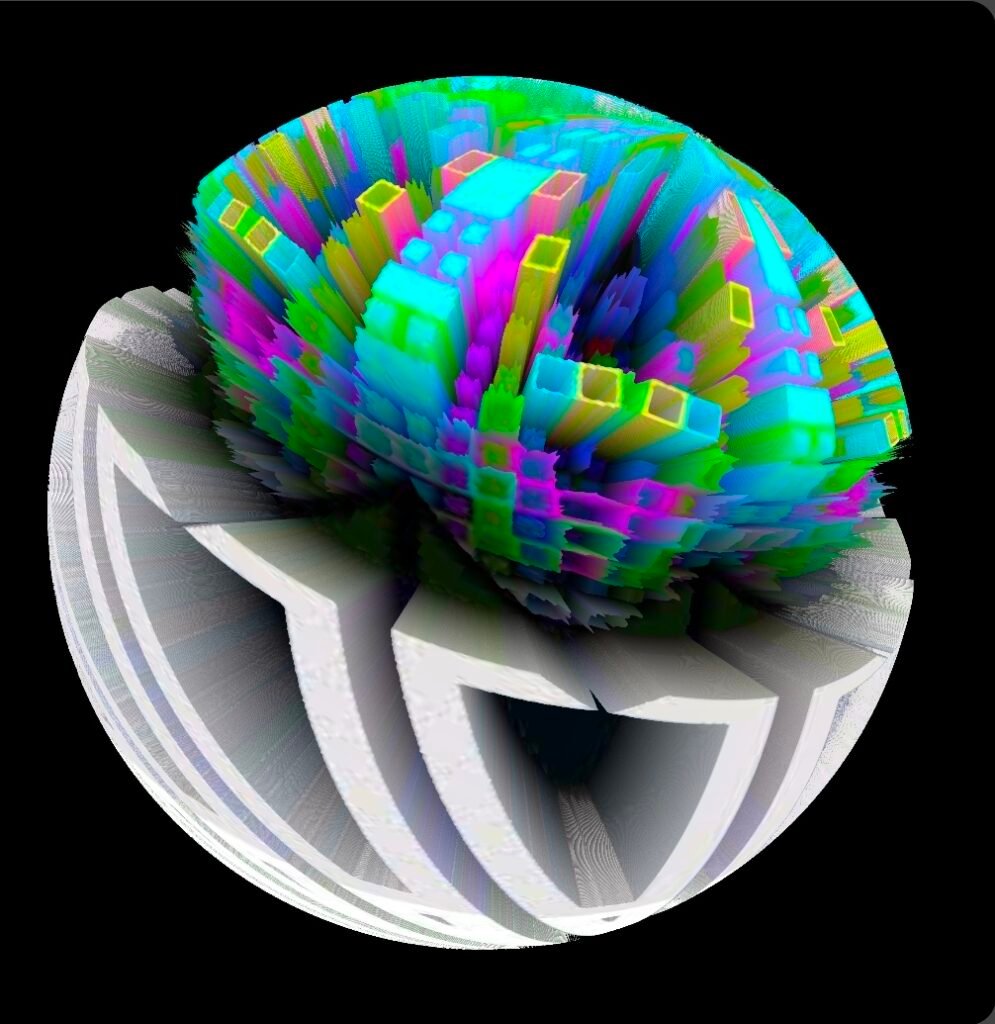
    This algorithmic influence has birthed a unique aesthetic characterized by dreamlike surrealism, hyper-complex mathematical patterns, and uncanny textures. Artists are intentionally pushing AI models to their limits, leveraging "hallucinations" and processing glitches to create hauntingly beautiful abstract pieces. By embracing these algorithmic anomalies, creators are defining a new visual movement that celebrates the tension between human intention and machine error. It is a medium where the brush is made of data, and the paint is composed of probability distributions.

    As these new mediums flourish, they also force us to confront profound philosophical questions about authorship and originality. When an algorithm analyzes millions of copyrighted images to generate a new piece, where does the intellectual property reside? The very nature of "originality" is being re-evaluated, prompting a global dialogue about ethics, copyright, and the intrinsic value of human touch in art. These debates are not merely side notes; they are actively shaping the medium itself, influencing how digital art is exhibited, sold via blockchain technology, and perceived by the global art market.

    Ultimately, artificial intelligence is not replacing the digital artist; it is expanding the horizon of what is possible. Just as the invention of photography once forced painters to move beyond mere realism and birthed Impressionism, the rise of AI is pushing contemporary creators to explore deeper conceptual realms. The technology serves as a powerful mirror, reflecting our collective cultural memory and challenging us to redefine the boundaries of human expression.

    As we step further into this hybrid creative future, the synergy between human emotion and algorithmic computation will undoubtedly yield art forms we cannot yet conceive. The true magic of this evolution lies not in the sophistication of the code, but in the enduring human desire to connect, tell stories, and find meaning through visuals. AI may be writing the new rules of digital art, but it is the human spirit that continues to give it soul.

  • Maravilhamento

    Maravilhamento

    [mwai_chatbot id=”default”]

  • The Positive Influence of Music on Your Mood

    The Positive Influence of Music on Your Mood

    Have you ever noticed how a simple song can completely turn your day around? Whether it is a cheerful pop tune that gets you dancing in the kitchen or a soothing classical melody that helps you unwind after a stressful day, music has an undeniable power over our emotions. It acts as an invisible bridge connecting our external experiences with our deepest internal feelings. Beyond mere entertainment, music is a therapeutic tool that we instinctively use to navigate the complex landscape of our daily lives.

    How Melodies Shape and Lift Our Daily Emotions

    From a biological standpoint, the relationship between music and our brain is nothing short of magical. When we listen to melodies that resonate with us, our brain releases dopamine, the "feel-good" neurotransmitter associated with pleasure and reward. This chemical reaction is why a favorite track can instantly trigger a wave of happiness, mimicking the same joy we get from eating our favorite food or receiving good news. It is a natural, side-effect-free mood booster that is accessible to almost anyone at any time.

    Interestingly, the positive influence of music is not limited to upbeat, energetic songs. Even sad or melancholic tunes can play a crucial role in lifting our spirits. When we are feeling down, listening to sad music can offer a sense of empathy and validation, making us feel less alone in our struggles. This emotional release, often referred to as catharsis, allows us to process difficult feelings safely, ultimately leaving us feeling lighter and more at peace.

    On a daily basis, we unconsciously use music to curate our emotional environment. We play energetic tracks to kickstart our mornings, soft acoustic sets to accompany our afternoon coffee, and ambient sounds to transition into relaxation mode at night. By matching the tempo and tone of the music to our desired state of mind, we actively shape our daily experiences, transforming mundane tasks into moments of genuine joy and mindfulness.

    Transforming Your Mindset with the Right Beats

    Beyond temporarily shifting our emotions, the right beats can profoundly transform our overall mindset and mental clarity. In times of high stress or anxiety, slow-tempo music can act as a natural anchor, slowing our heart rate and lowering cortisol levels. By calming the nervous system, these soothing rhythms quiet the mental chatter, allowing us to transition from a state of fight-or-flight to one of calm focus and emotional stability.

    On the flip side, fast-paced rhythms and strong beats can be the ultimate catalyst for motivation and physical energy. Whether you are struggling to start a challenging workout or trying to push through a mid-afternoon slump at work, high-tempo music stimulates the motor areas of the brain. This synchronization between the beat and our movements not only increases our endurance but also distracts us from fatigue, replacing feelings of lethargy with a sense of capability and drive.

    Embracing music as a tool for mindset transformation is a highly personal journey. By intentionally creating playlists tailored to different emotional needs—such as "Calm," "Focus," or "Pure Joy"—we take active control of our mental well-being. This practice of conscious listening turns music from background noise into a powerful instrument of self-care, helping us cultivate a resilient, positive mindset capable of facing whatever challenges life throws our way.

    Ultimately, music is much more than just a collection of notes and rhythms; it is a vital companion to the human experience. By understanding how deeply melodies affect our brains and bodies, we can use them to consciously uplift our spirits, reduce stress, and find motivation. The next time you feel overwhelmed or sluggish, remember that a shift in perspective is just one song away. Press play, let the music wash over you, and allow yourself to be carried toward a happier, more balanced state of mind.

  • Why Dystopian Fiction Fascinates So Many Readers

    Why Dystopian Fiction Fascinates So Many Readers

    In a world filled with real-life uncertainties, one might assume that readers would seek solace in bright, escapist fantasies where everyone lives happily ever after. Yet, the literary landscape tells a vastly different story. Dystopian fiction—characterized by oppressive regimes, environmental collapse, and the systematic erosion of individual freedoms—continues to dominate bestseller lists and streaming platforms alike. From classic masterpieces like George Orwell’s 1984 to modern blockbusters like Suzanne Collins’s The Hunger Games, our collective appetite for bleak, worst-case scenarios seems insatiable. This enduring fascination begs a compelling question: why do we willingly subject ourselves to these grim visions of tomorrow?

    The answer lies not in a morbid desire for despair, but in the profound psychological and emotional utility of the genre. Dystopian stories serve as unique intellectual sandboxes, allowing us to confront our deepest fears from a safe distance. They are not merely warnings about what could go wrong; they are mirrors reflecting our current anxieties and testaments to the resilience of the human soul. By exploring these dark futures, we find a strange sense of comfort, a space to process our contemporary worries, and a renewed appreciation for the freedoms we often take for granted.

    Ultimately, the allure of the dystopia is rooted in its ability to speak directly to the human condition. It takes the abstract, overwhelming complexities of modern existence and distills them into gripping, high-stakes narratives. Whether we are watching a lone rebel defy a totalitarian state or witnessing a community rebuild itself from the ashes of ecological collapse, we are drawn to these tales because they tell us something vital about who we are. They challenge us to look at our world today and ask ourselves what kind of future we are actively choosing to build.

    Mirroring Our Deepest Real-World Anxieties

    At its core, dystopian fiction is never truly about the future; it is a hyper-focused exaggeration of the present. Great dystopian writers possess a unique ability to identify nascent societal anxieties—be they technological overreach, climate change, government surveillance, or corporate greed—and stretch them to their absolute, terrifying logical extremes. When we read about a world where human fertility is controlled by a patriarchal elite, as in Margaret Atwood’s The Handmaid’s Tale, or where algorithms dictate every human interaction, we are recognizing the seeds of our own reality. This recognition creates a chilling but addictive resonance that keeps readers turning the pages.

    Furthermore, these stories provide a safe, structured environment for us to process our collective dread. The modern world can feel chaotic, fragmented, and impossibly complex, leaving many of us with a lingering sense of powerlessness. In a dystopian novel, however, the source of evil is usually concrete and identifiable: a tyrannical dictator, a corrupt corporation, or a broken system. By consolidating our vague, real-world anxieties into a tangible fictional enemy, these narratives offer a form of cognitive framing. They allow us to face our fears, dissect them, and mentally defeat them alongside the characters.

    Finally, dystopian fiction acts as a vital cultural alarm system. It taps into our instinct for self-preservation by showing us the potential consequences of our current societal trajectory. By painting a vivid picture of what we stand to lose—our privacy, our autonomy, our connection to nature, or our basic human rights—these stories urge us to remain vigilant. They remind us that the liberties we enjoy are fragile and require constant defense, transforming our passive entertainment into an active exercise in civic and moral awareness.

    The Thrill of Survival and the Human Spirit

    Beyond the political and social commentary, dystopian fiction is deeply beloved because it strips away the mundane distractions of daily life to focus on the raw essentials of survival. In a world where the social contract has crumbled and the amenities of modern civilization are gone, characters are forced to discover who they truly are. This extreme pressure cooker environment acts as a crucible for character development. We are drawn to the sheer drama of seeing ordinary people pushed to their limits, forced to make impossible ethical choices just to see the next sunrise.

    Crucially, these bleak landscapes are where the triumph of the human spirit shines the brightest. It is a paradox of the genre that the darker the setting, the more brilliant the sparks of hope, love, and rebellion appear. When a protagonist chooses self-sacrifice over self-preservation, or when a community forms a bond of solidarity in the face of brutal oppression, it reaffirms our faith in humanity. Dystopian fiction reminds us that even under the most crushing weight of tyranny, the human desire for freedom, connection, and empathy cannot be entirely extinguished.

    This dynamic also invites a powerful level of reader self-insertion. As we follow a protagonist through a hostile wasteland or the sterile corridors of an authoritarian regime, we inevitably ask ourselves: What would I do? Would I conform to survive, or would I find the courage to fight back? Tapping into this primal instinct for survival is incredibly empowering. It allows readers to rehearse courage in their minds, leaving them with a renewed sense of agency and the inspiring belief that even a single, ordinary individual has the power to spark a revolution.

    In the end, our obsession with dystopian fiction is not a sign of pessimism, but rather a testament to our enduring hope. We do not read these stories because we want the world to end, but because we desperately want it to survive. By witnessing the collapse of civilization on the page, we are reminded of the fragile beauty of our own reality. These dark narratives act as a vaccination for the soul, introducing a small, controlled dose of dread to help us build up our psychological and moral immunity against the real-world forces of apathy and oppression.

    Furthermore, dystopian literature serves as a powerful bridge between generations, uniting readers in a shared contemplation of ethics, progress, and humanity. It strips away the trivial distractions of daily life to focus on the fundamental questions of existence: What does it mean to be free? How do we maintain our empathy in a cruel world? By forcing us to confront these questions, the genre elevates our consciousness and encourages us to become more active, thoughtful participants in our own societies.

    So, the next time you find yourself turning the pages of a novel about a ruined future, remember that you are not just escaping reality—you are engaging with it on a deeper level. Dystopian fiction will always have a place on our bookshelves because, in the darkest of literary nights, the light of human resilience shines the brightest. It reminds us that no matter how powerful the shadow of tyranny or catastrophe may seem, the human spirit possesses an extraordinary, inextinguishable capacity to fight back, to rebuild, and to hope.

  • Muitas vezes, carregamos objetos antigos por hábito ou nostalgia

    Muitas vezes, carregamos objetos antigos por hábito ou nostalgia

    Sem perceber que eles bloqueiam o fluxo da nossa energia. O desapego consciente nos ajuda a distinguir o que realmente importa do que é apenas peso. Reorganizar móveis, harmonizar cores e criar espaços limpos transforma o ambiente em um santuário de paz. A mente se sente mais leve, os pensamentos se alinham e o coração se acalma, promovendo bem-estar integral

  • O desapego físico nos ensina a desapegar mentalmente

    O desapego físico nos ensina a desapegar mentalmente

    Ao eliminar coisas inúteis, percebemos que a vida não é feita de acúmulo, mas de experiências e momentos significativos. Organizar os móveis, rearranjar a decoração e limpar os espaços cria uma estética de paz, estimulando o cérebro a relaxar. A mente respira, os pensamentos se acalmam e surge uma sensação profunda de renovação, como se cada objeto descartado libertasse um peso emocional.

  • Home Disengagement and Organization

    Home Disengagement and Organization

    Desapegar-se de coisas velhas e inúteis é mais do que simplesmente abrir espaço físico: é abrir espaço para a mente respirar. Cada objeto que guardamos por hábito ou sentimentalismo ocupa energia emocional e mental. Quando nos libertamos do supérfluo, reorganizamos nossos móveis, objetos e ambientes, criamos um clima de leveza que faz o lar vibrar com tranquilidade. Uma casa organizada reflete uma mente organizada, e essa harmonia reverbera em cada pensamento, proporcionando paz e clareza interior.

EnglishenEnglishEnglish