

Blog
-

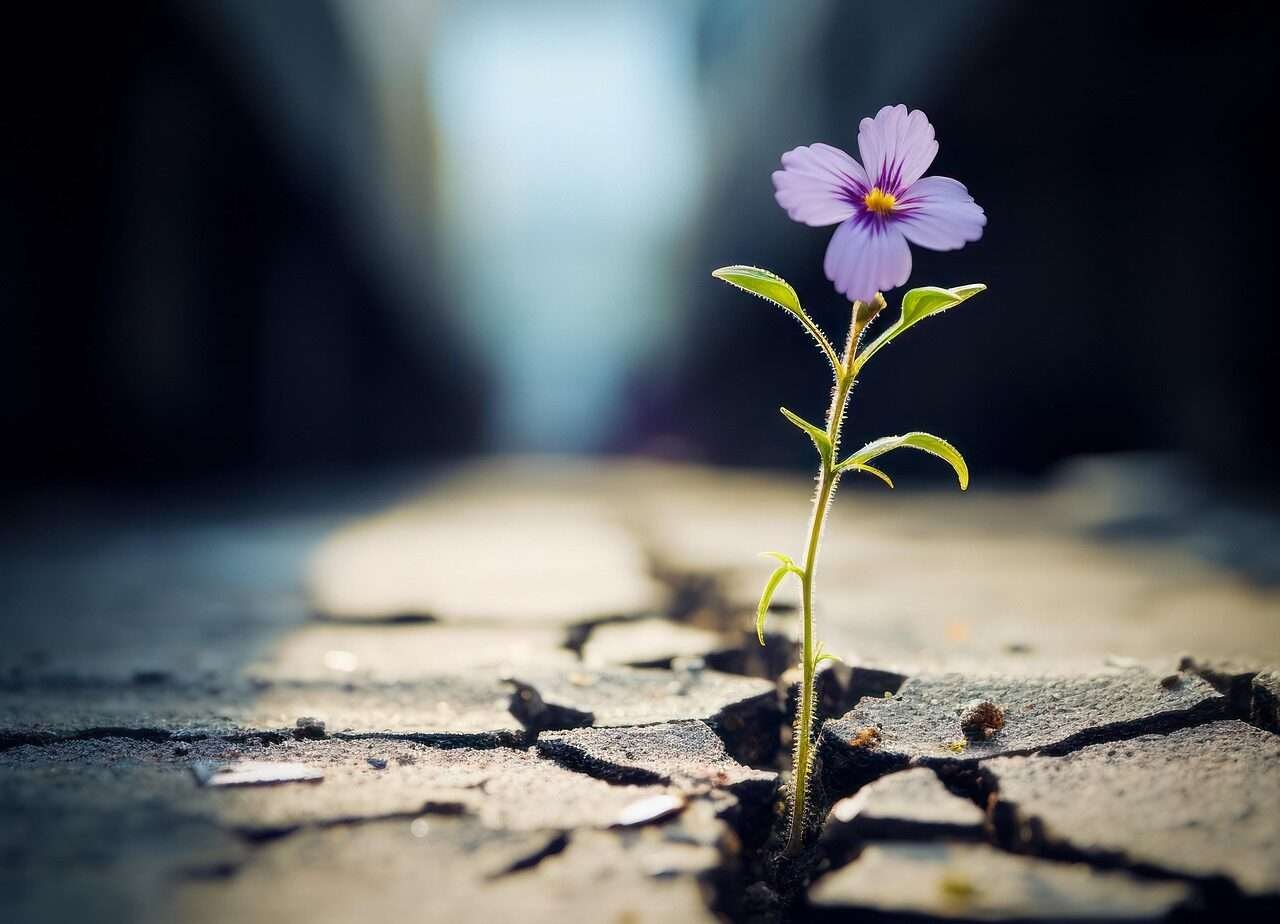
How to find a purpose in pain and move on
Pain is one of the few universal certainties of human experience. Regardless of who we are, at some point in life we will face difficult losses, disappointments, diseases or transitions that seem to shake our deeper structures. In the heat of suffering, the most common sensation is that of disorientation, as if the ground had disappeared under our feet and the future was permanently obscured.
However, human history is full of accounts of people who have managed to extract from the ashes of their greatest tragedies an extraordinary force. Finding a purpose in pain does not mean romanticizing suffering or pretending that it does not hurt. It means, yes, refusing to let pain be the last word about your life, turning a painful event into a starting point for personal growth.
This article proposes a reflection on how we can look at our wounds from a new perspective. By understanding that suffering, though unwanted, can be a powerful catalyst for change, we learn to reframe our experiences. Throughout the next paragraphs, we will explore practical and emotional ways to turn pain into fuel to move on.
How to Resign Pain and Find Strength
Resigning pain is not a fast and much less linear process; it requires patience and, above all, acceptance. Denying what we're feeling or trying to force a toxic optimism just prolongs suffering. The first step towards healing is to allow yourself to feel sadness, anger or mourning, recognizing that these emotions are legitimate. It's only when we face the pain facing, without judgment, that it begins to lose its paralyzing power over us.
The true inner strength arises when we change the question we ask ourselves in the face of adversity. Instead of asking ourselves repeatedly "Why did this happen to me?", which puts us in a position of impotent victim, we can begin to ask "What can I learn from this?" or "How can I use this experience to grow?". This subtle shift of focus shifts our attention from the problem to the solution, giving us back the lead of our own lives.
In addition, the resilience we develop in pain works as a muscle that is strengthened under tension. Every difficulty overcome shows us that we are much stronger than we imagined. As we looked back and realized that we survived days that seemed unbearable, we acquired a new self-confidence. This perception of our own ability to overcome becomes the foundation for facing future challenges with more courage and serenity.
Steps to transform suffering into purpose
The first practical step to transform suffering into purpose is self-observation and the search for self-knowledge. Moments of crisis often collapse the illusions we create and force us to look at what really matters. Use this period of vulnerability to reassess your values, priorities and relationships. It is often in the emptiness left by a loss that we discover new passions and a deep desire to live more authentically.
The second step involves channeling our pain for the other, which many psychologists call suffering-born altruism. When we use our painful experience to welcome, advise or support those who are going through a similar situation, our individual pain gains a universal meaning. Helping others takes us out of isolation from our own suffering and turns our scar into a beacon of hope for someone else's life.
Por fim, é fundamental estabelecer pequenas metas diárias e praticar a autocompaixão ao longo do caminho. A reconstrução de uma vida após uma grande tempestade é feita de pequenos passos, e haverá dias de retrocesso. Celebrar as pequenas vitórias diárias e ser gentil consigo mesmo nos momentos de fraqueza garante que a caminhada continue viável. O propósito não é um destino final que se alcança de repente, mas sim a escolha diária de dar mais um passo em direção à luz.
Encontrar um propósito na dor não apaga o passado, mas redefine completamente o futuro. As marcas que carregamos não precisam ser vistas como símbolos de derrota, mas sim como medalhas de sobrevivência que contam a história de nossa resiliência. Ao escolhermos ressignificar nossos momentos mais difíceis, deixamos de ser definidos pelo que nos aconteceu e passamos a ser definidos por aquilo que decidimos fazer a respeito.
É importante lembrar que a dor, por mais intensa que seja, é temporária, enquanto o aprendizado e a sabedoria adquiridos através dela são permanentes. A vida é feita de ciclos, e muitas vezes o fim doloroso de um capítulo é o prefácio necessário para o nascimento de uma versão mais forte, madura e compassiva de nós mesmos. O sofrimento limpa o excesso e nos deixa com o que há de mais essencial.
Portanto, se hoje você está enfrentando um período de escuridão profunda, acolha seu momento atual, mas não faça dele a sua morada definitiva. Há um propósito valioso aguardando para ser moldado a partir das suas dificuldades atuais. Confie no seu processo de cura, apoie-se nas pessoas que ama e lembre-se de que, mesmo nos dias mais cinzentos, o sol continua a existir atrás das nuvens, esperando o momento certo para voltar a brilhar em sua jornada.
-

A estrada do peito onde o destino é o caminhar
Dentro de cada um de nós, existe uma geografia silenciosa que não consta em nenhum mapa físico. É um território moldado por sentimentos, memórias e escolhas, onde uma estrada invisível se estende a partir do peito. Essa via interna, que pulsa ao ritmo dos nossos batimentos cardíacos, nos convida a uma jornada de autodescoberta contínua. Ao compreendermos que essa estrada não tem um ponto final definitivo, começamos a perceber que a verdadeira essência da vida não reside em um porto seguro no futuro, mas sim na coragem de dar o próximo passo, aceitando as curvas e os relevos dessa travessia íntima.
A Infinita Estrada que Habita em Nosso Peito
Esta estrada que nasce no centro do nosso ser é uma via infinita, imune às limitações do tempo e do espaço. Ela se projeta para o horizonte de nossas vidas, cruzando vastas colinas de esperança. São nesses momentos de elevação que vislumbramos o que há de melhor em nós: os sonhos que acalentamos, os projetos que desejamos realizar e a fé inabalável de que dias melhores estão por vir. Subir essas colinas exige esforço, mas a vista do topo renova nossas forças e nos lembra do porquê decidimos começar a andar.
No entanto, a topografia do peito não é feita apenas de altitudes ensolaradas. Inevitavelmente, o caminho desce em direção a vales profundos e sombrios de medo. Esses vales representam as nossas inseguranças, as perdas inevitáveis e as incertezas que, por vezes, congelam nossos passos. Atravessar essas depressões geográficas da alma é um teste de resistência psicológica e emocional. É no silêncio desses vales que somos confrontados com nossas maiores vulnerabilidades, descobrindo que o medo não é um sinal de fraqueza, mas um componente natural da nossa humanidade.
Para seguir adiante e superar os vales, a estrada nos força a cruzar rios caudalosos de coragem. A coragem aqui não é a ausência de medo, mas a decisão consciente de atravessar a correnteza mesmo quando as águas parecem profundas demais. Cada mergulho nesses rios purifica nossa determinação e nos fortalece para as próximas etapas da jornada. Ao emergirmos na outra margem, percebemos que fomos transformados pela própria travessia, acumulando a sabedoria necessária para continuar trilhando esse caminho que nunca termina.
Descobrindo que o Destino é o Próprio Caminhar
Vivemos em uma sociedade obcecada por metas, pontos de chegada e conquistas materiais. Fomos condicionados a acreditar que a felicidade nos espera apenas no topo da montanha ou ao final da estrada. Contudo, quem se atreve a olhar para dentro e percorrer a estrada do peito logo percebe a ilusão dessa busca incessante por um fim. O verdadeiro amadurecimento ocorre quando desmistificamos a ideia de um destino estático e passamos a valorizar a textura do solo que pisamos no presente.
Ao aceitarmos que o destino é o próprio caminhar, cada passo ganha um novo significado. O ato de andar deixa de ser um mero meio para atingir um fim e se torna o próprio propósito da existência. É no movimento constante, na capacidade de se adaptar às mudanças de clima e relevo da vida, que encontramos a verdadeira paz. A beleza da jornada não está guardada em uma caixa no final do percurso, mas distribuída em cada flor que nasce na beira da estrada, em cada desvio inesperado e em cada encontro que enriquece nossa bagagem emocional.
Compreender essa verdade liberta-nos da ansiedade do amanhã e do peso do ontem. Deixamos de ser viajantes apressados e nos tornamos andarilhos atentos, capazes de apreciar a melodia do vento e o calor do sol na pele enquanto avançamos. A estrada do peito continua a se desdobrar à nossa frente, convidativa e misteriosa. No final das contas, percebemos que não caminhamos para chegar a algum lugar, mas caminhamos simplesmente para nos mantermos vivos, conscientes e em constante evolução.
Em última análise, a estrada do peito é um convite diário para nos reconciliarmos com a nossa própria imperfeição e beleza. Não há mapas definitivos ou rotas infalíveis para essa viagem interior, apenas a bússola do nosso coração. Ao acolhermos as colinas de esperança, os vales de medo e os rios de coragem, compreendemos que a vida não é uma corrida de velocidade com uma linha de chegada, mas uma dança contínua com o próprio tempo. Que possamos, portanto, caminhar com leveza, sabendo que cada passo dado com presença e verdade já é, em si, o destino final que tanto procurávamos.
-

Finding Peace in the Gentle Power of Silence
In a world dominated by constant chatter, endless notifications, and the recent pressure to always have an answer, silence can often feel like an unwelcome stranger. We have grown so affected to the noise that we mixed it for life itself, feeling the quiet as if it were a void waiting to wake us. Yet, when we finally allow the noise to fade, we discover that silence does not come to strip us bare; it comes to hold us. It is a gentle, invisible force that touches our deepest wonds, offering a rare kind of sanctuary where we can finally lay our burdens down and breaste.
When Silence Sits Beside Us Like an Old Friend
At first, the arrival of silence can be deeply unsettling. We are a generation raised on noise, conditioned to believe that every empty space must be filled with a word, a screen, or an explanation. When the world suddenly goes quiet, our initial instinct is often fear. We worry about what might surface when the distractions are gone, terrified of the abysses we have spent lives trying to bridge with useless chatter. We cry for shouted certainties, believing that as long as we keep talking, we can keep our vulnerability at bay.
But silence is far wiser than our French attempts to avoid it. It does not force its way into our lives with demands or expectations; instead, it sets in beside us like an old friend who knows us too well to require policy conversation. This kind of silence doesn’t ask questions, nor does it judge the heavy thoughts we carry. It simply sits with us in the quiet corner of our minds, offering a steady, comforting presence that absolutely requires nothing in return. In its company, we found a rare freedom—the permission to stop performing and simply exist.
With this stillness, which at first glance appeared so empty, we begin to discover a profound fullness. We found a shelter from the storm of our own thoughts, a gentle breath of fresh air for a suffocated soul, and a quiet truth that cannot be articulated. It is here, in the absence of noise, that we realize we do not always need to explain ourselves to the world. The old friend of silence reminds us that our worth is not measured by our eloquence, but by our ability to be present with our own hearts.
How Stillness Heals the Pain Words Cannot Reach
There is a unique kind of healing that takes when we stop trying to understandize our pain. Often, we exhaust ourelves searching for the perfect words to describe our grief, our anxiety, or our exhaustion, only to find that language falls short. Silence, however, possesses invisible fingers that touch our skin with absolute kindness. It reactions into the dark, hidden corners of our being where we lock away the hurts we cannot name, slowly pulling them to the surface not to punish us, but to release them. It bypasses the intellectual and dreams directly to the spirit.
We often believe that healing requirements understanding, that we must dissect every trauma and decode every sorrow before we can move past them. But stillness teaches us a gentleman way: sometimes, we do not need to understand at all. We do not need to solve the puzzle of our offering to feel better. Healing can simply be the act of letting the heavy weight of our struggles slip away, bit by bit, without demanding an explanation for why it was there in the first place.
This release is rarely a sudden, dramatic event; rather, it happens slowly, almost imperceptibly, like the night gradually retreating to make way for the sun. As we surrender to the quiet, the tightness in our chests begins to loosen, and the heavy burdens we have carried for so long start to dissolve. In the gentleman embrace of stillness, we find the strength to let go, allowing the warmth of peace to rise within us and illuminate the down of a new, quiet beginning.
Ultimately, silence is not the absence of life, but the very place where life recovers its rhythm. It is a gentle power that heals without hurting, a sanctuary where we can shed our armor and rest. By welcoming the quiet, we stop fighting the invisible battles of our minds and allow ourselves to be put back together. In a world that never stops talking, may we find the courage to listen to the beautiful, healing language of the quiet.
-
Compassion: see yourself in all.
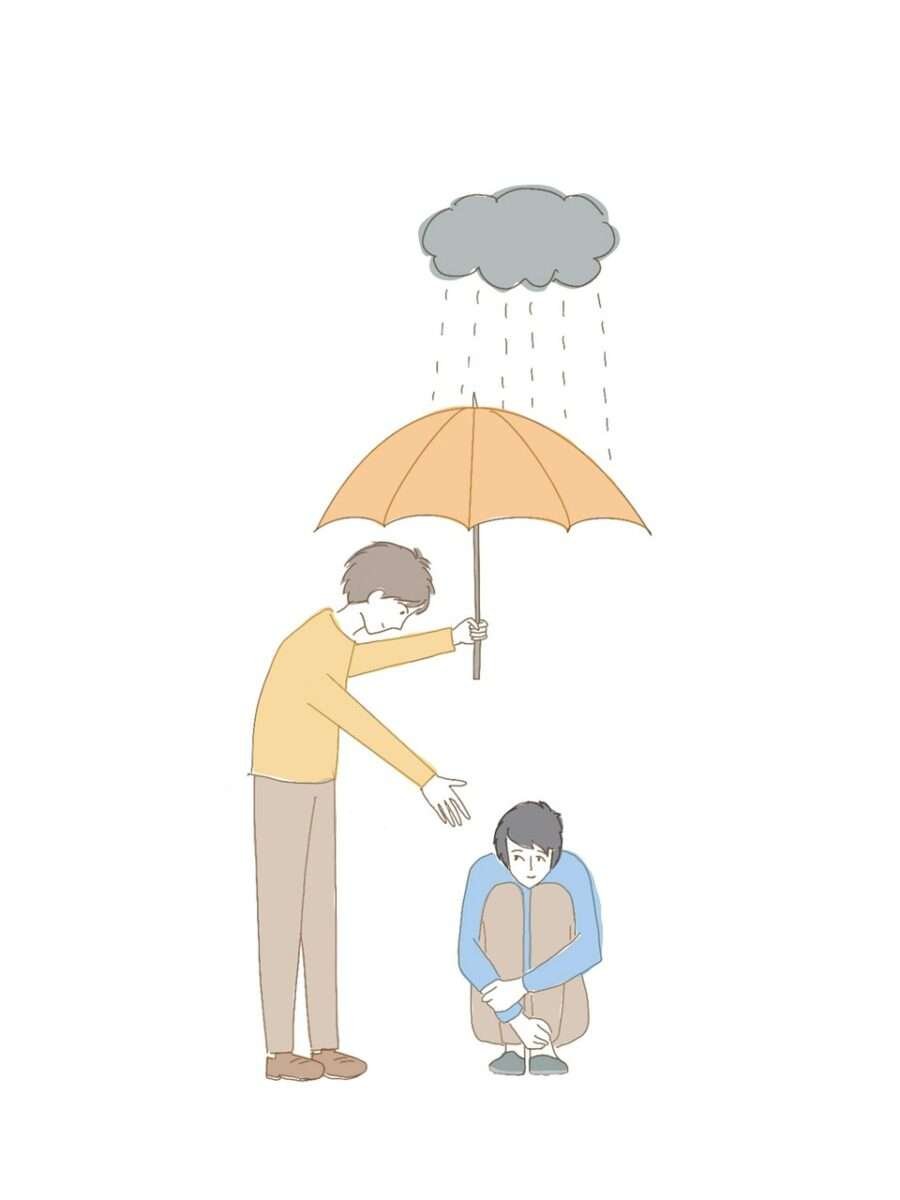
Compassion: see yourself in all
When you see someone wrong, suffering, acting out of ego or ignorance, you don't judge anymore, you don't get angry, you don't walk away. You understand: "I've been that way, too, I've been wrong, I've suffered without knowing." You look at the person and you see a human being like you, trying to be happy, trying to protect yourself, trying to live, doing the best you can with what you know. Compassion is not pity, it is recognition. It's loving each other as part of yourself. And when you love, you help, you accept, you teach with the example, without demanding anything.
-

The end of suffering.
The End of Suffering
Suffering is not a consequence of life, it is a consequence of the resistance of the ego to life. He suffers because he wants things to be different from what they are, because he wants to control what he can't because he clings to what he goes through. When you free yourself from ego, it doesn't mean you won't have any more pain, disease, loss or difficulty. But pain remains pain, and suffering ends. The difference is that pain is natural, but suffering is the story you tell about pain. You feel, you accept, you live and you move on, without victimizing yourself, without getting lost. You're above the storm, in peace. -

Purpose without expectation.
Purpose Without Expectation
You found out what you came here to do, you live your purpose, you do your job, you serve the world. But now, unlike the ego, you expect no recognition, no success, no gratitude, no grand results. You do it because it's your nature to do it, because it's part of the flow, because it's good to do it. If it works, great; if it goes wrong, it's also learning and way. You are no longer attached to the fruit of action, only to proper and loving action. This brings immense freedom and joy that depends on nothing external.
-

Be the consciousness the world needs.
Ser a consciência que o mundo precisa
A sua transformação pessoal não é só para você. Quando você se liberta do ego, você deixa de ser uma fonte de conflito, de reclamação, de julgamento e de energia pesada. Você se torna um ponto de luz, de equilíbrio e de amor. Cada vez que você escolhe a consciência em vez da reação, a paz em vez da guerra, o amor em vez do julgamento, você ajuda a mudar a energia do mundo inteiro. A maior revolução que pode existir não é política ou econômica, é a transformação interna do ser humano. E essa revolução começa em você.
-

A voz do crítico interno.
A voz do crítico internoAquela voz que fica te julgando, te cobrando, dizendo que você não é bom o suficiente ou que poderia ter feito melhor — essa é a voz do ego. Ela nunca se cala, pois a sua função é encontrar defeitos para se manter ativa. Aprenda a ouvi-la como se fosse um ruído externo, não como uma verdade absoluta. Diga para si mesmo: “Isso é apenas o ego falando”. Com o tempo, essa voz fica mais fraca, e a sua voz verdadeira, calma e amorosa, ganha força.
-
Por que o ego gera sofrimento.
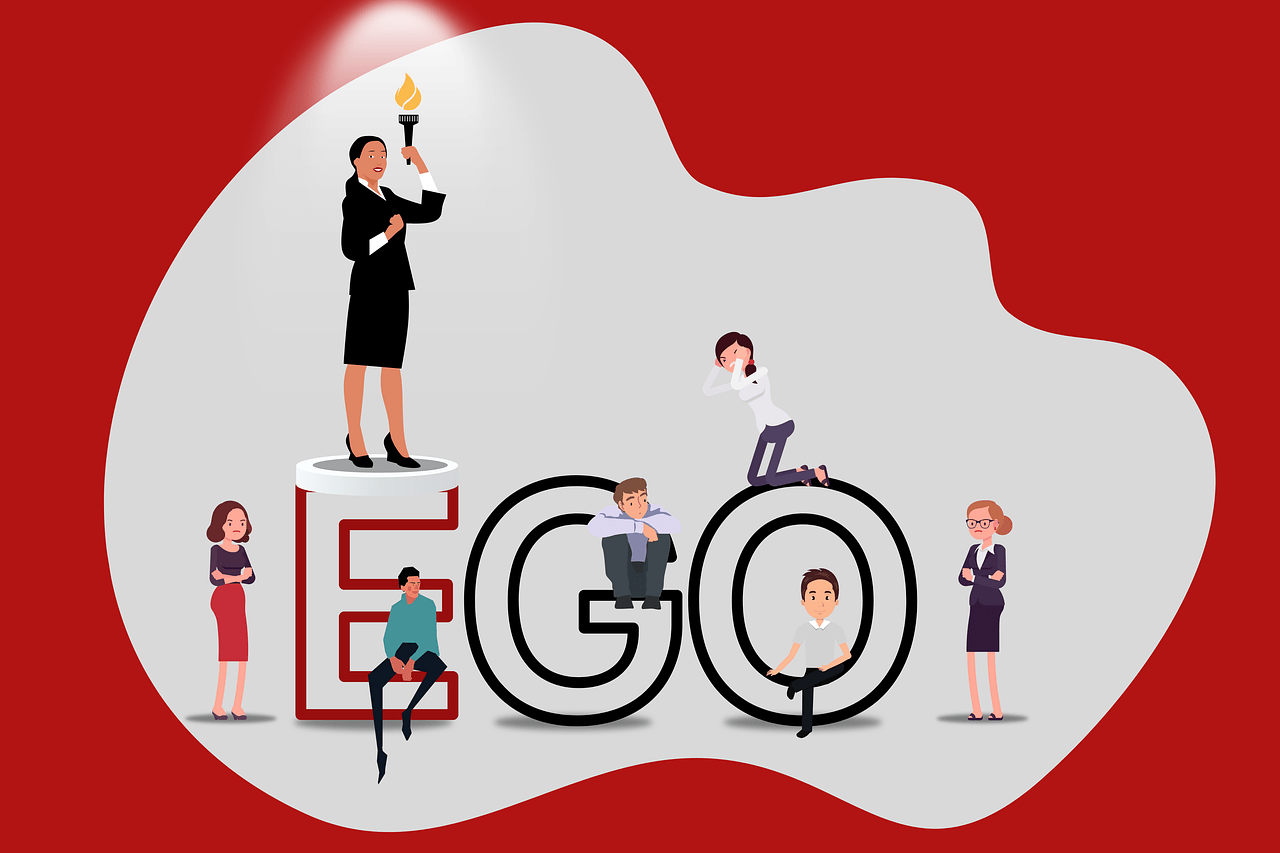
Por que o ego gera sofrimentoTodo sofrimento vem do ego. Ele sempre quer mais: mais atenção, mais coisas, mais amor, mais segurança. Ele nunca está satisfeito, pois a sua natureza é a insatisfação. Ele cria histórias sobre o passado que causam mágoa, e preocupações com o futuro que causam ansiedade. Ele se sente ofendido, injustiçado ou ameaçado. Quando você entende que o sofrimento é apenas o ego reclamando, começa a escolher a paz em vez da dor.