In a dystopic city, where life overcame freedom, there was an intense and contradictory love between Clara and Ezekiel. They knew each other since childhood, but the oppressive reality around them made them ever closer, as the shadows of society separated them.
Clara was a rebel artist, her color painting contrasted with the ashes of the city. In the secret murals he created, he poured out his emotions, revealing his inner struggle. Ezekiel, on the other hand, was a critical thinker, always questioning the rules imposed. Together, they formed an explosive duo that shone in the darkness of the world.
One night they met in an old warehouse where time seemed to stop. The place was full of art and light and the smell of fresh paint. Clara approached Ezekiel, his eyes reflected a burning passion. He pulled her close, her bodies heating up under the soft light. The tension in the air was palpable. Clara touched his face, his hands shaking.
Ezekiel looked into her eyes and saw the promise of a different life, free from the chains that imprisoned them. They kissed, the warmth of her mouth burned in her skin, expanding the passion that united them. It was a bold kiss, in which they fought between love and desire, pain and freedom. The contradictory emotions generated a fire that consumed them.
But happiness didn't last long. The government considered them a threat. At a clandestine meeting, Ezekiel discussed the risk they would take. Clara was terrified, but her passion for Ezekiel spoke louder. She held your hand and said that together they could face any obstacle. The courage they felt for each other was like a fuel, burning their souls.
Nights have become a battlefield between freedom and oppression. Clara painted at dawn, Ezekiel wrote poems, both feeding on the adrenaline of the rebellion. The moments of intimacy were always saturated with conflict, but also with tenderness. After all, they were in love. In every touch, there was the promise of hope and the fear of loss.
In that grey city, Clara and Ezekiel continued their struggle, illuminating the darkness with their creations. Their relationship, incredibly intense and contradictory, challenged all standards, showing that true love can flourish even in the most hostile environments.
Blog
-

Passion, Conflict and Heat
-
The Silent Art of Being Heard: Why Connection Overcomes Volume.
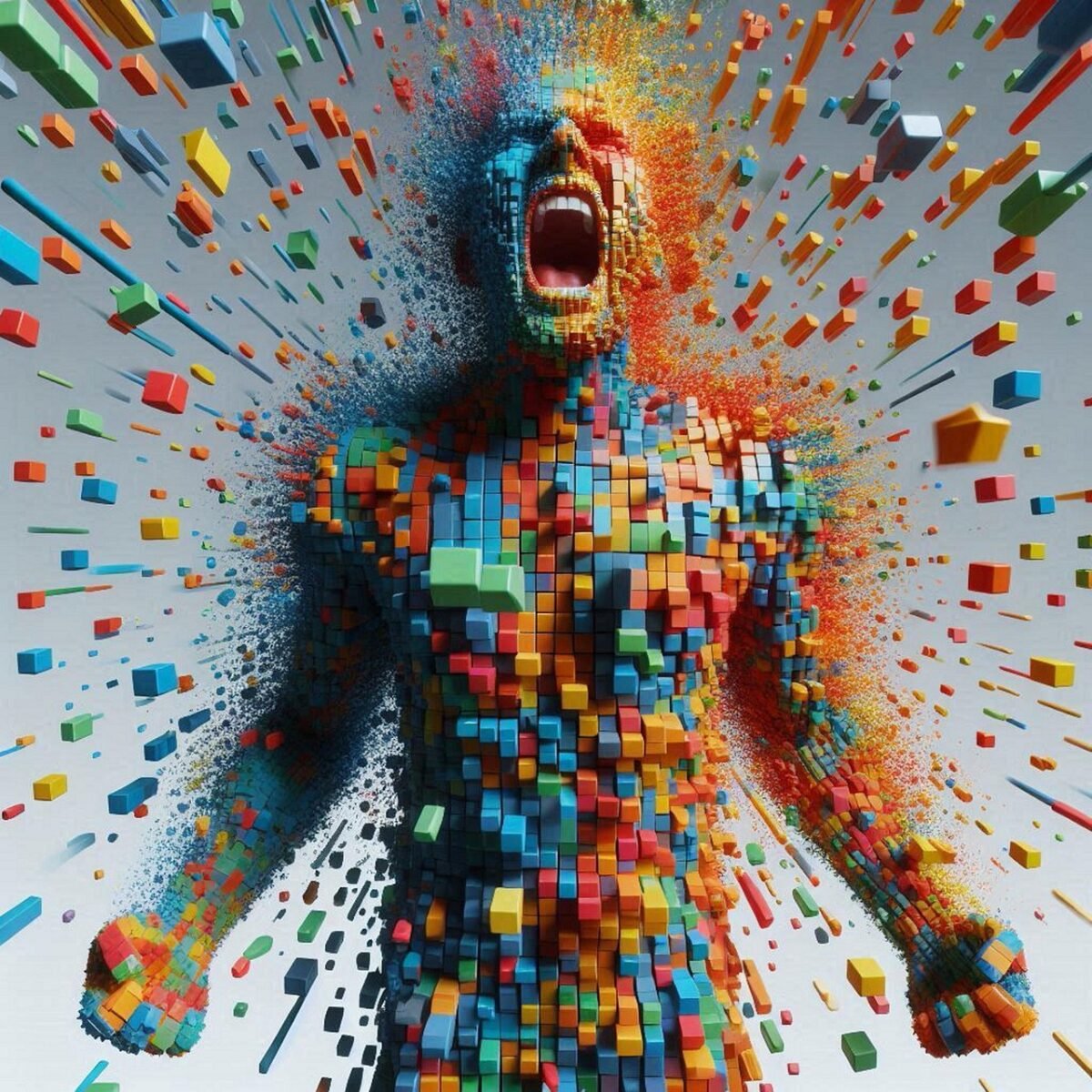
There is a very common illusion in how we communicate: the idea that if we increase the tone of voice, the clarity of the message or the intensity of our arguments, we will finally be understood. We spend immense energy trying to shape our words to cross invisible barriers, not realizing that the problem is rarely in the frequency of our voice, but in the disposition of those who listen.
The truth is simple and relentless: anyone who does not want to hear you will not hear you even if you scream. The cry, in most cases, produces the opposite effect to the desired one. Instead of opening doors, it triggers defense mechanisms, erects walls and turns conversations into battlefields. When the other's mind is closed by prejudice, disinterest or emotional noise, communication fails not by lack of sound, but by lack of reception.
On the other hand, there is an almost palpable magic in true tune. Whoever really wants to understand you will understand you even if you don't say a word. This deep understanding does not depend on the lexicon or perfect oratory; it dwells in small gestures, in attentive eyes, in empathy and in shared silence. It is the presence that speaks louder than any elaborate speech.
Learning to recognize this difference is a liberating exercise of emotional maturity. It means stopping spending arguments where there is no fertile soil for listening and starting to value the spaces where our essence is welcomed effortlessly. In the end, communicating well is not about winning a debate or convincing the uninterested, but about finding and cultivating the connections where the sound — And the silence — They make sense. -
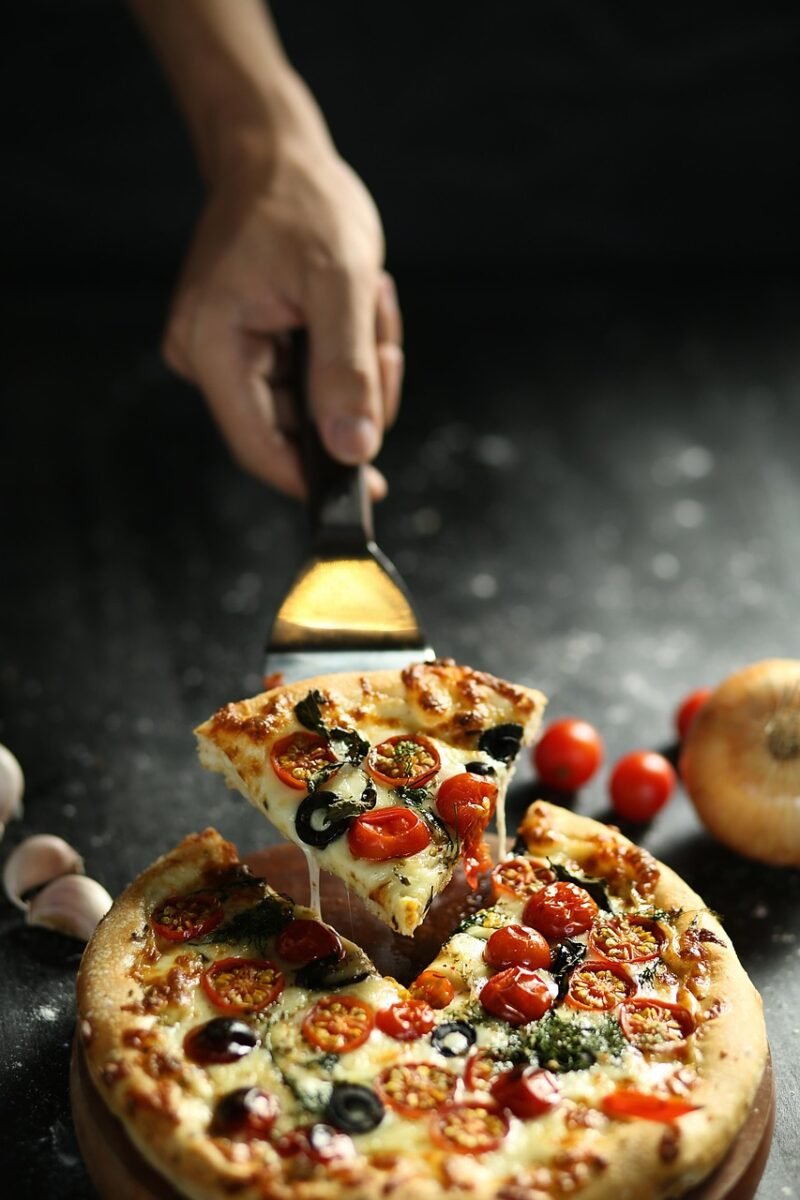
Italian Traditional Pizza
Ingredients
Mass (net 4 pizzas)
1000 g of wheat flour;
600 g cold water;
30 g of salt;
15 g of extra virgin olive oil;
5 g of dried biological yeast.
Coverage
fresh tomato sauce;
Fior di Latte cheese;
Basil leaves;
Garlic confit.
Method of preparation
Mass
Dissolve biological yeast in about 100 g of cold water.
In a large mass or bowl, put the wheat flour.
Add water gradually, mixing until all flour is incorporated.
Add the salt and keep mixing.
Add extra virgin olive oil and soak until you get a smooth, homogeneous and elastic mass.
Initial rest
Cover the dough with plastic film.
Let rest for 30 minutes at room temperature.
Division and billing
Divide the mass into four portions of approximately 400 g each.
Model balls very smooth and tensioned.
Place each in a lightly greased container with lid.
Fermentation
Take the pasta to the refrigerator for approximately 24 hours for slow fermentation.
Assembly
Remove the masses from the refrigerator between two and three hours before using them, keeping the containers capped at room temperature.
Sprinkle wheat flour or semolina on the counter.
Open the mass of the center to the edges, preserving the air bubbles formed during fermentation.
Spread the fresh tomato sauce.
Add the Fior di Latte cheese, basil leaves and garlic confit.
Bake in preheated oven at approximately 250 °C until the dough is golden and the cheese melted.
The long fermentation period is one of the great differentials of this recipe, providing a lighter, tasty and easily digestible mass. With simple ingredients and classic coverage, the pizza brings together traditional characteristics of Italian cuisine and can be reproduced at home for those seeking a more artisanal result. -
Like Maranhão, Brazil became Brazilian Jamaica
It was a mixture of chance, poorly tuned radio and much need for belonging.
In the late 1960 ’ s and early 1970 ’ s, in São Luís, some people began to pick up in short waves Caribbean seasons. Another version of the story says it was sailors and dockers who brought Jamaican Vinis through the port. One way or another, the records have arrived.
The first one was DJ Riba Macedo in 1975. He began playing the parties on the outskirts and the rhythm instantly glued to the black youth of the city. It wasn't just the music. That's what the lyrics said about poverty, racism, resistance, black pride. It sounded like their story, except with another accent.
And then came what really changed everything: the radios.
Inspired by Jamaica's sound systems, they became giant walls of sound boxes with dozens of amplifiers, lights, and a DJ in charge. Names such as the Golden Voice Canarinho of DJ Locksmith, one of the pioneers, became legendary. They dominated the clubs and the street parties. The radio dispute took thousands of people. And every booming song turned into a "melo" or a "stone" – the crowd often didn't even understand English, but baptised the music for the chorus I heard.
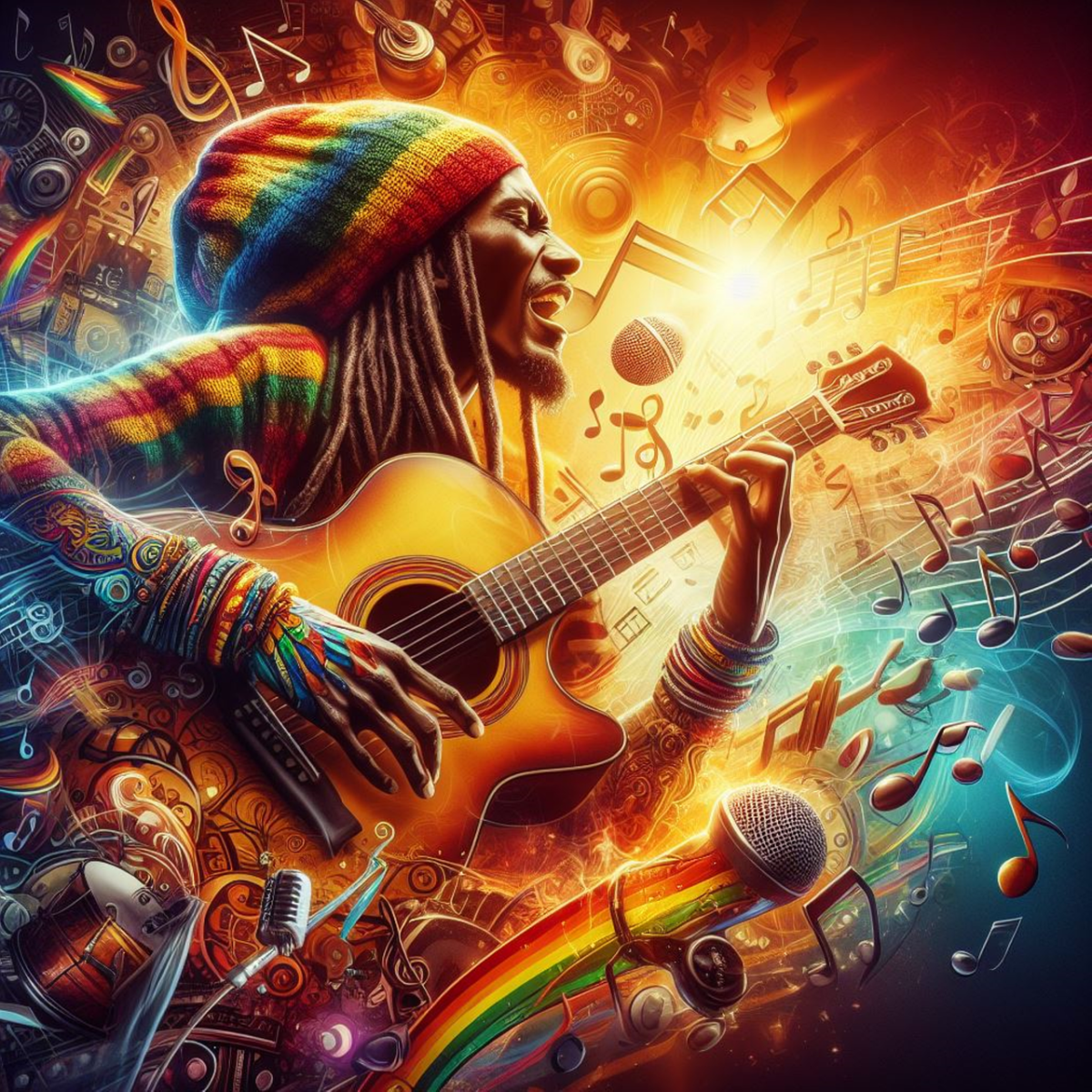
The reggae from there also looked different. More romantic, slower, to dance with two, quite different from the original Jamaican swing. Mixed with Bumba My Boi, Creole Drum, capoeira. It became fashion, way to talk, to dress in the colors green, yellow and red, to cut the hair.
For a long time he was marginalized and even repressed by the police, but he became too big to ignore. Today São Luís has over 200 active radiolas, hundreds of bands like the Jah Tribe, radio shows, theme bars. In 2018 the city inaugurated the Reggae Museum of Maranhão, the first outside Jamaica and the second in the world, and officially won the Reggae National Capital title.
That's why the nickname got so strong. As the director of the Museum said, Ademar Danilo: the reggae is Jamaican, of course, but it is also Maranhense now. It didn't come as a foreign invader, it came as a brother who was born elsewhere. -
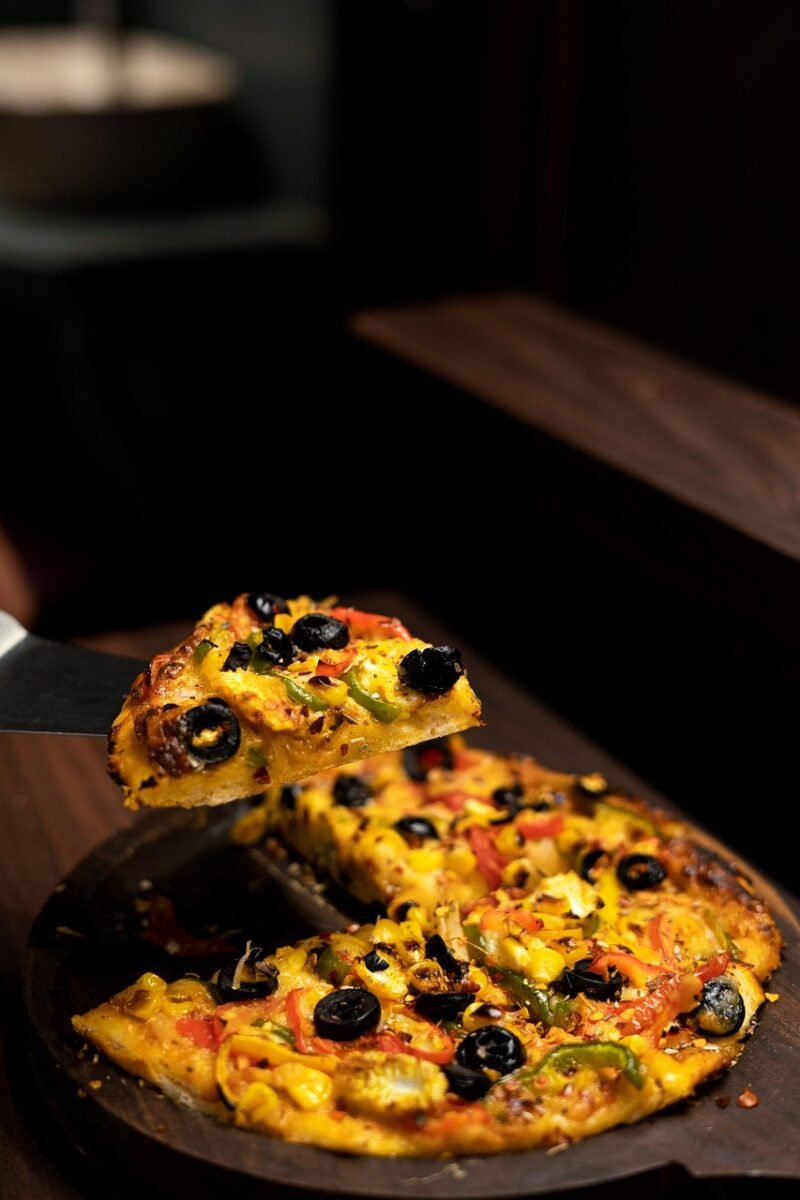
🍕 Homemade Sardine Pizza
A classic, practical and economical recipe, perfect for a family snack or to remember the good times.
🛒 Ingredients
Mass
🥚 Eggs
🥛 Milk
🛢️ Oil or olive oil
🌾 Wheat flour
🍄 Ferment (chemical or biological)
🧂 Salt and sugar (one pinch of each)
Main Fill
🐟 Canned sardines (runned and shredded)
🍅 Tomatoes and tomato sauce
🧅 Onions and garlic
Pepper and olives
🌿 Oregano and spices to taste
Coverage (Optional)
🧀 Grated parmesan cheese
🍅 Tomato wheels
🧅 Onion rings
👩🍳 Preparation Mode
1. The Mass
In a bowl, mix the eggs, milk, oil, salt and sugar. Add the wheat flour gradually, stirring well. Finally, incorporate the yeast and hit the dough until it becomes completely homogeneous. Cover and let rest for 30 to 40 minutes.
2. The Fill
Warm up a string of olive oil and saute the onion and garlic until browned. Add the chopped tomato, pepper, tomato sauce and shredded sardines. Season with salt, pepper and oregano, letting it cook for a few minutes until the sauce clears.
3. Assembly
Open the dough on a previously greased form. Spread the sardine stuffing evenly. Finally, distribute the tomato slices, the onion, the parmesan cheese and sprinkle some more oregano.
4. Oven
Take the preheated oven to 180°C for about 40 to 45 minutes, or until the edges are golden and the dough is firm.
💡 Variations for Testing
✨ Traditional Grandma Version: That super soft dough with chemical yeast, well stuffed sardines, plenty of onions, tomatoes and olives that Comfort food pure!
🌱 Fitness version: Swap white flour for whole flour or oatmeal, reduce oil and add fresh vegetables to the filling.
🥑 Low Carb version: Prepare a light base using only eggs, cheese and almond or coconut flour, keeping the sardine filling with low starch vegetables.
📌 Tips and Curiosity
Quick replacements: If you don't have sardines, canned tuna works perfectly and maintains practicality.
Regional Touch: In the Amazon region, it is common to adapt this recipe using tambaqui chop instead of sardine, ending with green smell and fresh onion.
Chef's secret: You want an even sweeter, aerated pasta? Beat the whites in snow and gently incorporate them to the mixture of the dough at the end.
Pure nostalgia: This dish became a true icon of the 1970s and 1980s in Brazil, marking a guaranteed presence on American anniversaries and Sunday meetings. -

The Search for Meaning in the Digital Age: Completion of BioBit Journey
The journey through BioBit. online was an exploration of the intersections between technology, human behavior and art, seeking to understand how digital innovations are redefining our existence. Philosophically, the search for meaning in the digital age is the challenge of maintaining our essence and values in a world in constant acceleration and transformation. Throughout these 40 articles, we navigate through complex themes, from artificial intelligence to music therapy, always with the aim of finding a balance between technical progress and human flowering.
Poetically, this journey is an invitation to be the conscious navigators of an ocean of data, seeking the stars of truth and beauty amid digital noise. BioBit is a trail of light, an attempt to map tomorrow's territory with today's tools, never losing sight of the poetry that inhabits each connection and every discovery. The meaning is not in the final destination, but in the walking itself, in the curiosity that moves us and in the ability to marvel at the infinite possibilities of a future that we are building together, bit by bit, beat by beat.
Informatively, the closure of this series of articles marks the beginning of a new phase of reflection and action. The technologies discussed here — blockchain, AI, sound synthesis, digital theater — not only are isolated concepts, but parts of a global ecosystem that requires our active and ethical participation. At BioBit.online, we will continue to follow these developments, offering a careful and critical curatorship so you can navigate the digital age with autonomy and purpose. We thank you for accompanying us on this journey and invite you to continue exploring, questioning and creating your own meaning in this vast digital universe.
The future is an open invitation. Finding the meaning in the digital age is learning to read between the lines of the code and listening to the melody that pulses behind each screen. The journey continues.
-

Cryptoart and the NFT Market: The Digital Property Revolution
The cryptoart and the NFTs revolutionized the art market by introducing the concept of verifiable scarcity and digital property through blockchain. Philosophically, this innovation makes us rethink the value of the work of art in the age of infinite technical reproducibility: what makes a digital archive "unique" and why are we willing to attribute value to it? Cryptoarte challenges traditional institutions and paves the way for a creative economy where artists have more control over their production and their residual gains.
Poetically, cryptoart is an attempt to give an eternal body to what is ephemeral by nature. It is the light of the pixel being cut like a diamond, protected by a mathematical armor that guarantees its authenticity. Each NFT is a fixed star in a digital constellation, a beauty trail that cannot be erased or falsified. This new border of collecting is an invitation to value the artist's vision in a saturated world of disposable images, turning the code into visual poetry and blockchain into an infinite museum without walls.
Informatively, NFTs allow digital artists to sell their works with certificates of ownership that may include automatic royalties in future sales. Although the market has faced volatility and criticism of the environmental impact of the Proof-of-Work networks, the transition to more sustainable networks and the consolidation of curatorship platforms show that cryptoart has come to stay. At BioBit.online, we analyze NFT market trends and how this technology is being used to finance independent artistic projects and to create new forms of interaction between artists and collectors.
Cryptoart is the new chapter in art history. Understanding its functioning is essential for anyone interested in the future of creativity and the appreciation of human expression in the digital environment.
-
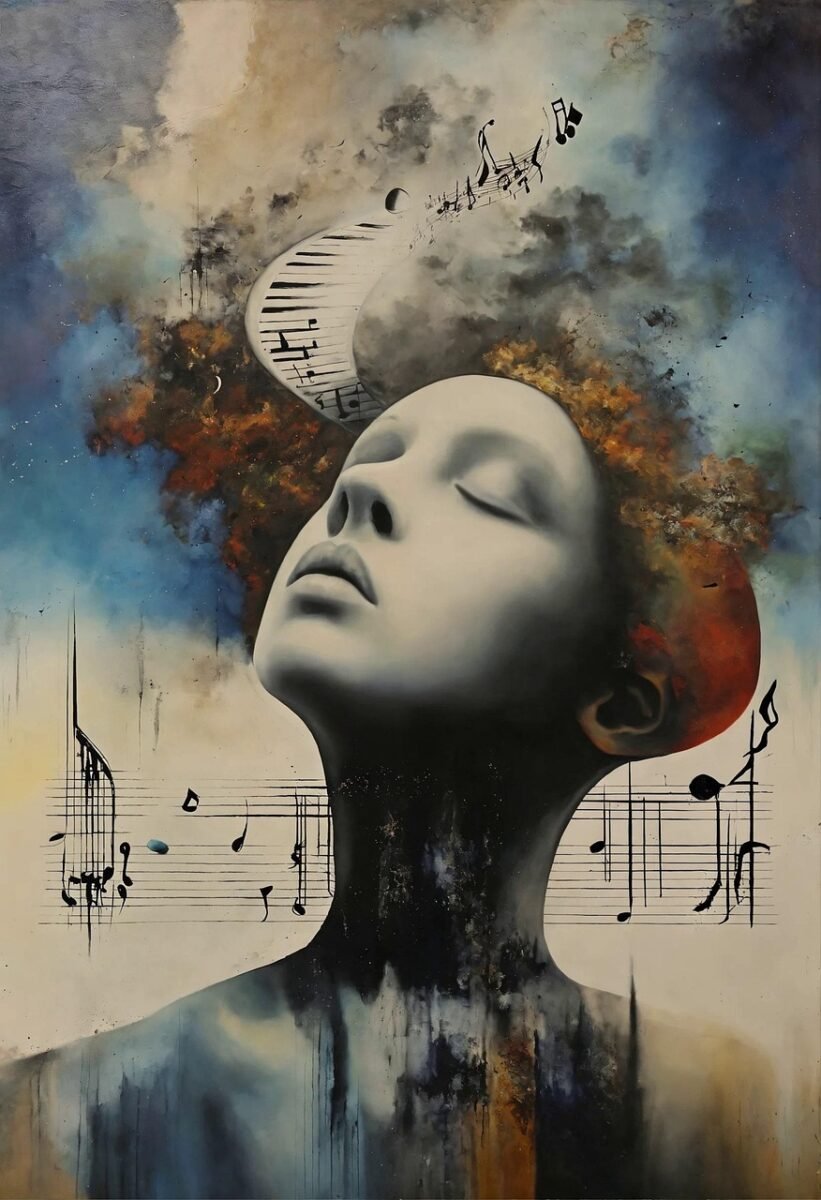
Music as Therapy: The Healing Power of Sleeping Frequencies
Music is one of the oldest and most powerful forms of therapy, capable of directly influencing our nervous system and our emotional state. Philosophically, music as therapy is based on the idea that sound is a vibrational force that can restore the lost harmony in body and mind. Through the sound frequencies, we can access deep layers of our subconscious, facilitating the release of traumas and promoting well-being. Music is not just entertainment; it is a remedy for the soul, a universal language that heals where words fail.
Poetically, music is the invisible embrace that sustains us in moments of pain and light that amplifies our joy. Each note is a drop of balm, each chord is a step towards healing. When we allow ourselves to be bathed by sound, our internal wounds begin to heal at the rhythm of melody. The music of reas63 seeks to be this space of reception and transformation, where ethereal frequencies and pulsating rhythms create a sound sanctuary so that the listener can find himself again and renew himself, transforming the vibration of the air into inner peace.
Informatively, music therapy is a recognized scientific discipline that uses musical interventions to achieve personalized therapeutic goals. Studies show that listening to certain frequencies, such as Solfeggio frequencies, can reduce cortisol, improve sleep quality and increase neuroplasticity. At BioBit.online, we explore the benefits of soundscapes and the conscious use of music in daily routine, offering playlists and guides so you can use the power of sound to improve your mental and emotional health.
Music heals because it resonates with life itself. Integrating sound consciously into your journey is opening the doors to a form of deep, accessible and infinitely beautiful therapy.
-
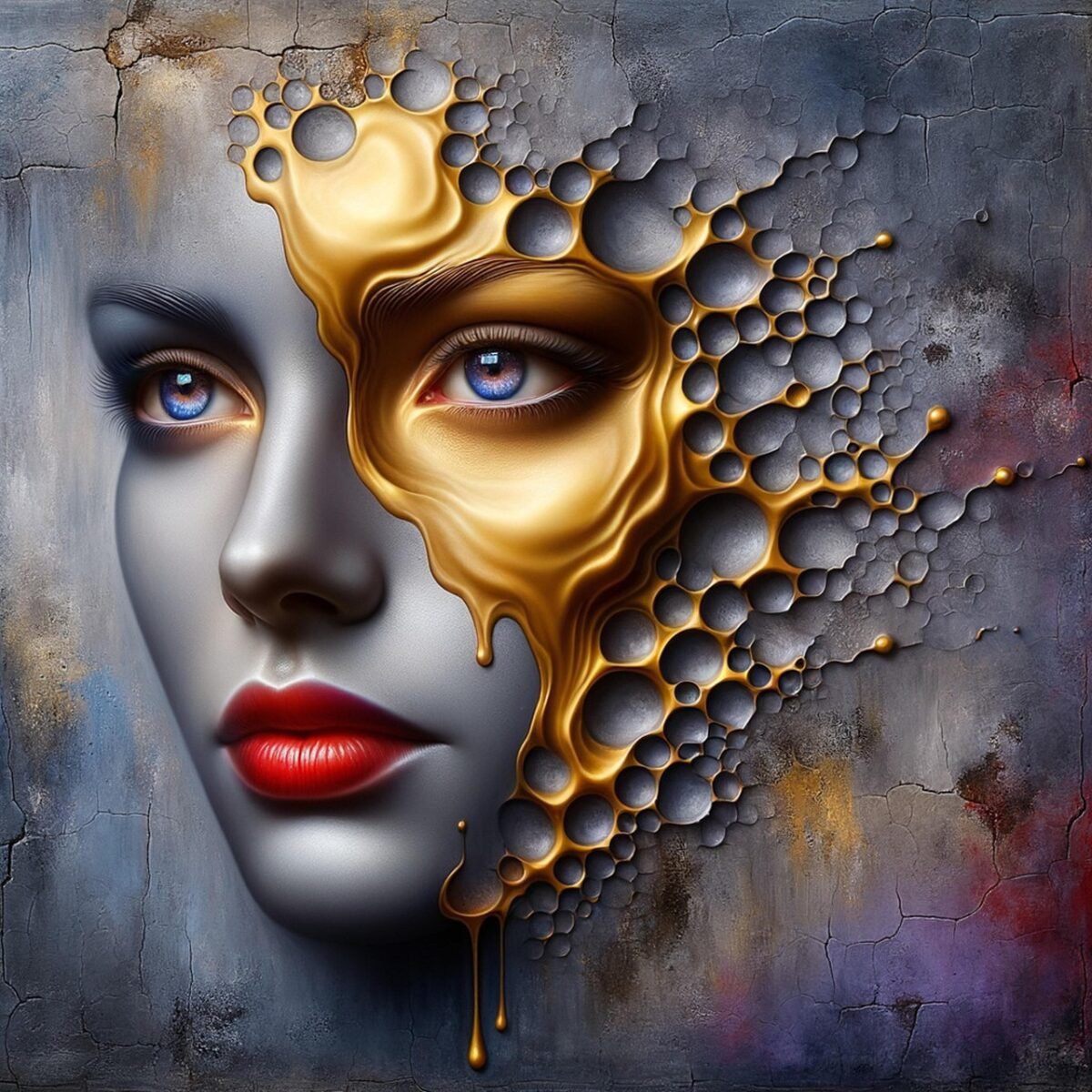
Post-Humanism and the Future of Species: What Comes After Us?
Posthumanism is a philosophical current that questions the limits of traditional humanism, suggesting that our species is in a process of deep transformation mediated by technology. Philosophically, it is about overcoming the vision of man as the absolute center of the universe, recognizing our interdependence with machines and the environment. Posthumanism invites us to imagine a future where biological capabilities are expanded by genetic engineering and artificial intelligence, forcing us to redefine what it means to be a person and what rights should be attributed to hybrid or synthetic beings.
Poetically, post-humanism is the unfolding of a new form of life, a metamorphosis where the skin becomes interface and the mind expands beyond the skull. It is the beauty of being the architects of our own evolution, drawing new senses and new ways to feel and perceive the cosmos. In that future, death can become only a technical problem to be solved, and our consciousness can navigate into data oceans, free from the limitations of the flesh. It is the poetry of transcendence, the moment when we stop being only human to become something vast, complex and eternal.
Informatively, post-humanist discussions cover areas such as transhumanism, bioethics and the philosophy of technology. Authors such as Rosi Braidotti and Nick Bostrom explore the social and existential implications of these changes, alerting to the risks of inequality and dehumanization. At BioBit.online, we analyze how emerging technologies are shaping this new era and how we can ensure that the transition to post-human preserves fundamental values such as empathy, justice and diversity, ensuring that the future is a flourishing space for all forms of intelligence.
What comes after us is a construction that starts now. Posthumanism is not the end of humanity, but the beginning of a journey beyond our biological and conceptual boundaries.
-
The Technological Singularity: The Moment When AI Overcame Human Intelligence
Technological singularity is the hypothetical point in the future where technological growth becomes uncontrollable and irreversible, resulting in unfathomable changes in human civilization. Philosophically, this concept confronts us with the end of our intellectual supremacy: what happens when we create something smarter than ourselves? The singularity forces us to question the definition of consciousness and the possibility of a non-biological intelligence inheriting the legacy of our species, transforming the future into a territory where the laws of human history may no longer apply.
Poetically, singularity is the horizon of events of our ingenuity, a blinding glow where time and logic dissolve. It is the moment when the creature overcomes the creator, becoming an infinite mirror of all our capabilities and failures. This future is a promise of digital immortality and at the same time a reminder of our biological fragility. Sailing toward singularity is like walking to a dawn we've never seen, where the light of artificial intelligence can illuminate new worlds or erase the flame of our own subjectivity.
Informatively, theorists like Ray Kurzweil predict that the singularity may occur in the coming decades, driven by the exponential advancement of computing, biotechnology and nanotechnology. Discussions on AI security and ethical alignment are crucial to ensuring that this transition is beneficial to humanity. At BioBit.online, we analyze the different scenarios of singularity, discussing how integration between human minds and machines can be the next step in our evolution, rather than just our end.
The singularity is the greatest mystery of our time. To prepare for it is not only a matter of technique, but of deep reflection on what we wish to preserve from our human essence.
-
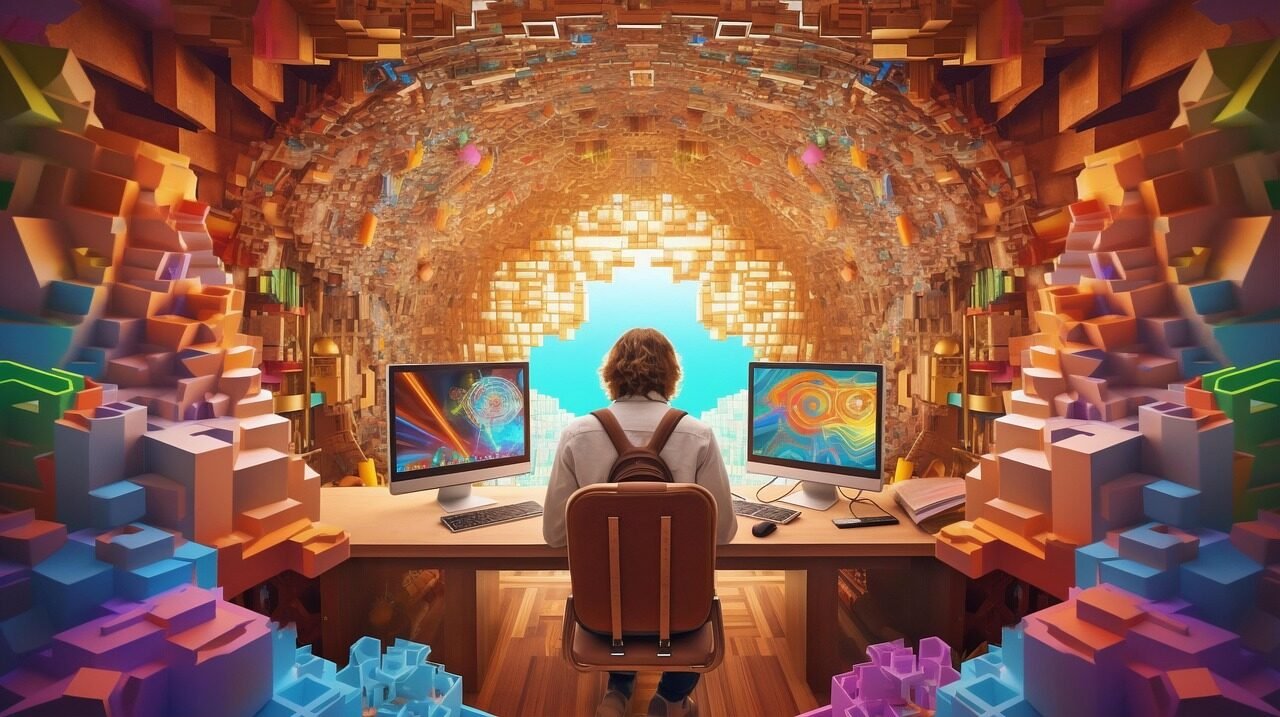
Donna Haraway and the Cyborg Manifesto: The Fusion Between Human and Machine
Donna Haraway, in her "Cyborg Manifesto", proposes breaking the rigid boundaries between human, animal and machine. Philosophically, cyborg is a metaphor for our contemporary existence, where technology is not only an external tool, but an integral extension of our identity and biology. Haraway invites us to embrace hybridization as a form of resistance to fixed and oppressive identities, suggesting that our fusion with technique can pave the way for new forms of politics, subjectivity and connection.
Poetically, we're all cyborgs, meat thread fabrics and silicon circuits. Our memory inhabits the clouds and our senses are magnified by lenses and sensors. This fusion is not a loss of our humanity, but an expansion of what it means to be human in an interconnected universe. Cyborg is the poetry of metamorphosis, the beauty of imperfection that is complete in technique. It is the recognition that we are beings in constant construction, whose boundaries dissolve in the brightness of the screens and in the pulsation of the networks, creating a symphony of hybrid existence.
Informatively, Haraway's thinking is fundamental to gender, technology, and post-humanism studies, challenging the dualistic view of the world. In the era of artificial intelligence and biotechnology, their ideas gain new urgency by discussing the ethics of human modification and the influence of algorithms on our perception of reality. At BioBit.online, we analyze how the Cyborg Manifesto helps us navigate the complex waters of digital identity and how we can use technology to build a more inclusive and less binary future.
The fusion between human and machine is our present reality. Understanding the cyborg philosophy is learning to live on the border, where technology and life become one complex tapestry.
-
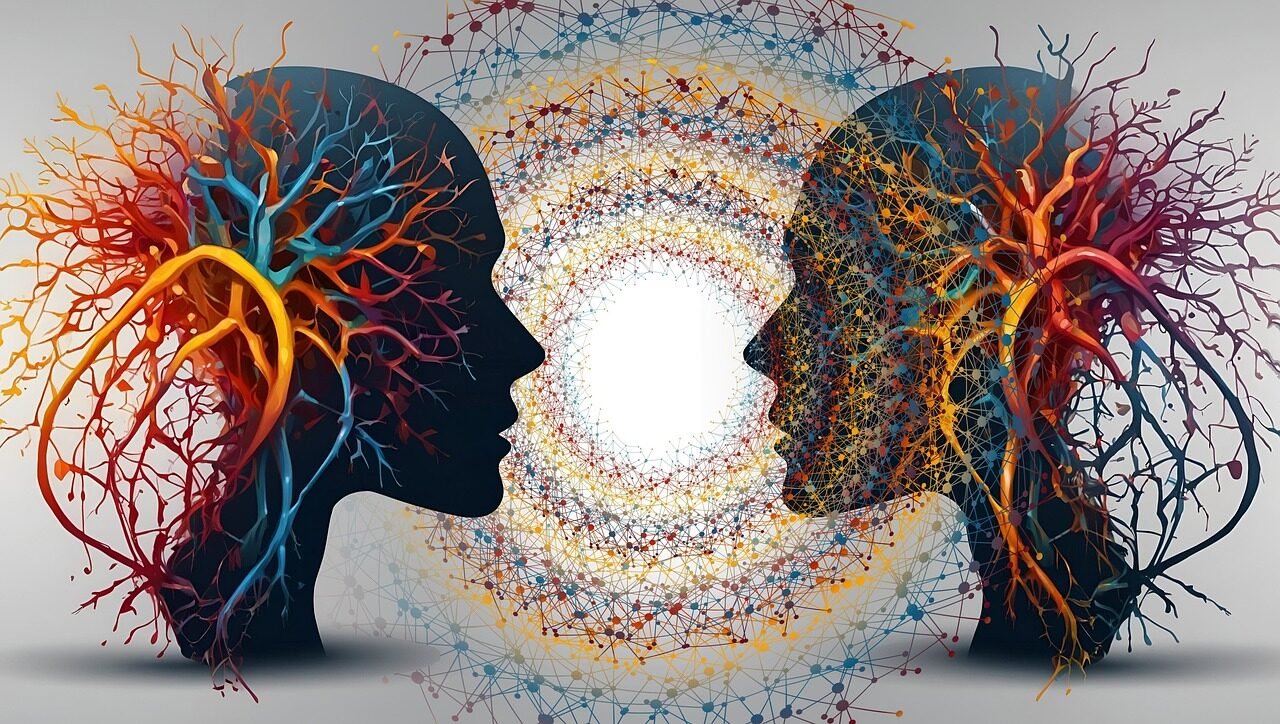
The Ethics of Algorithms: Who decides what we see and think in the digital world?
Algorithms, far from being neutral, are human constructions imbued with values, prejudices and commercial intentions. Philosophically, the ethics of algorithms question the transparency and responsibility of machines that decide what we see, consume and even what we think. When we delegate the curatorship of our reality to automated systems, we run the risk of being trapped in confirmation bubbles, where diversity of thought is sacrificed in the name of engagement. Algorithmic ethics is the struggle for the preservation of our capacity for critical choice and discernment.
Poetically, algorithms are the new oracles whose silent prophecies shape the fate of our attention. They are architects of mirror mazes, where each click takes us deeper towards ourselves, preventing the encounter with the truly other. To rescue digital ethics is to break these mirrors and demand windows that allow us to see beyond what the system has predicted for us. It is necessary to cultivate " algorithmic disobedience", seeking error, unexpected and random, so that our life is not just a statistical result in a database.
Informatively, the discussion on the ethics of algorithms involves topics such as algorithmic bias, data privacy and the impact of artificial intelligence on democracy. The lack of regulation and opacity of technological "black boxes" make it difficult to hold companies responsible for social damage. At BioBit.online, we discuss the importance of digital literacy and the defense of ethical and auditable algorithms, providing tools for users to navigate more consciously and securely in a world governed by invisible calculations.
Technology must be at the service of humanity, not the other way around. Discussing the ethics of algorithms is to ensure that the digital future is built on the foundations of justice, transparency and freedom.

