
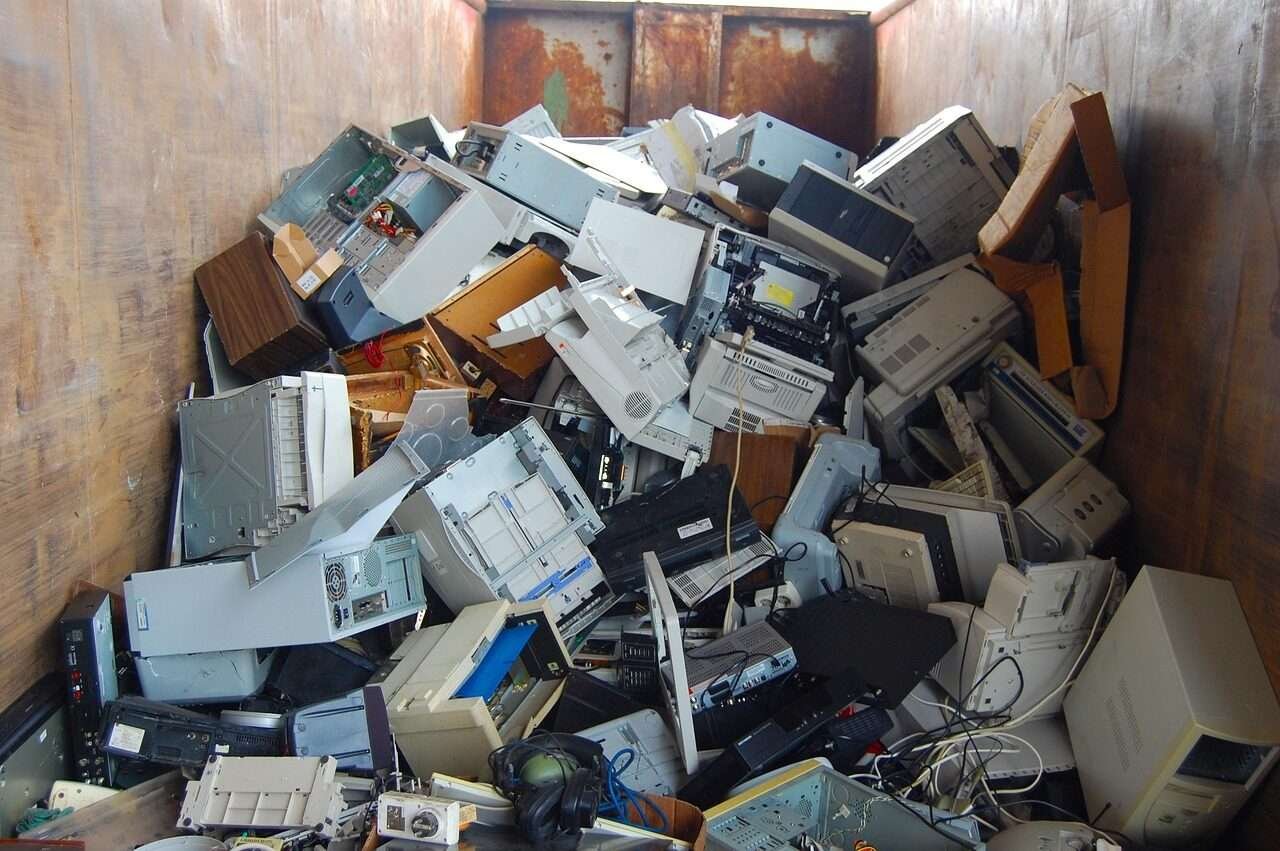
Urban mining is one of the most innovative and necessary solutions to the environmental challenges of the 21st century. While traditional mining pierces the earth for finite resources, urban mining looks at what we have already produced: electronic waste. It is estimated that tons of gold, silver and copper are discarded annually on old smartphones and computers. In this guide, we will explore how this process works and why it is vital for the circular economy.
What is Urban Mining?
Unlike deep mining, urban mining focuses on the recovery of secondary raw materials from discarded products. The concept is based on the idea that cities are "mines" rich in materials that have already been processed. By recycling one million mobile phones, for example, it is possible to recover about 16 tons of copper, 350 kg of silver and 34 kg of gold.
Environmental and Economic Benefits
The extraction of metals from electronic waste consumes significantly less energy than primary mining. In addition, it prevents soil contamination by heavy metals such as lead and mercury, often found in batteries and circuit boards. Economically, urban mining reduces dependence on rare earth imports, strengthening the local recycling industry.
How Can You Contribute?
The first step is conscious disposal. Never throw electronics in ordinary trash. Look for specialized collection points in your city. By ensuring that your old device reaches a technology recycling plant, you are allowing these materials to return to the productive cycle, preserving the environment for future generations.


Leave a comment