Category: Technology and Innovation

  • Technology and Innovation: The Future of Creativity in the Digital Age

    Technology and Innovation: The Future of Creativity in the Digital Age

    Technology is not just a set of tools; it is the engine that drives the evolution of human creativity. In biobit.online, we explore how digital innovation is redefining the boundaries of design, art and behavior, creating a future where the impossible becomes everyday through algorithms and human vision.

    The Revolution of AI and Increased Reality

    We are living the height of integration between man and machine. Technologies such as Generating AI and Reality Increased are not only facilitating processes, but expanding our ability to imagine and build new realities. This synergy allows professionals to focus on the strategy and creative essence, while technology takes care of technical execution and precision.

    Blockchain and Digital Property

    Security and authenticity have gained new pillars with Blockchain. In the universe of digital arts, this technology ensures that the property and value of the works are preserved, bringing transparency to the creative market. At BioBit, we follow closely how these structural innovations are shaping the economy of creativity and protecting the legacy of digital creators.

    Conclusion: The Future is Hybrid

    The future of technology in the arts points to an ever deeper collaboration between artificial intelligence and human sensitivity. We invite you to dive into these trends and figure out how to position yourself in this new digital age. Continue following biobit.online to be always ahead of the innovations that transform the world.

  • Arte Digital: O Guia Definitivo para a Criatividade no Século XXI

    Arte Digital: O Guia Definitivo para a Criatividade no Século XXI

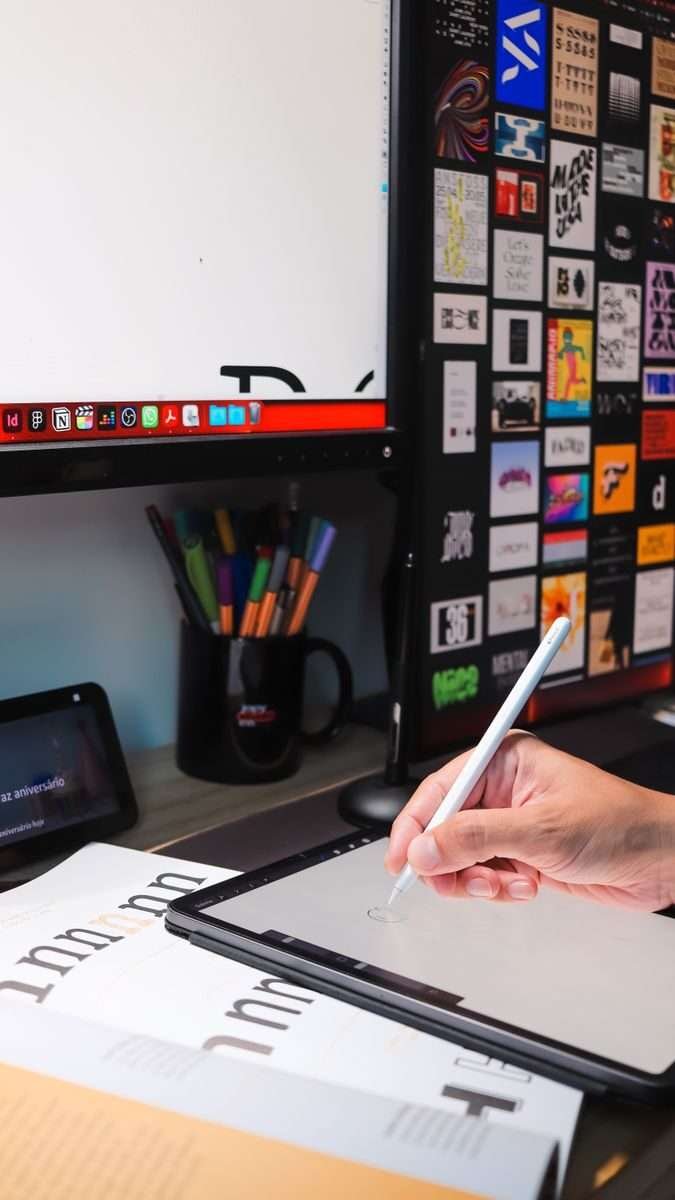
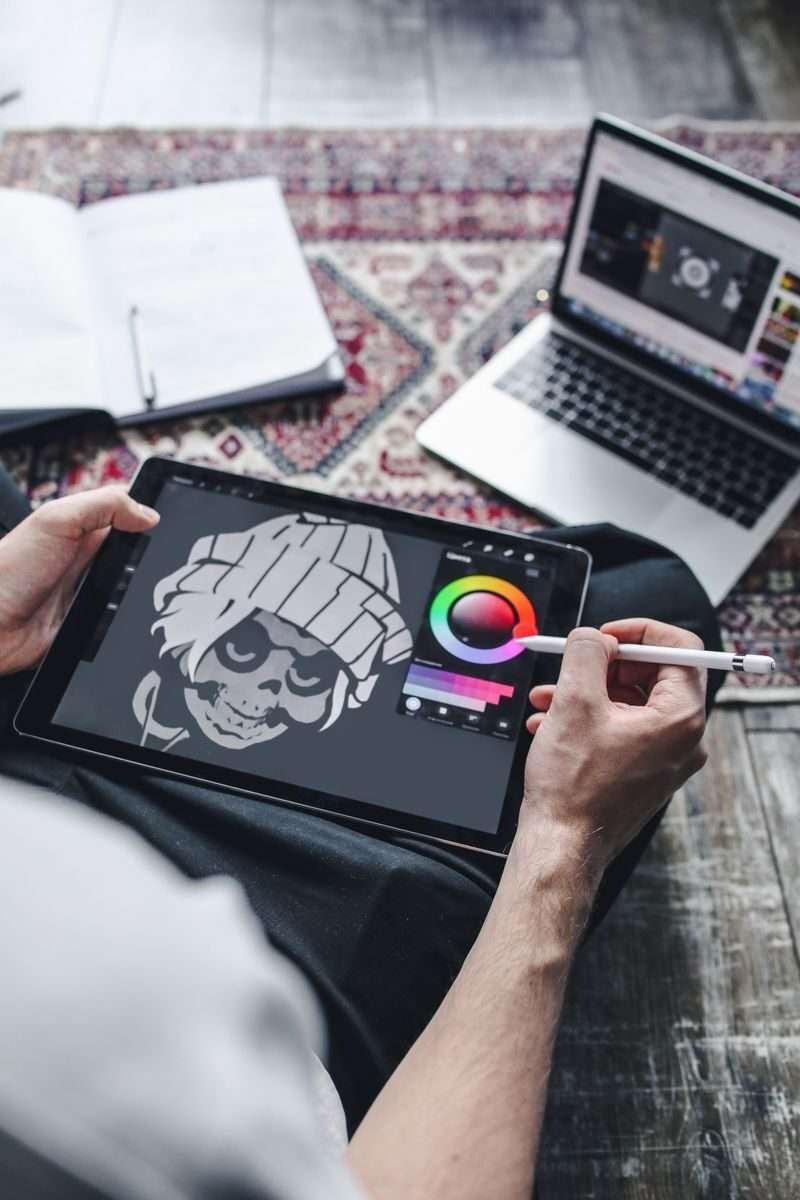
    A arte digital no século XXI é o ponto de encontro onde a técnica milenar do desenho se funde com o poder ilimitado do processamento computacional. No biobit.online, apresentamos este guia para artistas e entusiastas que desejam dominar as ferramentas e a mentalidade necessárias para criar expressões visuais que definem a nossa era.

    O Fluxo de Trabalho do Artista Digital

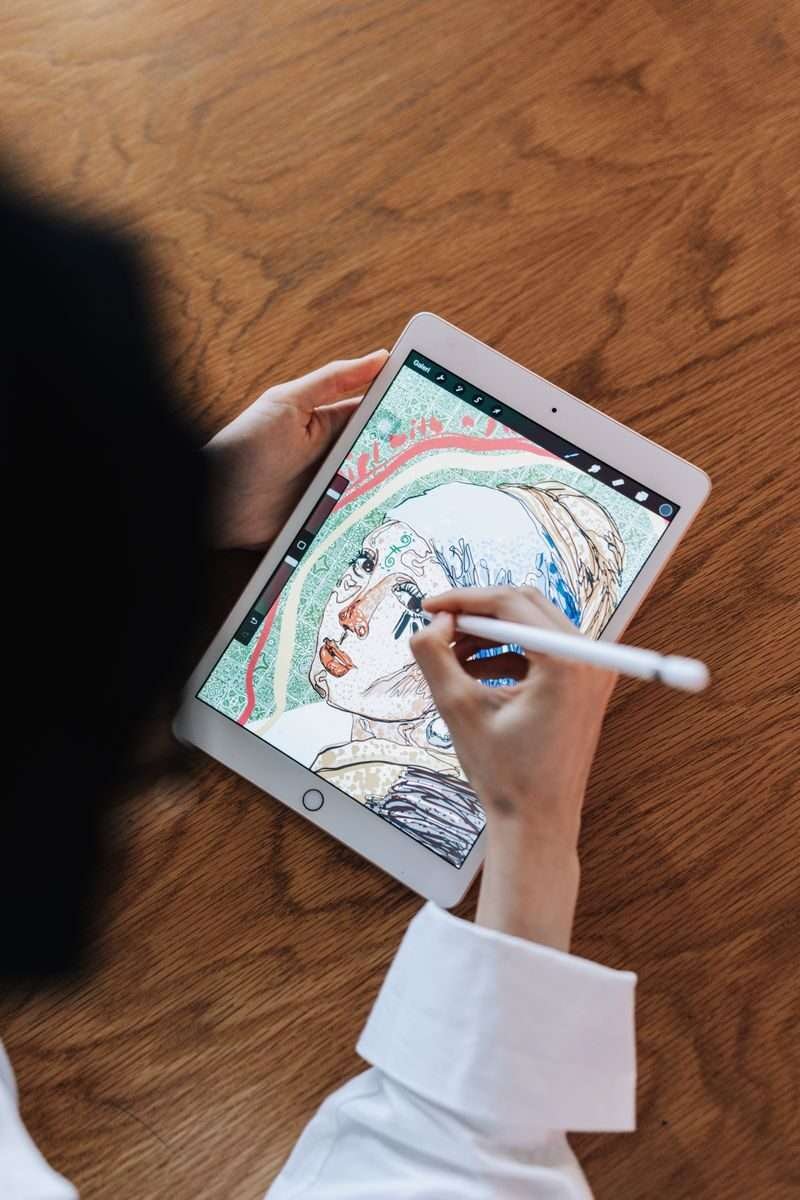
    Diferente da arte tradicional, o ambiente digital oferece uma liberdade sem precedentes através do uso de camadas, pincéis customizáveis e a reversibilidade total do erro. No entanto, a base continua sendo a mesma: composição, teoria das cores e anatomia. Exploramos como softwares como Photoshop, Procreate e Krita servem como extensões da imaginação, permitindo que o artista foque na essência da sua mensagem enquanto a tecnologia cuida da precisão dos pixels.

    A Revolução da IA e o Futuro da Criação

    A Inteligência Artificial não veio para substituir o artista, mas para atuar como um co-piloto criativo. Ferramentas de IA generativa permitem explorar conceitos e estilos em velocidades antes impossíveis, exigindo do profissional uma nova habilidade: a curadoria crítica. No BioBit, acreditamos que o futuro da arte é híbrido, onde a sensibilidade humana guia os algoritmos para criar mundos visuais cada vez mais imersivos e significativos.

    Conclusão: Comece sua Jornada Visual

    Seja você um iniciante ou um profissional experiente, o segredo da arte digital reside na prática constante e na curiosidade tecnológica. Convidamos você a explorar nossos tutoriais e galerias para inspirar sua próxima criação. Continue no biobit.online para mais insights sobre como a tecnologia está redefinindo o que significa ser um artista hoje.

  • Minimalist Design: Why Less Is More In Modern Digital Aesthetics

    Minimalist Design: Why Less Is More In Modern Digital Aesthetics

    Digital minimalism has become one of the strongest trends in contemporary design. In a scenario of excessive visual stimuli, the art that values simplicity offers a visual refuge. This post analyzes how the strategic use of white spaces, neutral color palettes and clean geometric shapes can communicate powerful messages. Learn how to apply the concept of "less is more" in your creations to generate balance, sophistication and a much more enjoyable and relaxing user experience.

  • Guia Definitivo: O Futuro da Criatividade Digital e o Impacto da IA nas Artes Visuais

    Guia Definitivo: O Futuro da Criatividade Digital e o Impacto da IA nas Artes Visuais

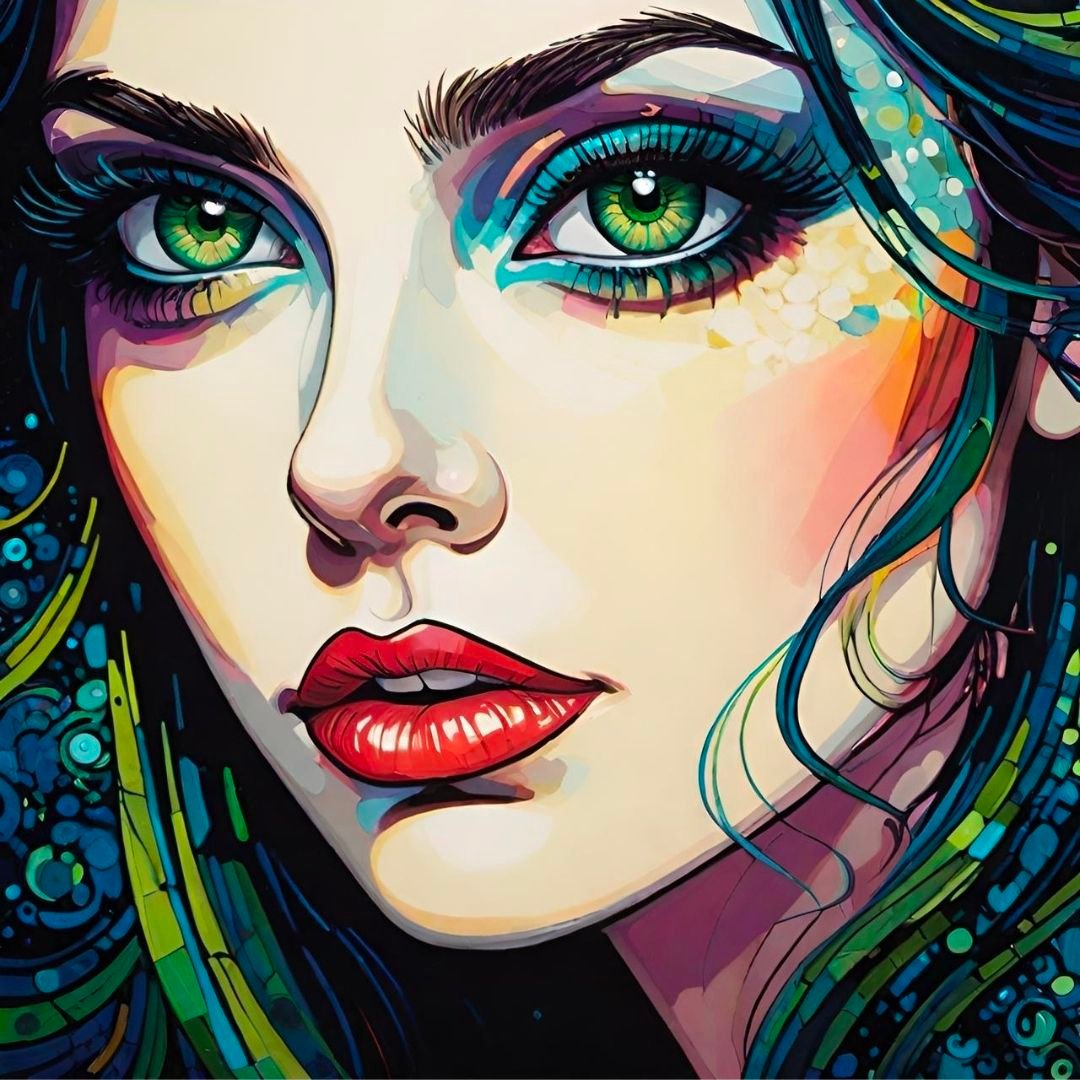
    A arte digital e a Inteligência Artificial (IA) não são apenas ferramentas técnicas; elas representam a nova fronteira da expressão humana no século XXI. Diferente do que muitos temem, a tecnologia não substitui o artista, mas atua como um co-piloto da imaginação, expandindo as fronteiras do que é possível criar. Este guia explora como a sensibilidade humana e os algoritmos convergem para redefinir a cultura visual moderna.

    A IA como Co-piloto da Criatividade

    Ferramentas de IA generativa estão sendo integradas ao fluxo de trabalho de designers profissionais para acelerar processos e explorar novos estilos. Ferramentas como Midjourney, DALL-E e Adobe Firefly permitem que criadores traduzam conceitos complexos em visuais impactantes em segundos. O desafio, no entanto, reside na ética: como equilibrar a automação com a originalidade e os direitos autorais? A resposta está na curadoria humana, que garante que a essência da mensagem permaneça viva.

    A Sensibilidade Humana no Meio Digital

    Softwares como Photoshop e Procreate revolucionaram a produção artística, mas a base continua sendo a mesma: a teoria das cores, a composição e a emoção. A arte digital permite uma experimentação sem precedentes, onde o erro pode ser revertido e a luz pode ser manipulada com precisão matemática, mas sem a visão do artista, o resultado é apenas um conjunto de pixels. A tecnologia fornece as ferramentas, mas o humano fornece o significado.

    O Futuro da Inovação Digital

    Estamos caminhando para uma integração cada vez maior entre humanos e algoritmos. Tecnologias emergentes como Realidade Aumentada (AR) e Blockchain estão trazendo novas camadas de autenticidade e imersão para a arte. O futuro da criatividade digital é híbrido, onde a inovação técnica serve como suporte para a eterna necessidade humana de contar histórias e expressar sua visão de mundo.

  • The Impact of Artificial Intelligence on Graphic Design and Visual Arts

    The Impact of Artificial Intelligence on Graphic Design and Visual Arts

    The Impact of Artificial Intelligence on Graphic Design and Visual Arts

    A Inteligência Artificial (IA) não é apenas uma tendência passageira; ela é a nova fronteira da criatividade humana. No entanto, surge a pergunta inevitável: será que a IA substituirá o artista? A resposta, fundamentada na prática contemporânea, é um ressonante não. A IA atua, na verdade, como um co-piloto de alta performance, expandindo os limites do que é tecnicamente possível e permitindo que a visão criativa alcance novos patamares de complexidade e beleza.

    A Revolução das Ferramentas Generativas

    Ferramentas de IA generativa, como Midjourney, DALL-E e Adobe Firefly, estão sendo integradas ao fluxo de trabalho de designers profissionais não para eliminar o esforço criativo, mas para acelerar a fase de prototipagem e exploração. O que antes levava dias de composição manual agora pode ser esboçado em segundos através de prompts bem estruturados. Isso permite que o designer foque no que realmente importa: o conceito, a narrativa e a direção de arte. A tecnologia remove as barreiras técnicas, permitindo que a “ideia pura” se manifeste com maior fluidez.

    Além da velocidade, a IA oferece uma capacidade de hibridização de estilos sem precedentes. Podemos misturar a estética do barroco com o futurismo cyberpunk, ou o traço de Van Gogh com texturas digitais ultra-realistas. Essa “curadoria algorítmica” desafia o artista a se tornar um mestre da linguagem, onde a habilidade de descrever e conceituar se torna tão importante quanto a habilidade de desenhar.

    Desafios Éticos e a Autenticidade do “Bio-Bit”

    Com o avanço dessas tecnologias, surgem debates necessários sobre direitos autorais, originalidade e a “alma” da obra de arte. No biobit.online, defendemos que a autenticidade reside na intenção humana. Uma imagem gerada por IA sem uma visão por trás é apenas ruído estatístico. No entanto, quando um artista utiliza esses algoritmos para expressar uma angústia, um sonho ou uma crítica social, a obra ganha vida. O desafio ético não está na ferramenta, mas no uso transparente e responsável da mesma.

    O Futuro do Mercado de Design

    O mercado de trabalho para designers e artistas visuais está passando por uma reconfiguração. Os profissionais que prosperarão serão aqueles que dominarem a simbiose entre o biológico e o digital. A demanda por “Prompt Engineers” e diretores de arte especializados em IA está crescendo exponencialmente. O design gráfico está deixando de ser uma execução técnica para se tornar uma arquitetura de experiências visuais.

    Para quem está começando, a dica é clara: não tema a tecnologia, aprenda a dialogar com ela. Explore como a IA pode automatizar tarefas repetitivas, como redimensionamento de imagens e correção de cores, para que você possa dedicar seu tempo à inovação estética. A inteligência artificial é um espelho da nossa própria capacidade criativa, amplificada por bilhões de parâmetros de dados.

    Conclusão: A Arte Expandida

    Em última análise, o impacto da IA no design gráfico é uma celebração da evolução humana. Estamos entrando em uma era de “Arte Expandida”, onde a colaboração entre humanos e máquinas produz resultados que antes seriam tecnicamente impossíveis. A tecnologia não tira o brilho da arte; ela fornece uma nova luz para que possamos enxergar horizontes ainda não explorados. O design do futuro é bio-digital, consciente e, acima de tudo, profundamente humano em sua essência criativa.

  • Passo a Passo: O Processo Criativo da Ilustração Digital Profissional

    Passo a Passo: O Processo Criativo da Ilustração Digital Profissional

    Many admire a finished work, but few know the way from the sketch to the final pixel. This article details the crucial steps of digital creation: from the initial "brainstorming" and the rough draft, through color blocking, to the refinement of light and shadow. We share tips on how to choose the right brushes and the importance of layers (layers) in the organization of the project. An essential guide for enthusiasts who want to professionalize their arts and understand the discipline behind talent.

  • The Force of Self-determination: How to Break the Cycle of Expectations and Resentance.

    The Force of Self-determination: How to Break the Cycle of Expectations and Resentance.


    Much of our emotional suffering is not born from the events themselves, but from the invisible script we write for others' behavior. We live anticipating reactions, projecting attitudes and waiting for the world to dance according to our music. When reality inevitably fails to follow this imagined script, the result is almost always the same: frustration and resentment. For centuries, great thinkers of humanity have pointed to an uncomfortable but deeply liberating truth: suffering is a matter of expectations.
    Illusion of Control and the Stoic Lens
    The idea that you are the only territory on which you exercise real authority is the basis of the so-called Control Dichotomy, a pillar of stoicism. The ancient philosophers claimed that life is divided between the things that depend on us and those that do not depend. About the actions, thoughts and desires of others, we have only the illusion of influence.
    What affects us is not exactly what happens externally and objectively, but what we tell ourselves about what happened. True happiness and freedom begin with a clear understanding of this principle. The behavior of others is completely beyond our reach. The real problem lies in something that is in our possession: our expectations.
    Studies and analyses of human behavior suggest that about 80% of our mental suffering is the result of unrealistic expectations. These projections are built from past experiences, family models and cultural influences. They function as a psychological prediction to maintain a sense of control over reality. When someone does not respond to this mental feedback, disappointment sets in. If this pattern repeats itself, sorrow turns into chronic resentment.
    The Labyrinth of Resentance and Irrational Beliefs
    Resentment is a complex emotion that is not born of what others do, but of the abyss between their actions and what we hoped they would do. In modern psychology, the conviction that the world and the people around it must act in a certain way is classified as an irrational belief.
    The solution to this continuous wear is not to try to change people around you. — an inglorious task and doomed to failure —But to review their own criteria. There is a timeless maxim that sums up this movement precisely: "The superior man demands of himself; the inferior man demands of others." One who demands much of his own conduct and expects little of external reactions keeps resentment at bay, shielding his peace of mind.
    Ren: The Cultivation of Self for the Living with the Other
    This posture should not be confused with apathy or submission. There is a crucial difference between ignoring problems, swallowing unpleasant situations or avoiding setting limits, and knowingly deciding where to invest your time and your vital energy. Changing focus does not mean resignation, but rather changing the starting point of your actions.
    This balance dialogues directly with the Eastern concept of Ren, one of the noblest virtues of Confucian philosophy. Often translated as benevolence or humanity, Ren represents the ability to cultivate oneself to live better in community. It's the art of learning to take care of your own mind so you can then be able to interact healthyly with others. After all, no one can offer what he does not have, nor act with genuine generosity when he lives charging emotional bills from the world.
    The Power of Serene Limits
    You can — and should — point out what's wrong, set firm limits and walk away from environments or people that hurt you. The great turn of key is in doing this from serenity, not from accumulated anger.
    There is an abyss between saying to someone "it doesn't seem right to me and I'm going to walk away" with total tranquility, and spending weeks oozing over this person's behavior until he consummates his thoughts.
    The first scenario is an act of self-respect that is born from its internal control center. The second is an infertile projection facing out, which delivers control of your well-being into the hands of third parties.
    Instead of wasting energy monitoring if others are matching their standards — and getting angry when they fail —, the smartest way is to direct that same force to meet its own goals and values. Although resentment and expectations are deeply human and old problems, the exit remains the same: collect your projections, assume the authorship of your life and live more quietly.

  • The Time Masks Ball: How the Second Half of Life Translates Our Own History

    The Time Masks Ball: How the Second Half of Life Translates Our Own History


    Life, in its vast complexity, resembles the production of a great literary work. The philosopher Arthur Schopenhauer once synthesized this journey with a brilliant metaphor: the first forty years of our existence provide the text; the following thirty, the comment on it. What this analogy reveals is that, during youth, we are too busy writing the lines of our history through experiences, mistakes, impetuous desires and impulsive decisions. It is only when we cross the border of 40 years that we gain the necessary distance to read, interpret and understand the true meaning, cohesion and subtleties of what we write ourselves.
    Unlike what modern clichés suggest, life does not "begin" at 40, but it is from this framework that the most critical and reflective stage of our experience begins. Without this subsequent comment brought by maturity, the initial text of our youth would remain as a pile of disconnected chapters. There is in us a natural psychological tendency to revisit history itself in old age to reorganize it and give it meaning. This means that the same traumatic or glorious events we experience as young people change dramatically meaning depending on how we integrate them and reframe them decades later.
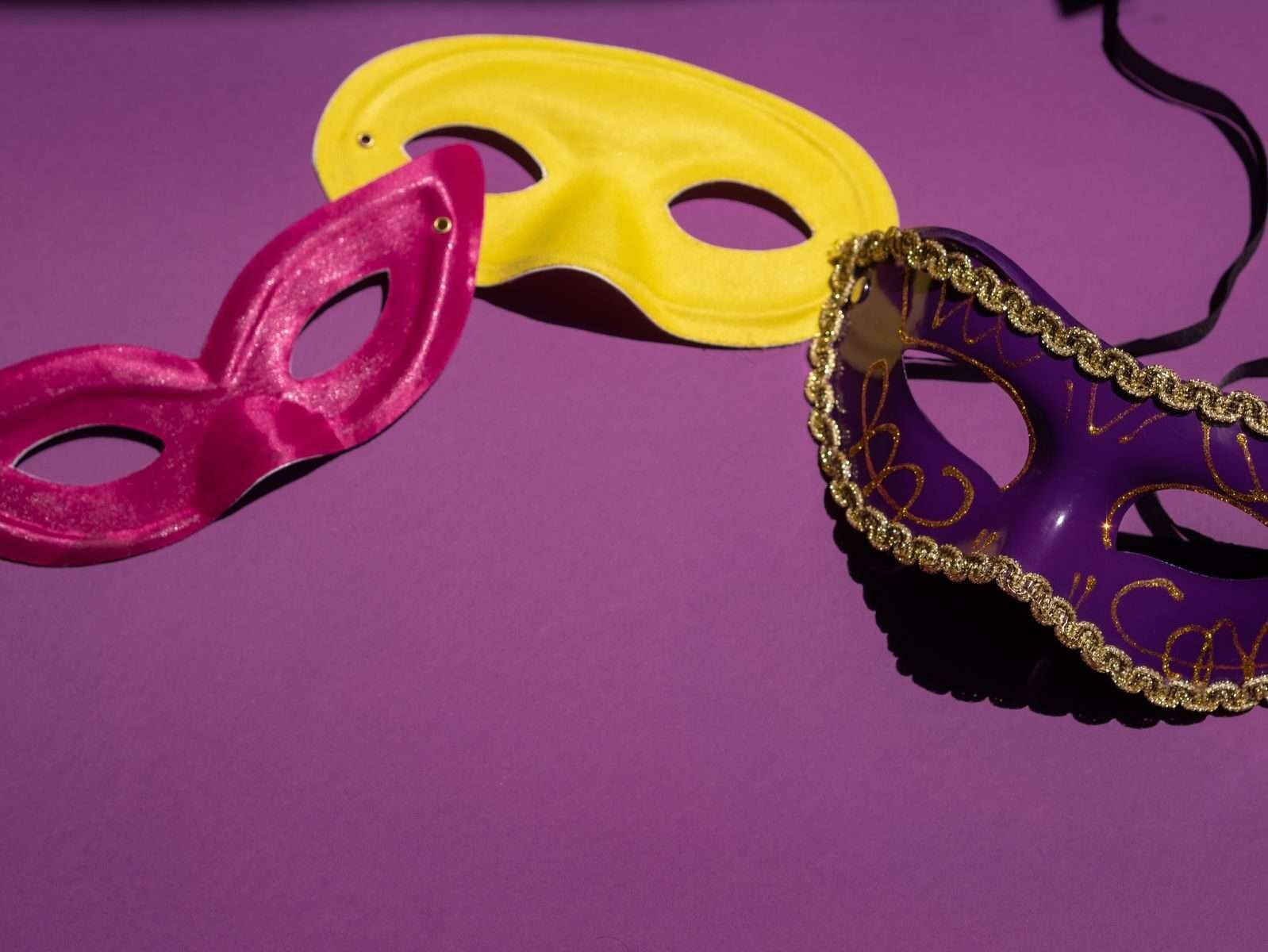
    The last years of life are like the end of a masquerade ball, when the masks finally fall off.
    This dynamic of self-discovery is supported by science through a phenomenon known as the "peak of reminiscence". Psychological studies show that adults, especially after 40 years of age, remember with surgical clarity the events that occurred between 15 and 30 years of age. The reason is simple: it was during this period that our identity was shaped and the most crucial decisions were made. On the other hand, as age progresses, the routine is established and fewer and fewer things seem unprecedented or significant enough to be archived in the long-term memory; time, in a way, begins to slip between the fingers without leaving obvious traces.
    This transition also profoundly alters our attitude towards the world. If youth is the time of poetry, driven by the ardent desire for utopian happiness that we never fully attain, old age naturally leans towards philosophy. In the second half of life, the focus changes: the incessant pursuit of pleasure gives way to the mature desire to avoid misfortune and preserve peace of mind. As the journey approaches the end, the mist of illusions dissipates. Everything becomes clearer because the meaning of our lives is not static; it is in constant construction and reconstruction, proving that time, after all, fulfills its noblest promise: to make us experts and wise about our own biography.

  • Street Art: A Revolução Visual que Transforma as Cidades

    Street Art: A Revolução Visual que Transforma as Cidades

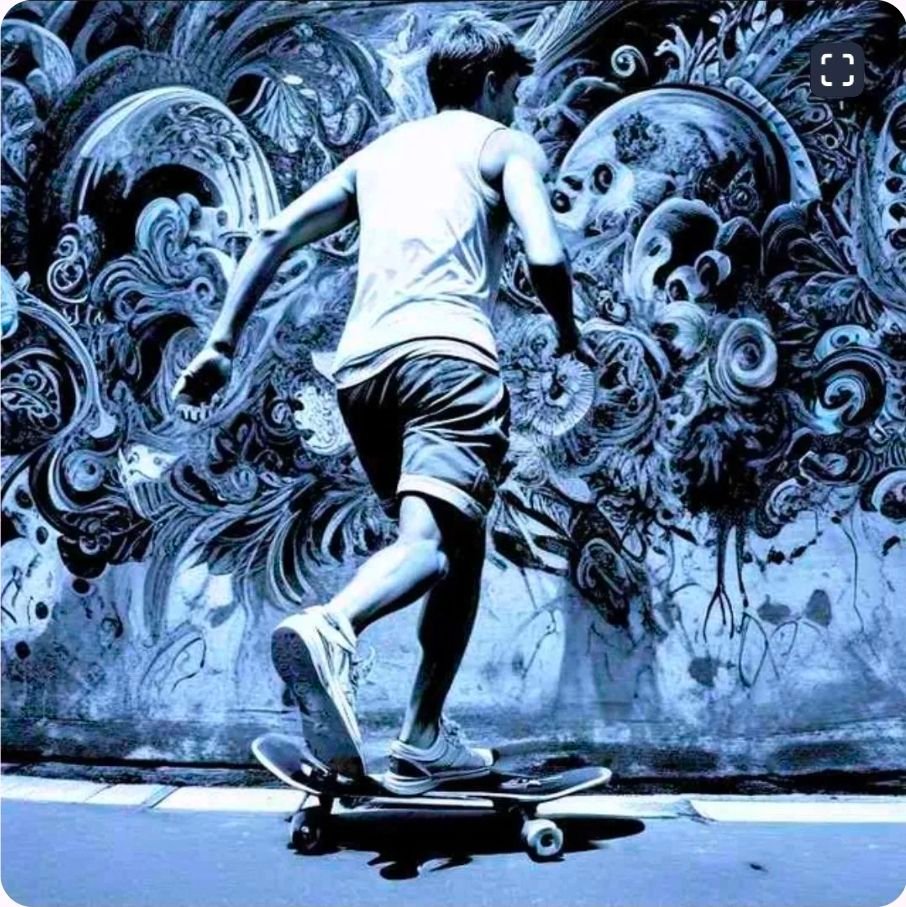
    A arte urbana, ou Street Art, é a voz das cidades. No biobit.online, exploramos como as ruas se transformam em galerias a céu aberto, onde o grafite, o estêncil e as intervenções visuais questionam a realidade e dão cor ao concreto. Esta forma de expressão é um pilar fundamental da cultura contemporânea, unindo ativismo e estética em um diálogo direto com o público.

    A Cidade como Tela

    Diferente das galerias tradicionais, a Street Art é democrática e efêmera. Ela ocupa espaços públicos para contar histórias que muitas vezes são ignoradas. Discutimos como artistas urbanos utilizam a arquitetura das cidades para criar obras que interagem com o ambiente, transformando o cotidiano dos pedestres em uma experiência artística imersiva.

    O Impacto Cultural e Social

    Mais do que decoração, a arte de rua é uma ferramenta de transformação social. No BioBit, analisamos como essas intervenções podem revitalizar bairros e dar visibilidade a causas importantes. A Street Art é a prova de que a criatividade não conhece fronteiras e que o asfalto pode ser tão inspirador quanto qualquer museu.

    Conclusão: Olhe ao Redor

    Convidamos você a observar as paredes da sua cidade com novos olhos. A arte está em todo lugar, esperando para ser descoberta. Continue acompanhando o biobit.online para explorar mais sobre as tendências e os artistas que estão moldando a paisagem urbana ao redor do mundo.

  • How accelerated life is impoverishing our soul

    How accelerated life is impoverishing our soul

    We live in a paradoxical time. At the same time that science and medicine guarantee us the greatest life expectancy in human history, we have the uncomfortable feeling that time is slipping through our fingers. The hours seem minutes, the days fly in a breath and the feeling of urgency is a constant that follows us in everyday life. Immersed in a routine of endless tasks and increasingly virtual exchanges, we are swallowed by a frantic rhythm that prevents us from simply stopping and breathing. This continuous acceleration does not only affect our productivity or our physical health; it directly affects our essence, promoting a silent impoverishment of our soul.

    Digital noise and constant flight from ourselves

    The cell phone we carry in our pocket, theoretically designed to bring us closer to the world, has become the biggest obstacle to our internal connection. In front of any second of idleness — in the queue of the seat, in traffic or in the minutes preceding sleep —Our immediate and almost involuntary reaction is to unlock the screen. This automatic gesture reveals a desperate escape from silence and confrontation with our own thoughts, projecting our minds into an alienating, fragmented and artificially colored reality.

    We receive constant stimuli every second: vibrating notifications, fast videos designed to retain our attention and a flood of information we can barely process. This digital haste keeps us in a state of permanent alert, where the depth of human experience is exchanged for the superficiality of an infinite feed. By prioritizing virtual interactions to the detriment of quiet moments, we empty our contemplation capacity, transforming our mind into a deposit of noises from others.

    The result of this uninterrupted bombing is the anesthesia of our subtlest senses. Without room for silence, how will we know to hear our heart, our intuition or even the signs of tiredness that our body emits? We become strangers to ourselves, operating in automatic mode and guided by external algorithms, while our inner voice is suffocated by the urgency of responding to a world that never sleeps.

    How the fear of loneliness is impoverishing the soul

    In accelerated modernity, loneliness is no longer seen as a space for personal cultivation to become a synonym of failure or emptiness. We no longer know how to enjoy our own company; instead, loneliness is suffering as an unbearable burden. There is a visceral fear of being alone with our ghosts, our doubts and our pains, which pushes us to fill every loophole of the day with noises, tasks and shallow connections, just to avoid encountering who we really are.

    However, the solitude — the state of being alone in peace and harmony with oneself — is the fertile soil where the soul flourishes and regenerates. If there is no time or willingness to be alone consciously, how will we truly know each other? Self-knowledge requires gathering, requires looking inside without the filters of social networks or the judgment of others. As we systematically flee from solitude, we give up the opportunity to discover our true identity and our most authentic desires.

    This fear of facing the mirror of the soul results in unprecedented spiritual and emotional impoverishment. A soul that is not known becomes fragile, easily manipulated by the expectations of the consumer society and external opinions. By neglecting silence and gathering, we deprive our lives of real meaning, leaving us only a superficial existence that, as accelerated and productive as it seems, is internally empty and lacking in purpose.

    Rescue our soul from the clutches of modern acceleration requires courage and a conscious choice to slow down. It means learning to say no to excessive stimuli, putting the cell phone aside and embracing the initial discomfort of silence so that we can hear each other again. We need to rescue the value of slow time, contemplation and authentic solitude as tools of emotional survival. After all, life should not be measured by the speed with which we run, but by the depth with which we feel the journey, returning to our soul the wealth that the haste of the world insists on stealing from us.
EnglishenEnglishEnglish