Category: Gastronomy and Cooking

  • Creamy pasta recipe with tuna

    Creamy pasta recipe with tuna

    Ingredients

    • 500 grams of penne or spaghetti noodles;
    • Water to cook pasta;
    • 1 large onion;
    • 4 middle garlic teeth;
    • 2 tablespoons of margarine;
    • 1 can of tuna (170 grams);
    • 1/2 teaspoon salt (or to taste);
    • 1/2 teaspoon of red pepper (or to taste);
    • 3 tablespoons of mayonnaise (110 grams);
    • 1 can of cream (300 grams).

    Method of preparation

    • First, keep the water warm in the pan.
    • When the water is boiling, put on the pasta and cook as per the instructions of the pack until it is al dente.
    • Add the tuna, season with salt, pepper and mix well for about 2 minutes. Turn off the fire, finish with mayonnaise and cream. Move quickly.
    • Dispose of the pasta water and pour the sauce over it. Mix well, grate the Parmesan cheese, put it on top and enjoy!
  • 🍪 Cookies Stuffed Bakery StyleHigh, crispy cookies on the outside, soft on the inside and with a super creamy filling.

    🍪 Cookies Stuffed Bakery Style
    Tall cookies, crispy on the outside, soft on the inside and with a super creamy filling.


    📋 Ingredients
    Cookie Mass
    Butter without salt: 180 g (at room temperature)
    Brown sugar: 150 g
    Refined sugar: 100 g
    Egg: 1 unit
    Vanilla Essence: 1 teaspoon
    Wheat flour: 320 g
    Sodium bicarbonate: 1 teaspoon
    Salt: 1 pinch
    Medium bitter chocolate: 200 g (in drops or minced)
    Filling (Ganache)
    Chocolate medium bitter or milk: 150 g
    Milk cream: 100 g
    👨‍🍳 Preparation Mode
    1. Fill
    Melt the chocolate together with the cream (in the water bath or microwave, every 30 seconds) until you get a smooth ganache.
    Take it to the fridge for a few minutes to firm and gain enough structure to stuff.
    2. Mass
    In the mixer or with a fouet, beat the butter with brown sugar and refined sugar until it forms a light and cute cream.
    Add the egg and vanilla, mixing well.
    Incorporating wheat flour, bicarbonate and a pinch of salt. Just move it until the mass is homogeneous.
    Add the chocolate drops (or pieces) and mix gently.
    3. Assembly and Modeling
    Divide the mass into portions of about 80 g.
    Open each portion in the hand, add 20 g of ganache in the center and close carefully by modeling a sealed ball.
    Dispose of the balls in a baking machine and bring them to the refrigerator for 20 minutes before baking (this prevents the cookie from spreading too much).
    4. Oven and Finishing
    Preheat the oven at 180 °C.
    Bake cookies for 12 to 15 minutes. The centre should remain slightly soft to the touch.
    Remove from the oven and let the baking machine rest for 10 minutes before moving or serving.
    Tip: This rest time is fundamental! It allows the firm skin on the outside without too much roasting the center, ensuring that classic texture and creamy filling.

  • Proteins or Fibers at breakfast? The Study That Reveals the Perfect Combination to Lose Weight.

    Proteins or Fibers at breakfast? The Study That Reveals the Perfect Combination to Lose Weight.


    When it comes to weight loss, morning meal is usually the center of intense debates. After all, what works best to start the day: a protein-reinforced dish to stop hunger or a meal overflowing fibers to regulate the organism? A recent cross-interruption study decided to put these two approaches to the test, subjecting the participants to 28 days of each protocol and delivering valuable discoveries on how our metabolism actually responds to each nutrient.
    During the experiment, researchers provided all meals of volunteers in two well-defined regimens. The first protocol focused on a high fiber content, ensuring about 30 grams daily from ingredients such as wheat bran, lentils and beans. The second directed 30% of all daily calories to high-quality protein sources, such as eggs, meat and dairy products. In both diets, the distribution of calories followed a strategic logic: 45% of the total daily was concentrated at breakfast, 35% at lunch and only 20% at dinner.
    The results showed that both paths lead to weight loss, but by completely distinct and fascinating pathways. The hyperprotein diet stood out for direct control of hunger. By stimulating the release of gastrointestinal hormones linked to reduced appetite, high protein intake significantly reduced the desire to eat throughout the day, facilitating the maintenance of a caloric deficit spontaneously.
    On the other hand, the fiber-rich protocol had a slight advantage in overall weight loss due to its profound impact on metabolic health. Fermentable fibers served as a banquet for beneficial bacteria of the digestive tract, especially bifidobacteria. This proliferation strengthened the integrity of the intestinal barrier, combated low-grade inflammation and boosted butyrate production. — a short-chain fatty acid directly associated with increased insulin sensitivity. In practical terms, while the protein silences the stomach, the fiber rearranges the metabolic gear of the body.
    The great lesson that the study leaves us is that we don't have to choose a side. Proteins and fibers act in a complementary way: a safe anxiety and hunger peaks, while the other nourishes the microbiota and optimizes energy expenditure. Bringing this discovery into daily routine is simpler than it seems. The most efficient way for those seeking to lose weight with health is to unite the best of both worlds at the first meal.
    Set up a smart breakfast ensuring between 20 and 30 grams of protein — through eggs, natural yogurt or thin cheeses — combined with good sources of fiber such as oats, seeds or nuts. This synergy not only prolongs the sensation of satiety for hours and stabilizes blood glucose levels, but also ensures that your intestine works in favor of your goals.

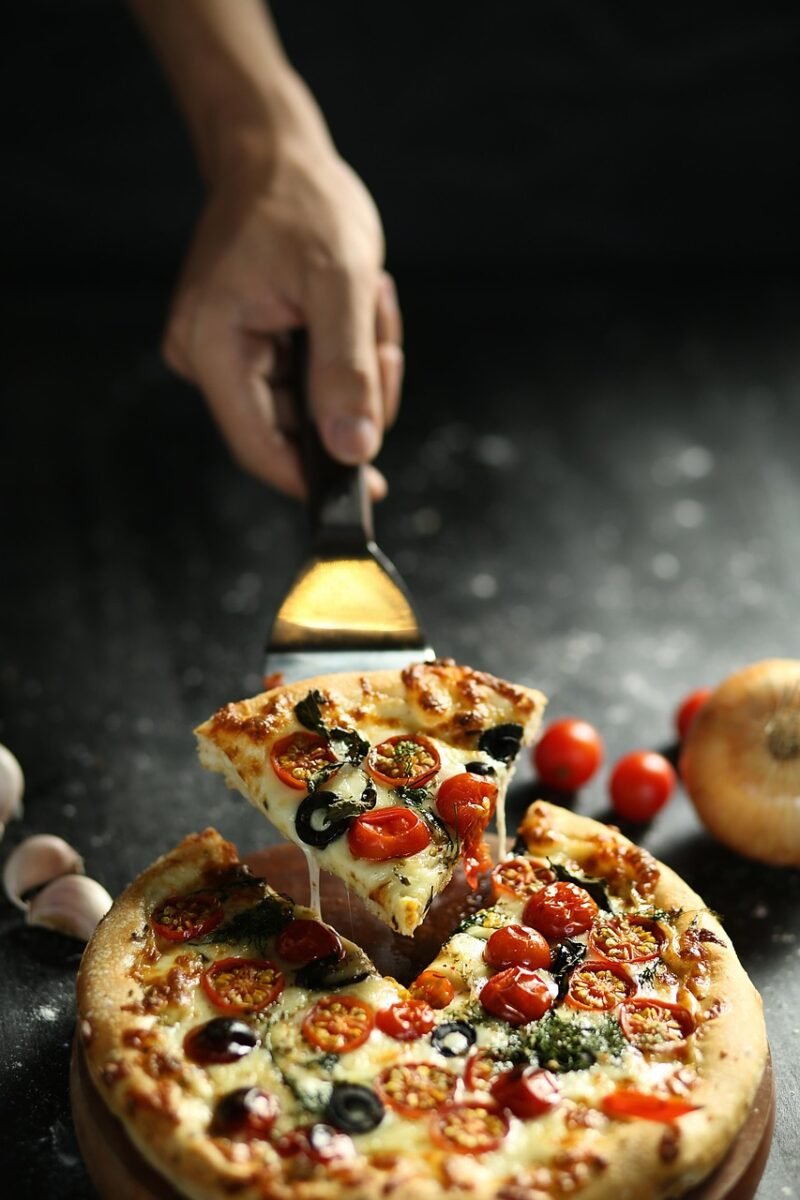
  • Italian Traditional Pizza

    Italian Traditional Pizza

    Ingredients
    Mass (net 4 pizzas)

    1000 g of wheat flour;
    600 g cold water;
    30 g of salt;
    15 g of extra virgin olive oil;
    5 g of dried biological yeast.
    Coverage

    fresh tomato sauce;
    Fior di Latte cheese;
    Basil leaves;
    Garlic confit.
    Method of preparation
    Mass

    Dissolve biological yeast in about 100 g of cold water.
    In a large mass or bowl, put the wheat flour.
    Add water gradually, mixing until all flour is incorporated.
    Add the salt and keep mixing.
    Add extra virgin olive oil and soak until you get a smooth, homogeneous and elastic mass.
    Initial rest

    Cover the dough with plastic film.
    Let rest for 30 minutes at room temperature.
    Division and billing

    Divide the mass into four portions of approximately 400 g each.
    Model balls very smooth and tensioned.
    Place each in a lightly greased container with lid.
    Fermentation

    Take the pasta to the refrigerator for approximately 24 hours for slow fermentation.
    Assembly

    Remove the masses from the refrigerator between two and three hours before using them, keeping the containers capped at room temperature.
    Sprinkle wheat flour or semolina on the counter.
    Open the mass of the center to the edges, preserving the air bubbles formed during fermentation.
    Spread the fresh tomato sauce.
    Add the Fior di Latte cheese, basil leaves and garlic confit.
    Bake in preheated oven at approximately 250 °C until the dough is golden and the cheese melted.
    The long fermentation period is one of the great differentials of this recipe, providing a lighter, tasty and easily digestible mass. With simple ingredients and classic coverage, the pizza brings together traditional characteristics of Italian cuisine and can be reproduced at home for those seeking a more artisanal result.

  • 🍕 Homemade Sardine Pizza

    🍕 Homemade Sardine Pizza


    A classic, practical and economical recipe, perfect for a family snack or to remember the good times.
    🛒 Ingredients
    Mass
    🥚 Eggs
    🥛 Milk
    🛢️ Oil or olive oil
    🌾 Wheat flour
    🍄 Ferment (chemical or biological)
    🧂 Salt and sugar (one pinch of each)
    Main Fill
    🐟 Canned sardines (runned and shredded)
    🍅 Tomatoes and tomato sauce
    🧅 Onions and garlic
    Pepper and olives
    🌿 Oregano and spices to taste
    Coverage (Optional)
    🧀 Grated parmesan cheese
    🍅 Tomato wheels
    🧅 Onion rings
    👩‍🍳 Preparation Mode
    1. The Mass
    In a bowl, mix the eggs, milk, oil, salt and sugar. Add the wheat flour gradually, stirring well. Finally, incorporate the yeast and hit the dough until it becomes completely homogeneous. Cover and let rest for 30 to 40 minutes.
    2. The Fill
    Warm up a string of olive oil and saute the onion and garlic until browned. Add the chopped tomato, pepper, tomato sauce and shredded sardines. Season with salt, pepper and oregano, letting it cook for a few minutes until the sauce clears.
    3. Assembly
    Open the dough on a previously greased form. Spread the sardine stuffing evenly. Finally, distribute the tomato slices, the onion, the parmesan cheese and sprinkle some more oregano.
    4. Oven
    Take the preheated oven to 180°C for about 40 to 45 minutes, or until the edges are golden and the dough is firm.
    💡 Variations for Testing
    ✨ Traditional Grandma Version: That super soft dough with chemical yeast, well stuffed sardines, plenty of onions, tomatoes and olives that Comfort food pure!
    🌱 Fitness version: Swap white flour for whole flour or oatmeal, reduce oil and add fresh vegetables to the filling.
    🥑 Low Carb version: Prepare a light base using only eggs, cheese and almond or coconut flour, keeping the sardine filling with low starch vegetables.
    📌 Tips and Curiosity
    Quick replacements: If you don't have sardines, canned tuna works perfectly and maintains practicality.
    Regional Touch: In the Amazon region, it is common to adapt this recipe using tambaqui chop instead of sardine, ending with green smell and fresh onion.
    Chef's secret: You want an even sweeter, aerated pasta? Beat the whites in snow and gently incorporate them to the mixture of the dough at the end.
    Pure nostalgia: This dish became a true icon of the 1970s and 1980s in Brazil, marking a guaranteed presence on American anniversaries and Sunday meetings.

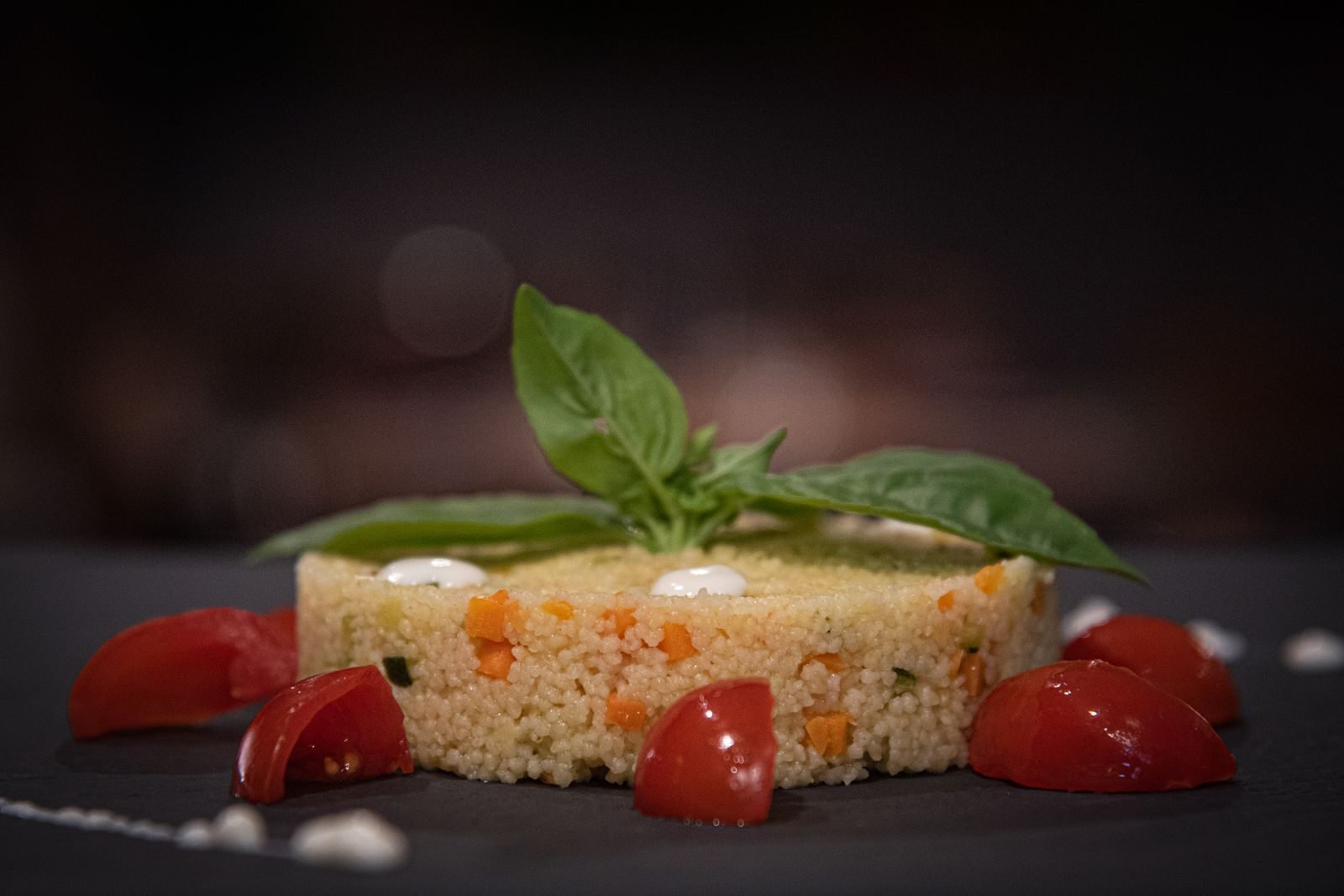
  • Revenue: Tomatoes in Brasa with Moroccan Cuscous, Buffalo Muzzarella and Parma Ham

    Revenue: Tomatoes in Brasa with Moroccan Cuscous, Buffalo Muzzarella and Parma Ham


    Income: 1 portion | Preparation time: about 25 minutes


    🛒 Ingredients

    Tomatoes in Brasa

    – 150 g cherry tomatoes

    – 8 ml olive oil

    – 2 g fresh thyme

    – 2 g of salt

    – 1 g minced pepper

    – 3 ml reduced tucupi

    Moroccan couscous

    – 50 g Moroccan couscous

    – 60 ml hot water (not boiling)

    – 20 g carrot cut into brunoise

    – 20 g of zucchini cut into brunoise

    – 15 g of toasted cashew nuts

    – 5 g of minced fresh parsley

    – 3 g fresh mint mint mint mint mint

    – 2 g of peppers cut into fine brunoise

    – 8 ml olive oil

    – 1 g of salt

    – 1 g of lemon shavings (without white)

    To finish

    – 80 g fresh buffalo mozzarella

    – 25 g of parma ham

    – Cumari pepper sauce drops


    👩‍🍳 Preparation Mode

    Tomatoes in Brasa

    4. Place the cherry tomatoes in a bowl, add the olive oil, thyme, salt and the pepper-of-the-kingdom, gently mixing to wrap them completely.

    5. Bring it to the coal or oven at high temperature until it is lightly toasted and concentrated.

    6. Still warm, finish watering with reduced tucupi and reserve.

    Moroccan couscous

    4. Place the couscous in a bowl, cover with hot water and let it moisturize for approximately 5 minutes. After that time, release the grains gently with a fork.

    5. In a frying pan, quickly skip the carrot and zucchini in brunoise to keep the texture firm.

    6. Add the vegetables to the already loose couscous, add the cashew nuts, parsley, mint, pepper, olive oil and lemon zest. Mix well and taste to adjust the salt if needed.

    Crunchy Parma Ham

    4. Lay out the ham slices over a baking machine lined with butter paper.

    5. Bring it to the oven at 170 °C for about 8 minutes until it is golden and crispy.

    6. Remove from the oven, let it cool completely and book.

    Assembly

    6. Place the couscous in the center of the plate forming the base.

    7. Distribute the roasted tomatoes over the couscous.

    8. Tear the buffalo mozzarella with your hands and spread over the ingredients.

    9. Finish with crispy parma ham chips and discreet cumari sauce drops.

    10. Serve immediately still warm.

  • Cooking and Gastronomy: Tastes That Feed the Soul

    Cooking and Gastronomy: Tastes That Feed the Soul

    Cooking is much more than just preparing food; it is a form of art, affection and health. In this guide, we explore practical recipes, ingredients benefits and the joy of cooking.

    Recipes and Tastes

    Frequently Asked Questions (FAQ)

    How to reuse food creatively? Recipes like rice fried are perfect for turning leftovers into main nutritious and tasty dishes.

    Cooking at home helps mental health? Yes, cooking is considered a therapeutic activity that stimulates creativity and focus at the present time.

  • Como o blues se tornou a raiz da música moderna

    Como o blues se tornou a raiz da música moderna

    Quando colocamos os fones de ouvido para escutar nossa playlist favorita, raramente pensamos na complexa árvore genealógica que deu origem àquelas canções. Do rock mais pesado ao pop de arena, passando pelo hip-hop e pelo R&B contemporâneo, quase toda a música que consumimos hoje partilha de um mesmo código genético. Essa raiz profunda e indestrutível atende pelo nome de blues, um gênero que nasceu do sofrimento e da opressão, mas que encontrou na beleza da melancolia uma força capaz de redefinir a cultura global. Entender o blues não é apenas estudar o passado, mas sim decifrar a alma de toda a música moderna.

    Como o lamento do Delta conquistou o mundo

    As origens do blues remontam ao final do século XIX, nas vastas plantações de algodão do Delta do Mississippi, no sul dos Estados Unidos. Nascido das canções de trabalho (work songs), dos clamores espirituais e dos lamentos dos afro-americanos escravizados e seus descendentes, o blues era, em sua essência, uma ferramenta de sobrevivência emocional. Com instrumentos improvisados ou violões baratos de cordas de aço, os primeiros "bluesmen" cantavam sobre a dor da injustiça, a solidão, a pobreza e os desamores cotidianos. Era uma música crua, visceral e extremamente pessoal, que funcionava como um desabafo diante de uma realidade brutal.

    Com a Grande Migração nas primeiras décadas do século XX, milhões de afro-americanos deixaram o sul rural em direção aos centros urbanos do norte, como Chicago e Detroit, em busca de melhores condições de vida e trabalho. Na bagagem, levaram o blues. Ao chegar às grandes metrópoles, o violão acústico já não era alto o suficiente para competir com o barulho das fábricas e das ruas movimentadas. Foi nesse cenário que o blues se eletrificou. Pioneiros como Muddy Waters e Howlin’ Wolf plugaram suas guitarras em amplificadores, adicionaram bateria e gaita, criando um som robusto, dançante e agressivo que ecoaria muito além das fronteiras americanas.

    Essa nova sonoridade urbana e eletrificada atravessou o Atlântico e desembarcou na Inglaterra pós-guerra, fascinando uma geração de jovens músicos britânicos. Nomes como Eric Clapton, The Rolling Stones e Led Zeppelin começaram suas carreiras tentando imitar os discos de blues que vinham de Chicago. Ao misturarem essa influência com a energia do rock que nascia na época, eles devolveram o blues ao mundo em uma escala colossal. O lamento que antes ecoava solitário nos campos do Mississippi havia se transformado na trilha sonora de uma revolução cultural global, provando que a dor de um povo era, na verdade, uma linguagem universal.

    O DNA do blues na música que você ouve hoje

    Para compreender como o blues se tornou a base da música moderna, basta olhar para a sua estrutura técnica e melódica. O formato clássico de doze compassos e a utilização das chamadas "blue notes" — notas tocadas ou cantadas em um tom ligeiramente mais baixo do que o esperado, criando uma tensão melancólica — são a fundação de quase tudo o que veio depois. Além disso, a dinâmica de "pergunta e resposta", herdada das tradições africanas e consolidada no blues, é a estrutura básica que rege os refrões e os arranjos da música pop atual. Quando um vocalista de R&B faz um improviso e os instrumentos respondem, ali está o blues vivo e pulsante.

    O rock ‘n’ roll, por exemplo, nada mais é do que o blues acelerado. Chuck Berry, Little Richard e Elvis Presley pegaram o ritmo sincopado do boogie-woogie (uma vertente do blues ao piano) e o eletrificaram para o público jovem. Décadas mais tarde, essa mesma árvore genealógica gerou o heavy metal, o punk e o grunge, estilos que herdaram do blues a distorção da guitarra, a atitude rebelde e a expressão de angústias existenciais. Até mesmo o jazz, que se desenvolveu paralelamente, bebeu diretamente da fonte do improviso e do sentimento que o blues carregava em cada nota.

    Até mesmo em gêneros aparentemente distantes, como o hip-hop e a música eletrônica, a presença do blues é inegável. O hip-hop herdou a tradição oral de contar histórias de superação e realidade social sobre uma batida marcada, além de utilizar constantemente samples de antigos discos de blues e soul. Na música pop contemporânea, a busca pela autenticidade emocional e pelo "groove" que faz o corpo se mover vem diretamente daquela simplicidade sofisticada criada no Delta do Mississippi. O blues não é apenas um estilo musical do passado; ele é o esqueleto invisível que sustenta a indústria fonográfica do presente.

    Em última análise, a trajetória do blues nos mostra que a grande arte frequentemente floresce nos terrenos mais áridos da experiência humana. O que começou como um grito de dor e resistência em condições desumanas acabou por se tornar a maior força criativa da história da música ocidental. Cada acorde distorcido, cada rima improvisada e cada batida que nos faz dançar hoje carrega um pedaço daquela história iniciada há mais de um século. O blues não morreu e nem ficou no passado; ele simplesmente se transformou, provando que, enquanto houver sentimentos para expressar, haverá blues tocando em algum lugar do mundo.


EnglishenEnglishEnglish