We grew up with the strange illusion that, at some point in adulthood, everything will fit in perfectly. We expect a clear script, a magic formula or at least a detailed instruction manual. But the truth is that life looks much more like a patchwork quilt sewn into the improvisation. In the midst of this daily chaos, maturity does not come with great mystical revelations, but with the silent acceptance of some fundamental truths that make the journey infinitely lighter.
The Disengagement of Control and the Illusion of the Perfect Scenario
The first great liberation happens when we finally decide to abandon the illusion that there is perfection. We spent years trying to shape impeccable careers, relationships without grooves and millimetrically calculated routines, just to find out that the beauty of life is precisely in what escapes the script.
When we stop demanding the impossible of ourselves, it is much easier to embrace the fact that not everything depends on you. There is tremendous strength in recognizing one's own limits and giving to chance what we cannot control. If the wind changes direction, the choice is not to stop the wind, but to adjust the candles.
In this process of releasing the reins, we also understand that human relations are dynamic. Accepting that people change — and that we too have changed — That's what keeps us from holding hurt for expectations that belong to the past. The paths cross, transform and sometimes distance themselves. And it's okay. New beginnings are part of life, and every blank page that opens up is just a new opportunity to rewrite our own history, without the weight of what is left behind.
Energy Filters: Time, Limits and the Value of Silence
As the years pass, our tolerance for unnecessary noise decreases dramatically. We begin to realize with surgical clarity that time is our most valuable resource — And the one thing we can't really recover or buy. With this subtle urgency knocking on the door, we learn to say no much more naturally.
Establishing barriers is not selfishness; understanding what limits are needed is, in fact, the greatest act of self-love that we can practice. It is this filter that protects us from wearing ourselves out in sterile debates and toxic dynamics. Along with the limits comes the liberating discernment that not every opinion matters. The internet court and other people's trials lose power when you take over the reins of your own narrative.
It is at this point in the walk that a golden key turns in our minds: the absolute certainty that peace is worth much more than reason. Discussing to prove a point almost always costs too much for our mental health. Letting others think what they want and choose silence is not cowardice, it is pure strategic wisdom.
Return to Essential and Time Rhythm
Finally, when all the dust from the big charges settles, the focus turns to what really sustains our existence in everyday life. We stopped seeking major pyrotechnic events to validate our existence and began to find true happiness in the little things: the smell of fresh coffee in the morning, an uncompromising conversation with those we love or the simple comfort of a weekend without compromises.
If tiredness hits and the fog of uncertainty covers the horizon, there is no need for despair. Anxiety loves to create catastrophic scenarios about tomorrow, but life itself takes care to calm the moods. Just take a deep breath and accept that some answers simply come with time. Not everything needs to be resolved today, not every doubt needs an end now. Sometimes the best thing to do is just keep walking and let time do what it knows best: heal, lighten and organize everything in its proper place.
Autor: reas63
-
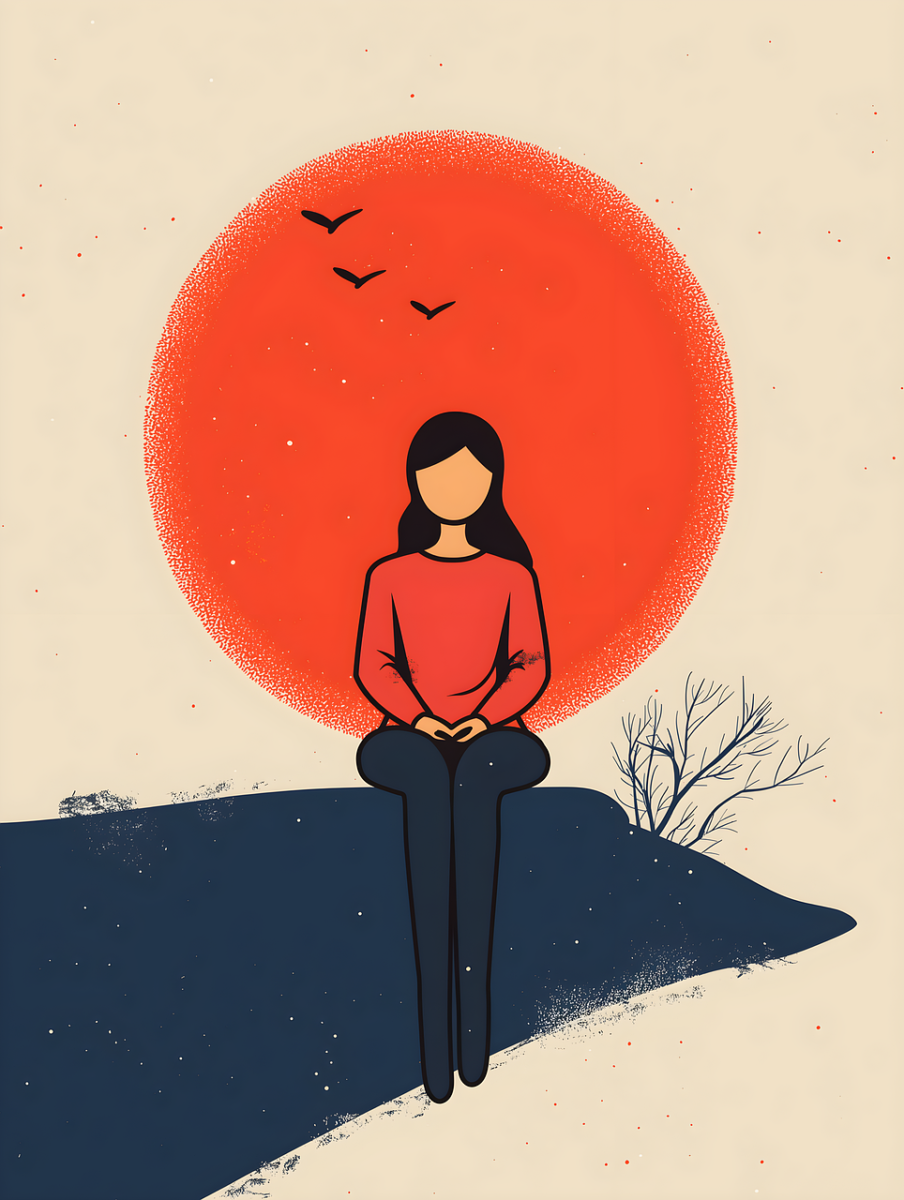
The Survival Manual No One Gives Us: Silent Truths to Live With Lighterness.
-

The Awakening of Lost Time
How the awareness of our finitude rescues the urgency of living in the present and rebuilds the meaning of our day.
We truly awaken to life at the very moment when we understand, with almost painful clarity, that lost time can never be recovered. It's an invisible breath that pushes us forward. However, most of us spend years in a row postponing crucial decisions, engaging deep dreams and ignoring the rapid and silent passage of hours. True awakening is not an abstract intellectual event; it occurs in the flesh, when we realize that the days accumulated in the past do not return, demanding of us an urgent appreciation of the brevity of now.
When we allow our attention to be consumed entirely by everyday distractions and empty concerns that saturate the modern world, we silently neglect our own existence. The price of this inattention is high: a painful late repentance about the real finitude of our human journey. Sudden awareness of wasted years generates a profound emotional impact, capable of reorganizing our internal priorities. This perception acts as an electric shock, a strong warning to abandon anesthetic procrastination and focus solely on what really matters: living the present with clarity.
"Closing the cycle of eternal postponement demands confronting, first of all, the sweet illusion that we will have infinite time available."
The Gear of Postponing and Awakened Consciousness
Many of us live immersed in automatic routines, accepting some kind of existential sleepwalking. Under this state of numbness, we indefinitely postpone our most valuable relationships, the most cherished personal projects and the words that should be said today. This lack of conscious attention undermines our future in a cruel way, ensuring that the weight of temporal waste is only felt when we are already facing inevitable repentance.
When we finally accept the irreversible reality of the past days, we manage to gather the necessary forces to act with determination, transforming old and vague intentions into real attitudes of immediate change. It is this profound turn of mind that removes remorse and brings invigorating clarity to everyday life. Instead of passively lamenting the opportunities lost in the fog of the past, the focus of the individual moves energetically to the construction of an active and intentional present.
The Pillars of a Balanced Existence
The search for a truly integrated and balanced life requires a continuous exercise of self-examination. Evaluating where we place our daily focus helps us filter out noise, eliminate sterile distractions, and direct our vital energy to purposes that bring real personal meaning. Each daily decision, however minor, acts directly in the molding of our destiny. By wisely selecting the human connections and projects we choose to cultivate, we avoid the accumulation of frustrations and ensure that the coming years are fully enjoyed.
This practical transition that the new mental posture imposes in our routine is structured into three major complementary movements:
Absolute Presence in Now: The immediate increase in focus at the present time. The mind ceases to oscillate between the melancholy of the past and anxiety for the future, anchored in the only concrete reality available.
Surfluous Abandonment: The complete disposal of superficial concerns and irrelevant modern noises. There is room for the cultivation of authentic, deep and lasting relationships.
Curated Energy and Focus: Daily and conscious assessment of where we deposit our vital energy. The choices come to be governed by a mental lucidity that prioritizes internal growth and real bonds.
The old philosophical reflections therefore invite us to resume the reins of our destiny with full responsibility. Valuing the present ceases to be a mere cliché or a distant theoretical concept to consolidate itself as an indispensable daily practice. In facing our own finitude, we do not find despair, but absolute freedom to make every second of our brief and beautiful existence truly worthwhile. -
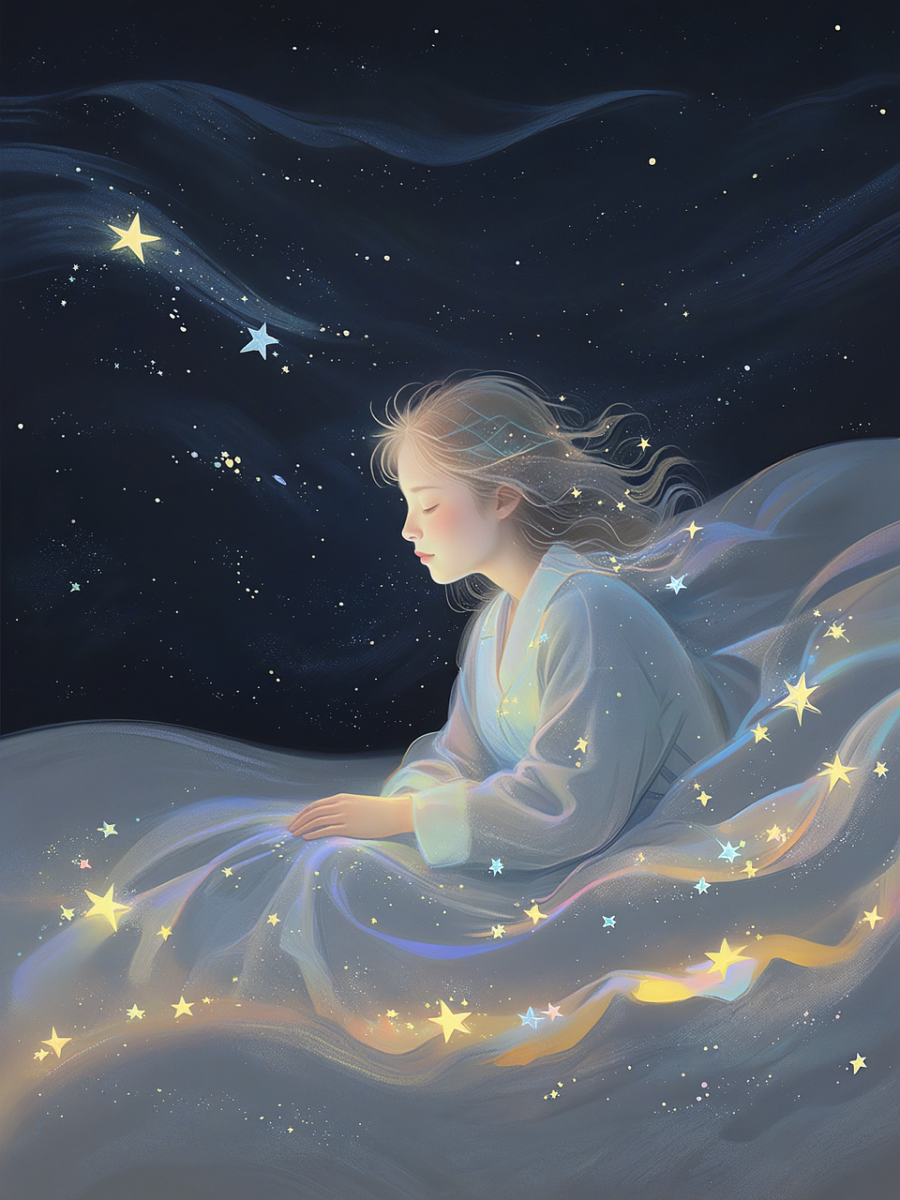
The importance of financial planning for the tranquility of life.
Financial planning is not just a way to control spending: it is the basis for building a life with security and tranquility. Many people live without knowing exactly how much they earn or how much they spend, and end up being surprised by debts or losing opportunities to realize dreams. Organizing finances means looking at your income, separating what is essential spent from what is superfluous and setting clear goals — whether to pay off debts, travel, buy a house or secure retirement. When we have a plan, we stop reacting only to emergencies and start making conscious decisions, avoiding the stress caused by the lack of money and paving the way for a more balanced life. -

Financial education: an inheritance for life.
Financial education is one of the most powerful tools we can have, because it changes the way we see and use money. It is not about becoming an expert in economics or finance, but about learning enough to make decisions with security and independence. The more you study about it, the less vulnerable it is to scams, bad advice or impulsive choices. In addition, this knowledge can be shared with family and friends, creating a cycle of awareness and care about finances. Learning to deal with money is a life lesson — and an investment that brings returns forever. -
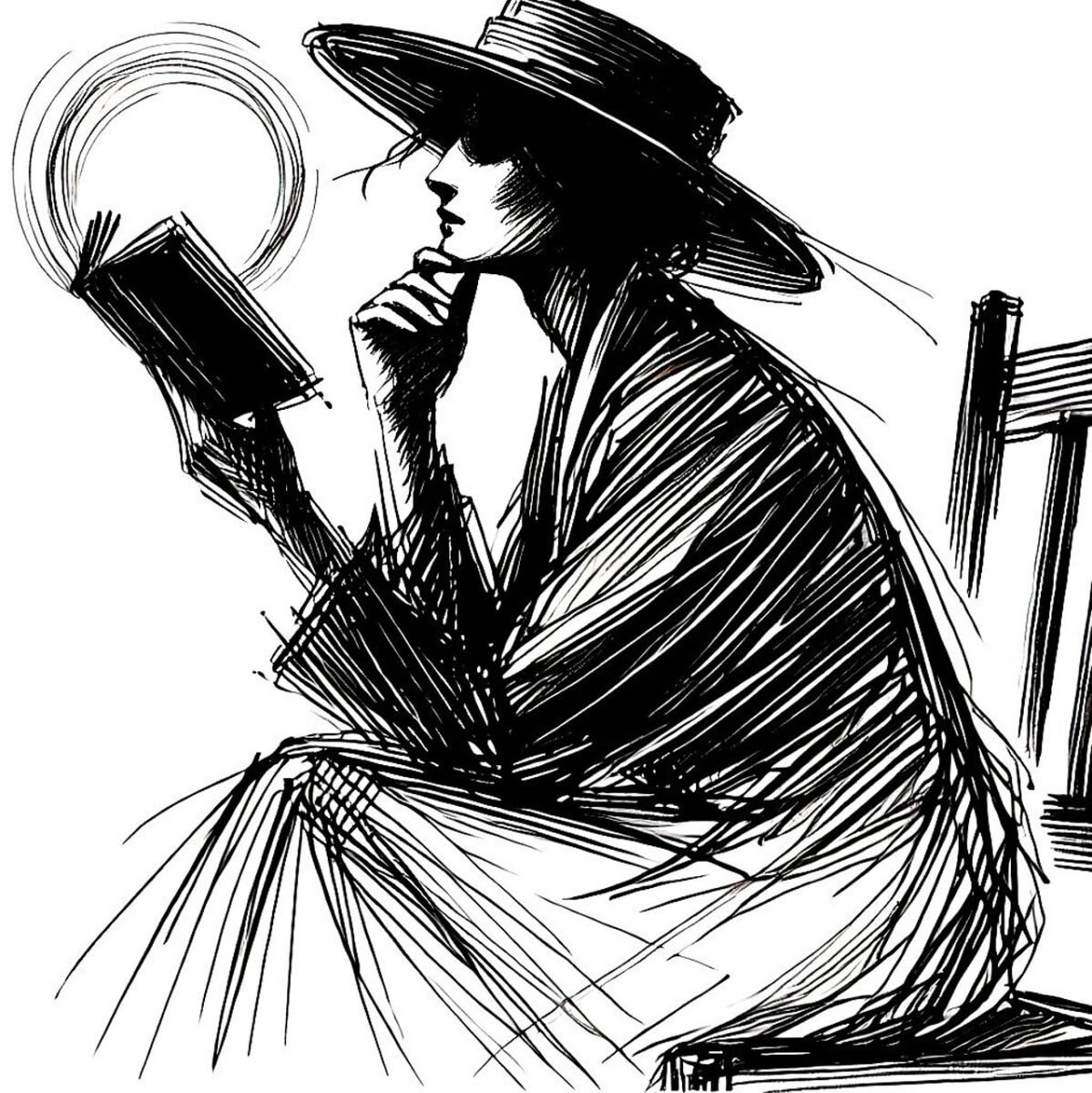
The verse book that returned meaning to your journey
Carlos was 62 years old and a feeling that he could not find a name: after he retired, and with his wife, Maria, leaving for a disease that took little time, he felt that his life had broken down like an old role. The days all looked the same, a heavy silence lived in the corners of the house and the thoughts came to the mountains, confused, unordered, like dried leaves carried by the wind. He'd wake up, make up the bed, make coffee, look out the window and wonder, what's the point of all this, if there's no one else waiting for me? No account, no logic, no practical explanation could answer that question. The world seemed like a cold, meaningless place.
One day, when he got a forgotten drawer, he found a darkcover notebook that had been Maria’s. Expected recipes or household notes — But when he opened it, he discovered verses. She had been writing for years, never telling him: she spoke of the wind in the window, of the beauty of a shared coffee, of the longing I had imagined feeling, of the certainty that life, even with its pains, was worth living. As he read those words, Carlos felt something strange and soft happen within himself: suddenly, that pain that seemed formless, nameless and endless, gained voice. The chaos of your feelings began to organize. He was no longer alone in that sense of loss. — someone he loved had experienced similar concerns, and had managed to transform pain into something beautiful, that could be touched and read.
Gradually he began reading more: poems by Carlos Drummond de Andrade, by Cecília Meireles, by Manuel Bandeira — voices of our land, who spoke with their tongue, with their way of seeing the world. And poetry was doing its job, slowly, without hurry. Reading verses that described loneliness or the passage of time, he realized that he was not the only one to feel it: his personal pain became part of a larger story, an experience common to all human beings, and this brought a profound, almost liberating relief. By putting himself in the place of the poets, by feeling what they said, he began to look more carefully at the people around — for the neighbor who walked low, for the market attendant who smiled with effort — and understood that each one carried his own pains and desires, even if they did not say them. His ability to understand the other grew, without him realizing it: empathy became part of his daily life.
When the thoughts came confused and agitated, a certain verse brought clarity, as if a light lit up within it. And gradually, he was gaining strength to follow: he realized that loss does not erase what he lived, that longing is also a form of love, and that uncertainty is part of the way. Poetry has given him resilience: it has shown that generations have experienced difficulties like his own, and have managed to transform suffering into beauty and reflection.
Carlos reads a poem every morning today. He no longer pursues a grand sense or definite answers. He learned, with lyrical sensitivity, that the fullness of life is not in how much we conquer or how much we hurry, but in the intensity with which we live every small moment: the sun that enters through the window, the taste of coffee, the gentle memory of those we love. He found that poetry doesn't give all the answers — but it teaches us to see, feel and value our brief and precious passage through the world. And that, after all, is all we need to walk.
-
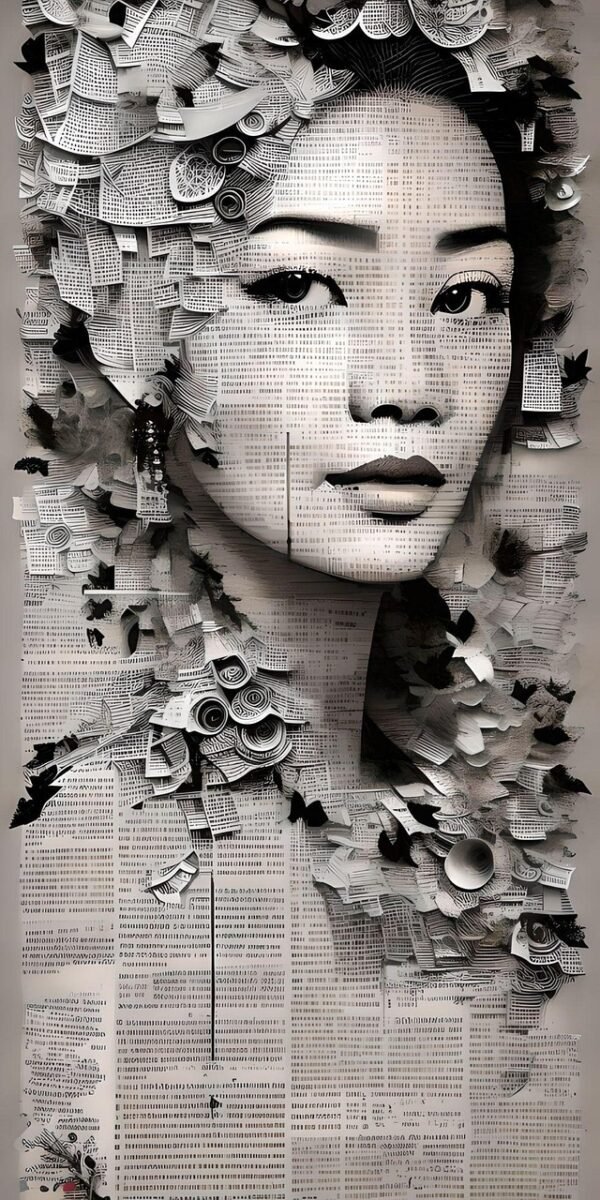
Poetry: The Art That Gives Sense to Our World Pass.
Living is, first of all, an experience full of mysteries, contradictions and questions that rarely find definitive answers. In the midst of the daily rush, among worries, passing joys and pains that seem to have no name, we often feel that our thoughts are scattered, like leaves carried by the wind. It is in this scenario that poetry appears as one of humanity's deepest and most necessary creations: a delicate but firm bridge that connects us to ourselves and to the world that surrounds us.
The poetic creation functions as a special tool of mediation between the individual and the whole complexity of existence. By choosing each word carefully, by giving rhythm and form to what before was just a vague feeling or a whirlwind of confused ideas, the poet manages to do something extraordinary: he orders the chaos that exists within each of us. It gives visible form to what is abstract, voice to what was silent and felt to what seemed unexplained. This organization is not just an aesthetic exercise — It brings a deep, almost liberating relief. The small and great pains of everyday life cease to be isolated sufferings and gain the dimension of shared reflection, transforming personal experiences into something that belongs to everyone. Poetry thus becomes a mirror in which we recognize our own search, our fears and our deepest desires.
And its benefits go far beyond the simple pleasure of reading or hearing beautiful verses. As we approach lyrical art, we undergo transformations that touch the most intimate of our being. By putting us in the place of those who wrote, or by feeling what a verse awakens in us, we naturally develop a greater capacity to understand the pains, desires and motivations of others. — our empathy expands, and we realize that despite the differences, we share the same human essence. When we find in a poem words for what we feel but cannot say, our thoughts are organized, ideas are clarified and confusion gives room for a sense of peace and clarity. And, above all, poetry helps us build resilience: by seeing that feelings such as loss, longing or uncertainty have been lived and transformed into beauty by so many people before us, we gain strength to face the losses and challenges that are inevitable part of our journey.
The sensitivity that poetry awakens in us also brings a precious lesson: it shows us that the fullness of a life is not measured by how much we conquer or run, but by the intensity with which we live each present moment. In a world that always pushes us into the future, that makes us chase after what we do not yet have and forget what is before us, lyrical art teaches us to stop, observe and feel. When we opened up to her — especially for the richness of our brazilian literature, which portrays with such truth our way of being — we realize how poetry can capture, with a precision that reason sometimes does not reach, the essence of our brief, but precious, passage through the world. -
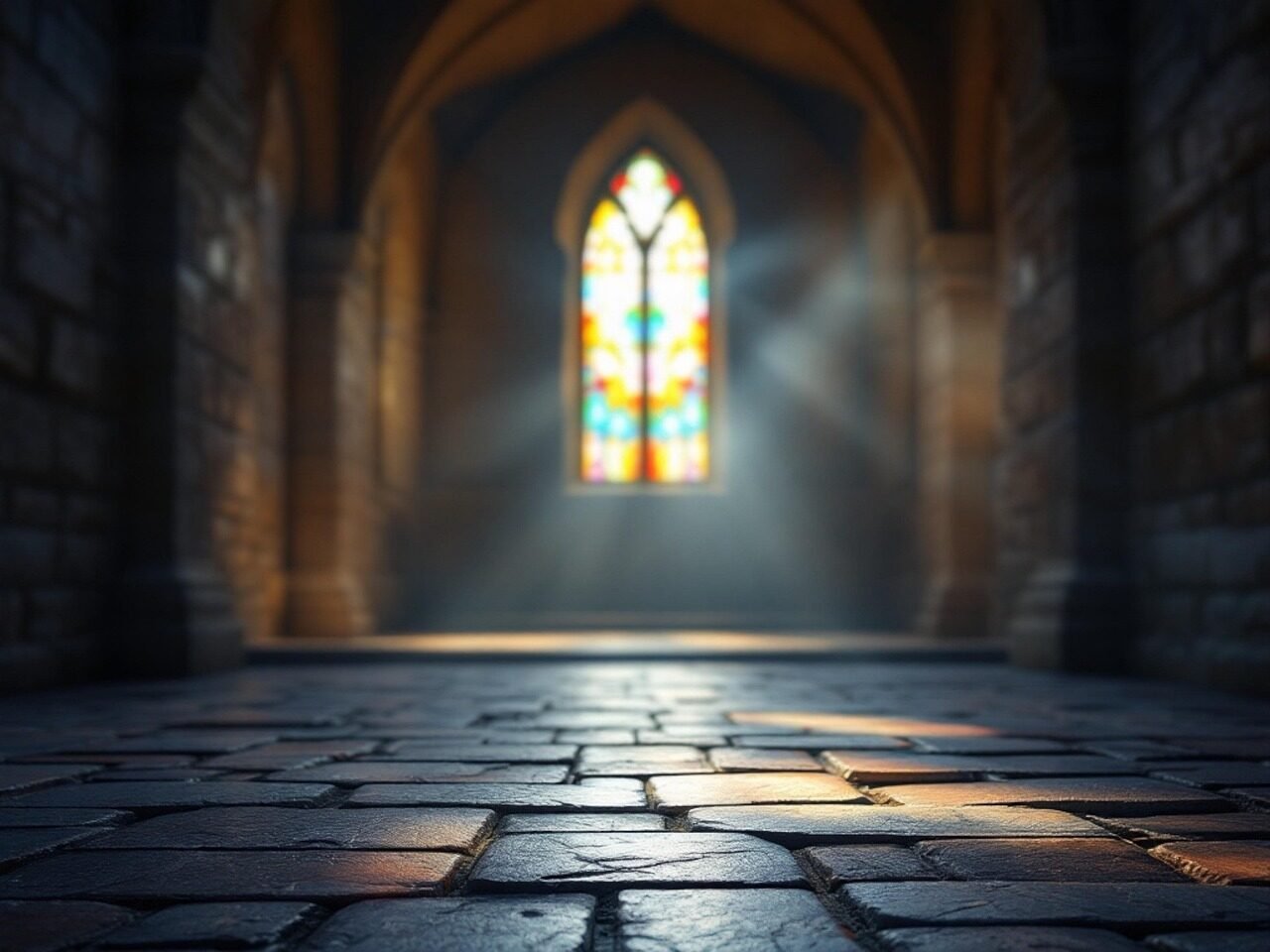
Cathedrals of Light and Silicon: The Rise of Cyberspirituality in the Metaverse.
The silence preceding prayer has always had a physical texture. Historically, he leaned on the echo of the stone cathedrals, the aroma of incense burning slowly or the soft touch of beads between his fingers. Today, for a growing number of faithful, this same silence manifests itself in the slight buzz of a pair of virtual reality glasses and in the soft glow of an LCD screen that lights up before the eyes. The search for the sacred, far from being intimidated by the coldness of the programming codes, found in the metaverse a new and unexpected territory of expansion. It is the birth of cyberspirituality, a phenomenon that challenges our old boundaries between body, soul and pixel.
Entering a virtual temple is an experience that subverts the logic of traditional geometric space. A floating avatar can kneel before a three-dimensional digital altar, while the actual user is sitting in the armchair of his living room, thousands of miles away. Christian, Buddhist, Islamic and Neopagan communities have built true architectural masterpieces in digital space, where the laws of physics do not apply. In these places, gravity is optional, but communion is real. Virtual pastors preach to congregations of anthropomorphic avatars, while monks conduct collective meditations in digital Zen gardens that float over neon clouds. Faith, which always depended on symbols to become visible, found in the metaverse the definitive tool of visual representation.
This transition, however, does not occur without deep theological frictions. After all, how to adapt millennial rituals that intrinsically depend on the physical body? The consecrated host, the ablution with purifying water or the embrace of collective peace are tactile manifestations of belonging. In cyberspirituality, religions are forced to translate physical into symbolic in creative ways. The sharing of bread becomes an act of mutual intent; the imposition of hands becomes the alignment of two beams of digitized light. What at first may seem like an artificial simulation gains, for those who experience, a surprising emotional authenticity. For the human mind, the social presence and sensory immersion created by cutting-edge technology are capable of generating neurological responses of peace and reverence very similar to those of a brick temple.
Behind the dogmatic debates is a powerful humanitarian factor that drives this spiritual migration. For individuals suffering from social isolation, people with severely reduced mobility or those living under regimes where their beliefs are persecuted, the metaverse offers an unprecedented sanctuary of security and inclusion. Under the anonymity of an avatar, a young man can exploit his faith without fear of geographical or family judgment. Virtual space democratizes access to belonging, creating a global support network where physical distance ceases to be a barrier to mutual consolation.
It is evident that the metaverse will not replace the ancestral need for the encounter of flesh and bone, shared breathing, and the human warmth of a physical community. However, cyberspirituality reminds us that the sacred was never static. Just as the Gutenberg press transformed the reading of the scriptures and the radio brought the preaching into the homes in the last century, the immersive technologies are just the new language of a human search that never ceases. By building churches and temples of silicon, humanity proves, once again, that no matter how technological our reality is: we will always find a way to find room for mystery and transcendence. -
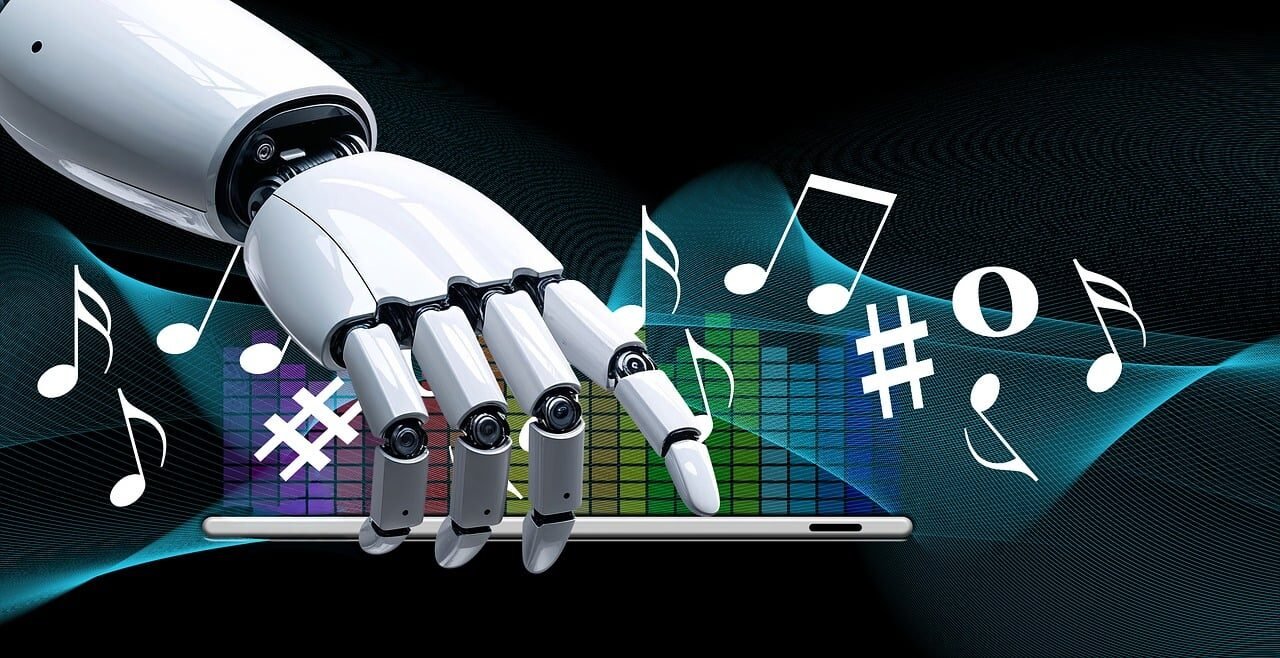
The Dictatorship of Algorithm: How Ready Playlists Mold Our Ears and Silence the Independents.
Imagine entering a coffee shop where the waiter, even before you open your mouth, already serves exactly your favorite coffee, at the perfect temperature. Comfortable, huh? Now imagine that this same waiter decides that from today, you only have the right to take infinite variations of that same grain, preventing you from knowing the taste of an exotic tea or a handmade blend from across the world. That's exactly what's happening to our relationship with music.
Today, the new generation no longer consumes albums; it consumes vibes. If you are sad, there is a soundtrack to cry in the room; if you are going to train, there is a rhythm millimetrically accelerated for your beats. At the heart of this invisible curatorship are the recommending algorithms of large streaming platforms. They decode our listening habits, map our seconds of attention, and subtly shape what we call "personal taste." The great irony of the era of musical abundance is that, with millions of songs just a click away, our auditory horizons seem to be narrowing into an ultra-personalized mesmice bubble.
This convenience has a high price, paid mainly by those at the bottom of the creative pyramid: independent artists. In the old days, the road to success passed through fanzines, community radios, basement shows and the classic mouth-to-mouth. There was a chaotic, unpredictable human factor in discovery. Today, for an independent artist to exist on the general public's radar, he must first decipher the enigma of the algorithm.
The challenge is Herculean. To be recommended, musicians are subtly pressured to conform to the rules of the digital game. This means creating songs with very short introductions to avoid skip in the first five seconds — a fatal metric that tells the system that the track "is not good" —, repetitive choruses that work well on dance videos and a production that fits perfectly into playlists of "background music". Art, before free to experience and miss, becomes cut not to disturb the ear of the middle listener. The sound of garage, experimentalism and artistic dissent struggle to breathe in an ecosystem that privileges homogeneity.
For the new talents who refuse to enter this assembly line, the feeling is to scream in the space vacuum. Without the initial push of editorial playlists or the favor of platform search engines, the work of months of composition runs the risk of accumulating only a few dozen reproductions. The algorithm creates a feedback cycle where what is already popular becomes even more giant, while the new and the different remain invisible.
However, not everything is dystopia. This algorithmic pressure has also caused a healthy resistance reaction. Attentive artists and listeners begin to rescue the value of human healing. The search for specialized newsletters, channels of content creators that prospect relics outside the commercial circuit and the return of physical media such as vinyl and cassette tape, which require active and ritualistic listening, is growing.
Music has always been a tool of human connection, rebellion and discovery. So that it doesn't just turn into a background noise designed to keep our brains anesthetized, we need to re-educate our curiosity. Drilling the algorithm bubble and actively seeking the unknown is not just supporting the artist independent of his city; it is an act of preserving our own sensitivity and cultural wealth that defines us.