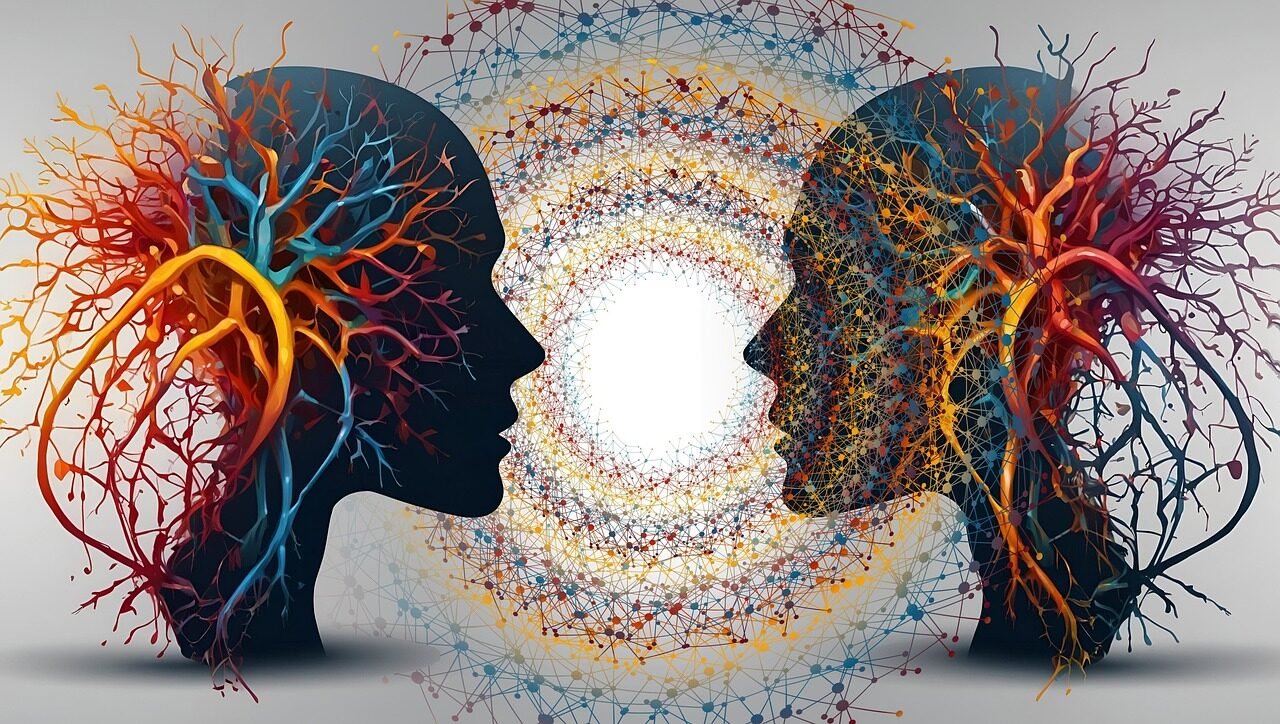

Web 3.0 represents a paradigm shift in internet architecture, moving from the centralization of large platforms to blockchain-based decentralization. Philosophically, this evolution promises to restore data sovereignty to users, eliminating intermediaries and creating a more democratic and transparent network. The challenge of Web 3.0 is to transform this technical promise into an accessible social reality, where trust does not depend on corporations, but on mathematical protocols and collective consensus.
Poetically, Web 3.0 is the search for an Internet without owners, a digital territory where each individual is an architect of his own destiny. It is the reconstruction of the digital public square, where voices cannot be silenced by proprietary algorithms. This new web is like a shared garden, where every seed of information belongs to whoever planted it. It is the dream of connectivity that frees us from the chains of commercial surveillance, allowing creativity and exchange to flourish in a soil of radical transparency and autonomy.
Informatively, Web 3.0 uses technologies such as smart contracts, DAOs (Decentralized Autonomous Organizations) and advanced encryption to ensure the integrity and ownership of digital assets. While offering solutions to censorship and monopoly problems, its implementation faces barriers of scalability, usability and regulation. At BioBit.online, we explore how these technologies are redefining the digital economy and how users can prepare for an internet where decentralization is the foundation of a new global citizenship.
Web 3.0 is not just a technical update, but a revolution in how we organize and interact digitally. The future of the web is decentralized, and its construction depends on our ability to imagine new forms of cooperation.