
🐾
Cada resgate, tratamento veterinário e refeição só são possíveis graças à generosidade de quem se importa. Muitas vezes, os custos com castrações, vacinas, exames e internações de emergência superam os recursos disponíveis, e a ajuda financeira direta é o meio mais rápido e eficaz de garantir o atendimento necessário aos animais de rua.
Como contribuir:
Você pode fazer a sua doação de forma simples e rápida utilizando as chaves abaixo:
Pix: reas63@hotmail.com
PayPal: reas63@hotmail.com
Sua colaboração garante alimento, medicação e um recomeço digno para quem só tem amor para dar.
Qualquer valor faz uma enorme diferença na vida de um pet resgatado. Muito obrigado por apoiar essa causa!
Tag: #Integridade
-

Apoie a Causa Animal: Sua Doação em Dinheiro Salva Vidas!
-
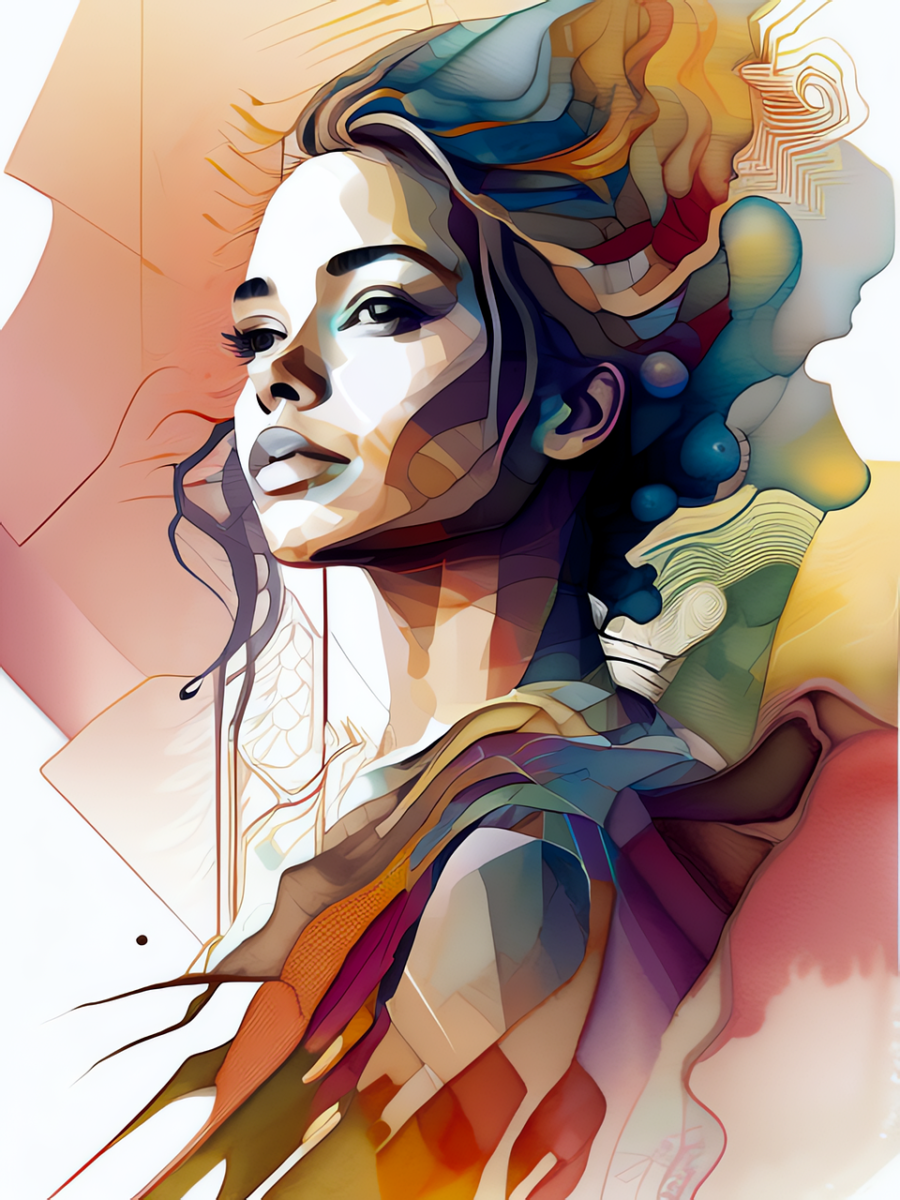
A Arte de Habitar a Própria Pele: Por que o Tempo Não Espera Nossas Desculpas.
Existe uma linha invisível, mas profundamente dolorosa, entre a segurança de um caminho previsível e o peso de uma vida que não nos pertence. Costumamos tratar o tempo como uma moeda infinita, uma poupança que podemos gastar agradando a terceiros, adiando para uma segunda-feira distante os nossos desejos mais legítimos. No entanto, a finitude é implacável. Quando percebemos que o tempo é o recurso mais escasso que possuímos, a ideia de desperdiçá-lo vivendo as expectativas de outra pessoa deixa de ser apenas um erro estratégico e passa a ser uma forma silenciosa de negligência com a própria existência.
Viver sob a cartilha alheia costuma vir fantasiado de prudência. É a carreira que traz orgulho à família, o estilo de vida que arranca aplausos nas redes sociais ou a repetição automática de decisões consideradas corretas por todos à nossa volta — menos por quem, de fato, terá de sustentá-las no dia a dia. Esse processo de anulação raramente acontece por meio de uma imposição autoritária; ele se instala na repetição silenciosa de pequenos silenciamentos diários. De concessão em concessão, para preservar a aprovação, o status ou uma imagem vazia de sucesso, acabamos por construir uma fachada impecável, mas sem nenhum morador dentro.
Trilhar um caminho autêntico, contudo, não exige uma ruptura dramática com o mundo ou uma rebeldia sem causa. Nem toda influência externa é nociva. Conselhos sábios, tradições sólidas e bons exemplos são fundamentais para amadurecer nossas escolhas. O perigo real não está em ouvir o outro, mas em abandonar sistematicamente os próprios valores em troca de uma aceitação temporária. A verdadeira autenticidade requer a coragem de examinar o coração e a intuição com extrema responsabilidade, distinguindo o que é um desejo consistente daquilo que é apenas uma reação passageira ou um capricho. É um convite para olhar para dentro e investigar a própria insatisfação antes que ela se cristalize em décadas de ressentimento.
Para iniciar esse movimento de retorno a si mesmo, vale a pena confrontar o espelho com perguntas honestas, mas sem a urgência de respostas prontas. É preciso questionar se as escolhas de hoje ainda correspondem aos valores atuais, ou se estamos apenas mantendo um personagem por força do hábito. Cabe refletir se continuaríamos no mesmo rumo caso a aprovação externa desaparecesse de repente, ou se o medo que sentimos diante da mudança indica um perigo real ou apenas o desconforto natural de pisar em solo desconhecido. Muitas vezes, a resposta não está em um salto no abismo, mas em pequenas experiências práticas: um estudo paralelo, um limite estabelecido sem alarde ou uma conversa honesta que permita testar uma nova direção com os pés no chão.
Essa mudança de postura raramente é compreendida de imediato pelas pessoas ao redor, e está tudo bem. A busca por autonomia costuma começar de forma discreta, longe dos holofotes, na intimidade das nossas decisões diárias. O alerta de que a nossa existência é finita não deve carregar o peso da culpa pelo que passou, mas sim devolver a dignidade e a importância ao momento presente. Diante da finitude do tempo, o ruído das cobranças sociais perde o volume e o tamanho. O que realmente sobra é a pergunta sobre o uso que faremos do hoje. Ao aceitarmos o limite dos nossos dias, ironicamente, reduzimos a pressa de provar nosso valor para o mundo. Ganhamos, enfim, a calma necessária para escolher compromissos que merecem nossa energia e a sabedoria para abandonar as disputas que só servem para nos afastar de quem realmente somos. -

A Lente Invisível: Por Que Nossas Maiores Descobertas Acontecem do Lado de Dentro.
Costumamos cruzar oceanos, acumular carimbos no passaporte e perseguir horizontes distantes na esperança de que uma mudança geográfica cure o tédio ou a inquietação da alma. No entanto, o verdadeiro movimento de transformação raramente exige uma mala de viagem. A grande travessia humana não consiste em acumular novas paisagens sob os pés, mas em permitir que a nossa própria visão sofra uma metamorfose. É sobre aprender a enxergar com novos olhos. Quando mudamos a lente pela qual filtramos o mundo, a sala de estar mais familiar ou a rotina mais pacata ganham contornos de território inexplorado.
Essa lente, contudo, é moldada pelo que carregamos no peito — especialmente pelas nossas memórias, que são tudo menos arquivos estáticos e poeirentos de um computador. Lembrar do passado não é resgatar uma fita gravada exatamente como as coisas aconteceram; é, na verdade, um ato contínuo de recriação. Nós reescrevemos nossa própria história a cada recordação, colorindo o ontem com as tintas do que somos hoje. É por isso que os únicos paraísos verdadeiros são aqueles que já perdemos. A perda envolve o passado em uma névoa de nostalgia que a realidade bruta jamais conseguiria sustentar, transformando a ausência em uma beleza intocável e idealizada.
Essa busca incessante pelo que não está ao nosso alcance estende-se, inevitavelmente, às nossas relações. Há uma incômoda e fascinante verdade no fato de que só amamos plenamente aquilo que não possuímos por inteiro. No instante em que acreditamos ter decifrado e dominado completamente o outro, o mistério se esvai e o desejo tende a adormecer. O amor se alimenta do espaço entre nós, da eterna tentativa de compreender um território que insiste em permanecer parcialmente selvagem e misterioso.
E se a busca pelo outro é complexa, a busca por si mesmo passa por caminhos ainda mais sinuosos, muitas vezes pavimentados pela dor. Ninguém sai ileso da existência, e a tentativa de blindar o coração contra o sofrimento é um esforço inútil. Só somos curados de uma dor depois de termos tido a coragem de experimentá-la por inteiro. Embora a felicidade seja excelente para o corpo, mantendo-nos leves e vibrantes, é a tristeza que silenciosamente expande as fronteiras do nosso espírito. É no recolhimento do pesar que somos forçados a amadurecer, a questionar certezas e a reconstruir nossas estruturas internas.
Nessa jornada de autodescoberta, a arte e a literatura surgem como portais sagrados. Abrir um livro é colocar o pé no limiar da vida espiritual; a leitura nos convida a entrar em mundos desconhecidos, mas ela, por si só, não constitui a nossa espiritualidade. Ela é o mapa, não o território. O verdadeiro livro, aquele capaz de mudar o curso de uma vida, já existe escrito de forma latente dentro de cada um de nós. O escritor externo funciona apenas como um tradutor de sentimentos que nós já possuíamos, mas ainda não sabíamos como nomear.
Para quem se aventura a criar, seja escrevendo ou moldando a própria vida, há uma diferença brutal de postura. Aquele que se limita a ser um mero observador passivo da realidade opera em um nível muito inferior àquele que decide, de fato, criar. Observar é registrar o que já existe; criar é dar alma, profundidade e significado ao caos do mundo. No fim das contas, viver plenamente não é assistir à própria existência passar pela janela, mas sim assumir o papel de criador da sua própria narrativa, usando cada perda, cada lampejo de amor e cada nova perspectiva para esculpir uma vida verdadeiramente consciente. -

A Arte de Desarmar o Passado: Como Curar Sem Precisar Esquecer.
Existe um mito silencioso e quase cruel que ronda a nossa busca pelo bem-estar emocional: a ideia de que, para estarmos bem, precisamos esquecer o que nos feriu. Cobramo-nos uma espécie de amnésia seletiva, como se a superação de uma dor dependesse da nossa capacidade de deletar capítulos inteiros da nossa própria história. No entanto, quando tentamos forçar esse esquecimento, o que costuma surgir não é o alívio, mas uma cobrança pesada, acompanhada por um sentimento de frustração e fracasso.
A verdade por trás da psicologia e da experiência humana aponta para um caminho muito mais acolhedor. Curar não significa apagar o passado, mas sim recuperar a liberdade para viver o presente sem que as dores antigas continuem ditando as regras do jogo.
O corpo fala o que a memória tenta calar
Nossa trajetória é feita de marcas. Algumas trazem o calor das boas lembranças; outras deixam cicatrizes profundas. Quando passamos por experiências traumáticas ou excessivamente difíceis, essas vivências não se limitam a ficar guardadas em uma gaveta mental. Elas se instalam no corpo, alteram nosso sistema nervoso e moldam a forma como reagimos ao mundo.
No cotidiano, esse “passado ativo” se manifesta de formas sutis, mas persistentes:
Aquele aperto inexplicável no peito diante de uma situação nova;
A barreira quase instintiva que levantamos quando alguém tenta se aproximar;
Uma reação desproporcionalmente intensa a um comentário bobo ou a sensação constante de que o perigo está logo ali na esquina.
Esses comportamentos não são defeitos de fabricação. São mecanismos de defesa de um organismo que aprendeu a sobreviver, mas que continua operando em estado de alerta. Por isso, o simplista conselho de “apenas seguir em frente” costuma falhar. Não se trata de falta de força de vontade; trata-se de uma bagagem emocional que ainda precisa ser desarmada e compreendida, e não apenas ignorada.
O mito da folha em branco e a armadilha da culpa
A busca obstinada por uma “folha em branco” gera uma culpa invisível. Muitas pessoas sofrem duas vezes: a primeira pela dor original, e a segunda por se sentirem incapazes de esquecê-la. Compreender que a nossa história é cumulativa nos liberta desse fardo. Nós somos, inevitavelmente, a soma de tudo o que vivemos.
A verdadeira saúde emocional não exige que cortemos pedaços de nós mesmos. O caminho mais saudável e sustentável passa por aprender a conviver com a própria história. Quando olhamos para trás e conseguimos encarar nossos episódios mais difíceis sem que eles desencadeiem a mesma tempestade interna de antes, percebemos que o processo de cura está acontecendo. O fato perde o poder de nos definir.
Curar-se é conseguir olhar para a própria cicatriz e lembrar do que aconteceu, sem precisar reviver a dor do corte.
Devolvendo o comando ao presente
O processo terapêutico e o caminho do autoconhecimento não são lineares. Haverá dias de clareza e dias em que as sombras parecerão mais densas. E está tudo bem. O objetivo final nunca foi a perfeição ou a imunidade à dor, mas sim a conquista da autonomia.
Ao acolhermos nossas vulnerabilidades e buscarmos o suporte adequado, começamos a reconstruir nossa sensação de segurança interna. Aprendemos a identificar nossos gatilhos e, aos poucos, criamos um espaço entre o estímulo do passado e a nossa resposta no presente. É nesse espaço que reside a nossa liberdade.
No fim das contas, a cura não altera os fatos que aconteceram lá atrás, mas altera drasticamente o peso que eles têm hoje. Ela permite que o passado finalmente ocupe o seu devido lugar: o de uma lembrança que faz parte de quem somos, e não o de comandante da nossa vida. -

O Músculo Mais Forte da Alma: Por Que Curvar-se Para Ajudar é o Verdadeiro Exercício de Força.
Existe uma sabedoria silenciosa que desafia a nossa obsessão moderna pela força individual, pelas conquistas solitárias e pela busca incansável por um topo onde, frequentemente, nos encontramos isolados. Costumamos associar a palavra “fortalecimento” ao esforço físico, à resistência muscular ou à blindagem emocional que nos protege do mundo exterior. No entanto, o exercício mais vigoroso e transformador que o coração humano pode realizar não exige pesos, aparelhos ou competições. Ele acontece no movimento sutil e profundamente corajoso de curvar-se para estender a mão a quem está caído.
Esse gesto de inclinar-se em direção ao outro não tem relação com a fraqueza; pelo contrário, ele é a expressão máxima da força interior. Curvar-se, no sentido mais nobre da metáfora, exige que abandonemos qualquer pedestal de superioridade ou indiferença. Significa olhar nos olhos de quem atravessa um momento de vulnerabilidade, não de cima para baixo com um olhar de pena, mas de igual para igual, reconhecendo a dignidade intrínseca daquela pessoa. É compreender que a queda do outro é humana e que a nossa estabilidade no presente é apenas temporária.
Ao nos abaixarmos para levantar alguém, ativamos uma engrenagem invisível que molda o nosso caráter. Esse exercício diário desenvolve a empatia — aquela capacidade rara de sintonizar com a dor alheia sem pressa —, a paciência para simplesmente ouvir sem julgar e a coragem moral de agir, mesmo quando o fluxo do mundo nos empurra para seguir adiante e ignorar o que acontece ao lado. O coração se fortalece justamente nesse treino, expandindo sua capacidade de sentir e de se importar em uma sociedade que tantas vezes valoriza a anestesia emocional.
A beleza desse movimento é que ele se traduz em atitudes extraordinariamente simples e desprovidas de espetáculo. Não se trata de buscar o reconhecimento público ou transformar o sofrimento alheio em um palco para a auto-exaltação. A verdadeira solidariedade se manifesta no silêncio de uma escuta atenta a um amigo que está sobrecarregado, no tempo dedicado a acompanhar um familiar em uma consulta difícil ou na delicadeza de respeitar o silêncio de quem ainda não consegue verbalizar a própria dor. São essas pequenas âncoras de presença e acompanhamento que seguram o mundo de alguém quando tudo ao redor parece desmoronar.
No fim das contas, a grandeza humana é medida pela nossa capacidade de resposta diante da fragilidade alheia. Quando escolhemos não desviar o olhar, quando transformamos a compaixão abstrata em ação concreta e presença real, toda a nossa comunidade se eleva. Fortalecer o coração é entender que a nossa própria humanidade só se realiza plenamente quando nos tornamos o apoio de que o outro precisa para se colocar de pé novamente. -
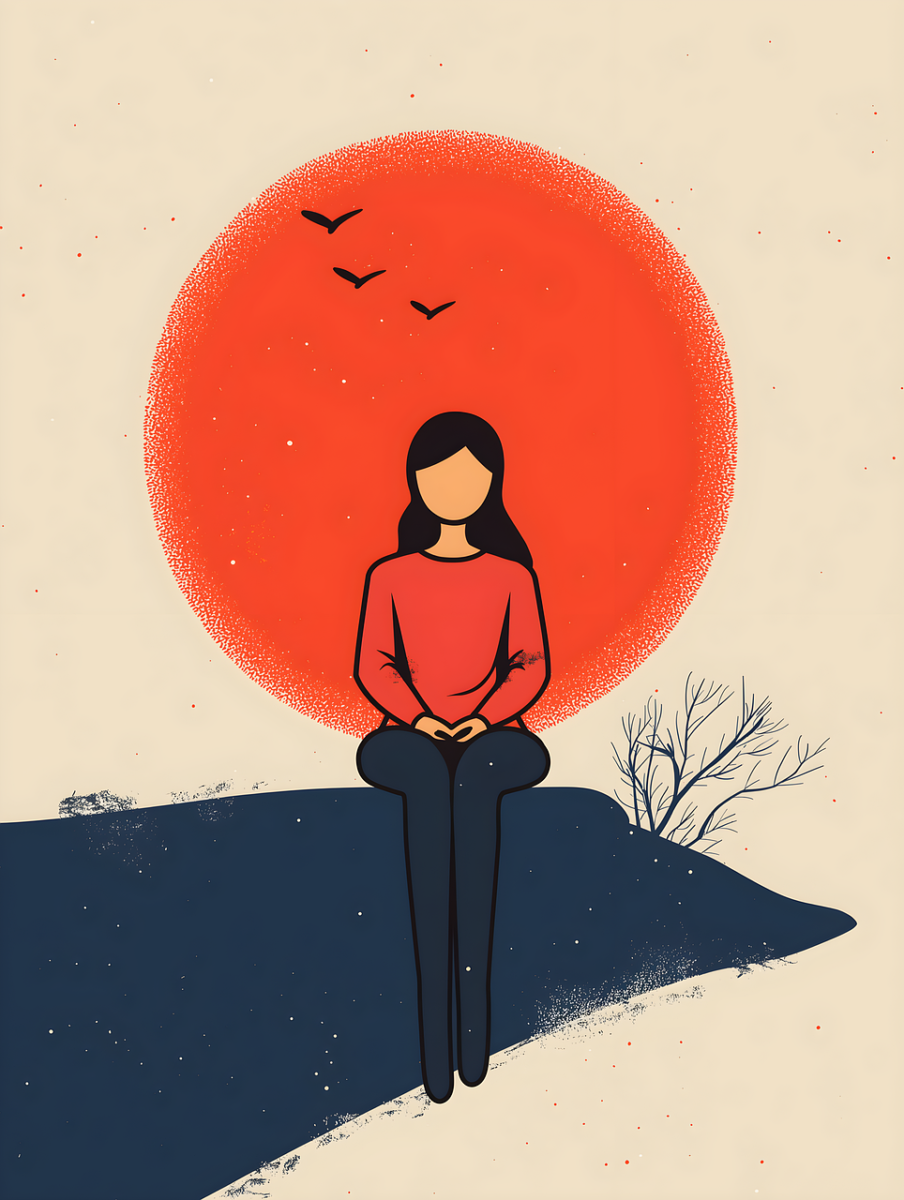
O Manual de Sobrevivência que Ninguém nos Entrega: Verdades Silenciosas para Viver com Mais Leveza.
Crescemos com a estranha ilusão de que, em algum momento da vida adulta, tudo vai se encaixar perfeitamente. Esperamos um roteiro claro, uma fórmula mágica ou, no mínimo, um manual de instruções detalhado. Mas a verdade é que a vida se parece muito mais com uma colcha de retalhos costurada no improviso. No meio desse caos cotidiano, a maturidade não chega com grandes revelações místicas, mas sim com a aceitação silenciosa de algumas verdades fundamentais que tornam a jornada infinitamente mais leve.
O Desapego do Controle e a Ilusão do Cenário Perfeito
A primeira grande libertação acontece quando finalmente decidimos abandonar a ilusão de que existe perfeição. Passamos anos tentando moldar carreiras impecáveis, relacionamentos sem ranhuras e rotinas milimetricamente calculadas, apenas para descobrir que a beleza da vida está justamente no que foge do script.
Quando paramos de exigir o impossível de nós mesmos, fica muito mais fácil abraçar o fato de que nem tudo depende de você. Há uma força tremenda em reconhecer os próprios limites e entregar ao acaso aquilo que não podemos controlar. Se o vento mudar de direção, a escolha não é parar o vento, mas sim ajustar as velas.
Nesse processo de soltar as rédeas, compreendemos também que as relações humanas são dinâmicas. Aceitar que as pessoas mudam — e que nós também mudamos — é o que nos impede de guardar mágoas por expectativas que pertencem ao passado. Os caminhos se cruzam, se transformam e, às vezes, se distanciam. E está tudo bem. Recomeços fazem parte da vida, e cada página em branco que se abre é apenas uma nova oportunidade de reescrever nossa própria história, sem o peso do que ficou para trás.
Filtros de Energia: Tempo, Limites e o Valor do Silêncio
À medida que os anos passam, nossa tolerância para ruídos desnecessários diminui drasticamente. Começamos a perceber com clareza cirúrgica que o tempo é o nosso recurso mais valioso — e a única coisa que realmente não podemos recuperar ou comprar. Com essa urgência sutil batendo à porta, aprendemos a dizer “não” com muito mais naturalidade.
Estabelecer barreiras não é egoísmo; entender que limites são necessários é, na verdade, o maior ato de amor-próprio que podemos praticar. É esse filtro que nos protege de nos desgastarmos em debates estéreis e dinâmicas tóxicas. Junto com os limites, vem o discernimento libertador de que nem toda opinião importa. O tribunal da internet e os julgamentos alheios perdem o poder quando você assume as rédeas da sua própria narrativa.
É nesse ponto da caminhada que uma chave de ouro vira na nossa mente: a certeza absoluta de que a paz vale muito mais que a razão. Discutir para provar um ponto quase sempre custa caro demais para a nossa saúde mental. Deixar que o outro pense o que quiser e escolher o silêncio não é covardia, é pura sabedoria estratégica.
O Retorno ao Essencial e o Ritmo do Tempo
Por fim, quando toda a poeira das grandes cobranças assenta, o foco se volta para o que realmente sustenta a nossa existência no dia a dia. Paramos de buscar grandes eventos pirotécnicos para validar nossa existência e passamos a encontrar a verdadeira felicidade nas pequenas coisas: o cheiro do café fresco pela manhã, uma conversa descompromissada com quem amamos ou o simples conforto de um final de semana sem compromissos.
Se o cansaço bater e a neblina da incerteza cobrir o horizonte, não há necessidade de desespero. A ansiedade adora criar cenários catastróficos sobre o amanhã, mas a própria vida se encarrega de acalmar os ânimos. Basta respirar fundo e aceitar que algumas respostas simplesmente vêm com o tempo. Nem tudo precisa ser resolvido hoje, nem toda dúvida precisa de um ponto final agora. Às vezes, o melhor a se fazer é apenas continuar caminhando e deixar que o tempo faça o que ele sabe fazer de melhor: curar, clarear e organizar cada coisa em seu devido lugar. -

O Teste Invisível do Caráter: Quem é Você Quando Não Há Nada a Ganhar.
Em um mundo cada vez mais moldado pelas aparências e pela busca incessante por reconhecimento, as relações humanas correm o risco de se transformar em meros balcões de negócios. É fácil e até estratégico distribuir sorrisos, demonstrar gentileza e oferecer atenção quando a pessoa à nossa frente ocupa uma posição de destaque ou possui influência para alavancar nossos objetivos. No entanto, a verdadeira medida de um homem não se encontra na cordialidade calculada, mas sim na forma como ele escolhe tratar aqueles que não podem lhe trazer benefício algum. O verdadeiro desafio ético está em agir com respeito, dignidade e empatia quando a equação do interesse pessoal zera e não há absolutamente nada a ganhar em troca.
Ao longo da jornada da vida, todos nós estabelecemos conexões com pessoas que ocupam as mais diferentes posições sociais, profissionais ou econômicas. É justamente nessa tapeçaria de interações diárias que as máscaras costumam cair. A maneira como alguém se reporta a um funcionário de limpeza, a paciência demonstrada com um idoso, o olhar direcionado a uma criança ou a cortesia estendida a um desconhecido na rua revelam valores muito mais profundos do que qualquer discurso inflamado ou imagem cuidadosamente construída nas redes sociais. Quando o comportamento muda drasticamente de acordo com o status ou o poder de quem está à frente, o que se manifesta não é a educação, mas sim um oportunismo disfarçado de etiqueta.
Essa reflexão vai muito além das boas maneiras superficiais; ela toca no cerne da integridade humana. A verdadeira ética se manifesta justamente nos momentos de invisibilidade, quando ninguém está observando ou quando a ação não gerará nenhum tipo de dividendo ou favor futuro. Afinal, o caráter não é um evento grandioso e isolado, mas uma construção sólida moldada pelas pequenas atitudes repetidas diariamente. São os pequenos gestos cotidianos que funcionam como o espelho mais fiel da alma. No fim das contas, a real grandeza de uma pessoa nunca estará baseada na soma de suas conquistas materiais ou de seus títulos, mas sim na dignidade com que ela escolhe tratar aqueles que nada podem lhe oferecer em troca além da sua própria humanidade. -

A Estética do Fluxo: Como o Vídeo Digital Redefine a Percepção Visual
A Estética do Fluxo: Como o Vídeo Digital Redefine a Percepção Visual
Vivemos em uma era onde a imagem estática deu lugar ao fluxo contínuo. O vídeo digital, mais do que um simples formato de arquivo, tornou-se a linguagem predominante da nossa consciência conectada. No biobit.online, exploramos como essa transição altera não apenas o que consumimos, mas como processamos a realidade. A “Estética do Fluxo” refere-se a essa nova sensibilidade visual, onde o movimento, o ritmo e a transição são os pilares da narrativa contemporânea.
A Evolução do Olhar Digital
Desde os primeiros experimentos cinematográficos até os algoritmos de vídeos curtos que dominam as redes sociais hoje, a evolução foi drástica. O espectador moderno desenvolveu uma capacidade de absorção rápida, onde a informação visual é processada em frações de segundo. Essa aceleração exige que criadores de conteúdo e artistas digitais dominem a arte da síntese visual. O movimento não é mais apenas um adorno; é o próprio veículo da mensagem.
A tecnologia de alta definição e as taxas de quadros elevadas permitem uma imersão que beira o hiper-realismo. Quando olhamos para um vídeo digital bem produzido, não estamos apenas observando uma cena; estamos sendo transportados para uma nova dimensão sensorial. Essa imersão é o que chamamos de “presença digital”, onde a barreira entre a tela e o observador se torna cada vez mais tênue.
O Vídeo como Ferramenta de Expressão Bio-Digital
Na interseção entre o biológico e o digital (o conceito BioBit), o vídeo atua como uma extensão do nosso sistema nervoso. Ele captura a fluidez da vida e a organiza através de bits e pixels. Artistas generativos estão usando inteligência artificial para criar fluxos visuais que reagem a estímulos em tempo real, criando uma forma de arte viva que nunca se repete. É a simbiose perfeita entre a imprevisibilidade da natureza e a precisão do código.
Além disso, o vídeo digital democratizou a criação artística. Hoje, um smartphone é uma produtora completa, permitindo que vozes de todos os cantos do mundo compartilhem suas visões únicas. Essa pluralidade de perspectivas enriquece o ecossistema digital, trazendo texturas e narrativas que antes eram ignoradas pelas grandes mídias tradicionais.
Conclusão: O Futuro é em Movimento
O futuro da comunicação e da arte é, sem dúvida, em movimento. À medida que avançamos para tecnologias de realidade aumentada e virtual, o vídeo deixará de ser algo que assistimos para se tornar algo que habitamos. A Estética do Fluxo continuará a evoluir, desafiando nossos sentidos e expandindo nossa imaginação. No final das contas, o vídeo digital é o espelho de uma humanidade que nunca para, sempre em busca de novas formas de ver e ser vista.

