
Centuries ago, philosopher René Descartes coined the maximum "think, therefore I exist". If we were to update the phrase to the rhythm of the present day, it would fatally turn into a symptomatic "I am seen, so I am." We live in the era of Ego Digital, a phenomenon in which our identity, self-esteem and even the perception of our own relevance in the world began to be shaped by the reflection of the screens. The search for validation on social networks — meticulously measured in likes, comments, shares and views — It stopped being a mere hobby to become a silent metric of personal value. The great challenge of our generation is no longer how to connect to the world, but how not to lose ourselves in the process.
The Architecture of Desire: Why Are We Hooked?
To understand the weight of the digital ego, you need to look behind the colorful interfaces and understand that social networks operate as high-precision psychological casinos. Each flashing notification activates a dopamine discharge into the brain, the neurotransmitter associated with pleasure and reward. It is an intermittent validation cycle: we post, wait and, when social approval comes, we feel a temporary relief.
The problem lies in the fact that the ego is a bottomless pit. Today's treat is never enough to fuel tomorrow's shortage. By transferring control of our self-image to the trial of a virtual audience — often composed of unknowns —We created an idealized avatar. We come to live not to experience the moment, but to record the moment. The trip is only good if you deliver amazing photos; the food dish is only tasty if it is aesthetically acceptable. In this dynamic, real life becomes the bastor, and the social network becomes the main stage.
The Noise of Comparison and the Effect "Palco vs. Bastidores"
One of the most devastating effects of this relentless search for approval is the trap of constant comparison. The digital ecosystem consists of filters, millimetrically calculated clippings and uninterrupted success narratives. When we navigate the feed, we're comparing our backstage — full of insecurities, billets to pay, tiredness and common days — with the lit stage and edited by someone else.
This asymmetry generates chronic anxiety and the feeling that we are always falling behind. Digital ego convinces us that we need to perform happiness and productivity all the time to maintain our relevance. When the public's response is lukewarm, digital silence is interpreted by our brain as social rejection, activating the same brain areas that process physical pain. It's too high a price to pay for virtual applause.
An uncomfortable truth: Digital approval is a volatile resource. The algorithm that distributes your content today and inflates your ego can change tomorrow, leaving your self-esteem at the mercy of lines of code that you do not control.
Axis Search: Strategies for the Mind-Tele Balance
Finding balance in this tightrope does not mean adopting a radical posture of isolation or demonizing technology. Social networks expanded borders, created communities and enabled careers. The key to psychological emancipation is to redefine our relationship of dependence with these tools through conscious and subtle steps:
The Practice of Intentionality: Before you open an app or publish something, it's worth taking a conscious pause and asking yourself: Am I posting this because I really want to share this moment or because I need someone to tell me I'm good enough? Bringing the light from consciousness to the act breaks the automatism of addiction.
Curated Content and Passive Consumption: Our mental well-being is shaped by what we consume. Doing a regular cleanup on the profiles that we follow, silence or fail to track accounts that trigger triggers inadequacy or comparison, is an act of self-defense.
Construction of Royal Anchors: Strengthening life that happens outside the screens is the best antidote against the digital ego. Cultivating hobbies that don't generate content, spending quality time with friends without a mobile phone at the table, and practicing full presence help us remember that our real existence is much richer than any online profile.
Return to the Centre
In the end, the digital ego functions as a mirage in the desert: it promises to quench our thirst for connection, but often makes us even more isolated in our own search for attention. True validation will never come from the outside inside, let alone through pixels on a glass screen.
When we collect the projections that we put in each other's eyes and strengthen our real identity, we deflate the digital ego to give way to genuine self-esteem. Technology must serve as a window to expand our world, never as a distorted mirror where we desperately seek to recognize ourselves.
Tag: Personal Development and Emotional Intelligence
-
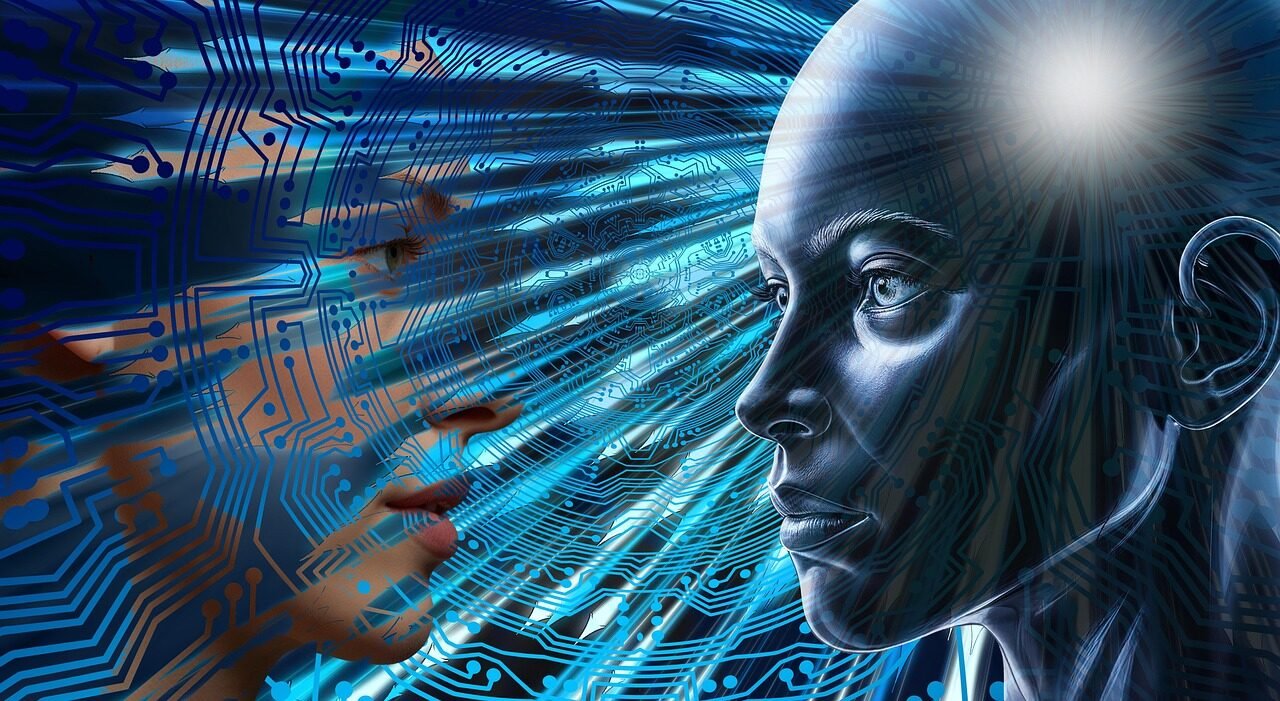
The Glass Mirror: The Digital Ego and Online Validation Price.
-

The Mirror Trap: The Hidden Danger of Thinking You Know Everything.
There is a dangerous moment in the career of any professional: the day he looks in the mirror, contemplates his luggage and decides that he has learned enough. Overconfidence in one's own knowledge, disguised as authority or experience, is one of the most fatal and silent mistakes in the modern market. In a world that turns into exponential rhythm, absolute certainty is not a sign of strength, but the first step towards obsolescence.
The current market does not forgive stagnation. New technologies emerge overnight, economic scenarios change in a blink of an eye and methodologies that were considered absolute truths yesterday become obsolete today. When a professional assumes the posture of those who "know everything", he builds an invisible shield against his own growth. This intellectual arrogance blinds the individual to the transformations around him, creating a false sense of security that precedes the fall.
The practical consequences of this behavior are devastating. Overly confident leaders and collaborators tend to make thoughtless decisions based on formulas of the past that no longer apply to the present. They ignore valuable advice from colleagues, dismiss innovative views of younger professionals and close the doors to mentoring. By refusing to update, they become hostages to themselves, repeating old habits and expecting different results in a world that already plays with other rules.
The real weapon against this trap is intellectual humility. Recognizing that knowledge has validity and that there is always something new to learn is not a sign of weakness, but of strategic intelligence. Continuous learning, or lifelong learningIt should stop being a corporate jargon to become a lifestyle. Those who cultivate the mentality of eternal apprentice keep the mind agile, eyes open to opportunities and ears attentive to signs of change.
In the end, the future professional is not the one who accumulates the most ready answers, but the one who knows how to ask the right questions and has the courage to admit that he needs to continue studying. Going down from the pedestal of "know-all" is the only safe way to remain relevant, innovative and, above all, resilient in the face of an unpredictable future.
The Mirror Trap: The Hidden Danger of Thinking You Know Everything
There is a dangerous moment in the career of any professional: the day he looks in the mirror, contemplates his luggage and decides that he has learned enough. Overconfidence in one's own knowledge, disguised as authority or experience, is one of the most fatal and silent mistakes in the modern market. In a world that turns into exponential rhythm, absolute certainty is not a sign of strength, but the first step towards obsolescence.
The current market does not forgive stagnation. New technologies emerge overnight, economic scenarios change in a blink of an eye and methodologies that were considered absolute truths yesterday become obsolete today. When a professional assumes the posture of those who "know everything", he builds an invisible shield against his own growth. This intellectual arrogance blinds the individual to the transformations around him, creating a false sense of security that precedes the fall.
The practical consequences of this behavior are devastating. Overly confident leaders and collaborators tend to make thoughtless decisions based on formulas of the past that no longer apply to the present. They ignore valuable advice from colleagues, dismiss innovative views of younger professionals and close the doors to mentoring. By refusing to update, they become hostages to themselves, repeating old habits and expecting different results in a world that already plays with other rules.
The real weapon against this trap is intellectual humility. Recognizing that knowledge has validity and that there is always something new to learn is not a sign of weakness, but of strategic intelligence. Continuous learning, or lifelong learning, must cease to be a corporate jargon to become a lifestyle. Those who cultivate the mentality of eternal apprentice keep the mind agile, eyes open to opportunities and ears attentive to signs of change.
In the end, the future professional is not the one who accumulates the most ready answers, but the one who knows how to ask the right questions and has the courage to admit that he needs to continue studying. Going down from the pedestal of "know-all" is the only safe way to remain relevant, innovative and, above all, resilient in the face of an unpredictable future. -

The Soul Filter: Why Undirected Intelligence Is It Just a More Sophisticated Mistake?
The true greatness of a mind is not measured by the power of its engine, but by the direction in which it chooses to walk. In a world that often confuses intellectual noise with wisdom, one must rescue an uncomfortable truth: intelligence alone is a neutral tool. Without an ethical and methodological orientation, it runs the risk of becoming just a terribly more efficient way of making mistakes. After all, the same brilliant mind capable of unraveling mysteries and finding innovative answers has the exact same ability to sophisticate excuses, manipulate facts in a subtle way, and consequently expand collective and individual damage.
We live in the advent of Artificial Intelligence, an extension of our own desire for infinite processing. However, the AI is the definitive mirror of this neutrality: it amplifies what we deposit in it. If the "prompt" of our soul is corrupted by the ego, the result will be a dystopia of purposeless efficiency. The digital future requires us to be more than mere users of algorithms; it requires us to be the architects of a new ethics that filters the coldness of data through the warmth of human consciousness.
Therefore, virtue is not born from the simple act of thinking, but from the exact moment when reason ceases to serve pride and comes to serve truth, responsibility and conscious choice. When the intellect is shielded by the ego, it becomes a fortress of illusions. For it to become an instrument of evolution, reason needs discipline. Thinking well does not mean hoarding a disordered volume of ideas or displaying erudition; it means ordering the path of research so as not to get lost in confusing impressions and passing impulses. It is the elementary difference between a mind that is a data deposit and a mind that is a beacon of clarity.
To guide the reason for this safe path, philosophy and method offer us four practical pillars of mental discipline that become even more urgent in the era of instant information:
- Avoid accepting something unclear: The first step of intellectual honesty is to refuse automatism, not taking as true what can still be legitimately questioned. In times of "fake news" and recommendation algorithms, healthy skepticism is an act of soul preservation.
- Split Difficult Problems: Given the complexity of the modern world, disciplined thinking operates as a surgeon, separating a complex issue into smaller and more understandable parts so that they can be digested without the anxiety of the whole.
- Moving from simple to complex: Solid knowledge builds its reasoning by gradual steps, without hasty leaps or conclusions drawn from nothing. It is the building of a solid foundation on which the future can rest safely.
- Review the whole way: Finally, the conscious thinker takes inventory of his own journey, thoroughly checking whether nothing important was left out or neglected by the way. It's the existential debug required for evolution.
By structuring the mind under these rules, the human being begins to understand its role in reality in a much more integrated way. In simple terms, thought belongs to the field of mind, a free, abstract territory focused on the search for meaning, while the body occupies space, moves and actively participates in the material world. It is through the action of the body that the choices of the mind come to life. When disciplined reason and the search for truth guide the soul, the division between what we think and what we do in the physical world ceases to be an abyss and becomes a bridge — where intelligence finally turns into practical wisdom.
The future ahead will not be defined by the speed of our processors, but by the depth of our filters. Let BioBit.online be the space where this filtering happens, where technology finds its ethical direction and where every bit of information is weighed in the balance of consciousness. The invitation remains: do not be just intelligent; be wise.

