
🐾
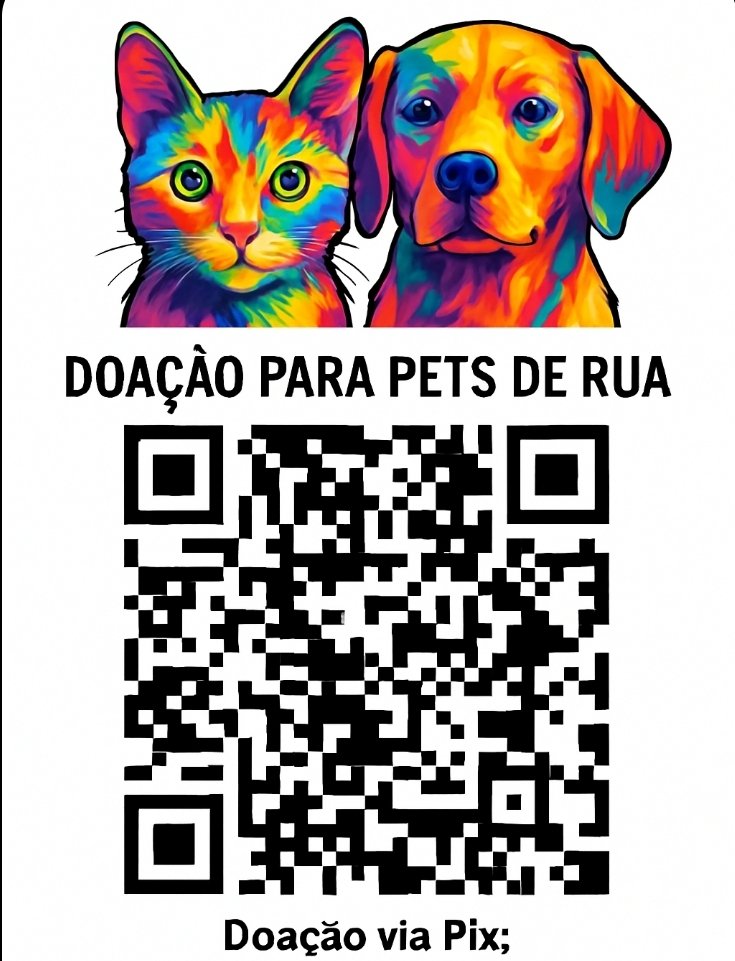
Each rescue, veterinary treatment and meal is only possible thanks to the generosity of those who care. Often, the costs of castrations, vaccines, exams and emergency hospitalizations outweigh the resources available, and direct financial assistance is the fastest and most effective means of ensuring the necessary care for street animals.
How to contribute:
You can easily and quickly make your donation using the keys below:
Pix: reas63@hotmail.com
PayPal: reas63@hotmail.com
Their collaboration guarantees food, medication, and a dignified new beginning for those who have only love to give.
Any value makes a huge difference in the life of a rescued pet. Thank you so much for supporting this cause!
Tag: animal welfare
-
Support the Animal Cause: Your Money Save Life Donation!
-

Longevity Monitored: The Best Technologies to Take Care of Your Elderly Pet.
They age faster than we'd like. When the white hairs begin to dominate the snout and the rhythm of the games decreases, our dogs and cats enter the senior phase — a moment of life that requires careful looking and redoubled care. The good news is that technology has become a great ally of preventive veterinary medicine. Today, the so-called pet tech offers innovative tools that help monitor the health of elderly animals in real time, ensuring that they live this phase with maximum comfort, dignity and well-being.
One of the main innovations in the market is smart collars. Unlike common GPS trackers, these devices function as real smart clocks for pets. They track sleep patterns, levels of physical activity, heart and respiratory rate, and even the amount of times the animal scratches or licks itself. For an elderly dog or cat, a subtle change in sleep pattern or a drastic decrease in movement may be the first sign of joint pain (such as osteoarthritis) or the beginning of cognitive dysfunction. When generating detailed reports through applications, these collars allow tutors to detect anomalies even before the symptoms are evident to the naked eye.
Gold Tip: Many of these applications allow you to export health data directly to the WhatsApp or e-mail from the veterinarian, facilitating clinical follow-up at a distance.
Another revolutionary and highly specific technology for cats is intelligent sandboxes. Cats are masters at hiding pain and malaise, and kidney or urinary problems are extremely common in feline old age. These devices monitor the weight of the animal at each use, the frequency of visits to the box and even the volume of discarded urine. Some more advanced versions use color sensors to identify blood or changes in urine pH. Any abrupt alteration generates an immediate alert in the tutor's cell phone, which is crucial to prevent severe obstruction or chronic renal failure.
In addition to wearables and sanitary devices, the technology has also transformed the indoor routine with automatic feeders and water coolers with microchip reading. In homes with more than one animal, ensuring that the elderly pet is feeding properly and consuming their medicated food (without the youngest pet stealing it) has always been a challenge. These feeders only open the lid when the sensor identifies the microchip of the correct animal. In addition, they record exactly how many grams of food and how many milliliters of water have been consumed throughout the day, helping in strict weight control and hydration, vital factors for animals with diabetes or heart disease.
Finally, we must not forget the continuous glucose monitors (CGM) and portable blood pressure sensors, which were once exclusively human and today already have veterinary adaptations for home use under medical guidance. They avoid the stress of frequent visits to the clinic only for routine exams, something that can mask results (effect of the "white coat") and wear the elderly animal. Investing in these technologies does not mean replacing the role of the veterinarian, but extending the eyes of medicine into the home. After all, to repay the unconditional love of our best friends in old age is to guarantee them a painless routine, closely monitored and full of personalized care. -
The Care Your Pet Deserves: Love in Attitude Form.
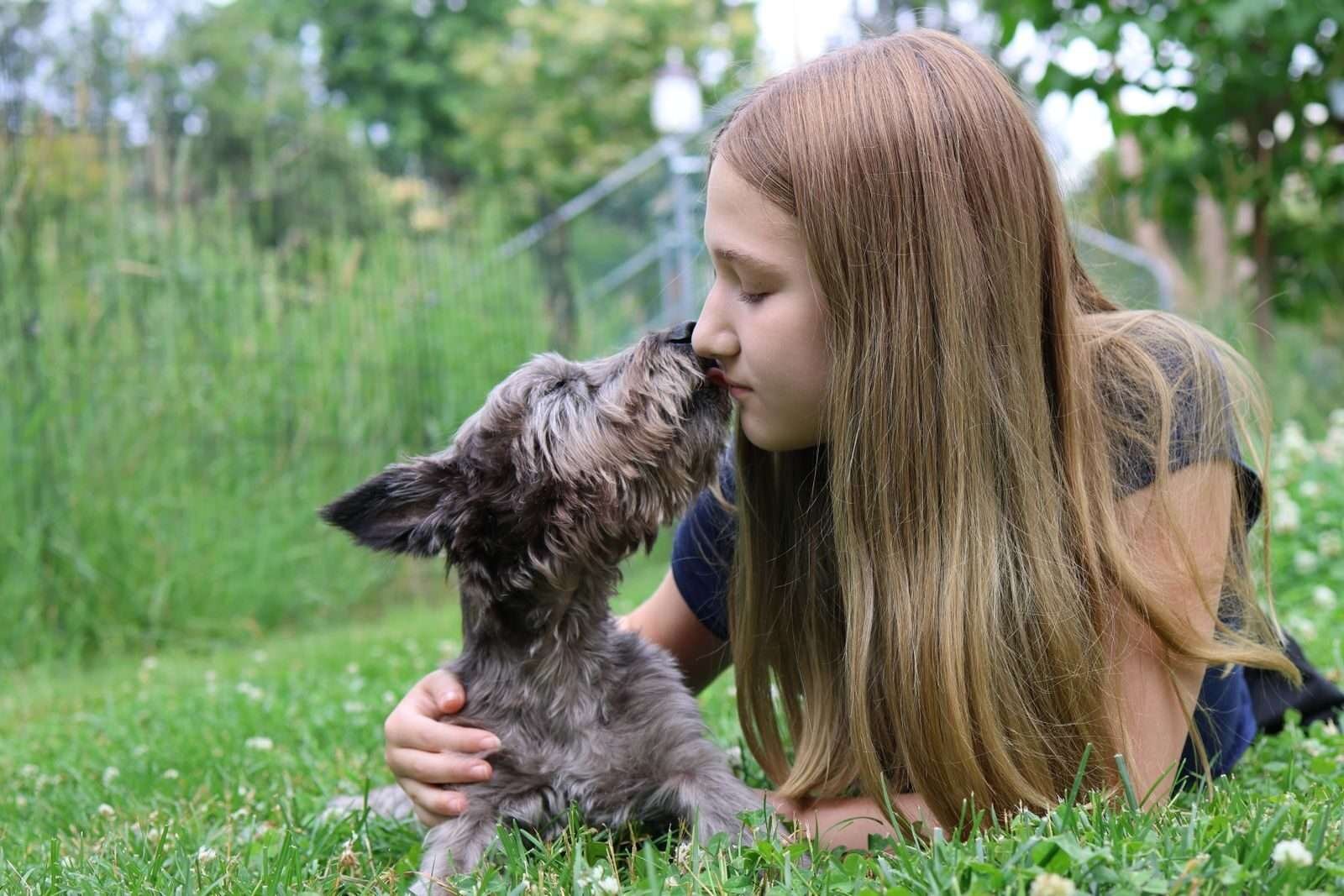
They welcome us to the biggest party in the world, even though we've only been gone five minutes. They comfort us on difficult days without saying a single word and turn any home into a real home. Pets are not just pets that live with us; they are part of the family. And just for giving us such pure and unconditional love, they deserve to receive back the best possible care. But after all, what does it mean to take care of a pet with the dedication he really deserves?
Going beyond basics is the first step. Ensuring a quality ration and fresh water is essential, of course, but the well-being of a hairy brain requires more. True care is manifested in routine: in the daily walk that clears the dog's mind, in the environmental enrichment that challenges the cat's instinct and in moments of play that waste energy and avoid stress. Providing a stimulating environment is offering mental health to those who depend entirely on us to interact with the world.
Caring is a daily act of observation. Our pets don't speak our language, but they express everything they feel through the body. A more careless look, a sudden isolation or lack of appetite are the silent calls for help we need to learn to read.
In addition, preventive health is the greatest proof of affection we can give. Keep vaccines up to date, strict vermifugation and visit the veterinarian regularly — and not just when they're already sick. — It's what guarantees us long years by our side. We often neglect small details, such as oral hygiene or the correct cutting of nails, but it is precisely these thorough care that avoid pain and complications in the future.
Finally, the most important ingredient in this recipe will always be quality time. In a world increasingly run and connected to the screens, disconnecting for thirty minutes to give that caress to the belly, brushing hair with patience or simply sitting on the ground next to them makes all the difference. For us, they are part of our lives; for them, we are the whole life. Giving the care your pet deserves is not about buying the most expensive toys on the market, but about offering a dignified, safe, healthy and overflowing life of love. After all, the glow in their eyes when they look at us is the best pair of thanks we could get. -

Illustrated City
Education and Action: With State Schools Turned on Animal Protection
A real social transformation begins in the classrooms, and care for animals has just gained a definitive place in the heart of public education. Far from being just a passing theme, animal protection and welfare have become a permanent public policy, uniting theoretical learning to practical actions that promise to change the reality of thousands of dogs, cats and communities.
The major driver of this change is the goal of implementing animal welfare education actions in 100% of schools in the state school system. The objective goes far beyond teaching children to be kind to pets; it is about structuring solid pedagogical content about responsible possession, the biological needs of animals and, crucially, the firm fight against mistreatment. By raising awareness of new generations, the government attacks the root of abandonment and violence, turning students into nature inspectors and animal rights defenders in their own homes and neighborhoods.
However, an efficient public policy does not only live by theory. To support what is taught in schools, the project brings a package of practical and immediate measures to care for public health and population control. Among the main pillars are the monthly castration of dogs and cats — an essential measure to contain overpopulation of street animals and prevent diseases — besides the regular distribution of tons of feed per month, ensuring food security of registered shelters and protectors that face difficulties to keep the animals rescued.
To close the siege against zoonoses (diseases transmitted between animals and humans), the plan set the ambitious goal of achieving more than 80% anti-rabies vaccination coverage. Anger is a serious disease and 100% lethal, and ensuring this immunization index protects not only pets, but the entire human population.
By crossing the sensitivity of school education with the immediate impact of veterinary and food care, the State draws a pioneering model of harmonious coexistence. After all, caring for animals is also taking care of the public health, safety and future of our society.

