
Existe uma imagem romantizada e quase heroica que cultivamos sobre a disciplina humana. Imaginamos o indivíduo de alta performance como alguém de mandíbula travada, veias salientes na testa e uma capacidade sobre-humana de resistir às tentações cotidianas. É o mito do guerreiro da força de vontade, o herói que vence batalhas diárias contra a preguiça, as distrações e a procrastinação pela simples força do caráter.
No entanto, a ciência da psicologia comportamental traz uma constatação reveladora e, de certa forma, humilhante para essa narrativa: as pessoas que demonstradamente possuem o maior nível de autocontrole são, na verdade, as que menos travam essas batalhas heroicas.
A resposta para a consistência dessas pessoas não está em uma capacidade inabalável de cerrar os dentes, mas no fato de que elas desenvolveram hábitos que tornam o bom comportamento praticamente automático. O segredo que une o autocontrole a resultados concretos — como a qualidade do sono, a consistência nos estudos e até a permanência na universidade — não é a resistência diária, mas o hábito.
A Arquitetura do Silêncio Interno
Revisões da literatura sobre o tema indicam que indivíduos com alto autocontrole relatam sentir menos tentações no dia a dia. Eles não são melhores em resistir ao canto da sereia; eles simplesmente navegam por águas onde a sereia não canta. Em vez de testar os próprios limites, essas pessoas moldam o ambiente ao seu redor para que a opção tentadora simplesmente não esteja diante de seus olhos, permitindo que a maior parte do seu dia transcorra no piloto automático.
É aqui que a rotina revela seu verdadeiro papel, que vai muito além dos clichês superficiais de produtividade.
A psicóloga Wendy Wood, referência nos estudos sobre o tema, estima que cerca de 40% de todo o nosso comportamento diário seja regido por hábitos — respostas automáticas disparadas por gatilhos específicos como um horário, um local ou uma ação anterior —, e não por decisões conscientes e ponderadas. Uma rotina bem estruturada nada mais é do que uma sequência encadeada desses padrões automáticos.
O valor real dessa automação não reside na grandiosidade da estrutura, mas na eliminação sistemática dos pontos de escolha.
Cada vez que um comportamento exige uma decisão, você abre espaço para um argumento interno — e todo argumento é uma discussão que você corre o risco de perder. Quando uma ação se torna rotina, o debate deixa de existir. Não há deliberação, não há desgaste e não há necessidade de resistir à alternativa, porque a alternativa sequer chegou a ser formulada pela sua mente.
Uma rotina inteligente é, em essência, uma forma de gastar energia de vontade apenas uma vez: na fase de projeto do seu dia, e não na execução diária dele.
O Design do Ambiente e o Teatro do Cansaço
A mesma lógica se aplica ao espaço físico e digital que nos cerca. Muito do que parece ser uma disciplina de ferro é apenas o resultado de um ambiente bem desenhado — o que a pesquisadora Angela Duckworth e seus colegas chamam de estratégias situacionais.
Se o telefone celular estiver sobre a mesa durante a noite, focar no trabalho exigirá uma hora inteira de esforço contínuo para ignorá-lo. Se o mesmo telefone for colocado em outro cômodo, o esforço cai a zero. O objetivo é sempre o mesmo: tornar a tarefa desejada o caminho de menor resistência. É infinitamente mais fácil evitar uma tentação do que vencê-la repetidamente.
Infelizmente, a cultura contemporânea de trabalho e a mitologia das startups interpretam esse conceito de maneira quase oposta. Vende-se a ideia de que a rotina matinal das 5h da manhã é o divisor de águas entre o sucesso e o fracasso, ignorando evidências genéticas de que ser uma pessoa matutina ou noturna é algo profundamente ancorado na nossa biologia.
O ecossistema dos negócios cultiva o culto ao trabalho árduo e visível, onde longas horas na mesa e a exaustão aparente funcionam como uma espécie de performance. Mas esse esforço performático é apenas teatro. A pesquisa científica aponta na direção oposta: o que prevê a verdadeira realização a longo prazo é a rotina sóbria, repetitiva e monótona, que não precisa de plateia nem de drama. Fundadores e profissionais que duram no topo costumam ser psicologicamente consistentes, e o hábito é justamente o motor que garante essa consistência sem queimar a largada a cada manhã.
Uma Maneira Mais Humana de Viver
É preciso, contudo, evitar o extremo oposto. Instalar uma nova rotina não é uma promessa mágica de sucesso absoluto. Diversos fatores que determinam o progresso de alguém — como sorte, recursos financeiros, redes de contato e saúde — estão completamente fora do alcance de um hábito individual. O hábito é uma alavanca poderosa, não a máquina inteira.
Além disso, existe o risco da rigidez. Uma rotina que elimina fricções desnecessárias é uma ferramenta utilíssima; uma rotina defendida com dogmatismo se torna uma prisão. O mesmo automatismo que protege um bom comportamento protegerá um hábito inútil com a mesma fidelidade se não houver discernimento. O objetivo não é parar de pensar, mas sim parar de decidir sobre coisas que não deveriam exigir decisão.
O que essa perspectiva científica nos oferece, no fim das contas, é uma visão muito mais acolhedora e realista sobre a autodisciplina. As pessoas que parecem ter uma força de vontade inesgotável não são super-humanas. Elas apenas organizaram a própria vida para precisar cada vez menos dela.
Essa transição tira de sobre os nossos ombros o peso sufocante de tentar “nos tornar pessoas mais fortes” e transfere a tarefa para algo muito mais prático e alcançável: a construção de um dia menos desgastante.
Tag: #AutonomiaEmocional
-

O Mito da Força de Vontade: Por Que Quem Tem Mais Autocontrole É Quem Menos Precisa Dele.
-
Onde a Luz pode entrar.
Sou um vaso, moldado por quedas e erros,
Um composto curioso, de pé entre desertos.
Cada fenda, rachadura, deslize que vivi,
É paisagem esculpida, só minha por fim.
Não mármore polido, nem molde sem falha,
Mas fragmentos colhidos, feitos para aguentar.
Pois por essas brechas, onde a luz pode entrar,
Um fio suave afasta o medo a pairar.
Com espírito sério, devagar e com fé,
Boas intenções fazem essas peças crescer
Num todo, embora marcado e imperfeito,
Ligado por um fim, à esperança em respeito.
Assim eu fico em pé, testemunho da graça,
Uma alma de retalhos, no tempo e no espaço.
Meu próprio ser, fracassos tecidos com força,
Iluminado pela luz da intenção que me acalça. -
Quando o Cuidado Vira Gaiola: O Limite Sutil Entre Demonstrar Amor e Exercer Poder
No início de uma história a dois, o excesso de atenção costuma chegar fantasiado de romance. Uma ligação fora de hora para saber onde você está, um questionamento aparentemente ingênuo sobre um novo amigo, ou uma opinião opinativa demais sobre as suas escolhas de carreira. É fácil, muito fácil, olhar para esse cenário com lentes cor-de-rosa e sussurrar para si mesmo: “Que lindo, essa pessoa se importa de verdade comigo”.
No entanto, à medida que os dias avançam e o entusiasmo inicial dá lugar à rotina, a linha que separa o afeto do controle começa a se revelar perigosamente tênue. O que parecia proteção passa a soar como cobrança, e o interesse legítimo se transforma em um tribunal silencioso, onde você precisa constantemente justificar quem é, com quem fala e o que faz com o próprio tempo.
É nesse ponto que precisamos fazer uma pausa dolorosa, mas necessária, para encarar uma verdade desconfortável: quem controla suas amizades, suas escolhas e a sua liberdade não está demonstrando amor, mas sim uma profunda necessidade de poder.
A dinâmica do controle raramente começa de forma agressiva. Ela se infiltra pelas frestas do relacionamento, alimentada por inseguranças mascaradas de zelo. O parceiro ou parceira não pede para você se afastar dos seus amigos de infância do dia para a noite; em vez disso, aponta defeitos sutis neles, cria um clima desagradável antes dos encontros ou faz você se sentir culpado por não ter reservado aquele momento apenas para o casal. Pouco a pouco, seu mundo vai encolhendo, as paredes vão se aproximando e, quando você se dá conta, sua rede de apoio se dissolveu e suas decisões passam primeiro pelo filtro de aprovação do outro.
Essa busca por domínio não é um sintoma de um amor intenso; é o oposto dele. É o reflexo de um ego fragilizado que precisa transformar o parceiro em um bem de consumo, uma propriedade mantida sob vigilância constante para estancar a própria ansiedade.
O amor verdadeiro caminha em uma direção completamente oposta. Ele não nasce da posse, mas sim do respeito irrestrito, da confiança genuína e, acima de tudo, do reconhecimento da individualidade de quem se ama. Amar alguém significa olhar para a sua essência, com todas as suas ramificações, amigos, sonhos e esquisitices, e dizer: “Eu quero que você voe alto, e fico feliz em ver você voar”.
O afeto real se nutre do desejo de ver o outro crescer, expandir seus horizontes e alcançar a sua melhor versão. Ele celebra as conquistas individuais e entende que a felicidade do parceiro fora do relacionamento não é uma ameaça, mas um motivo de alegria compartilhada. Transformar quem amamos em um reflexo adaptado para acalmar os nossos próprios fantasmas internos não é amar; é aprisionar.
A liberdade não é o oposto do compromisso — ela é o único terreno onde o compromisso verdadeiro pode florescer. Escolher estar com alguém todos os dias só tem valor real quando se tem a plena liberdade de ir embora ou de caminhar pelo mundo com as próprias pernas. Quando o controle assume o comando, a escolha deixa de existir e entra em cena a submissão.
Preservar suas amizades, seus hobbies, sua autonomia e sua voz não é uma atitude egoísta; é o pilar fundamental que mantém a sua identidade intacta. Se para manter um relacionamento você precisa diminuir de tamanho, abdicar de quem você é ou viver sob a sombra do monitoramento de outra pessoa, o preço cobrado é alto demais. Relacionamentos saudáveis não exigem que você renuncie à sua liberdade para provar lealdade. O amor genuíno é porto seguro, não gaiola. -
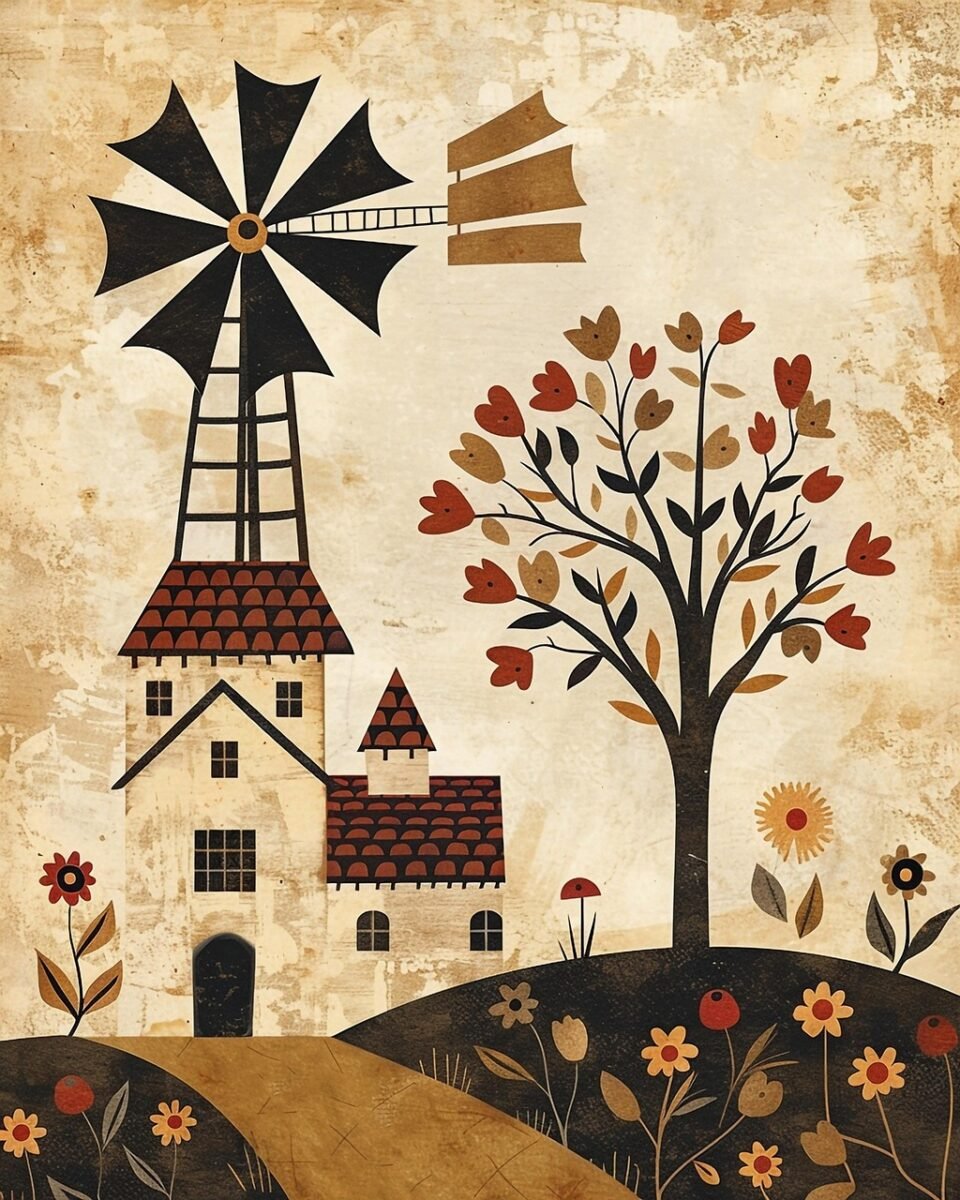
Muros ou Moinhos: O Que Você Constrói Quando o Vento da Mudança Sopra?
Existe um provérbio antigo que ganha um frescor urgente nos dias de hoje: quando os ventos da mudança começam a soprar, algumas pessoas constroem muros para se proteger, enquanto outras erguem moinhos de vento para aproveitar a força do vendaval. A beleza dessa metáfora reside na sua simplicidade e na sua recusa em abraçar um otimismo ingênuo. Ela não promete que o vento será brando, nem nega que a tempestade assuste. O ditado apenas nos lembra de uma verdade inevitável: as adversidades virão. A grande diferença na nossa trajetória nunca esteve na intensidade dos problemas, mas na decisão estritamente pessoal que tomamos diante deles.
Geralmente, a primeira reação do ser humano ao se deparar com o desconhecido é erguer um muro. A psicologia explica que essa resposta não é um defeito de caráter, mas uma engrenagem do nosso próprio instinto de sobrevivência. Diante da incerteza, da dor ou da ameaça, o cérebro humano busca automaticamente a rota de fuga mais rápida, ativando mecanismos de defesa para nos manter em uma zona de segurança aparente. O problema é que o mesmo muro que nos protege da tempestade também nos impede de ver o horizonte, bloqueia a luz e nos paralisa no mesmo lugar.
Essa dinâmica entre a estagnação e o movimento é o motor de quase todas as grandes histórias — tanto na ficção quanto na vida real. Pense na trajetória de quem decide encarar o mundo de peito aberto: ao longo da jornada, essa pessoa inevitavelmente encontra figuras mal-intencionadas, tropeça em obstáculos burocráticos ou emocionais e vivencia momentos de profunda frustração, muitas vezes tentando equilibrar os próprios sonhos no meio do caos de uma família confusa. É o roteiro clássico da vida humana.
No entanto, o diferencial de quem decide não ser definido pelas dificuldades é a capacidade de reparar no que acontece em paralelo ao caos. É no meio da caminhada que também surgem os amigos verdadeiros, as oportunidades inesperadas e as brechas para recomeçar. Em vez de permitir que os tropeços ditem o seu destino, quem escolhe continuar caminhando descobre que a mudança não exige ausência de medo, mas sim a coragem de dar o próximo passo apesar dele.
Transformar ventos contrários em impulso não é uma tarefa simples e nem acontece de um dia para o outro. Exige um esforço consciente para reeducar o olhar, desarmar os mecanismos de defesa automáticos e trocar a autoproteção rígida pela flexibilidade. Como diria o famoso lema de esperança que atravessa gerações, “tudo pode ser, só basta acreditar” — não no sentido de uma mágica passiva que resolve tudo num piscar de olhos, mas na convicção profunda de que nós possuímos a capacidade de transformar a energia do problema na engrenagem da nossa própria evolução. No fim das contas, a tempestade é a mesma para todos; a arquitetura do que fazemos com ela é o que nos define. -

A Arte Silenciosa de Ser Ouvido: Por Que a Conexão Supera o Volume.
Existe uma ilusão muito comum na forma como nos comunicamos: a ideia de que, se aumentarmos o tom de voz, a clareza da mensagem ou a intensidade dos nossos argumentos, seremos finalmente compreendidos. Gastamos uma energia imensa tentando moldar nossas palavras para atravessar barreiras invisíveis, sem perceber que o problema raramente está na frequência da nossa voz, mas sim na disposição de quem escuta.
A verdade é simples e implacável: quem não quer te ouvir, não te ouvirá nem se você gritar. O grito, na maioria das vezes, produz o efeito oposto ao desejado. Em vez de abrir portas, ele aciona mecanismos de defesa, ergue muros e transforma conversas em campos de batalha. Quando a mente do outro está fechada por preconceito, desinteresse ou ruído emocional, a comunicação falha não por falta de som, mas por ausência de recepção.
Por outro lado, existe uma magia quase palpável na verdadeira sintonia. Quem realmente quer te entender, te entenderá mesmo que você não diga uma palavra. Essa compreensão profunda não depende do léxico ou da oratória perfeita; ela habita nos pequenos gestos, no olhar atento, na empatia e no silêncio compartilhado. É a presença que fala mais alto do que qualquer discurso elaborado.
Aprender a reconhecer essa diferença é um exercício libertador de maturidade emocional. Significa parar de gastar argumentos onde não há solo fértil para a escuta e passar a valorizar os espaços onde nossa essência é acolhida sem esforço. No fim das contas, comunicar-se bem não é sobre vencer um debate ou convencer os desinteressados, mas sim sobre encontrar e cultivar as conexões onde o som — e o silêncio — fazem sentido. -

A Arte de Habitar a Própria Pele: Por que o Tempo Não Espera Nossas Desculpas.
Existe uma linha invisível, mas profundamente dolorosa, entre a segurança de um caminho previsível e o peso de uma vida que não nos pertence. Costumamos tratar o tempo como uma moeda infinita, uma poupança que podemos gastar agradando a terceiros, adiando para uma segunda-feira distante os nossos desejos mais legítimos. No entanto, a finitude é implacável. Quando percebemos que o tempo é o recurso mais escasso que possuímos, a ideia de desperdiçá-lo vivendo as expectativas de outra pessoa deixa de ser apenas um erro estratégico e passa a ser uma forma silenciosa de negligência com a própria existência.
Viver sob a cartilha alheia costuma vir fantasiado de prudência. É a carreira que traz orgulho à família, o estilo de vida que arranca aplausos nas redes sociais ou a repetição automática de decisões consideradas corretas por todos à nossa volta — menos por quem, de fato, terá de sustentá-las no dia a dia. Esse processo de anulação raramente acontece por meio de uma imposição autoritária; ele se instala na repetição silenciosa de pequenos silenciamentos diários. De concessão em concessão, para preservar a aprovação, o status ou uma imagem vazia de sucesso, acabamos por construir uma fachada impecável, mas sem nenhum morador dentro.
Trilhar um caminho autêntico, contudo, não exige uma ruptura dramática com o mundo ou uma rebeldia sem causa. Nem toda influência externa é nociva. Conselhos sábios, tradições sólidas e bons exemplos são fundamentais para amadurecer nossas escolhas. O perigo real não está em ouvir o outro, mas em abandonar sistematicamente os próprios valores em troca de uma aceitação temporária. A verdadeira autenticidade requer a coragem de examinar o coração e a intuição com extrema responsabilidade, distinguindo o que é um desejo consistente daquilo que é apenas uma reação passageira ou um capricho. É um convite para olhar para dentro e investigar a própria insatisfação antes que ela se cristalize em décadas de ressentimento.
Para iniciar esse movimento de retorno a si mesmo, vale a pena confrontar o espelho com perguntas honestas, mas sem a urgência de respostas prontas. É preciso questionar se as escolhas de hoje ainda correspondem aos valores atuais, ou se estamos apenas mantendo um personagem por força do hábito. Cabe refletir se continuaríamos no mesmo rumo caso a aprovação externa desaparecesse de repente, ou se o medo que sentimos diante da mudança indica um perigo real ou apenas o desconforto natural de pisar em solo desconhecido. Muitas vezes, a resposta não está em um salto no abismo, mas em pequenas experiências práticas: um estudo paralelo, um limite estabelecido sem alarde ou uma conversa honesta que permita testar uma nova direção com os pés no chão.
Essa mudança de postura raramente é compreendida de imediato pelas pessoas ao redor, e está tudo bem. A busca por autonomia costuma começar de forma discreta, longe dos holofotes, na intimidade das nossas decisões diárias. O alerta de que a nossa existência é finita não deve carregar o peso da culpa pelo que passou, mas sim devolver a dignidade e a importância ao momento presente. Diante da finitude do tempo, o ruído das cobranças sociais perde o volume e o tamanho. O que realmente sobra é a pergunta sobre o uso que faremos do hoje. Ao aceitarmos o limite dos nossos dias, ironicamente, reduzimos a pressa de provar nosso valor para o mundo. Ganhamos, enfim, a calma necessária para escolher compromissos que merecem nossa energia e a sabedoria para abandonar as disputas que só servem para nos afastar de quem realmente somos. -
A Lente Invisível: Por Que Nossas Maiores Descobertas Acontecem do Lado de Dentro.
Costumamos cruzar oceanos, acumular carimbos no passaporte e perseguir horizontes distantes na esperança de que uma mudança geográfica cure o tédio ou a inquietação da alma. No entanto, o verdadeiro movimento de transformação raramente exige uma mala de viagem. A grande travessia humana não consiste em acumular novas paisagens sob os pés, mas em permitir que a nossa própria visão sofra uma metamorfose. É sobre aprender a enxergar com novos olhos. Quando mudamos a lente pela qual filtramos o mundo, a sala de estar mais familiar ou a rotina mais pacata ganham contornos de território inexplorado.
Essa lente, contudo, é moldada pelo que carregamos no peito — especialmente pelas nossas memórias, que são tudo menos arquivos estáticos e poeirentos de um computador. Lembrar do passado não é resgatar uma fita gravada exatamente como as coisas aconteceram; é, na verdade, um ato contínuo de recriação. Nós reescrevemos nossa própria história a cada recordação, colorindo o ontem com as tintas do que somos hoje. É por isso que os únicos paraísos verdadeiros são aqueles que já perdemos. A perda envolve o passado em uma névoa de nostalgia que a realidade bruta jamais conseguiria sustentar, transformando a ausência em uma beleza intocável e idealizada.
Essa busca incessante pelo que não está ao nosso alcance estende-se, inevitavelmente, às nossas relações. Há uma incômoda e fascinante verdade no fato de que só amamos plenamente aquilo que não possuímos por inteiro. No instante em que acreditamos ter decifrado e dominado completamente o outro, o mistério se esvai e o desejo tende a adormecer. O amor se alimenta do espaço entre nós, da eterna tentativa de compreender um território que insiste em permanecer parcialmente selvagem e misterioso.
E se a busca pelo outro é complexa, a busca por si mesmo passa por caminhos ainda mais sinuosos, muitas vezes pavimentados pela dor. Ninguém sai ileso da existência, e a tentativa de blindar o coração contra o sofrimento é um esforço inútil. Só somos curados de uma dor depois de termos tido a coragem de experimentá-la por inteiro. Embora a felicidade seja excelente para o corpo, mantendo-nos leves e vibrantes, é a tristeza que silenciosamente expande as fronteiras do nosso espírito. É no recolhimento do pesar que somos forçados a amadurecer, a questionar certezas e a reconstruir nossas estruturas internas.
Nessa jornada de autodescoberta, a arte e a literatura surgem como portais sagrados. Abrir um livro é colocar o pé no limiar da vida espiritual; a leitura nos convida a entrar em mundos desconhecidos, mas ela, por si só, não constitui a nossa espiritualidade. Ela é o mapa, não o território. O verdadeiro livro, aquele capaz de mudar o curso de uma vida, já existe escrito de forma latente dentro de cada um de nós. O escritor externo funciona apenas como um tradutor de sentimentos que nós já possuíamos, mas ainda não sabíamos como nomear.
Para quem se aventura a criar, seja escrevendo ou moldando a própria vida, há uma diferença brutal de postura. Aquele que se limita a ser um mero observador passivo da realidade opera em um nível muito inferior àquele que decide, de fato, criar. Observar é registrar o que já existe; criar é dar alma, profundidade e significado ao caos do mundo. No fim das contas, viver plenamente não é assistir à própria existência passar pela janela, mas sim assumir o papel de criador da sua própria narrativa, usando cada perda, cada lampejo de amor e cada nova perspectiva para esculpir uma vida verdadeiramente consciente. -

A Arte de Desarmar o Passado: Como Curar Sem Precisar Esquecer.
Existe um mito silencioso e quase cruel que ronda a nossa busca pelo bem-estar emocional: a ideia de que, para estarmos bem, precisamos esquecer o que nos feriu. Cobramo-nos uma espécie de amnésia seletiva, como se a superação de uma dor dependesse da nossa capacidade de deletar capítulos inteiros da nossa própria história. No entanto, quando tentamos forçar esse esquecimento, o que costuma surgir não é o alívio, mas uma cobrança pesada, acompanhada por um sentimento de frustração e fracasso.
A verdade por trás da psicologia e da experiência humana aponta para um caminho muito mais acolhedor. Curar não significa apagar o passado, mas sim recuperar a liberdade para viver o presente sem que as dores antigas continuem ditando as regras do jogo.
O corpo fala o que a memória tenta calar
Nossa trajetória é feita de marcas. Algumas trazem o calor das boas lembranças; outras deixam cicatrizes profundas. Quando passamos por experiências traumáticas ou excessivamente difíceis, essas vivências não se limitam a ficar guardadas em uma gaveta mental. Elas se instalam no corpo, alteram nosso sistema nervoso e moldam a forma como reagimos ao mundo.
No cotidiano, esse “passado ativo” se manifesta de formas sutis, mas persistentes:
Aquele aperto inexplicável no peito diante de uma situação nova;
A barreira quase instintiva que levantamos quando alguém tenta se aproximar;
Uma reação desproporcionalmente intensa a um comentário bobo ou a sensação constante de que o perigo está logo ali na esquina.
Esses comportamentos não são defeitos de fabricação. São mecanismos de defesa de um organismo que aprendeu a sobreviver, mas que continua operando em estado de alerta. Por isso, o simplista conselho de “apenas seguir em frente” costuma falhar. Não se trata de falta de força de vontade; trata-se de uma bagagem emocional que ainda precisa ser desarmada e compreendida, e não apenas ignorada.
O mito da folha em branco e a armadilha da culpa
A busca obstinada por uma “folha em branco” gera uma culpa invisível. Muitas pessoas sofrem duas vezes: a primeira pela dor original, e a segunda por se sentirem incapazes de esquecê-la. Compreender que a nossa história é cumulativa nos liberta desse fardo. Nós somos, inevitavelmente, a soma de tudo o que vivemos.
A verdadeira saúde emocional não exige que cortemos pedaços de nós mesmos. O caminho mais saudável e sustentável passa por aprender a conviver com a própria história. Quando olhamos para trás e conseguimos encarar nossos episódios mais difíceis sem que eles desencadeiem a mesma tempestade interna de antes, percebemos que o processo de cura está acontecendo. O fato perde o poder de nos definir.
Curar-se é conseguir olhar para a própria cicatriz e lembrar do que aconteceu, sem precisar reviver a dor do corte.
Devolvendo o comando ao presente
O processo terapêutico e o caminho do autoconhecimento não são lineares. Haverá dias de clareza e dias em que as sombras parecerão mais densas. E está tudo bem. O objetivo final nunca foi a perfeição ou a imunidade à dor, mas sim a conquista da autonomia.
Ao acolhermos nossas vulnerabilidades e buscarmos o suporte adequado, começamos a reconstruir nossa sensação de segurança interna. Aprendemos a identificar nossos gatilhos e, aos poucos, criamos um espaço entre o estímulo do passado e a nossa resposta no presente. É nesse espaço que reside a nossa liberdade.
No fim das contas, a cura não altera os fatos que aconteceram lá atrás, mas altera drasticamente o peso que eles têm hoje. Ela permite que o passado finalmente ocupe o seu devido lugar: o de uma lembrança que faz parte de quem somos, e não o de comandante da nossa vida. -

O Músculo Mais Forte da Alma: Por Que Curvar-se Para Ajudar é o Verdadeiro Exercício de Força.
Existe uma sabedoria silenciosa que desafia a nossa obsessão moderna pela força individual, pelas conquistas solitárias e pela busca incansável por um topo onde, frequentemente, nos encontramos isolados. Costumamos associar a palavra “fortalecimento” ao esforço físico, à resistência muscular ou à blindagem emocional que nos protege do mundo exterior. No entanto, o exercício mais vigoroso e transformador que o coração humano pode realizar não exige pesos, aparelhos ou competições. Ele acontece no movimento sutil e profundamente corajoso de curvar-se para estender a mão a quem está caído.
Esse gesto de inclinar-se em direção ao outro não tem relação com a fraqueza; pelo contrário, ele é a expressão máxima da força interior. Curvar-se, no sentido mais nobre da metáfora, exige que abandonemos qualquer pedestal de superioridade ou indiferença. Significa olhar nos olhos de quem atravessa um momento de vulnerabilidade, não de cima para baixo com um olhar de pena, mas de igual para igual, reconhecendo a dignidade intrínseca daquela pessoa. É compreender que a queda do outro é humana e que a nossa estabilidade no presente é apenas temporária.
Ao nos abaixarmos para levantar alguém, ativamos uma engrenagem invisível que molda o nosso caráter. Esse exercício diário desenvolve a empatia — aquela capacidade rara de sintonizar com a dor alheia sem pressa —, a paciência para simplesmente ouvir sem julgar e a coragem moral de agir, mesmo quando o fluxo do mundo nos empurra para seguir adiante e ignorar o que acontece ao lado. O coração se fortalece justamente nesse treino, expandindo sua capacidade de sentir e de se importar em uma sociedade que tantas vezes valoriza a anestesia emocional.
A beleza desse movimento é que ele se traduz em atitudes extraordinariamente simples e desprovidas de espetáculo. Não se trata de buscar o reconhecimento público ou transformar o sofrimento alheio em um palco para a auto-exaltação. A verdadeira solidariedade se manifesta no silêncio de uma escuta atenta a um amigo que está sobrecarregado, no tempo dedicado a acompanhar um familiar em uma consulta difícil ou na delicadeza de respeitar o silêncio de quem ainda não consegue verbalizar a própria dor. São essas pequenas âncoras de presença e acompanhamento que seguram o mundo de alguém quando tudo ao redor parece desmoronar.
No fim das contas, a grandeza humana é medida pela nossa capacidade de resposta diante da fragilidade alheia. Quando escolhemos não desviar o olhar, quando transformamos a compaixão abstrata em ação concreta e presença real, toda a nossa comunidade se eleva. Fortalecer o coração é entender que a nossa própria humanidade só se realiza plenamente quando nos tornamos o apoio de que o outro precisa para se colocar de pé novamente. -

O Efeito Vidro Soprado: Por Que Entregar Fatos Nunca Salva uma Discussão.
Nós fomos educados com um mito reconfortante: o de que o cérebro humano funciona como uma planilha perfeitamente programada, onde a verdade lógica e os dados incontestáveis sempre vencem o debate no final. É uma imagem bonita, quase heróica. Mas se você já tentou desarmar uma discussão acalorada na mesa de jantar apresentando um gráfico, ou tentou convencer aquele colega de trabalho obstinado apenas empilhando “os fatos”, já percebeu o choque de realidade. Na prática, a lógica fria raramente sobrevive ao calor do momento.
A verdade é que nós não somos máquinas que pensam e, por acaso, sentem; nós somos máquinas que sentem e, ocasionalmente, pensam. Quando um conflito se instala, seja no ambiente corporativo ou na intimidade do lar, o que está em jogo quase nunca é a precisão matemática dos argumentos. A inteligência emocional nos mostra que, por trás de cada teimosia ou reação defensiva, existe um labirinto de inseguranças, desejos de validação e histórias pessoais que os dados simplesmente não conseguem acessar.
Quando ignoramos essa dinâmica e tentamos “ganhar” um debate puramente pela insistência intelectual, o cérebro da outra pessoa não interpreta isso como um convite à reflexão, mas sim como uma ameaça. A resposta imediata não é a concordância, mas a resistência. É por isso que as decisões que tomamos e as memórias que guardamos dos outros não são moldadas pelo rigor das suas premissas, mas por como nos sentimos durante a interação. Um argumento logicamente perfeito, mas entregue sem empatia, é apenas um ruído desagradável.
Para realmente construir pontes e resolver impasses, precisamos mudar a ferramenta. Em vez de erguer barreiras com certezas absolutas, o caminho mais inteligente é desarmar as defesas ouvindo o que está nas entrelinhas. Validar o sentimento do outro não significa, necessariamente, concordar com a sua versão dos fatos, mas sim reconhecer a sua humanidade no processo. Quando as pessoas se sentem ouvidas e seguras, a guarda baixa e, só então, a razão ganha espaço para se sentar à mesa. No fim das contas, a verdadeira persuasão não é um exercício de força intelectual, mas uma arte sutil de conexão emocional. -
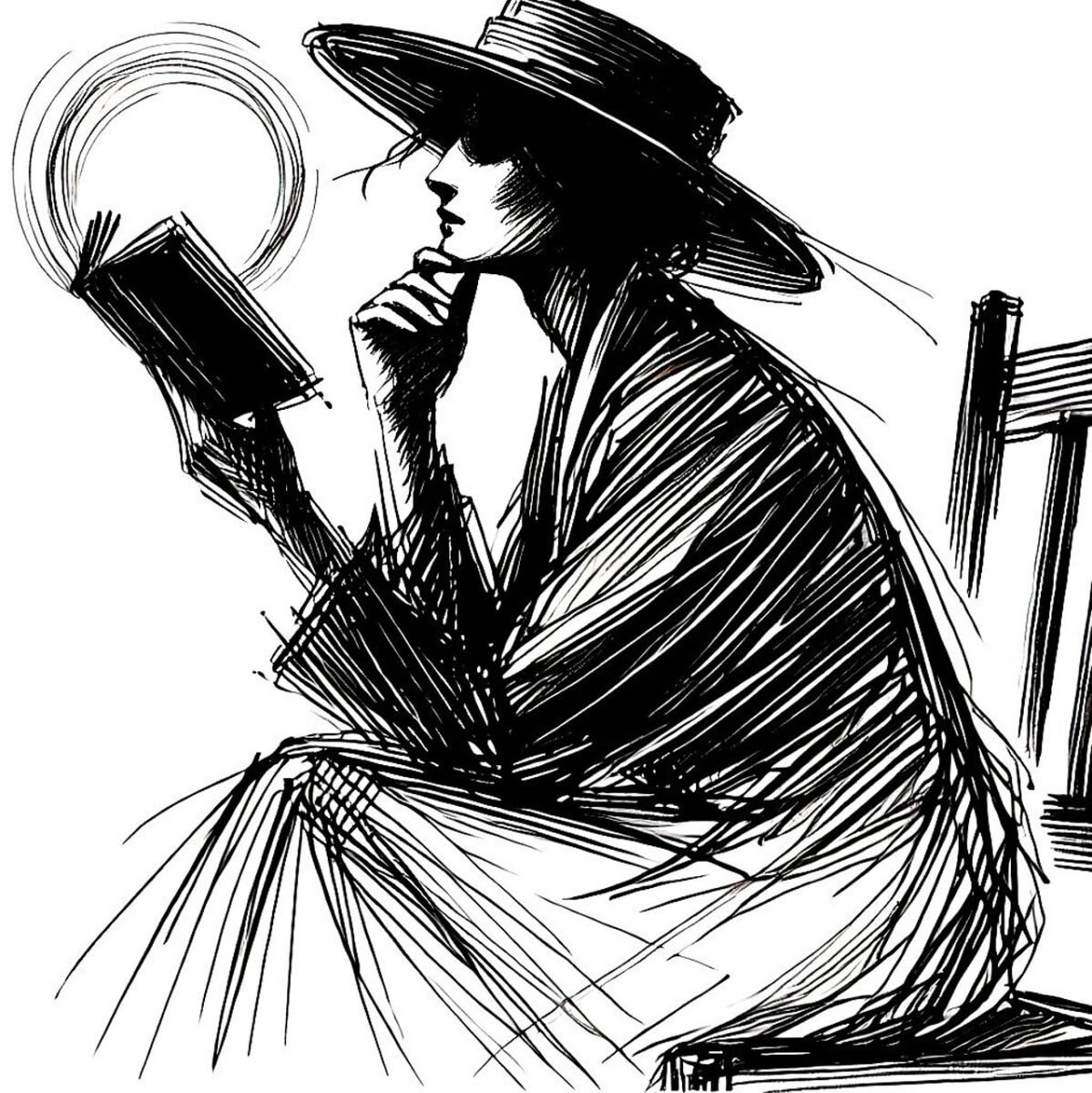
O caderno de versos que devolveu o sentido à sua jornada
Carlos tinha 62 anos e uma sensação que não encontrava nome: depois de se aposentar, e com a partida de sua esposa, Maria, para uma doença que levou pouco tempo, sentia que a sua vida tinha se desfeito como um papel velho. Os dias pareciam todos iguais, um silêncio pesado morava nos cantos da casa e os pensamentos vinham aos montes, confusos, sem ordem, como folhas secas levadas pelo vento. Ele acordava, arrumava a cama, fazia café, olhava pela janela e se perguntava: para que tudo isso, se não há mais ninguém esperando por mim? Nenhuma conta, nenhuma lógica, nenhuma explicação prática conseguia responder a essa pergunta. O mundo parecia um lugar frio e sem sentido.
Um dia, ao arrumar uma gaveta esquecida, encontrou um caderno de capa escura, que havia sido de Maria. Esperava receitas ou anotações domésticas — mas, ao abrir, descobriu versos. Ela escrevia há anos, sem nunca contar a ele: falava do vento na janela, da beleza de um café compartilhado, da saudade que já imaginava sentir, da certeza de que a vida, mesmo com suas dores, valia a pena ser vivida. Ao ler aquelas palavras, Carlos sentiu algo estranho e suave acontecer dentro de si: de repente, aquela dor que parecia sem forma, sem nome e sem fim, ganhou voz. O caos dos seus sentimentos começou a se organizar. Ele não estava mais sozinho naquela sensação de perda — alguém que ele amava tinha passado por inquietações parecidas, e tinha conseguido transformar a dor em algo belo, que podia ser tocado e lido.
Aos poucos, ele passou a ler mais: poemas de Carlos Drummond de Andrade, de Cecília Meireles, de Manuel Bandeira — vozes da nossa terra, que falavam com a sua língua, com a sua maneira de ver o mundo. E a poesia foi fazendo o seu trabalho, devagar, sem pressa. Ao ler versos que descreviam a solidão ou a passagem do tempo, ele percebia que não era o único a sentir aquilo: a sua dor pessoal se tornava parte de uma história maior, uma experiência comum a todos os seres humanos, e isso trazia um alívio profundo, quase libertador. Ao se colocar no lugar dos poetas, ao sentir o que eles diziam, ele passou a olhar com mais cuidado para as pessoas ao redor — para o vizinho que andava cabisbaixo, para a atendente do mercado que sorria com esforço — e compreendeu que cada um carregava suas próprias dores e anseios, mesmo que não os dissessem. A sua capacidade de entender o outro cresceu, sem que ele percebesse: a empatia se tornou parte do seu dia a dia.
Quando os pensamentos vinham confusos e agitados, um verso certo trazia clareza, como se uma luz acendesse dentro de si. E, pouco a pouco, ele foi ganhando força para seguir: percebeu que a perda não apaga o que viveu, que a saudade é também uma forma de amor, e que a incerteza faz parte do caminho. A poesia lhe deu resiliência: mostrou que gerações e gerações passaram por dificuldades iguais às suas, e conseguiram transformar sofrimento em beleza e reflexão.
Hoje, Carlos lê um poema todas as manhãs. Não corre mais atrás de um sentido grandioso ou de respostas definitivas. Aprendeu, com a sensibilidade lírica, que a plenitude da vida não está no quanto conquistamos ou no quanto nos apressamos, mas na intensidade com que vivemos cada pequeno momento: o sol que entra pela janela, o sabor do café, a lembrança suave de quem amamos. Ele descobriu que a poesia não dá todas as respostas — mas nos ensina a ver, a sentir e a valorizar a nossa breve e preciosa passagem pelo mundo. E isso, afinal, é tudo o que precisamos para caminhar.
-

A Poesia: A Arte que Dá Sentido à Nossa Passagem pelo Mundo.
Viver é, antes de tudo, uma experiência repleta de mistérios, contradições e perguntas que raramente encontram respostas definitivas. No meio da correria do dia a dia, entre preocupações, alegrias passageiras e dores que parecem não ter nome, muitas vezes sentimos que nossos pensamentos estão espalhados, como folhas levadas pelo vento. É nesse cenário que a poesia surge como uma das criações mais profundas e necessárias da humanidade: uma ponte delicada, mas firme, que nos conecta a nós mesmos e ao mundo que nos cerca.
A criação poética funciona como uma ferramenta especial de mediação entre o indivíduo e toda a complexidade da existência. Ao escolher cada palavra com cuidado, ao dar ritmo e forma ao que antes era apenas um sentimento vago ou um turbilhão de ideias confusas, o poeta consegue fazer algo extraordinário: ele ordena o caos que existe dentro de cada um de nós. Dá forma visível ao que é abstrato, voz ao que estava calado e sentido ao que parecia sem explicação. Essa organização não é apenas um exercício estético — ela traz um alívio profundo, quase libertador. As dores pequenas e grandes da vida cotidiana deixam de ser sofrimentos isolados e ganham a dimensão de reflexão compartilhada, transformando experiências pessoais em algo que pertence a todos. A poesia se torna, assim, um espelho no qual reconhecemos nossas próprias buscas, nossos medos e nossos desejos mais profundos.
E seus benefícios vão muito além do simples prazer de ler ou ouvir versos bonitos. Ao nos aproximarmos da arte lírica, passamos por transformações que tocam o mais íntimo do nosso ser. Ao nos colocar no lugar de quem escreveu, ou ao sentir o que um verso desperta em nós, desenvolvemos naturalmente uma capacidade maior de compreender as dores, os anseios e as motivações das outras pessoas — nossa empatia se amplia, e percebemos que, apesar das diferenças, compartilhamos uma mesma essência humana. Ao encontrarmos em um poema palavras para aquilo que sentimos mas não conseguimos dizer, nossos pensamentos se organizam, as ideias se esclarecem e a confusão dá espaço a uma sensação de paz e clareza. E, acima de tudo, a poesia nos ajuda a construir resiliência: ao ver que sentimentos como perda, saudade ou incerteza foram vividos e transformados em beleza por tantas pessoas antes de nós, ganhamos força para enfrentar as perdas e os desafios que são parte inevitável da nossa jornada.
A sensibilidade que a poesia desperta em nós traz ainda uma lição preciosa: ela nos mostra que a plenitude de uma vida não se mede por quanto conquistamos ou corremos, mas sim pela intensidade com que vivemos cada momento presente. Em um mundo que nos empurra sempre para o futuro, que nos faz correr atrás do que ainda não temos e esquecer do que está diante de nós, a arte lírica nos ensina a parar, a observar e a sentir. Quando nos abrimos para ela — especialmente para a riqueza da nossa literatura brasileira, que retrata com tanta verdade a nossa forma de ser — percebemos como a poesia consegue capturar, com uma precisão que a razão por vezes não alcança, a essência da nossa breve, mas preciosa, passagem pelo mundo.

