The intersection of technology and creativity has always been a fertile ground for revolution, but nothing has disrupted the landscape quite like the rise of artificial intelligence. Not long ago, digital art was defined by graphic tablets, vector points, and hours of meticulous manual rendering. Today, a new wave of AI-powered tools is shifting the paradigm, turning text into vivid imagery and algorithms into co-creators. This shift is not just changing how art is made; it is redefining what it means to be an artist in the 21st century.
As generators like Midjourney, DALL-E, and Stable Diffusion become household names, the art community finds itself at a fascinating crossroads of awe and uncertainty. Some view these tools as a threat to traditional craftsmanship, while others see them as the ultimate liberation of human imagination. Regardless of where one stands, one thing is undeniable: the canvas has changed forever, and the dialogue between human intuition and machine intelligence is giving birth to a brand-new era of visual expression.
From Pixels to Prompts: The New Creative Canvas
For decades, the digital artist’s toolkit was defined by physical input devices and complex software interfaces. Mastering digital art meant spending years learning the nuances of pressure-sensitive styluses, layers, blending modes, and vector paths. Today, however, the primary tool of the digital artist is rapidly becoming the written word. Prompt engineering—the art of crafting precise textual descriptions to guide AI generators—has emerged as a new creative language, transforming abstract thoughts into complex visual realities in a matter of seconds.
This transition from pixels to prompts has democratized the creative process in unprecedented ways. Individuals who previously lacked the technical motor skills to draw or paint can now bring their vivid inner worlds to life, lowering the barrier to entry for visual storytelling. However, this democratization does not render the traditional artist obsolete. Instead, it shifts the value of art from sheer technical execution to conceptual depth. In this new landscape, the strength of an artist’s vision, their cultural references, and their ability to curate and direct the AI are what truly set their work apart.
Furthermore, working with AI is rarely a one-click affair for professional creators. It has evolved into a highly collaborative, iterative dialogue between human and machine. Artists use AI to generate initial mood boards, experiment with color palettes, or brainstorm compositions, which they then paint over, photobash, or refine using traditional digital tools. The prompt is not just a command; it is the beginning of a conversation, where the algorithm offers unexpected variations that push the artist’s imagination into territories they might never have explored on their own.
Beyond the Brush: How Algorithms Shape New Mediums
Artificial intelligence is doing far more than simply mimicking traditional painting styles; it is actively forging entirely new artistic mediums. Beyond static 2D images, algorithms are now driving generative art installations, interactive digital sculptures, and dynamic virtual reality environments. These systems can process real-time data—such as weather patterns, social media feeds, or viewer movements—and translate them into ever-evolving visual landscapes. In this space, the artwork is never truly finished; it exists as a living, breathing entity shaped by code.
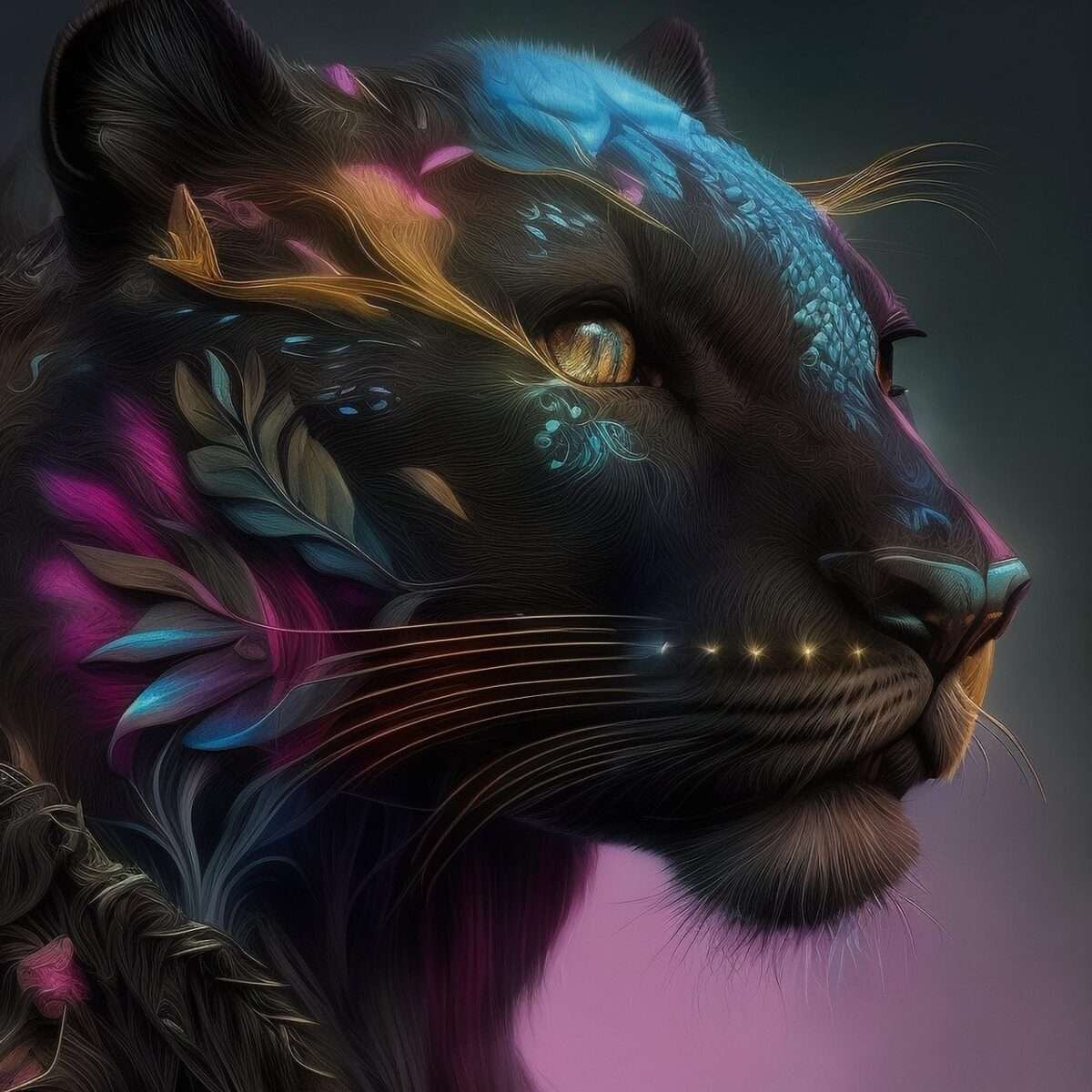
This algorithmic influence has birthed a unique aesthetic characterized by dreamlike surrealism, hyper-complex mathematical patterns, and uncanny textures. Artists are intentionally pushing AI models to their limits, leveraging "hallucinations" and processing glitches to create hauntingly beautiful abstract pieces. By embracing these algorithmic anomalies, creators are defining a new visual movement that celebrates the tension between human intention and machine error. It is a medium where the brush is made of data, and the paint is composed of probability distributions.
As these new mediums flourish, they also force us to confront profound philosophical questions about authorship and originality. When an algorithm analyzes millions of copyrighted images to generate a new piece, where does the intellectual property reside? The very nature of "originality" is being re-evaluated, prompting a global dialogue about ethics, copyright, and the intrinsic value of human touch in art. These debates are not merely side notes; they are actively shaping the medium itself, influencing how digital art is exhibited, sold via blockchain technology, and perceived by the global art market.
Ultimately, artificial intelligence is not replacing the digital artist; it is expanding the horizon of what is possible. Just as the invention of photography once forced painters to move beyond mere realism and birthed Impressionism, the rise of AI is pushing contemporary creators to explore deeper conceptual realms. The technology serves as a powerful mirror, reflecting our collective cultural memory and challenging us to redefine the boundaries of human expression.
As we step further into this hybrid creative future, the synergy between human emotion and algorithmic computation will undoubtedly yield art forms we cannot yet conceive. The true magic of this evolution lies not in the sophistication of the code, but in the enduring human desire to connect, tell stories, and find meaning through visuals. AI may be writing the new rules of digital art, but it is the human spirit that continues to give it soul.


Deixe um comentário