
🐾
Each rescue, veterinary treatment and meal is only possible thanks to the generosity of those who care. Often, the costs of castrations, vaccines, exams and emergency hospitalizations outweigh the resources available, and direct financial assistance is the fastest and most effective means of ensuring the necessary care for street animals.
How to contribute:
You can easily and quickly make your donation using the keys below:
Pix: reas63@hotmail.com
PayPal: reas63@hotmail.com
Their collaboration guarantees food, medication, and a dignified new beginning for those who have only love to give.
Any value makes a huge difference in the life of a rescued pet. Thank you so much for supporting this cause!
Tag: # Human values
-
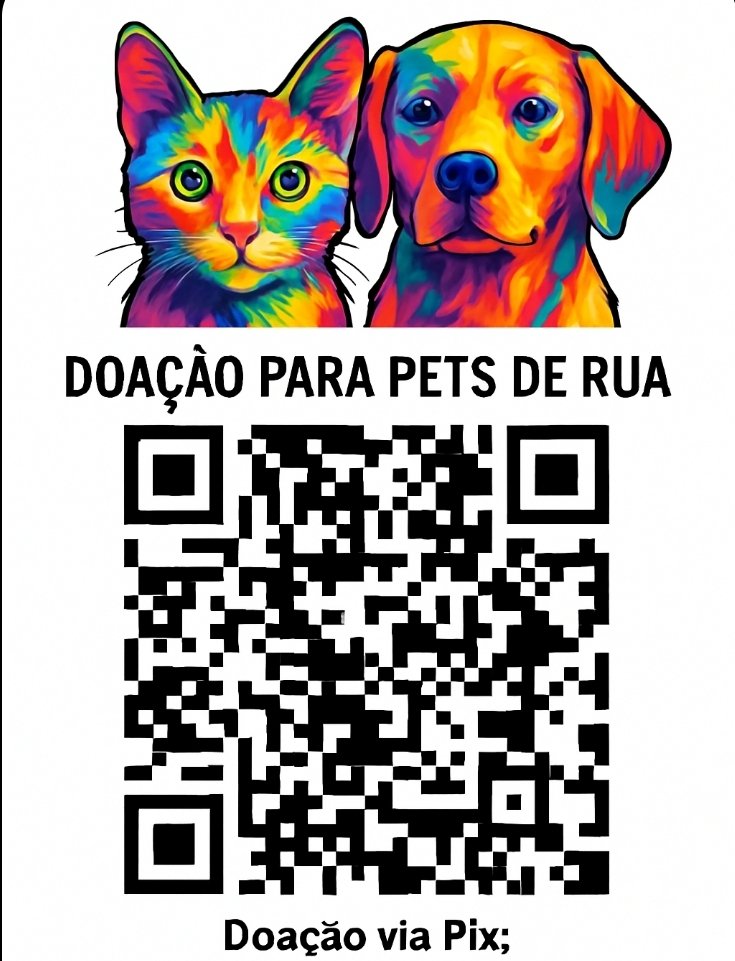
Support the Animal Cause: Your Money Save Life Donation!
-
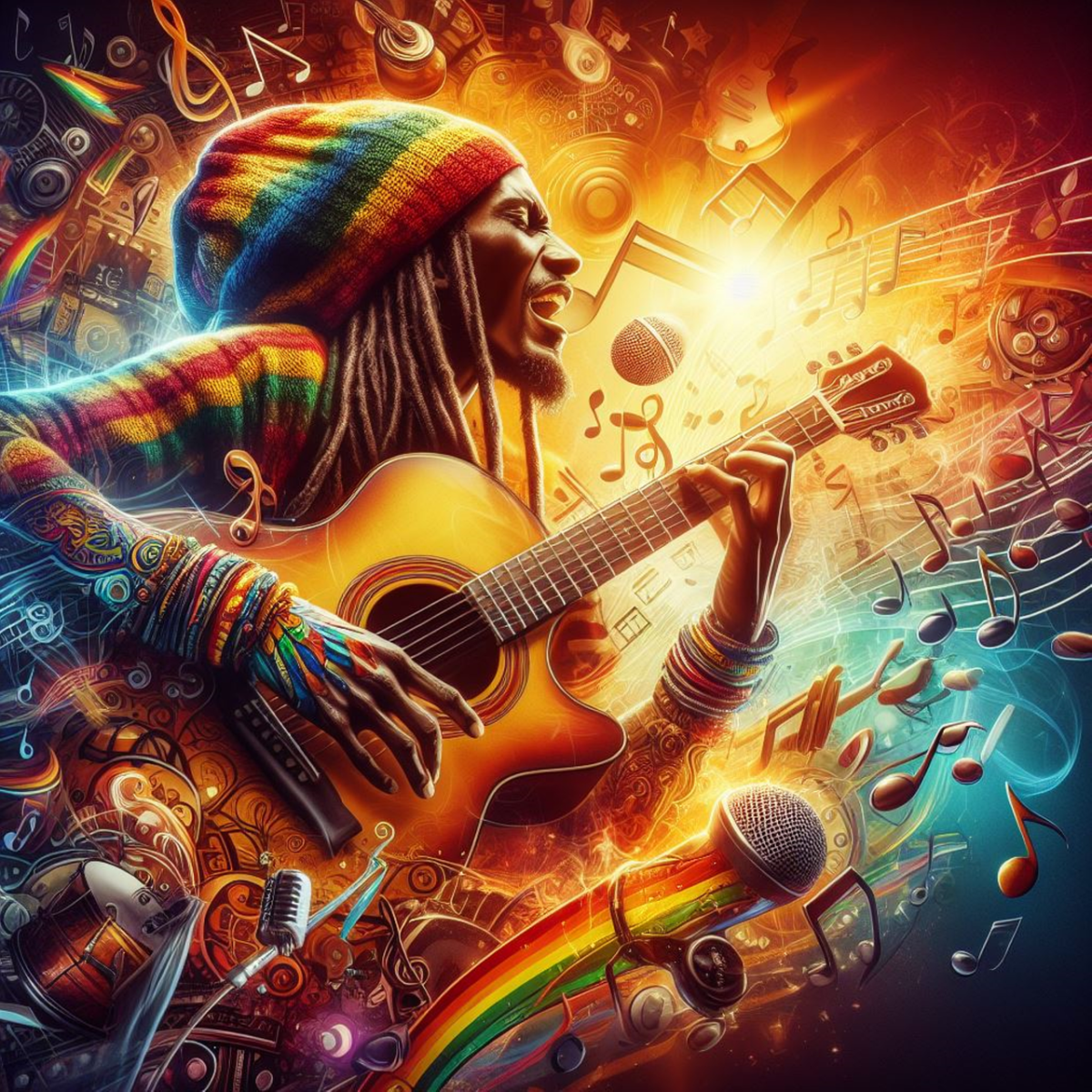
Like Maranhão, Brazil became Brazilian Jamaica
It was a mixture of chance, poorly tuned radio and much need for belonging.
In the late 1960 ’ s and early 1970 ’ s, in São Luís, some people began to pick up in short waves Caribbean seasons. Another version of the story says it was sailors and dockers who brought Jamaican Vinis through the port. One way or another, the records have arrived.
The first one was DJ Riba Macedo in 1975. He began playing the parties on the outskirts and the rhythm instantly glued to the black youth of the city. It wasn't just the music. That's what the lyrics said about poverty, racism, resistance, black pride. It sounded like their story, except with another accent.
And then came what really changed everything: the radios.
Inspired by Jamaica's sound systems, they became giant walls of sound boxes with dozens of amplifiers, lights, and a DJ in charge. Names such as the Golden Voice Canarinho of DJ Locksmith, one of the pioneers, became legendary. They dominated the clubs and the street parties. The radio dispute took thousands of people. And every booming song turned into a "melo" or a "stone" – the crowd often didn't even understand English, but baptised the music for the chorus I heard.
The reggae from there also looked different. More romantic, slower, to dance with two, quite different from the original Jamaican swing. Mixed with Bumba My Boi, Creole Drum, capoeira. It became fashion, way to talk, to dress in the colors green, yellow and red, to cut the hair.
For a long time he was marginalized and even repressed by the police, but he became too big to ignore. Today São Luís has over 200 active radiolas, hundreds of bands like the Jah Tribe, radio shows, theme bars. In 2018 the city inaugurated the Reggae Museum of Maranhão, the first outside Jamaica and the second in the world, and officially won the Reggae National Capital title.
That's why the nickname got so strong. As the director of the Museum said, Ademar Danilo: the reggae is Jamaican, of course, but it is also Maranhense now. It didn't come as a foreign invader, it came as a brother who was born elsewhere. -

The Invisible Character Test: Who are you? When there's nothing to gain.
In a world increasingly shaped by appearances and the relentless search for recognition, human relations run the risk of becoming mere business counters. It is easy and even strategic to distribute smiles, demonstrate kindness and offer attention when the person in front of us occupies a prominent position or has influence to leverage our goals. However, the true measure of a man is not in calculated cordiality, but in the way he chooses to treat those who can bring him no benefit. The real ethical challenge is to act with respect, dignity and empathy when the equation of personal interest zeros and there is absolutely nothing to gain in return.
Throughout the journey of life, we all establish connections with people who occupy the most different social, professional or economic positions. It is precisely in this tapestry of daily interactions that masks usually fall. The way someone reports to a cleaning officer, the patience shown with an elderly person, the look directed at a child or the courtesy extended to an unknown on the street reveal values much deeper than any inflamed speech or carefully constructed image on social networks. When behavior changes drastically according to the status or power of those ahead, what is manifested is not education, but an opportunism disguised as etiquette.
This reflection goes far beyond superficial manners; it touches the core of human integrity. True ethics manifests itself precisely in moments of invisibility, when no one is watching or when action will generate no kind of dividend or future favor. After all, character is not a grand and isolated event, but a solid construction shaped by small attitudes repeated daily. It is the small everyday gestures that function as the most faithful mirror of the soul. In the end, the real greatness of a person will never be based on the sum of his material achievements or his titles, but on the dignity with which he chooses to treat those who can offer him nothing in return other than his own humanity. -

A Estética do Fluxo: Como o Vídeo Digital Redefine a Percepção Visual
A Estética do Fluxo: Como o Vídeo Digital Redefine a Percepção Visual
Vivemos em uma era onde a imagem estática deu lugar ao fluxo contínuo. O vídeo digital, mais do que um simples formato de arquivo, tornou-se a linguagem predominante da nossa consciência conectada. No biobit.online, exploramos como essa transição altera não apenas o que consumimos, mas como processamos a realidade. A “Estética do Fluxo” refere-se a essa nova sensibilidade visual, onde o movimento, o ritmo e a transição são os pilares da narrativa contemporânea.
A Evolução do Olhar Digital
Desde os primeiros experimentos cinematográficos até os algoritmos de vídeos curtos que dominam as redes sociais hoje, a evolução foi drástica. O espectador moderno desenvolveu uma capacidade de absorção rápida, onde a informação visual é processada em frações de segundo. Essa aceleração exige que criadores de conteúdo e artistas digitais dominem a arte da síntese visual. O movimento não é mais apenas um adorno; é o próprio veículo da mensagem.
A tecnologia de alta definição e as taxas de quadros elevadas permitem uma imersão que beira o hiper-realismo. Quando olhamos para um vídeo digital bem produzido, não estamos apenas observando uma cena; estamos sendo transportados para uma nova dimensão sensorial. Essa imersão é o que chamamos de “presença digital”, onde a barreira entre a tela e o observador se torna cada vez mais tênue.
O Vídeo como Ferramenta de Expressão Bio-Digital
Na interseção entre o biológico e o digital (o conceito BioBit), o vídeo atua como uma extensão do nosso sistema nervoso. Ele captura a fluidez da vida e a organiza através de bits e pixels. Artistas generativos estão usando inteligência artificial para criar fluxos visuais que reagem a estímulos em tempo real, criando uma forma de arte viva que nunca se repete. É a simbiose perfeita entre a imprevisibilidade da natureza e a precisão do código.
Além disso, o vídeo digital democratizou a criação artística. Hoje, um smartphone é uma produtora completa, permitindo que vozes de todos os cantos do mundo compartilhem suas visões únicas. Essa pluralidade de perspectivas enriquece o ecossistema digital, trazendo texturas e narrativas que antes eram ignoradas pelas grandes mídias tradicionais.
Conclusão: O Futuro é em Movimento
O futuro da comunicação e da arte é, sem dúvida, em movimento. À medida que avançamos para tecnologias de realidade aumentada e virtual, o vídeo deixará de ser algo que assistimos para se tornar algo que habitamos. A Estética do Fluxo continuará a evoluir, desafiando nossos sentidos e expandindo nossa imaginação. No final das contas, o vídeo digital é o espelho de uma humanidade que nunca para, sempre em busca de novas formas de ver e ser vista.

