
When it comes to weight loss, morning meal is usually the center of intense debates. After all, what works best to start the day: a protein-reinforced dish to stop hunger or a meal overflowing fibers to regulate the organism? A recent cross-interruption study decided to put these two approaches to the test, subjecting the participants to 28 days of each protocol and delivering valuable discoveries on how our metabolism actually responds to each nutrient.
During the experiment, researchers provided all meals of volunteers in two well-defined regimens. The first protocol focused on a high fiber content, ensuring about 30 grams daily from ingredients such as wheat bran, lentils and beans. The second directed 30% of all daily calories to high-quality protein sources, such as eggs, meat and dairy products. In both diets, the distribution of calories followed a strategic logic: 45% of the total daily was concentrated at breakfast, 35% at lunch and only 20% at dinner.
The results showed that both paths lead to weight loss, but by completely distinct and fascinating pathways. The hyperprotein diet stood out for direct control of hunger. By stimulating the release of gastrointestinal hormones linked to reduced appetite, high protein intake significantly reduced the desire to eat throughout the day, facilitating the maintenance of a caloric deficit spontaneously.
On the other hand, the fiber-rich protocol had a slight advantage in overall weight loss due to its profound impact on metabolic health. Fermentable fibers served as a banquet for beneficial bacteria of the digestive tract, especially bifidobacteria. This proliferation strengthened the integrity of the intestinal barrier, combated low-grade inflammation and boosted butyrate production. — a short-chain fatty acid directly associated with increased insulin sensitivity. In practical terms, while the protein silences the stomach, the fiber rearranges the metabolic gear of the body.
The great lesson that the study leaves us is that we don't have to choose a side. Proteins and fibers act in a complementary way: a safe anxiety and hunger peaks, while the other nourishes the microbiota and optimizes energy expenditure. Bringing this discovery into daily routine is simpler than it seems. The most efficient way for those seeking to lose weight with health is to unite the best of both worlds at the first meal.
Set up a smart breakfast ensuring between 20 and 30 grams of protein — through eggs, natural yogurt or thin cheeses — combined with good sources of fiber such as oats, seeds or nuts. This synergy not only prolongs the sensation of satiety for hours and stabilizes blood glucose levels, but also ensures that your intestine works in favor of your goals.
Tag: health
-

Proteins or Fibers at breakfast? The Study That Reveals the Perfect Combination to Lose Weight.
-

Filled Rice Fried: Turn Leftovers into an Incredible Main Plate.
You know that early rice in the fridge? He can become a spectacular meal. This recipe combines the practicality of a frying pan with the creaminess of a filling of water in the mouth. The result is a light, golden fry with that cheese pulling that makes it look like a super elaborate dish.
🛒 Ingredients
For Mass:
2 cups of cooked rice
3 egg shakes
1⁄2 cup of grated carrot
1 tablespoon of grated parmesan cheese
1 teaspoon baking powder
3 teaspoons of chopped green smell
1⁄2 teaspoon calabresa pepper
1⁄2 teaspoon of salt
1 tablespoon of olive oil (a little more to grease)
For Fill:
150 g of grated mozzarella cheese
1 tablespoon cream cheese
50 g of fried bacon in cubes
1 tablespoon of cooked and well chopped broccoli
👩🍳 Preparation Mode
Prepare Fill: In a bowl, mix the mozzarella, the curd, bacon and broccoli. Reserve.
Do the pasta: In another container, add the beaten eggs, rice, carrot, parmesan, yeast, green smell, pepper, salt and olive oil. Shake well until you get a moist, homogeneous mixture.
Mount on the Fryer: Garnish a non-stick pan with olive oil and bring it to the low heat. Pour half the rice dough and spread even with a spoon.
Add Fill: Distribute the mixture of cheese and bacon over the base, leaving a small free edge on the sides not to leak.
Cover and close: Place the rest of the rice dough on top and, with the spoon, set the edges to seal the deep fry.
Doure and Turn: Let it cook in low heat until the base is firm and well golden. Support a large dish on the skillet, turn carefully at once and slide the fry back to brown the other side. Serve immediately!
💡 Gold Tips
The Secret of the Turn: Just try to turn the fry when it's completely loose from the frying pan and with a firm bottom. Using a non-stick skillet and a dish larger than her edge guarantees success without breaking.
Avoid Humidity: You can vary the stuffing using chicken, ham or vegetables, but avoid ingredients with lots of sauce. Very moist fillings make the dough soft and make turning difficult. -

Coffee: 7 Health Benefits of Drink
The Coffee: One of the most cherished and present drinks in Brazilian daily life. More than a tradition or a moment of affection, coffee also stands out when the subject is health — and it is no wonder that Brazil is among the largest drinkers in the world. Far beyond just helping to awaken and increase energy, when consumed in a moderate and balanced way, it brings a number of advantages to the organism, being recognized today as a functional drink, rich in bioactive compounds that act positively throughout the body.
One of the best known effects is increased energy and focus. Caffeine, the main substance of the drink, acts directly on the central nervous system, improving alertness, concentration and mental performance. Therefore, it is a great ally of productivity, provided it is consumed in moderation and at appropriate times, avoiding periods very close to sleep.
In addition, regular consumption is associated with a lower chance of developing neurodegenerative diseases, such as Alzheimer's and Parkinson's. This happens thanks to their antioxidants, which protect brain cells against inflammatory and degenerative processes, contributing to maintain cognitive health over the years.
Heart health also gains important reinforcement. Studies show that moderate consumption reduces overall mortality and cardiovascular causes, including conditions such as hypertension, high cholesterol, heart failure and atrial fibrillation. The secret is to consume it without excess sugar, creams or fats added — thus, its antioxidant compounds favor the circulation and good functioning of the cardiac system.
For those who care for the weight, coffee is also a good partner. It accelerates metabolism and increases fat burning capacity, as well as improving performance during physical activities. These effects, added to healthy habits and balanced eating, indirectly help in the process of weight loss and maintenance.
Another positive point is the influence on mood and mental health. Consuming 2 to 3 cups a day is related to a lower risk of depression and anxiety. The explanation lies in the way drink stimulates the production of neurotransmitters such as dopamine and serotonin, substances that are fundamental to the feeling of well-being and emotional balance.
The liver also receives special protection. Frequent consumption reduces the chance of liver problems, such as fat accumulation, inflammations and even more severe diseases, thanks to the protective action of its natural components.
Finally, it is worth remembering that coffee is one of the largest sources of antioxidants in food. — often even more than fruits and vegetables. These substances fight free radicals, responsible for early aging and the appearance of various diseases, and also contribute to the health and appearance of the skin.
Even with so many benefits, conscious consumption is indispensable. Excess can cause anxiety, agitation, insomnia, and other unwanted effects. The ideal amount varies according to the sensitivity of each person, but balance is always the best way to enjoy everything that this traditional drink has to offer. -

The Silence that Screams: Fibromyalgia, Productivity and the Art of Listening to the Body.
We live in an era that worships the rush. The daily "runs", the sleepy nights for goals and the Hustle culture turned exhaustion into a kind of trophy of honor. But what happens when the body decides it can't — and won't — but follow this frenzied rhythm? For those who live with fibromyalgia, this response is not theoretical; it is felt in the skin, muscles and soul, every day.
Fibromyalgia is a complex condition marked by generalized chronic pain and severe fatigue that no sleep seems to be able to cure. However, reducing it to a set of physical symptoms is ignoring the true whirlwind it causes in the mind and routine of those who carry it. It is, above all, a painful mirror of our relationship with productivity and anxiety.
Imagine waking up tired, feeling like the body ran a marathon while you were sleeping. Still, the mind awakens under the pressure that must be produced. That's where the anxiety cycle sets in. The person with fibromyalgia often finds himself trapped in an invisible war line: on the one hand, the social and internal urgency of being useful, efficient and tireless; on the other, a body that begs for pause. The inability to deliver what the world requires generates guilt, and guilt feeds anxiety, which in turn tensions the muscles and amplifies physical pain. It's a perfect, cruel cycle.
This condition forces us to face one of our greatest modern difficulties: the inability to hear the signs of our own body. We were taught to silence discomfort. A painkiller is taken so that the headache does not disturb the meeting; coffee is taken to mask the sleep; exhaustion is ignored in the name of another hour of work. Exhaustion, or burnout, often goes side by side with fibromyalgia crises, functioning as a maximum limit that the organism imposes when the brain refuses to stop.
Fibromyalgia, in a way, is the body screaming what we spent years whispering. It undoes the myth that we are machines and throws us in front of our vulnerability. Learning to live with it requires a radical redefinition of the concept of success and productivity. Productive is not the one who destroys himself to deliver a result; productive is the one who can balance his deliveries with his well-being.
Listening to the body is not an act of weakness, but of survival and intelligence. For those with fibromyalgia, slowing down is not a choice, it is a medical need. And for the rest of the world, there's learning: we don't have to wait for the body to stop to finally start listening to it. To respect the limits themselves is, after all, the deepest form of self-respect. -
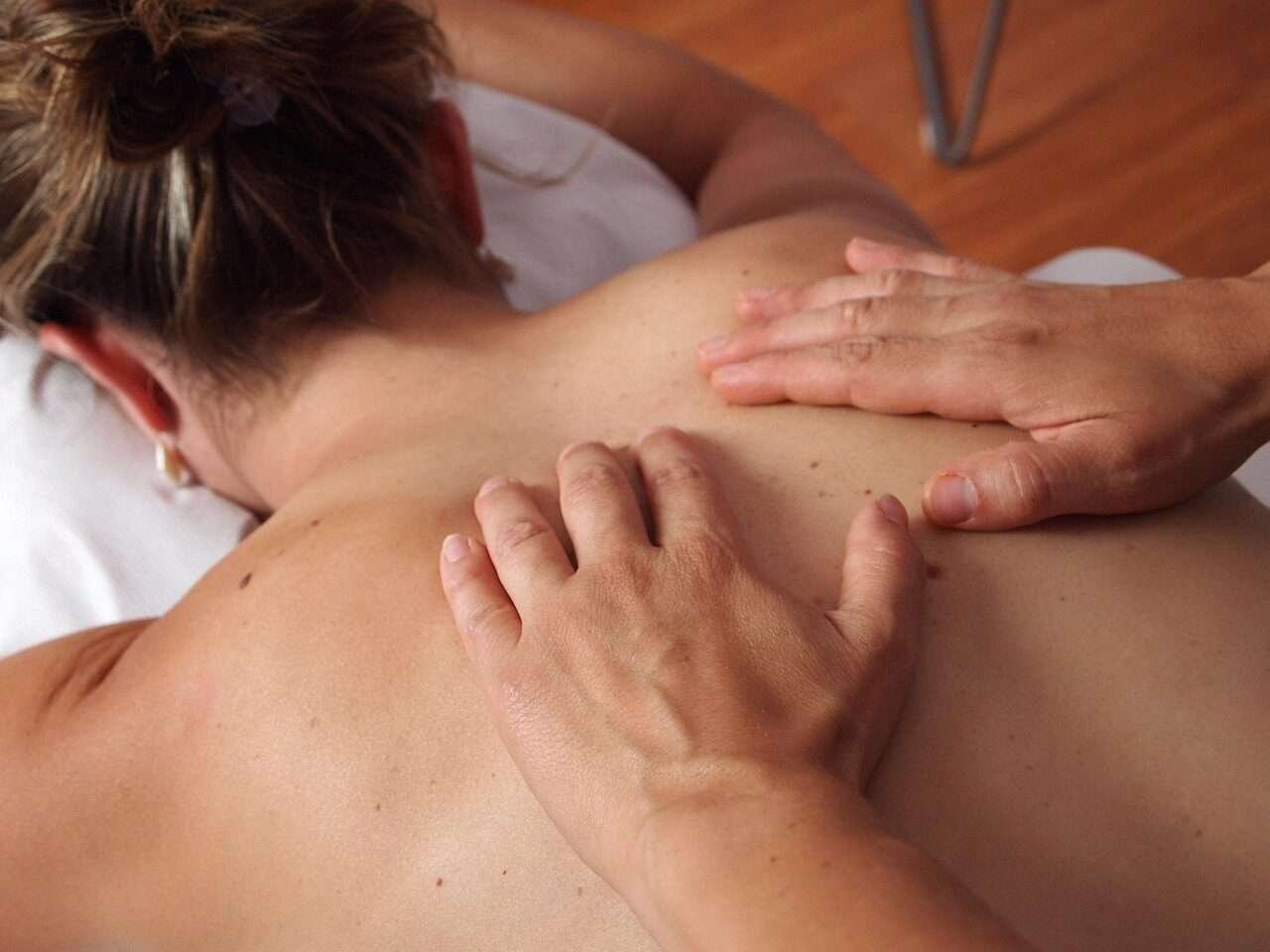
Dicas de postura para evitar dores nas costas.
Dicas de postura para evitar dores nas costas.Manter uma postura correta é fundamental para preservar a saúde da coluna e evitar dores que podem surgir tanto na rotina de trabalho quanto nas atividades do dia a dia. Muitas vezes, os desconfortos nas costas aparecem não por problemas sérios, mas sim por hábitos incorretos que repetimos por horas seguidas, como curvar o corpo para frente, apoiar-se de forma errada ou carregar peso de maneira inadequada. Uma boa postura significa manter o alinhamento natural da coluna — com as curvas leves na região cervical, torácica e lombar —, distribuindo o peso do corpo de forma equilibrada para não sobrecarregar músculos, vértebras e discos. Ao sentar, especialmente por longos períodos, mantenha a coluna ereta e encostada no encosto da cadeira, os pés apoiados totalmente no chão e os joelhos na altura ou um pouco abaixo dos quadris. Evite cruzar as pernas, pois isso desequilibra a pelve e causa tensão na lombar. Se trabalha com computador, a tela deve estar na altura dos olhos para não precisar inclinar a cabeça para baixo ou para trás, e os braços devem ficar apoiados com os cotovelos em um ângulo de 90 graus. Ao ficar em pé, distribua o peso igualmente entre os dois pés, mantenha os ombros relaxados e para trás, o peito aberto e o abdômen levemente contraído, evite ficar com o corpo curvado ou apoiar todo o peso em apenas uma perna. Para se mover com segurança, atenção especial ao levantar objetos do chão: dobre os joelhos e agache, mantendo a coluna ereta, levante o peso usando a força das pernas e não da coluna, e nunca vire o tronco enquanto segura algo pesado. Ao dormir, prefira colchão de firmeza média e travesseiro que mantenha a cabeça alinhada com a coluna; se dorme de lado, coloque um travesseiro entre os joelhos, e se dorme de costas, um travesseiro pequeno sob os joelhos ajuda a relaxar a lombar. Além da postura, faça pequenas pausas para se alongar a cada 40 ou 50 minutos, fortaleça a musculatura do núcleo com exercícios leves e mantenha um peso saudável — tudo isso reduz a sobrecarga e garante uma coluna mais protegida e sem dor.
-

Yoga e seus benefícios para corpo e mente.
Yoga e seus benefícios para corpo e mente A yoga é uma prática milenar que origina-se na Índia e une exercícios físicos, técnicas de respiração e meditação, com o objetivo de integrar corpo e mente. Diferente de atividades físicas que focam apenas na força ou resistência, ela trabalha o ser humano como um todo, promovendo equilíbrio entre o aspecto físico, emocional e mental. Ao longo do tempo, ela se tornou popular no mundo todo justamente por ser acessível a pessoas de todas as idades e condições físicas, adaptando-se às necessidades e limitações de cada um. Para o corpo, os benefícios são visíveis e variados. As posturas praticadas melhoram significativamente a flexibilidade, fortalecem os músculos, corrigem a postura e aumentam a resistência física. Além disso, a prática regular estimula a circulação sanguínea, melhora o funcionamento do sistema respiratório, alivia dores na coluna e articulações e ajuda a prevenir lesões. Como os movimentos são realizados com calma e atenção, a yoga também contribui para maior consciência corporal, fazendo com que a pessoa passe a conhecer melhor os seus limites e as suas potencialidades. No campo mental e emocional, a yoga é uma ferramenta poderosa de cuidado. As técnicas de respiração e concentração acalmam a mente, reduzem muito os níveis de estresse, ansiedade e tensão acumulada no dia a dia. Ela ajuda a melhorar a qualidade do sono, aumenta a capacidade de concentração e promove sensações de paz e bem-estar. Com o tempo, a prática também desenvolve autoconhecimento, paciência e equilíbrio emocional, tornando a pessoa mais preparada para lidar com os desafios da vida com mais serenidade e clareza.

