Há décadas, a ciência observa com fascínio o céu de outono e primavera, tentando decifrar um dos maiores espetáculos da natureza: a migração das aves. Pombos-correios e pássaros migratórios cruzam continentes, enfrentam tempestades e viajam milhares de quilômetros para retornar exatamente ao mesmo ponto de partida. Há muito se sabe que o segredo por trás dessa precisão cirúrgica envolve a leitura do campo magnético da Terra. O que ninguém imaginava, no entanto, é que o verdadeiro “GPS” dessas criaturas não estaria nos olhos ou no bico, mas sim escondido dentro de seu fígado.
Até recentemente, a comunidade científica se dividia em teorias divergentes para explicar a chamada magnetorrecepção — a capacidade de detectar o magnetismo terrestre. Uma das principais vertentes sugeria que as aves podiam literalmente “enxergar” as linhas magnéticas através de moléculas sensíveis à luz nos olhos (criptocromos). Outra corrente apostava na presença de partículas magnéticas microscópicas cravadas no bico, funcionando como agulhas microscópicas. Embora fascinantes, nenhuma dessas hipóteses havia apresentado evidências definitivas ou convincentes. O mecanismo exato permanecia um mistério, até que uma descoberta publicada na revista Comportamento Animal virou o jogo.
O estudo revelou que uma parte central desse enigma quântico está nos macrófagos do fígado, um tipo de célula que faz parte do sistema imunológico das aves. A função primária dessas células é bem conhecida: elas atuam como uma equipe de limpeza, decompondo os glóbulos vermelhos envelhecidos. Porém, é o efeito colateral desse processo que muda tudo. Ao reciclar o sangue velho, os macrófagos acumulam grandes concentrações de ferro. Esse acúmulo confere às células propriedades quânticas ultraespecificas, transformando-as em sensores biológicos capazes de reagir às sutis forças do magnetismo planetário.
O Teste Prático: Quando a Bússola Falha
Para comprovar que o fígado atua diretamente na navegação, os pesquisadores realizaram testes práticos com pombos. O resultado foi imediato e surpreendente: quando essas células imunológicas específicas do fígado estavam comprometidas ou temporariamente inoperantes, os pombos perdiam drasticamente a capacidade de orientação e enfrentavam severas dificuldades para encontrar o caminho de volta para casa.
“Foi uma grande surpresa constatarmos que essas células imunológicas atuam como sensores de campos magnéticos. Nossos resultados revelam um mecanismo até agora desconhecido para a percepção magnética nos animais”, destacaram os cientistas responsáveis pelo estudo.
Essa reviravolta quebra o paradigma de que funções sensoriais complexas dependem exclusivamente de órgãos tradicionais como a visão, a audição ou o sistema nervoso central. A biologia quântica agora precisa olhar para o sistema imunológico e metabólico com outros olhos. Ao converter resíduos de ferro no fígado em uma bússola interna perfeitamente calibrada, a evolução encontrou uma forma brilhante e econômica de guiar a vida através dos céus do nosso planeta.
Tag: ecology
-

A Bússola Oculta: Como as Células do Fígado Guiam o Voo das Aves.
-
The Future of Cities It's in the past: The Urban Mining Revolution.
In the bowels of contemporary metropolises, a new line of prospectors is changing the way we see human development. They don't use picks in deep mines, neither do they seek gold shafts in untouched lands. Armed with architectural plants, detailed inventories and a clinical look at the hidden value, these professionals practice urban mining. The concept is as simple as revolutionary: to transform old buildings, destined for demolition, into the most valuable raw material of the future.
Imagine a traditional construction site. The common scenario usually involves dust, the roaring of excavators and demolition balls reducing decades of history to a pile of confused debris, destined for landfills. Urban mining proposes the absolute opposite. Before heavy machinery gets on the scene, material hunters come in. Their work is a meticulous historical and ecological rescue. Experts search every floor to clear and save everything that has reuse potential elsewhere.
The spectrum of recovered treasures is vast. In a single expedition, it is possible to rescue from high luxury relics, such as Murano glass fixtures and massive oak floors, to the robustness of a handmade decorative masonry. Absolutely everything matters. From doors and windows to hydraulic tiles and structural beams, the recovered materials gain a new life, directly challenging the construction sector — historically one of the biggest villains in carbon emission and waste generation — mitigating its environmental impact.
The Challenge of Direct Reuse vs. Recycling
Although the concept gains strength through urgent research on material sustainability, circularity and economy, the market still faces a great cultural and logistical bottleneck. Currently, direct reuse of components in their original form (maintain windows, doors, beams, facade elements and sanitary facilities exactly as they are) is still the exception, not the rule.
To understand the true goal of circular economy, we need to differentiate common waste management practices:
Direct Reuse (Upcycling/Preservation): The component retains its original integrity, aesthetics and function, adding historical value and saving 100% of the energy that would be spent to manufacture a new piece.
Lowest Quality Recycling: The resulting product is clearly below the original material.
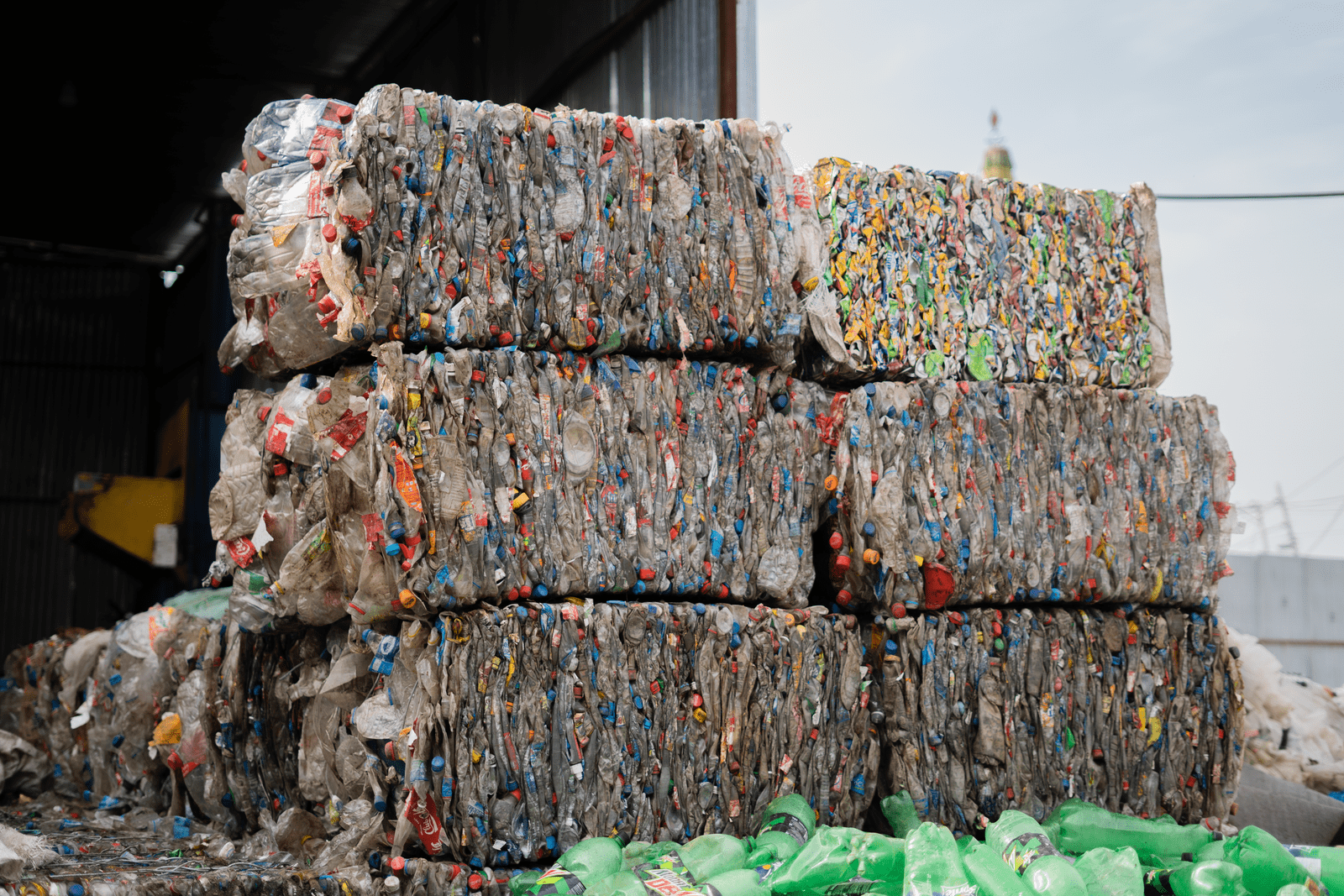
Degraded Reuse (Downcycling): The material is reused, but with severe loss of quality, value or functionality. This is what happens, for example, when a noble structural concrete is crushed to become only road paving base.
The main objective of urban mining is to stop downcycling. It is a question of understanding that a wooden beam of law or a period tile are not "potential entanglement", but valuable assets that deserve the lead in new architectural projects.
Building Tomorrow with Yesterday's Bricks
Feeding this circular gear requires modern architecture to change mentality. The new projects need to be designed already thinking about their future dismantling, and the old constructions should be viewed as temporary "material banks".
By connecting the past and the future, urban mining proves that sustainability does not need to be minimalist or dull. On the contrary: it brings personality, texture and history to the new constructions. When an old building becomes raw material, we not only clean the planet and reduce waste; we keep alive the very soul of urban identity. -

The Importance of Contact with Nature.
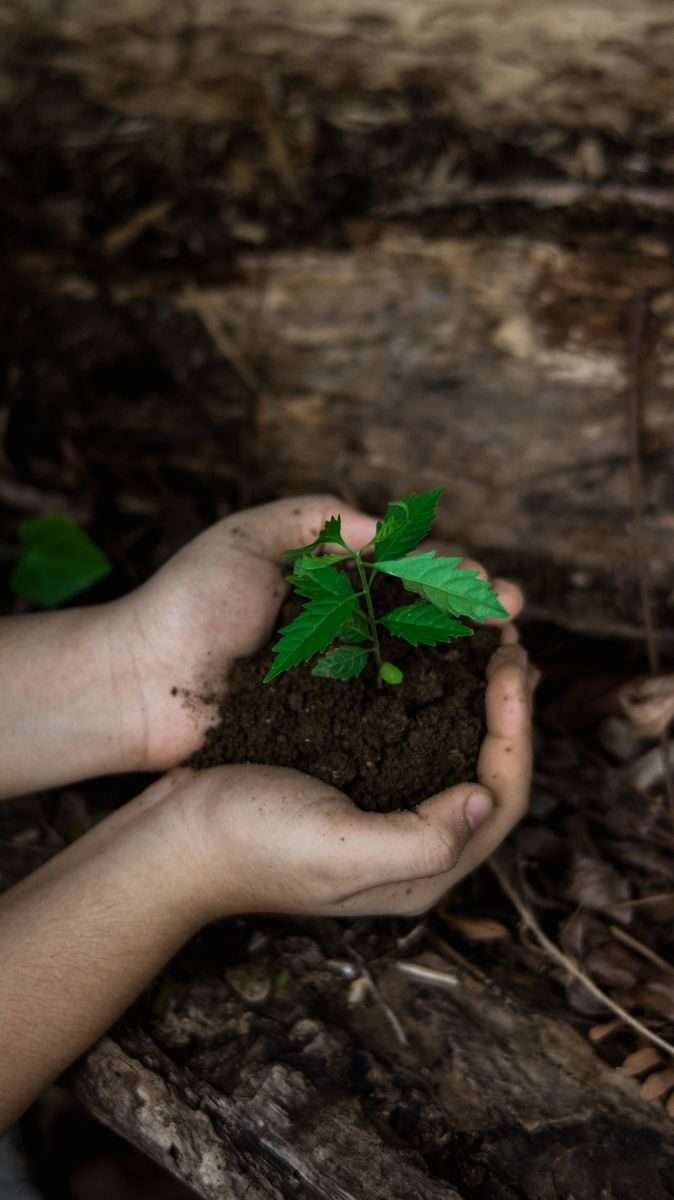
The Importance of Nature Contact Contact with nature is a fundamental element for the balance of human life, although it is often neglected in modern routine, marked by urban environments and constant technology. Being amid trees, rivers, fields or even small green spaces allows a connection with the environment that surrounds us, remembering our essential link with the planet. This relationship is not only aesthetic or recreational: it is part of what constitutes us as living beings, directly influencing the way we feel and interact with the world. The benefits to physical and mental health are proven and broad. Regular exposure to nature reduces levels of stress, anxiety and mental tiredness, as natural environments calm the nervous system and promote feelings of tranquility and well-being. In addition, walking, outdoor activities or simply observing the landscape improve the quality of sleep, strengthen immunity and stimulate creativity and concentration. For children and adults, these moments are fundamental to recharge energies and keep emotional health up to date. In addition to individual impact, contact with nature also strengthens environmental awareness and collective responsibility. Those who live with natural environments tend to value them more, understanding the importance of preserving resources, protecting species and maintaining the balance of ecosystems. Thus, leaving the closed environment and connecting with the natural world is not only a care for oneself, but also a step towards building a new
-

Urban gardens are a growing trend
For they allow to bring nature into the cities, where space is limited. Techniques such as vertical gardening, potted gardening and suspended gardens allow growing plants even in small apartments. In addition to beautifying the environment, these gardens contribute to improving air quality, reducing noise pollution and promoting physical and mental well-being for residents.
-

Gardening goes far beyond simply planting flowers or vegetables
É uma arte que transforma ambientes e eleva a qualidade de vida. Manter um jardim bem cuidado exige planejamento, paciência e dedicação. Ao escolher as espécies adequadas para o clima e o solo, você garante não apenas o crescimento saudável das plantas, mas também cria um espaço harmonioso e agradável. A jardinagem proporciona momentos de contemplação e alívio do estresse, fortalecendo a conexão com a natureza e estimulando a criatividade.
-

A jardinagem é uma prática terapêutica reconhecida mundialmente.
Estudos mostram que o contato com o solo, o cuidado com as plantas e a contemplação de um jardim bem cuidado reduzem os níveis de ansiedade e promovem sensação de bem-estar. Criar um espaço verde exige atenção à rega, à luz solar adequada e à escolha correta das plantas, mas o resultado é um ambiente revitalizado que harmoniza mente, corpo e alma.