
Open the wardrobe, look at the shelves or watch the screen on your phone. We live immersed in an ecosystem of objects that, according to the gear of modern consumption, should translate our essence. We were subtly conditioned to believe in a dangerous equation: that our personal value is directly proportional to the volume of what we accumulate. Brand clothing, the latest model of technology and impeccable decorations are no longer mere utilities to become a kind of second social skin. But the great truth we usually forget is that none of these things define us.
When we associate our identity with what we possess, we build an invisible prison with walls made of matter. We depend on external symbols to validate who we are, generating an incessant and exhaustive search for the next item on the list. After all, if I am what I have, what happens when I lose or when the object becomes obsolete? The answer is a chronic sensation of emptiness and inadequacy, a constant fear that our image will crumble if we are not surrounded by news.
Material detachment appears as a manifesto of freedom against this illusion. He invites us to remember that we are the observer, not the scenery. Our history, our values, our laughter and our ability to overcome are immaterial elements that no store can sell and no drawer can store. We are much deeper than what is exposed on our shelves.
Material detachment is not about living in scarcity, but about living with purpose. It is to understand that objects must serve our existence, and never the other way around. When we stop being held hostage, we rediscover our own autonomy.
The Cleaner Echoing From the Inside
It is wrong who thinks that the act of disarraying and organizing the physical space is only a superficial domestic task. There is a deep and intimate connection between the environment in which we live and the state of our mind.
The weight of excess: Keeping closets packed with clothes that we no longer use or boxes full of memories without use creates a constant visual noise. This excess saturates our attention and generates silent anxiety.
The power of conscious disposal: When we decide to donate, recycle or throw away what has already fulfilled its function, we move stagnant energy. Each object that comes out is a vote of confidence in the future and an immediate relief for the present.
Mental clarity: A minimalistic, clean and airy physical space functions as a mirror for the brain. Less material distractions translate into more focus, creativity, and peace of mind.
Making Space for What Really Matters
By breaking the umbilical cord that binds us to material attachment, an entirely new horizon unfolds. We realize that time and money previously spent on maintenance, search and concern for things can be channeled to the accumulation of another type of wealth: experiences.
A lighter life allows us to invest in what really leaves footprints in the soul — long conversations around the table, trips that expand the mind, learning a new skill or the simple privilege of having free time to do nothing. By emptying the excess drawers, we open a sacred space in the mind to welcome new ideas, more authentic relationships and a much more genuine presence in here and now. In the end, true sophistication — and true wealth — it consists of walking around the world with a light baggage and an immensely full soul of itself.
Tag: detachment
-
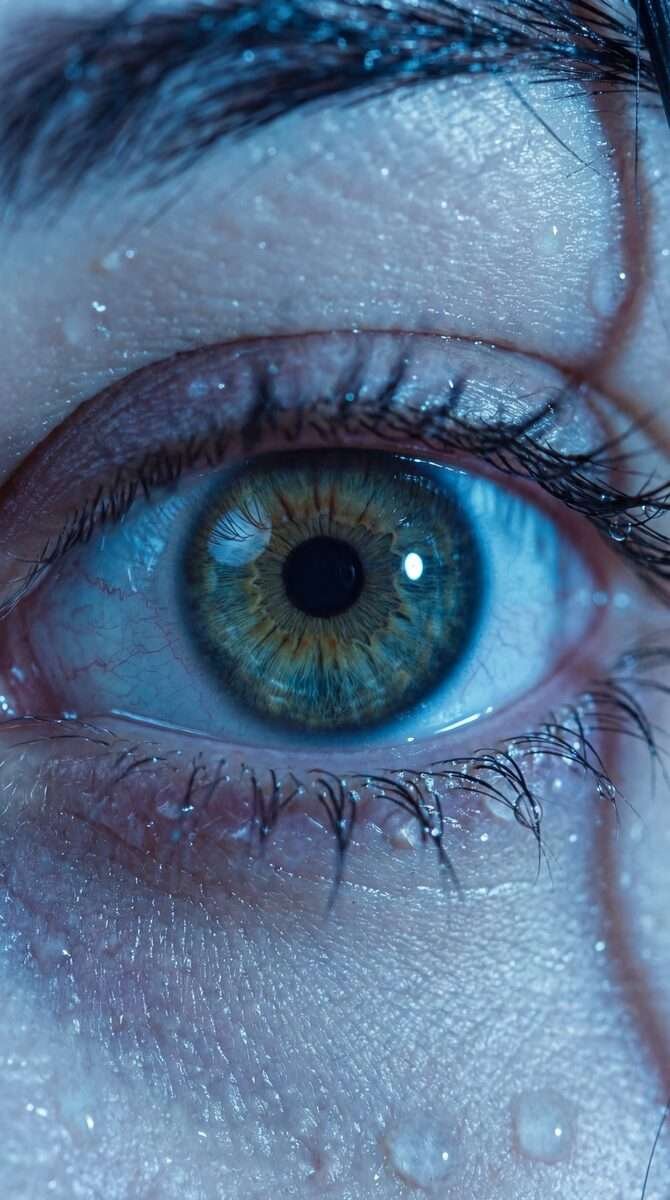
Beyond What Eyes See: Because things are not extensions of who we are.

