Tag: culture

  • The verse book that returned meaning to your journey

    The verse book that returned meaning to your journey

    Carlos was 62 years old and a feeling that he could not find a name: after he retired, and with his wife, Maria, leaving for a disease that took little time, he felt that his life had broken down like an old role. The days all looked the same, a heavy silence lived in the corners of the house and the thoughts came to the mountains, confused, unordered, like dried leaves carried by the wind. He'd wake up, make up the bed, make coffee, look out the window and wonder, what's the point of all this, if there's no one else waiting for me? No account, no logic, no practical explanation could answer that question. The world seemed like a cold, meaningless place.

    One day, when he got a forgotten drawer, he found a darkcover notebook that had been Maria’s. Expected recipes or household notes — But when he opened it, he discovered verses. She had been writing for years, never telling him: she spoke of the wind in the window, of the beauty of a shared coffee, of the longing I had imagined feeling, of the certainty that life, even with its pains, was worth living. As he read those words, Carlos felt something strange and soft happen within himself: suddenly, that pain that seemed formless, nameless and endless, gained voice. The chaos of your feelings began to organize. He was no longer alone in that sense of loss. — someone he loved had experienced similar concerns, and had managed to transform pain into something beautiful, that could be touched and read.

    Gradually he began reading more: poems by Carlos Drummond de Andrade, by Cecília Meireles, by Manuel Bandeira — voices of our land, who spoke with their tongue, with their way of seeing the world. And poetry was doing its job, slowly, without hurry. Reading verses that described loneliness or the passage of time, he realized that he was not the only one to feel it: his personal pain became part of a larger story, an experience common to all human beings, and this brought a profound, almost liberating relief. By putting himself in the place of the poets, by feeling what they said, he began to look more carefully at the people around — for the neighbor who walked low, for the market attendant who smiled with effort — and understood that each one carried his own pains and desires, even if they did not say them. His ability to understand the other grew, without him realizing it: empathy became part of his daily life.

    When the thoughts came confused and agitated, a certain verse brought clarity, as if a light lit up within it. And gradually, he was gaining strength to follow: he realized that loss does not erase what he lived, that longing is also a form of love, and that uncertainty is part of the way. Poetry has given him resilience: it has shown that generations have experienced difficulties like his own, and have managed to transform suffering into beauty and reflection.

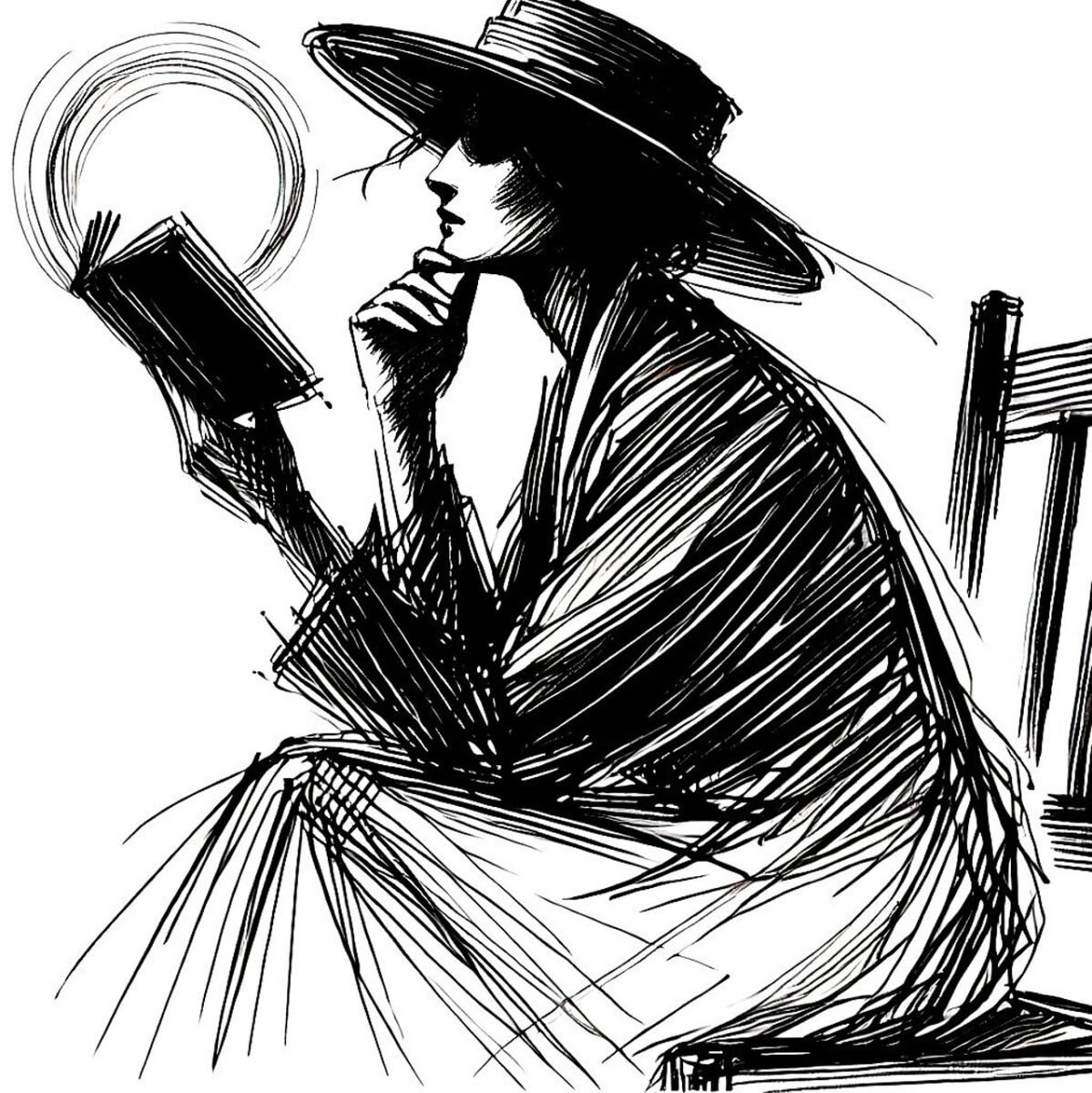
    Carlos reads a poem every morning today. He no longer pursues a grand sense or definite answers. He learned, with lyrical sensitivity, that the fullness of life is not in how much we conquer or how much we hurry, but in the intensity with which we live every small moment: the sun that enters through the window, the taste of coffee, the gentle memory of those we love. He found that poetry doesn't give all the answers — but it teaches us to see, feel and value our brief and precious passage through the world. And that, after all, is all we need to walk.

  • Poetry: The Art That Gives Sense to Our World Pass.

    Poetry: The Art That Gives Sense to Our World Pass.


    Living is, first of all, an experience full of mysteries, contradictions and questions that rarely find definitive answers. In the midst of the daily rush, among worries, passing joys and pains that seem to have no name, we often feel that our thoughts are scattered, like leaves carried by the wind. It is in this scenario that poetry appears as one of humanity's deepest and most necessary creations: a delicate but firm bridge that connects us to ourselves and to the world that surrounds us.

    The poetic creation functions as a special tool of mediation between the individual and the whole complexity of existence. By choosing each word carefully, by giving rhythm and form to what before was just a vague feeling or a whirlwind of confused ideas, the poet manages to do something extraordinary: he orders the chaos that exists within each of us. It gives visible form to what is abstract, voice to what was silent and felt to what seemed unexplained. This organization is not just an aesthetic exercise — It brings a deep, almost liberating relief. The small and great pains of everyday life cease to be isolated sufferings and gain the dimension of shared reflection, transforming personal experiences into something that belongs to everyone. Poetry thus becomes a mirror in which we recognize our own search, our fears and our deepest desires.

    And its benefits go far beyond the simple pleasure of reading or hearing beautiful verses. As we approach lyrical art, we undergo transformations that touch the most intimate of our being. By putting us in the place of those who wrote, or by feeling what a verse awakens in us, we naturally develop a greater capacity to understand the pains, desires and motivations of others. — our empathy expands, and we realize that despite the differences, we share the same human essence. When we find in a poem words for what we feel but cannot say, our thoughts are organized, ideas are clarified and confusion gives room for a sense of peace and clarity. And, above all, poetry helps us build resilience: by seeing that feelings such as loss, longing or uncertainty have been lived and transformed into beauty by so many people before us, we gain strength to face the losses and challenges that are inevitable part of our journey.

    The sensitivity that poetry awakens in us also brings a precious lesson: it shows us that the fullness of a life is not measured by how much we conquer or run, but by the intensity with which we live each present moment. In a world that always pushes us into the future, that makes us chase after what we do not yet have and forget what is before us, lyrical art teaches us to stop, observe and feel. When we opened up to her — especially for the richness of our brazilian literature, which portrays with such truth our way of being — we realize how poetry can capture, with a precision that reason sometimes does not reach, the essence of our brief, but precious, passage through the world.

  • O Eco da Sombra: As Raízes da Destrutividade Humana e o Resgate do Amor à Vida.

    O Eco da Sombra: As Raízes da Destrutividade Humana e o Resgate do Amor à Vida.


    Por que destruímos? Da violência urbana que molda as nossas rotinas às guerras que redesenham fronteiras geopolíticas, a agressividade humana muitas vezes parece uma força inevitável, um defeito de fabricação na nossa própria natureza. No entanto, reduzir a destrutividade a um simples “instinto animal” é ignorar a complexidade da nossa mente e da nossa estrutura social. A psicologia profunda e a sociologia nos mostram que a violência raramente é um ponto de partida; ela é, quase sempre, um ponto de chegada — o sintoma visível de fraturas profundas na experiência humana.
    Para compreender as origens dessa força sombria, a psicologia nos convida a olhar para o que acontece quando a vida é sufocada. O psicanalista Erich Fromm cunhou o termo necrofilia (não no sentido sexual, mas clínico) para descrever a paixão por tudo o que é morto, mecânico, controlado e destrutivo. Segundo sua perspectiva, a destrutividade humana surge precisamente quando o potencial criativo de um indivíduo é bloqueado. Quando uma pessoa é privada da capacidade de criar, de se expressar e de se conectar genuinamente com o mundo, a energia vital que deveria se transformar em amor e produtividade estagna e apodrece, convertendo-se em um impulso de controle, dominação e destruição. A agressividade hostil, portanto, nasce da impotência.
    No plano social, essa dinâmica é amplificada por estruturas que promovem o isolamento e a desigualdade. Vivemos em uma cultura hipercompetitiva que frequentemente reduz o valor humano ao que ele possui ou produz, transformando o outro em um rival a ser superado — ou em um obstáculo a ser removido. Quando o tecido social se esgarça e as conexões comunitárias são substituídas pelo individualismo extremo, o medo do outro cresce. É nesse terreno fértil de medo e desamparo que a violência se institucionaliza, alimentada por discursos de ódio que desumanizam grupos inteiros para justificar a agressão.
    Desarmar essa bomba-relógio biopsicossocial exige muito mais do que medidas punitivas ou o reforço da segurança pública; exige uma mudança radical de paradigma em direção ao que Fromm chamou de biofilia: o amor profundo à vida e a tudo o que é vivo.
    Promover a biofilia significa, em primeiro lugar, reestruturar nossa educação e nossas relações para priorizar a empatia e a inteligência emocional desde a infância. Precisamos de espaços — escolas, lares e ambientes de trabalho — onde a vulnerabilidade não seja sinônimo de fraqueza, mas sim o alicerce para vínculos autênticos. Quando um indivíduo se sente visto, seguro e pertencente a uma comunidade, a necessidade neurótica de dominar o outro perde a sua razão de ser.
    Além disso, a cura da destrutividade social passa por resgatar o contato com a natureza e com os processos criativos. A arte, o cultivo da terra, o cuidado com o meio ambiente e a celebração da cooperação não são distrações utópicas, mas antídotos biológicos e psicológicos urgentes contra o cinismo e a apatia que alimentam a nossa sombra coletiva.
    Compreender a nossa capacidade de destruir não deve nos levar ao desespero, mas sim ao despertar. A destrutividade humana é o grito de uma vida que foi distorcida. Ao escolher ativamente caminhos que alimentam a criação em vez do controle, e a conexão em vez do isolamento, nós retomamos as rédeas da nossa própria evolução, provando que a nossa maior força não está na capacidade de ferir, mas no poder revolucionário de amar a vida.

  • The Great Invisible Theatre: Like the Myths created humanity.

    The Great Invisible Theatre: Like the Myths created humanity.


    Look around you. The chair where you sit, the device you hold, the coin you use to pay for the coffee and the country whose flag is on your passport. None of this would exist without the greatest superpower of our kind: the ability to invent stories and believe them.
    The history of Homo sapiens is not only a chronicle of biological evolution or technological achievements; it is fundamentally the story of how we become the largest storytellers on the planet. About 70,000 years ago, the Cognitive Revolution turned into a common primate, who disputed space in the African savannah with lions and hyenas, into the undisputed ruler of the Earth. The secret of this twist was not physical strength or a brain just slightly larger, but the imagination of shared fictions.
    Unlike other animals, who can only cooperate in small groups based on intimate knowledge and physical touch — as chimpanzees, whose social limit revolves around 150 individuals —, humans have discovered how to collaborate with millions of unknowns. And the cement that holds this colossal gear together are the imagined orders: myths that exist only in our collective mind, but that shape material reality with an overwhelming force.
    Money is perhaps the most successful and universal myth ever created. A piece of paper or a handful of bits on a screen have no intrinsic value; you cannot eat them or shelter yourself in them. However, billions of people wake up every day to work in exchange for these coins because we all share the same faith that the neighbor, the baker and the government will also believe in their value. Money is mutual trust transformed into matter.
    Likewise, nations and religions operate under the same logic of mass cooperation. An imaginary line drawn on the map creates the identity of a country, making people who have never seen each other in life ready to die and kill in the name of a flag. Gods, laws, human rights and even limited companies are legal and cultural fictions that organize the chaos of the real world, allowing us to build skyscrapers, organize health nets and send rockets into space.
    The great paradox is that these myths, created to serve us, have ultimately profoundly shaped our current psychology. Our mind still carries the hunter-collector instincts that needed to survive in the jungle, but today we operate in a hypersocial world of abstract connections. We suffer from anxiety because of floating numbers in the stock market, we conflict by ideological differences and seek belonging to digital tribes. We were shaped to believe, and it is this belief that makes us capable of more heroic altruism or more systemic cruelty.
    Understanding our trajectory under this macro lens gives us a lucidity shock. The world we live in is not an absolute and unchanging truth, but a tapestry woven by human imagination. And if we're the ones who invented the rules of the game that we play today, that means we also have the power to rewrite tomorrow's stories.

  • The Soul Mirror: What Your Secret Songs Reveal About You.

    The Soul Mirror: What Your Secret Songs Reveal About You.


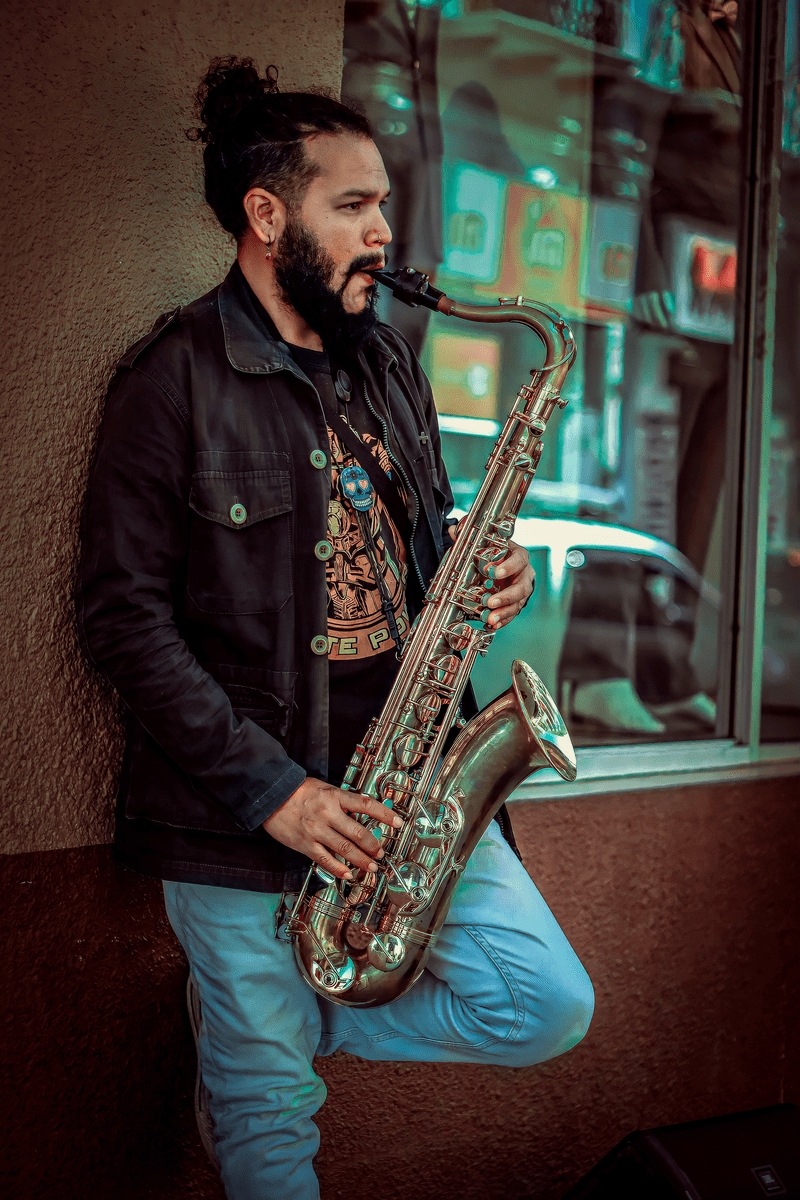
    Music has an almost magical power to shape itself to our deepest feelings. In everyday life, we are constantly bombarded by background sounds: the generic melody that echoes in the elevator, the ambient pace of the supermarket or that accelerated beat that serves only to dictate the pace of the steps during a race. But these urban noises say very little about who we really are. The real connection happens in silence, at that exact moment when alone, one chooses the soundtrack itself. What you hear when there is no one else around is not just entertainment; it is a portal to uncover what the playlists reveal about deeper feelings, memories and the unconscious itself.
    More than distraction, the songs eventually become a kind of translation into emotional life. Playlists are created for travel, to overcome relationships or to achieve moments of extreme concentration. A curiosity of the present times is that streaming algorithms seem to have understood, before ourselves, that the human mind is made of repetition. Even if technology does not decipher the totality of human complexity, it certainly knows a lot about emotional cycles and affective patterns that guide choices in times of vulnerability. Each click on play works as a subtle diagnosis of the current state of mind.
    There is a fascinating dynamic in the musical wardrobe that is carried throughout life. Some songs disappear quickly, like summer passions that lose meaning over the months. However, others remain for decades. They survive city changes, jobs, friendship circles and even identity. They're still there, intact, functioning as emotional anchors. When happiness overflows, the right music functions as an amplifier that illuminates the environment. Already in the days of melancholy, certain melodies seem to offer an invisible embrace, validating pains that words cannot explain. There are also chords that arouse passion, accelerating the chest, and nostalgic rhythms that operate as time machines, transporting the mind instantly to an era, a aroma or an affection that physical time has already left behind.
    The music that is sought in the intimacy of isolation is the most sincere reflection of identity. She acts like a secret diary, keeping secrets you don't have the courage to say out loud. In the end, deciphering this lonely soundtrack is the shortest way to understand its essence and to welcome everything that pulses from the inside.

  • Music has an almost magical power to shape itself to our deepest feelings.

    Music has an almost magical power to shape itself to our deepest feelings.

    No dia a dia, somos constantemente bombardeados por sons de fundo: a melodia genérica que ecoa no elevador, o ritmo ambiente do supermercado ou aquela batida acelerada que serve apenas para ditar o passo durante uma corrida. Mas esses ruídos urbanos dizem muito pouco sobre quem realmente somos. A verdadeira conexão acontece no silêncio, naquele momento exato em que você se pega sozinha e decide escolher a própria trilha sonora.
    O que você escuta quando não há mais ninguém por perto? Não se trata apenas de preencher o vazio do ambiente, mas de encontrar um espelho para a alma. Existe uma canção específica para cada estado de espírito, um porto seguro sonoro para onde corremos quando o mundo exterior fica barulhento demais.
    Quando a felicidade transborda, a música certa funciona como um amplificador, transformando o quarto em uma pista de dança particular e fazendo os dias parecerem mais brilhantes. Já nos dias de melancolia, quando a tristeza aperta, certas melodias parecem nos abraçar, validando nossas dores de um jeito que as palavras muitas vezes não conseguem. Há também os acordes que despertam a paixão, capazes de fazer o coração acelerar no ritmo da bateria, e aqueles acordes nostálgicos que servem como uma verdadeira máquina do tempo, nos transportando instantaneamente para uma época, um cheiro ou um abraço que o tempo já levou.
    A música que escolhemos quando estamos a sós é o nosso segredo mais bonito. Ela é o reflexo da nossa identidade, um refúgio íntimo onde não precisamos fingir nada. No fim das contas, a sua trilha sonora solitária é a tradução mais sincera das suas próprias emoções.

  • Beyond What Eyes See: Because things are not extensions of who we are.

    Beyond What Eyes See: Because things are not extensions of who we are.


    Open the wardrobe, look at the shelves or watch the screen on your phone. We live immersed in an ecosystem of objects that, according to the gear of modern consumption, should translate our essence. We were subtly conditioned to believe in a dangerous equation: that our personal value is directly proportional to the volume of what we accumulate. Brand clothing, the latest model of technology and impeccable decorations are no longer mere utilities to become a kind of second social skin. But the great truth we usually forget is that none of these things define us.
    When we associate our identity with what we possess, we build an invisible prison with walls made of matter. We depend on external symbols to validate who we are, generating an incessant and exhaustive search for the next item on the list. After all, if I am what I have, what happens when I lose or when the object becomes obsolete? The answer is a chronic sensation of emptiness and inadequacy, a constant fear that our image will crumble if we are not surrounded by news.
    Material detachment appears as a manifesto of freedom against this illusion. He invites us to remember that we are the observer, not the scenery. Our history, our values, our laughter and our ability to overcome are immaterial elements that no store can sell and no drawer can store. We are much deeper than what is exposed on our shelves.
    Material detachment is not about living in scarcity, but about living with purpose. It is to understand that objects must serve our existence, and never the other way around. When we stop being held hostage, we rediscover our own autonomy.
    The Cleaner Echoing From the Inside
    It is wrong who thinks that the act of disarraying and organizing the physical space is only a superficial domestic task. There is a deep and intimate connection between the environment in which we live and the state of our mind.
    The weight of excess: Keeping closets packed with clothes that we no longer use or boxes full of memories without use creates a constant visual noise. This excess saturates our attention and generates silent anxiety.
    The power of conscious disposal: When we decide to donate, recycle or throw away what has already fulfilled its function, we move stagnant energy. Each object that comes out is a vote of confidence in the future and an immediate relief for the present.
    Mental clarity: A minimalistic, clean and airy physical space functions as a mirror for the brain. Less material distractions translate into more focus, creativity, and peace of mind.
    Making Space for What Really Matters
    By breaking the umbilical cord that binds us to material attachment, an entirely new horizon unfolds. We realize that time and money previously spent on maintenance, search and concern for things can be channeled to the accumulation of another type of wealth: experiences.
    A lighter life allows us to invest in what really leaves footprints in the soul — long conversations around the table, trips that expand the mind, learning a new skill or the simple privilege of having free time to do nothing. By emptying the excess drawers, we open a sacred space in the mind to welcome new ideas, more authentic relationships and a much more genuine presence in here and now. In the end, true sophistication — and true wealth — it consists of walking around the world with a light baggage and an immensely full soul of itself.

EnglishenEnglishEnglish