
Autor: reas63
-

Egito Antigo – Mistérios, Pirâmides e a Sabedoria Milenar
A cultura do Egito Antigo é uma das mais antigas e importantes da história da humanidade. Ela se desenvolveu às margens do Rio Nilo, que fornecia água e terras férteis para a agricultura. Os egípcios acreditavam em vários deuses e praticavam uma religião politeísta. O faraó era considerado um governante sagrado e tinha grande poder sobre a sociedade. A religião influenciava todos os aspectos da vida cotidiana. Os egípcios construíram templos, túmulos e monumentos grandiosos. As famosas Pirâmides de Gizé foram erguidas como túmulos para os faraós. Eles também desenvolveram técnicas avançadas de engenharia e arquitetura. A escrita era feita por meio dos hieróglifos. Os escribas registravam informações importantes em papiros. A sociedade era organizada em diferentes grupos sociais. Os nobres e sacerdotes ocupavam posições de destaque. Os camponeses trabalhavam na agricultura e sustentavam a economia. O comércio também era importante para o desenvolvimento do reino. A mumificação era praticada para preservar os corpos após a morte. Os egípcios acreditavam na vida após a morte. A arte egípcia tinha forte ligação com a religião. Pinturas e esculturas retratavam deuses, faraós e cenas do cotidiano. A música e a dança faziam parte das festividades religiosas. A educação era valorizada entre as classes mais altas. A medicina egípcia possuía conhecimentos avançados para a época. A astronomia ajudava na organização do calendário. A cultura egípcia influenciou diversos povos ao longo da história. Seu legado permanece vivo por meio de monumentos, obras de arte e conhecimentos que continuam sendo estudados atualmente.
-

Histórias de Amor – Narrativas que Atravessam Gerações
Em uma cidade movimentada, onde as pessoas passavam apressadas sem realmente se ver, havia um prédio antigo. Neste prédio, moravam duas pessoas solitárias, Clara e Lucas. Ambos viviam em apartamentos de frente um para o outro, mas nunca se tinham falado. Clara era uma artista e passava os dias pintando em sua casa, enquanto Lucas era um escritor, sempre buscando por inspiração em seu canto tranquilo. Eles se sentiam invisíveis, cada um preso em seu mundo.
Certa noite, enquanto Clara olhava pela janela à procura de ideias para sua nova pintura, notou Lucas sentado à mesa, com a cabeça baixa e um olhar triste. Ele parecia cansado e perdido. Algo dentro dela a fez querer se conectar, mesmo que não soubessem como. Então, com uma caneta e um pedaço de papel, ela escreveu: Oi! Estou vendo você. Podemos conversar?.
Clara colou o bilhete na janela. A sua esperança era misturada com medo, mas, por algum motivo, sentia que precisava tentar. Esperou, observando a janela de Lucas, seu coração batendo rápido. Depois de alguns minutos, ela ficou quase sem fôlego quando viu Lucas olhar para cima. Ele viu o bilhete e, por um momento, seus olhos se encontraram.
Lucas hesitou, mas a curiosidade falou mais alto. Ele pegou um pedaço de papel, escreveu algo breve e colou na janela: Olá! Quem é você?. Clara sorriu, um misto de alívio e animação a invadiu. Assim começou um diálogo que mudaria a vida deles.
Nos dias seguintes, eles trocaram bilhetes. Clara escreveu sobre sua arte, as cores que amava e como se sentia presa em um mundo em preto e branco. Lucas compartilhou sobre seus sonhos de escrever um grande livro, mas também revelou seu medo de nunca conseguir.
Conforme as conversas foram se aprofundando, começaram a revelar segredos e medos pessoais. Clara confessou que se sentia sozinha, mesmo rodeada de pessoas, e Lucas contou que tinha perdido a esperança em sua escrita. A conexão que construíram através dos bilhetes se tornava cada vez mais especial e cheia de emoção. Ambas as almas estavam famintas por compreensão e amizade.
Uma noite, enquanto o vento soprava forte, Clara decidiu que tinha que perguntar algo mais a Lucas. Ela escreveu: Você já se sentiu em perigo? Como se algo ou alguém estivesse te observando?. Quando Lucas leu, uma sombra passou por seu rosto. Ele hesitou antes de responder, mas finalmente escreveu: Sim, às vezes sinto que há algo estranho acontecendo. O que você quer dizer com isso?.
O clima mudou. Clara ficou intrigada e um pouco assustada. Ela nunca tivera essa conversa antes. O coração lhe batia forte enquanto escrevia de volta: Só senti que, em algumas noites, parece que alguém me observa. Você já sentiu isso?.
Lucas, agora mais preocupado, escreveu rapidamente: Aconteceu comigo também. Às vezes, sinto que alguém está ao meu redor, mas não consigo ver. Isso me deixa nervoso. O silêncio que se seguiu parecia pesado e carregado de tensão. Eles não sabiam o que poderia acontecer a seguir.
Enquanto os dias avançavam, a troca de bilhetes se tornava mais intensa. Eles falavam de seus medos mais profundos, mas também de suas esperanças. Clara decidiu que precisava conhecer Lucas pessoalmente. O desejo de vê-lo e entender o que estava acontecendo crescia dentro dela. Então, em um bilhete, ela escreveu: Que tal nos encontrarmos? Podemos conversar pessoalmente.
Lucas ficou em silêncio por um tempo. Ele sabia que deveria ser uma boa ideia, mas seu instinto lhe dizia para ter cuidado. Finalmente, escreveu: Sim, mas devemos ser cautelosos. Talvez na noite de amanhã?.
Clara ficou animada, mas também apreensiva. Naquela noite, ela ficou acordada, pensando no encontro. O tempo parecia se arrastar enquanto as horas passavam. Quando a manhã chegou, ela se preparou. Decidiu vestir algo especial, mas a ansiedade manteve sua comida intocada.
À noite, Clara se posicionou perto da janela, olhando para a rua. O coração pulava no peito. Esperava ver Lucas aparecer. O pôr do sol pintava o céu de laranja e rosa, criando uma atmosfera perfeita para um encontro. Mas, conforme a escuridão se instalava, Clara notou uma mudança no ar. Um frio estranho a envolveu.
Quando Lucas finalmente chegou, algo não estava certo. Ele parecia nervoso e olhava por sobre o ombro. Oi, Clara, ele disse, puxando um ar pesado. Clara percebeu que algo estava errado. Você está bem?, perguntou.
Não, sinto que alguém está me seguindo, respondeu Lucas, olhando para trás novamente. Clara sentiu um arrepio. Você também sente isso?, perguntou, tentando manter a calma.
Então, de repente, ambos ouviram um ruído. Aurora, a vizinha do andar de baixo, saiu de sua casa e olhou para cima. Eles se entreolharam, e um silêncio constrangedor se seguiu. Os dois ficaram parados, sem saber o que fazer ou dizer. O que deveria ser o começo de uma nova amizade virou um momento de tensão.
E agora?, sussurrou Clara, enquanto o medo crescia. Lucas olhou ao redor, tentando entender o que estava acontecendo. Talvez devêssemos voltar para casa, disse ele, nervoso.
Enquanto cada um se afastava para suas casas, uma sensação de incerteza e medo tomou conta das suas almas. A amizade havia começado cheia de promessas, mas agora, a sombra da dúvida pairava entre eles. O que realmente estava acontecendo? E quem, ou o que, estava os observando? -
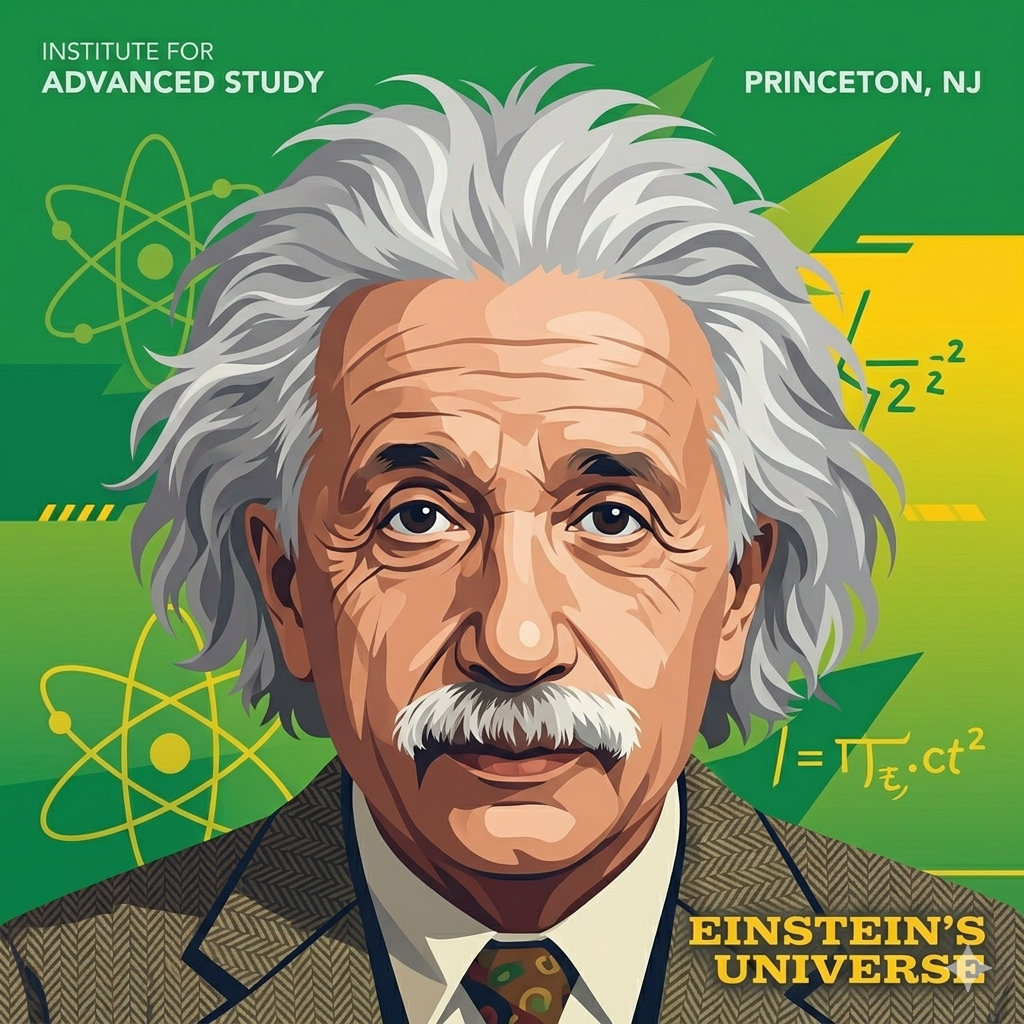
Albert Einstein: The Relativity of Time and Human Geniality
Albert Einstein was not just a physicist; he was a philosopher of reality who challenged our perception of time and space. In biobit.online, we explore how the legacy of Relativity Theory continues to influence not only modern science, but also how we understand our own existence in a vast and interconnected universe.
Imagination as the Engine of Science
For Einstein, imagination was more important than knowledge. His findings were not only born from complex calculations, but from bold mental experiments that questioned the obvious. This mentality of "thinking out of the box" is the basis of technological innovation that we cure here in BioBit, remembering that human curiosity is the most powerful tool to unravel the mysteries of the cosmos.
Time is Relative, Evolution is Constant
The understanding that time and space are flexible has changed everything. In the digital age, this relativity is manifested in the speed of information and in the breaking of physical barriers. Einstein's legacy teaches us that truth is multifaceted and that the pursuit of knowledge requires an open and resilient mind. May Einstein's genius be an inspiration for you to continue exploring the boundaries of knowledge and technology.
Conclusion: The Legacy of a Bright Mind
Einstein's impact on humanity is immeasurable. We invite you to reflect on how science and philosophy can walk together to create a more conscious and innovative future. Continue following biobit.online for more insights into the minds that shaped our world and the technologies that are defining tomorrow.
-

Ayrton Senna: The Eternal Legacy of a Human Overcoming Icon
Ayrton Senna was not just a Formula 1 driver; he was a symbol of resilience, patriotism and relentless pursuit of perfection. In biobit.online, we pay tribute to the man who turned motorism into a form of art and personal overcoming, leaving a legacy that transcends generations and borders.
The King of Monaco and the Rain
Known for his unparalleled ability under rain and his absolute dominance in the Monaco circuit, Senna proved that talent, when combined with a discipline of iron, can defy the laws of physics. Their connection to the car and their intuition on the tracks are perfect examples of how the human mind can achieve extraordinary states of flux, a theme that we explore deeply in our curatorship of behavior and performance.
Far Beyond the Podium
Senna's true impact was on her humanity. Through his desire to help Brazil and its unwavering faith, he inspired millions to believe in their own dreams. Ayrton's legacy teaches us that purposeless success is empty, and that true victory lies in the ability to elevate those around us. May the flame of your determination continue to illuminate the path of all who seek excellence in their own journeys.
Conclusion: Accelerate with Purpose
Ayrton Senna remains alive in every heart that beats stronger when seeing a green and yellow flag. We invite you to reflect on what values guide your daily "race". Keep following biobit.online for more tribute to personalities who, like Senna, have changed the world with their courage and passion.
-

The Social Domino Effect: How Small Habits Become Great Cultural Epidemics.
No tecido invisível da sociedade, as grandes mudanças raramente começam com estrondo; elas começam com um sussurro. Uma nova gíria adotada por um pequeno grupo de adolescentes, um modelo específico de calçado que surge em um bairro alternativo ou um aplicativo que promete simplificar a rotina. De repente, quase sem aviso, o que era uma sutil excentricidade cruza uma linha invisível e se espalha de forma avassaladora por todo o planeta. Esse momento mágico e, por vezes, assustador é o chamado “Ponto de Virada” — o limiar exato em que uma tendência menor ou um comportamento social isolado atinge uma massa crítica e se propaga com a velocidade e a força de uma epidemia biológica.
Para compreender como esse fenômeno opera, é preciso mergulhar nos mistérios da psicologia de grupo e na dinâmica das redes humanas. Assim como um vírus precisa das condições perfeitas para se espalhar, as ideias e comportamentos dependem de três fatores cruciais: a mensagem certa, o contexto adequado e, principalmente, as pessoas certas. No coração dessas transmissões estão indivíduos com um magnetismo social único: os conectores, que transitam entre diferentes mundos e criam pontes; os especialistas em informação, que acumulam conhecimento e têm prazer em ajudar; e os vendedores natos, que possuem o poder raro da persuasão. Quando uma ideia é adotada por esses catalisadores sociais, a engrenagem do contágio é acionada.
O contágio social nos lembra que os seres humanos são profundamente interdependentes e imitativos. Muitas vezes, a decisão de adotar um novo comportamento não nasce de uma reflexão lógica individual, mas do alívio psicológico de seguir a direção que o grupo começou a tomar.
Esse limiar de mudança oferece insights valiosos sobre a nossa própria vulnerabilidade e força enquanto coletivo. O Ponto de Virada prova que o comportamento humano é altamente sensível ao ambiente e às pistas visuais ao nosso redor. Uma pequena alteração no cenário — como limpar uma parede pichada ou mudar o design de um espaço público — pode ser o gatilho para reduzir a criminalidade ou aumentar a cooperação de uma comunidade inteira. Entender essa dinâmica é perceber que não somos apenas passageiros passivos da cultura, mas potenciais transmissores. No fim das contas, a grande lição da psicologia das multidões é reconfortante e desafiadora: com o empurrão certo, no lugar certo e com as pessoas certas, qualquer um de nós pode iniciar uma reviravolta no mundo. -
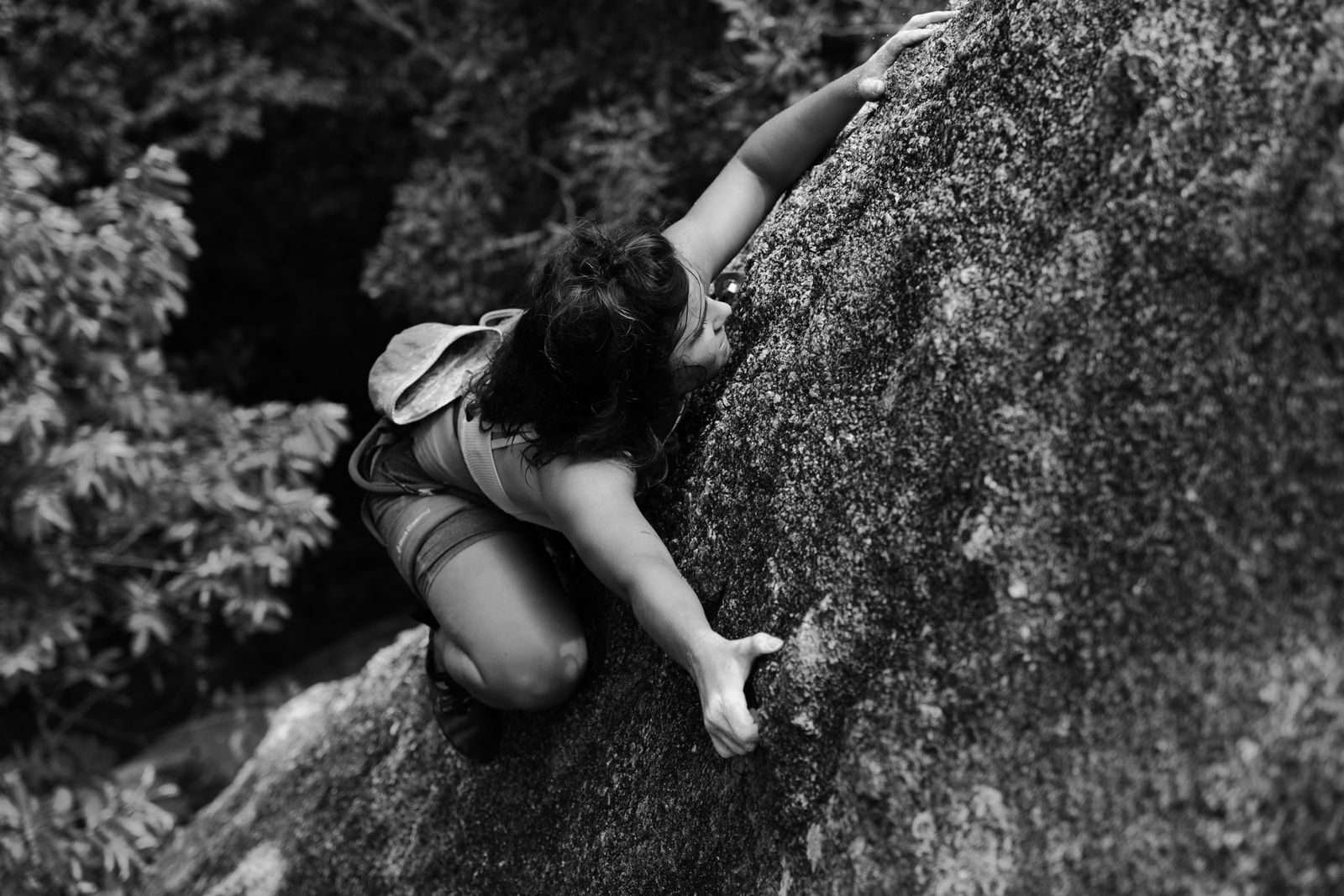
The Wild Woman Awakening: What Fairy Tales Reveal About Their Instinctive Force
There is an ancestral force that inhabits the core of every woman, a pulsating energy that knows the way to healing, creation and freedom. However, throughout generations, industrialized and patriarchal society silenced this voice, pruning the claws of female intuition and domesticating its essence. The rescue of this hidden power goes through the deep re-analysis of myths and fairy tales, narratives that function as true psychic maps capable of guiding women back to the archetype of the "Wild Woman". By deciphering these ancient metaphors, it is revealed an irrefutable invitation to unearth the instincts, creativity and intuition that were suffocated under the cloak of social expectations.
The original fairy tales, long before they were softened by contemporary infantile versions, were stories of psychological survival. They were not passive princesses waiting for salvation, but early journeys of self-discovery and confrontation with their own shadow. In the analysis of these narratives, figures such as the forest witch, the wolf or the wise old woman do not represent evil, but rather aspects of the female psyche that refuse to be domesticated. When a woman connects with the archetype of the Wild Woman, she recognizes that her cycles, her creative furys, and her keen sensitivity are not defects to be corrected, but her greatest superpowers.
Reconnection with instinctive nature does not mean a return to a primitive or chaotic state, but rather the conquest of deep psychic autonomy. It is the right to say "no" to what sickens the soul and "yes" to authentic desires themselves.
Suffocating this essence charges a high price in contemporary times, manifesting itself in chronic tiredness, creative blocks, anxiety and a persistent feeling of emptiness. To reverse this process of domestication, the journey takes courage to look at the wounds and rescue the pieces of itself that were left along the way. By listening again to the old stories and rescuing the symbol of myths, the modern woman learns to smell danger, to trust her stomach and to create art from her own truths. After all, running with wolves means taking control of your own destiny, howling to the world the certainty of who you are, without apologizing for your own immensity. -

The Constant Connection Price: How to Master Tecnoestresse Before He Rules You
The new technologies have radically transformed our routine, becoming indispensable tools for work, leisure and communication. However, this dependence has created a bond from which we rarely manage to separate ourselves. The result? A pattern of excessive use that silently charges its price, giving rise to what science and psychology call technostresis.
Stress alone is a natural response of imbalance between external demands and our ability to face them. At moderate doses, it can even keep us alert and effective. The real problem arises when it becomes chronic and dominates us. In the case of technology, the impact is not immediate; it is cumulative, settling in the organism through small everyday situations that we ignore until the limit is exceeded.
The Exhaustion of Mind and Body
The main symptom of screen abuse is mental saturation. Just as the body faints after a prolonged physical effort, the mind also has limited resources of attention and runs out under constant stimuli. When we ignore these signs, the price is charged in both mental and physical health.
The first alerts usually appear in the form of:
Anxiety and chronic irritability.
Chronic difficulty sleeping and mental fatigue.
Somatic manifestations, such as muscle pain, headache and digestive problems.
In the long run, the scenario is even more serious. Chronic stress caused by digital bombing acts as a precursor factor for non-communicable chronic diseases — as cardiovascular problems, diabetes and severe mental disorders. Not by chance, the World Health Organization (WHO) already considers the advancement of these pathologies a true global pandemic, whose explosion directly coincides with the age of hyperconnectivity.
The Solution Not Banning Technology, but Changing Relationship
It's worth the reminder: technology itself is not the villain. She's a two-edged knife that makes our lives easier, but requires conscious handling. The first step to reverse the tecoestresse is to break the automatic behavior. How many times have you opened the phone by pure inertia and caught yourself losing precious minutes in the infinite scroll? The brain seeks the immediate reward of notifications, and it is up to us to assume voluntary control of this flow.
Scientific studies on digital detoxification prove that conscious reduction of screen time significantly improves psychological well-being and reduces compulsive behaviors. To apply this in practice, we need to map two essential variables of our daily lives:
1. Identify Stress Triggers
It is essential to recognize which digital situations increase your anxiety. Whether it's the excess of off-time work emails, the social comparison on Instagram or the bombardment of news. Anticipating these moments allows to shield the mind before overload.
2. Incorporating Total Disconnect Activities
To give the rest that the mind needs, it is not enough just to turn off the screen and dwell on thoughts. It is necessary to focus on activities that require full attention and interrupt mental turmoil. Practicing sports (especially collective), reading a physical book, dancing, playing an instrument or living with people who transmit calm are excellent ways to promote a "digital self-regulation".
The Path to Digital Hygiene
Estabelecer pausas eficazes ao longo do dia e definir limites claros para o uso de smartphones são atitudes que regulam nossas emoções e devolvem a qualidade de vida. Estar ciente de como e por que usamos os dispositivos é o pilar de uma boa higiene digital. Cuidar da mente e dar a ela o direito ao descanso é a única maneira de manter o tecnoestresse sob controle, garantindo que a tecnologia continue sendo nossa aliada, e não a dona do nosso bem-estar.