
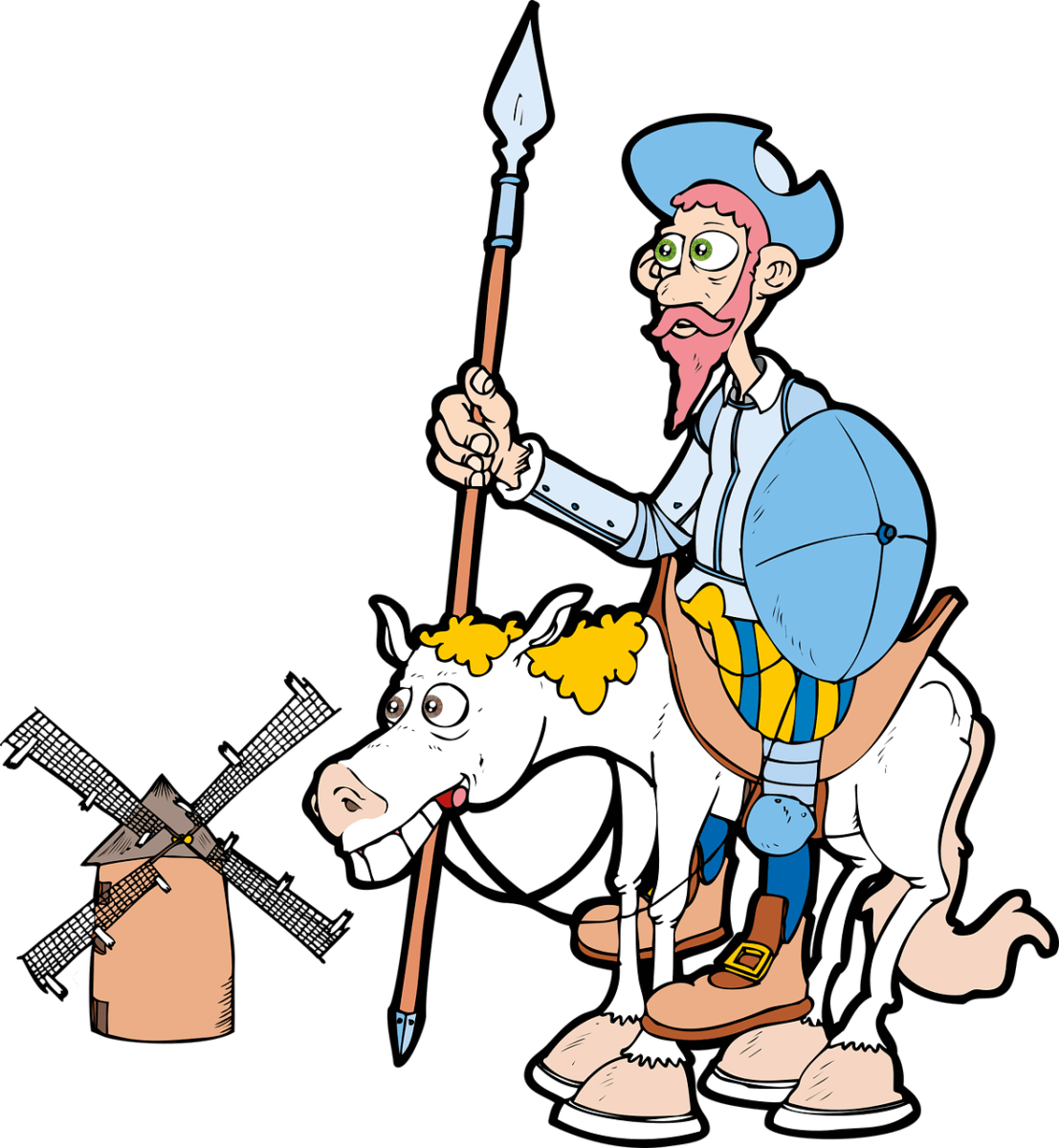
Miguel de Cervantes’ Don Quixote, published in two parts in 1605 and 1615, is widely regarded as the cornerstone of Western literature. Before its arrival, stories were dominated by rigid structures, idealized heroes, and predictable moral lessons found in chivalric romances. By subverting these tropes, Cervantes didn’t just write a funny story about a madman; he birthed a literary form that could capture the messy, contradictory, and deeply internal nature of human existence.
How Don Quixote Invented the Modern Novel
The most revolutionary aspect of Don Quixote is its introduction of psychological depth and character evolution. Unlike the knights of earlier legends who remained static and infallible, Alonso Quixano is a man defined by his fractures. As he transforms into the deluded knight-errant, we see a character who possesses a complex inner life, driven by a specific, albeit misguided, intellectual passion. This focus on individual consciousness paved the way for the realistic characterization that defines the modern novel.
Furthermore, Cervantes pioneered the use of "meta-fiction," a technique where the story comments on its own construction. By incorporating fictional readers, critics, and even characters who have read the first volume of the book itself, Cervantes blurred the lines between reality and fiction. This self-reflexivity challenged the reader to engage with the text not as a passive observer of an epic, but as an active participant in a sophisticated, layered narrative experience.
Finally, the novel established the importance of the "unreliable narrator" and the dialogue-driven plot. Through the pairing of Quixote and his squire, Sancho Panza, the book utilizes a constant dialectic between idealism and materialism. This interplay allows the narrative to explore multiple perspectives simultaneously, ensuring that the "truth" of the story is never singular. By placing these clashing worldviews in constant conversation, Cervantes created a dynamic, open-ended structure that remains the blueprint for the genre today.
Why Cervantes Changed Storytelling Forever
Cervantes changed storytelling by grounding his narrative in the grit of everyday life, a sharp departure from the high-fantasy tropes of his time. While his peers were writing about dragons and magical swords, Cervantes focused on dusty Spanish roads, squalid inns, and the mundane struggles of common people. By injecting a high-minded literary parody into a base, realistic setting, he validated the idea that the "ordinary" world was just as worthy of epic treatment as the halls of kings.
The novel also introduced the concept of the "polyphonic" narrative, where different voices and social classes coexist without one necessarily silencing the other. Sancho Panza’s earthy, pragmatic proverbs serve as a necessary counterweight to the flowery, archaic chivalric language of Don Quixote. This democratization of voice allowed the novel to become a mirror of society, reflecting the tensions and complexities of the real world rather than just the idealized visions of the aristocracy.
Ultimately, Cervantes’ legacy is the invention of the "human" hero—a protagonist who is flawed, vulnerable, and capable of profound failure. By allowing Don Quixote to suffer, to be mocked, and eventually to regain his sanity only to die in a state of melancholy reflection, the author moved literature away from myth and toward the human condition. This shift ensured that the novel would become the primary vehicle for exploring the complexities of identity, morality, and the search for meaning in a world that often defies our expectations.
In conclusion, Don Quixote stands as a monumental achievement because it dared to be human in an age of static archetypes. By dismantling the rigid expectations of his contemporaries, Cervantes gave us the tools to explore the infinite nuances of the soul through prose. Every time a reader picks up a modern novel, they are walking the same dusty roads as the Knight of the Rueful Countenance, searching for truth in a world that is as beautiful as it is absurd.


Deixe um comentário