
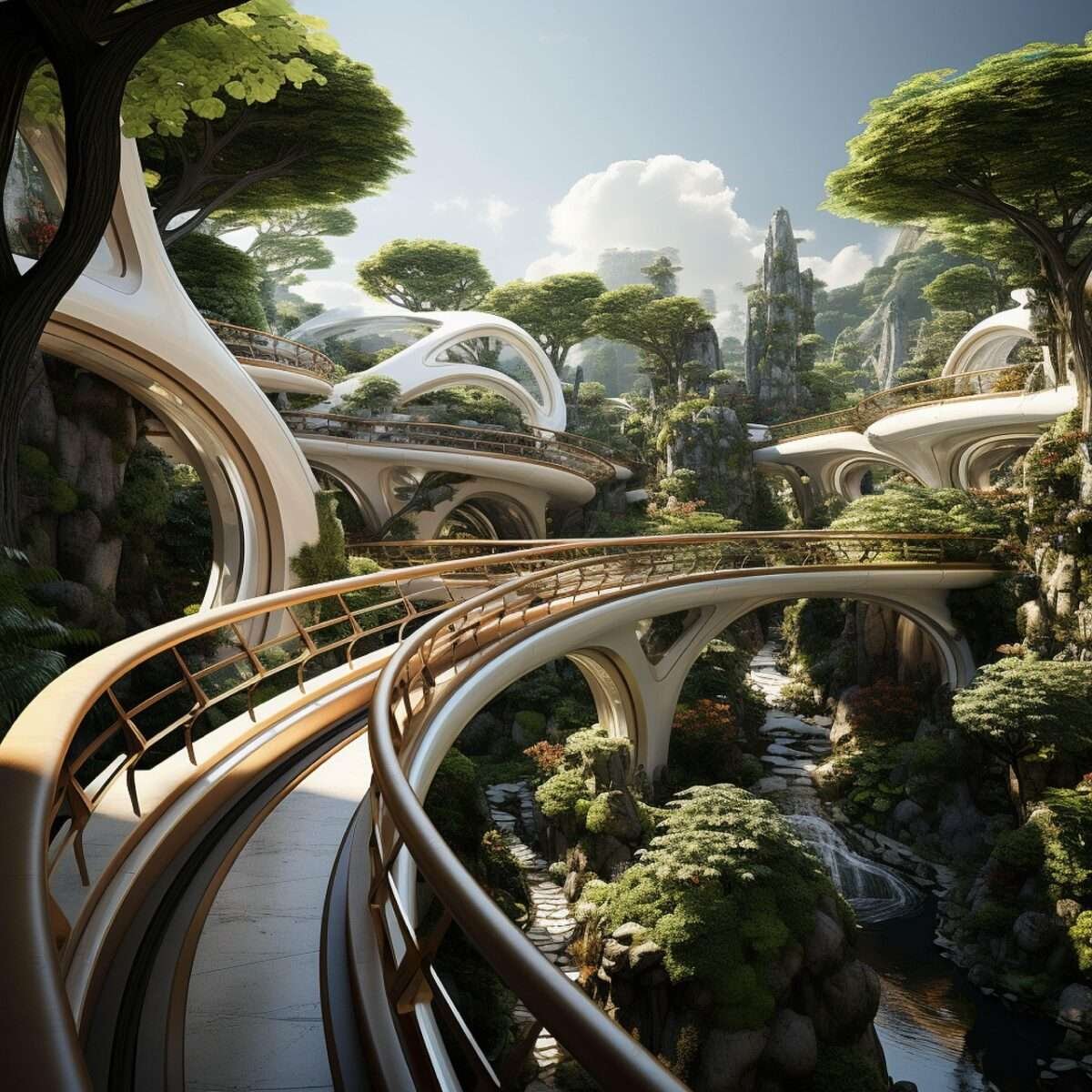
A arquitetura sustentável deixou de ser um nicho para se tornar uma necessidade global. No centro dessa revolução está o design passivo, uma abordagem que utiliza as condições climáticas locais para manter o conforto térmico sem depender excessivamente de sistemas de ar-condicionado ou aquecimento. Neste artigo, vamos entender como pequenas mudanças no projeto podem reduzir o consumo de energia em até 70%.
Os Pilares do Design Passivo
O design passivo foca na orientação solar, ventilação natural e isolamento térmico. Ao posicionar janelas estrategicamente para captar a luz do inverno e bloquear o sol forte do verão, é possível iluminar e aquecer ambientes de forma natural. A ventilação cruzada, por sua vez, permite que o ar circule livremente, resfriando a casa sem gasto elétrico.
Materiais de Baixo Impacto
Além do design, a escolha dos materiais é fundamental. O uso de madeira certificada, tijolos de solo-cimento e isolantes naturais como a cortiça ajuda a reduzir a pegada de carbono da construção. Telhados verdes também são excelentes aliados, pois ajudam a filtrar a água da chuva e oferecem um isolamento térmico superior.
O Impacto no Bolso e no Planeta
Embora o investimento inicial em tecnologias sustentáveis possa ser ligeiramente maior, a economia nas contas de luz e água ao longo dos anos compensa o valor. Mais do que economia, morar em uma casa sustentável promove bem-estar e saúde, conectando os moradores com os ciclos naturais da terra.


Deixe um comentário