
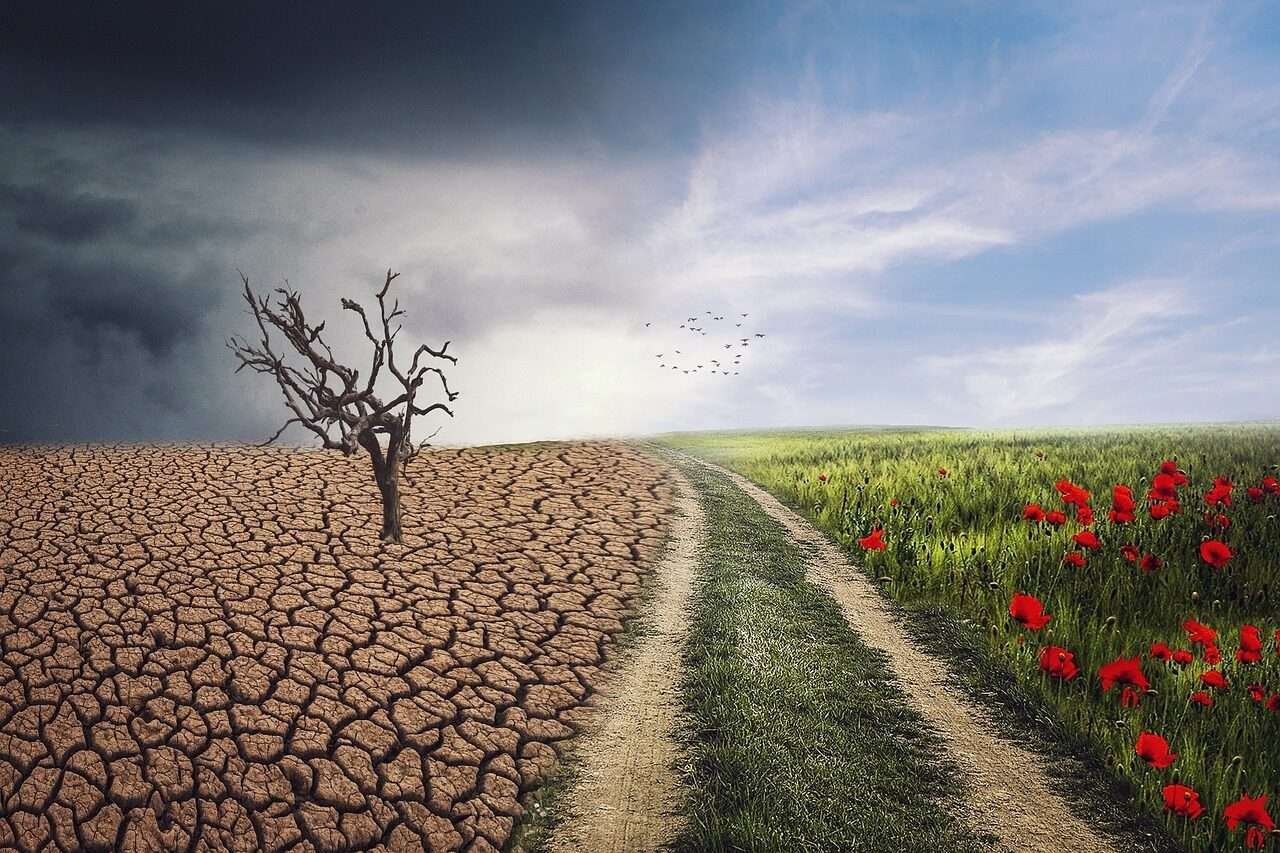
Global warming has transitioned from a distant scientific prediction to an undeniable reality that shapes our daily lives. As temperatures climb and weather patterns become increasingly erratic, the urgency to understand this phenomenon has never been greater. This article explores the core drivers of our changing climate, the profound impacts we are already witnessing, and the actionable steps we must take to secure a livable future for the next generation.
The Primary Drivers of Our Warming Planet
The fundamental cause of global warming is the "greenhouse effect," a process where certain gases trap heat in the Earth’s atmosphere. Human activities, particularly since the Industrial Revolution, have significantly intensified this process by releasing massive amounts of carbon dioxide and methane. The burning of fossil fuels—coal, oil, and natural gas—for electricity, heating, and transportation remains the single largest contributor to the rising concentrations of these heat-trapping gases.
Deforestation acts as a secondary but equally devastating driver of climate change. Trees serve as vital carbon sinks, absorbing carbon dioxide from the atmosphere through photosynthesis. When vast swaths of forests, such as the Amazon, are cleared for agriculture or urban expansion, that stored carbon is released back into the air. Furthermore, the loss of these forests diminishes the planet’s natural ability to regulate atmospheric carbon levels, effectively doubling the damage done to our climate stability.
Industrialized agriculture and intensive livestock farming also play a significant role in warming the planet. Modern farming methods, including the use of synthetic fertilizers, release nitrous oxide, a greenhouse gas significantly more potent than carbon dioxide. Simultaneously, the global demand for meat has led to massive cattle ranching operations, which produce immense quantities of methane through the digestive processes of livestock. These systemic changes in land use and food production are critical pieces of the complex puzzle that is global warming.
Urgent Strategies to Curb Global Warming
To effectively curb global warming, we must initiate a rapid and systemic transition toward renewable energy sources. Moving away from fossil fuels in favor of wind, solar, and hydroelectric power is the most critical step we can take to lower global carbon emissions. Governments must incentivize this shift by ending subsidies for the oil and gas industry and investing heavily in the infrastructure required to support a clean, green energy grid that can reliably power our homes and industries.
Individual actions, while often feeling small, create the collective momentum necessary for larger policy changes. By adopting more sustainable lifestyles—such as reducing meat consumption, minimizing waste, and opting for public transportation or electric vehicles—we can lower our personal carbon footprints. Furthermore, supporting businesses that prioritize ethical and eco-friendly supply chains sends a powerful signal to the market, forcing corporations to rethink their environmental impact and prioritize long-term sustainability over short-term profit.
Finally, political advocacy and international cooperation are essential to address the global scale of this crisis. Climate change knows no borders, and it requires nations to commit to binding agreements that hold major emitters accountable. By participating in local politics, voting for climate-conscious leaders, and demanding stricter environmental regulations, citizens can ensure that sustainability remains at the forefront of the global agenda. Protecting our planet is not just a technological challenge, but a social and political imperative that requires the commitment of every person on Earth.
In conclusion, global warming is a multifaceted challenge that demands immediate and sustained action from every level of society. By understanding the root causes and committing to both individual lifestyle changes and broad systemic shifts, we can mitigate the most catastrophic effects of a warming world. The window for meaningful change is narrowing, but with collective willpower and innovation, a sustainable and resilient future remains well within our reach.


Leave a comment