
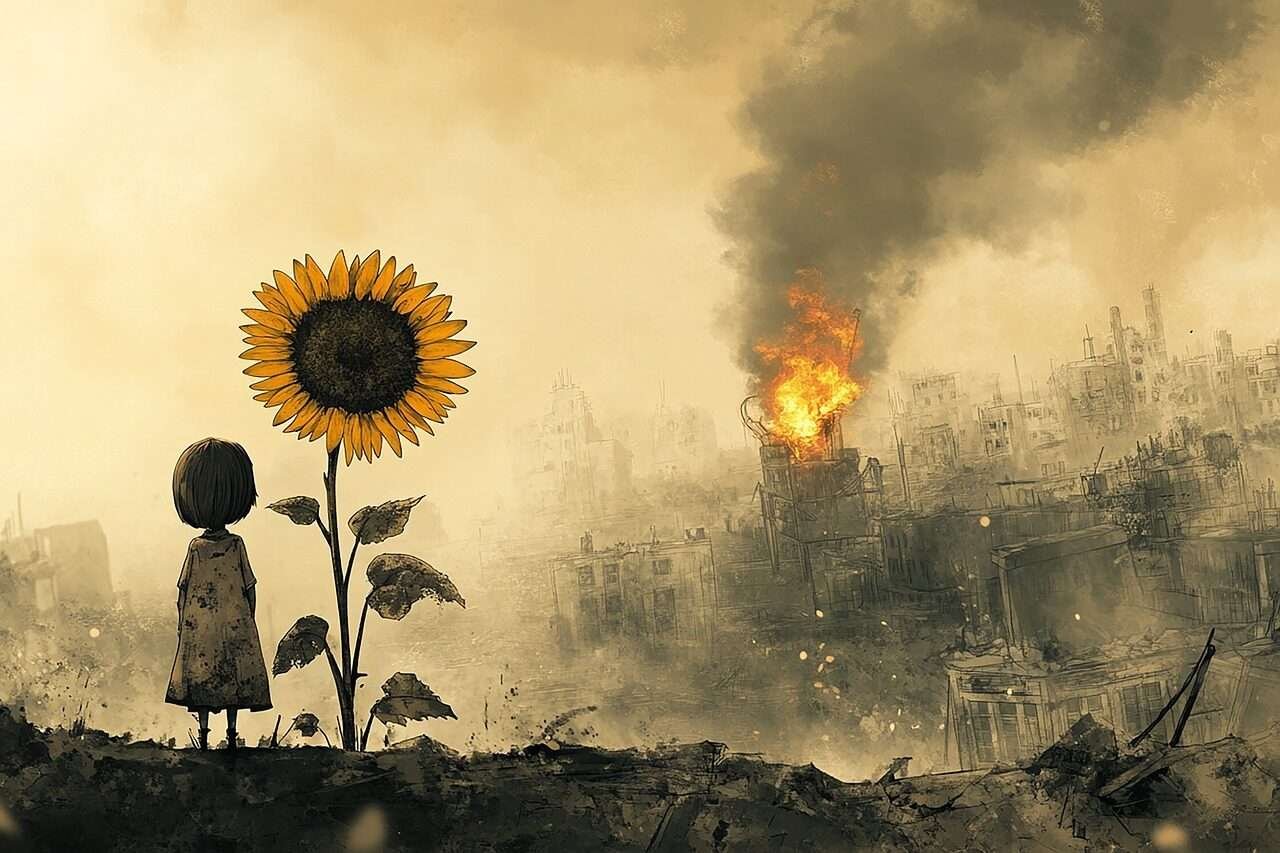
In a world filled with real-life uncertainties, one might assume that readers would seek solace in bright, escapist fantasies where everyone lives happily ever after. Yet, the literary landscape calls a vastly different story. Dystopian fiction—characterized by oppressive regimes, environmental collapse, and the systematic erosion of individual freedoms—continue to master bestseller lists and streaming platforms alike. From classic masterpieces like George Orwell’s 1984 to modern blockbusters like Suzanne Collins’s The Hunger Games, our collective appetite for bleak, wow-case scenarios seems unstable. This enduring fascination begs a compelling question: why do we willly subject ourselves to these grim visions of tomorrow?
The answer lies not in a morbid desire for dispair, but in the professional psychological and emotional utility of the genre. Dystopian stories serves as unique intellectual sandboxes, allowing us to confront our deepest fears from a safe distance. They are not merely warnings about what could go wrong; they are mirrors reflecting our current anxietys and tests to the resilience of the human soul. By exploring these dark futures, we find a strange sense of comfort, a space to process our contemporary stories, and a renewed appreciation for the freedoms we have taken for gained.
Ultimately, the allure of the dystopia is roaming in its ability to speak directly to the human condition. It takes the abstract, overwhelming complexity of modern existence and distills them into gripping, high-stakes narrative. Where we are watching a lone rebel defy a totalitarian state or witness a community rebuild itself from the questions of ecological collapse, we are drawn to these tales because they tell us something vital about who we are. They challenge us to look at our world today and ask ourselves what kind of future we are actively choosing to build.
Mirroring Our Deepest Real-World Anxieties
At its core, dystopian fiction is never truly about the future; it is a hyper-focused exacerbation of the present. Great dystopian writers possess a unique ability to identify nascent societal anxieties—be they technological overreach, climate change, government surveillance, or corporate green—and stretch them to their absolute, terrifying logic extremes. When we read about a world where human fertility is controlled by a country elite, as in Margaret Atwood’s The Handmaid’s Tale, or where algorithms dictate every human interaction, we are recognizing the seeds of our own reality. This recognition creates a chilling but additive resonance that keeps readers turning the pages.
Furthermore, these stories provide a safe, structured environment for us to process our collective dread. The modern world can feel chaotic, fragmented, and impossibly complex, leaving many of us with a singering sense of powerlessness. In a dystopian novel, however, the source of evil is usually concrete and identifiable: a tyrannical dictator, a corrupt corporation, or a broken system. By consolidating our wander, real-world anxieties into a tangible fictional enemy, these narrative offers a form of cognitive framing. They allow us to face our fears, dissect them, and mentally defeat them alongside the characters.
Finally, dystopian fiction acts as the vital cultural alarm system. It taps into our instinct for self-preservation by showing us the potential consequences of our current societal trajectory. By painting a vivid picture of what we stand to lose—our privacy, our autonomy, our connection to nature, or our basic human rights—These stories urge us to remain vigilant. They back us that the liberties we enjoy are fragment and require constant defense, transforming our passive entertainment into an active exercise in civic and moral awareness.
The Thrill of Survival and the Human Spirit
Beyond the political and social commentary, dystopian fiction is deeply beloved because it strips away the mundane distractions of daily life to focus on the raw essentials of survival. In a world where the social contract has crumbled and the amenities of modern civilization are gone, characters are forced to discover who they truly are. This extreme pressure cooker environment acts as a crucible for character development. We are drawn to the sheer drama of seeing ordinary people pushed to their limits, forced to make impossible ethical choices just to see the next sunrise.
Crucially, these bleak landscapes are where the triumph of the human spirit shines the brightest. It is a paradox of the genre that the darker the setting, the more brilliant the sparks of hope, love, and rebellion appear. When a protagonist chooses self-sacrifice over self-preservation, or when a community forms a bond of solidarity in the face of brutal oppression, it reaffirms our faith in humanity. Dystopian fiction reminds us that even under the most crushing weight of tyranny, the human desire for freedom, connection, and empathy cannot be entirely extinguished.
This dynamic also invites a powerful level of reader self-insertion. As we follow a protagonist through a hostile wasteland or the sterile corridors of an authoritarian regime, we inevitably ask ourselves: What would I do? Would I conform to survive, or would I find the courage to fight back? Tapping into this primal instinct for survival is incredibly empowering. It allows readers to rehearse courage in their minds, leaving them with a renewed sense of agency and the inspiring belief that even a single, ordinary individual has the power to spark a revolution.
In the end, our obsession with dystopian fiction is not a sign of pessimism, but rather a testament to our enduring hope. We do not read these stories because we want the world to end, but because we desperately want it to survive. By witnessing the collapse of civilization on the page, we are reminded of the fragile beauty of our own reality. These dark narratives act as a vaccination for the soul, introducing a small, controlled dose of dread to help us build up our psychological and moral immunity against the real-world forces of apathy and oppression.
Furthermore, dystopian literature serves as a powerful bridge between generations, uniting readers in a shared contemplation of ethics, progress, and humanity. It strips away the trivial distractions of daily life to focus on the fundamental questions of existence: What does it mean to be free? How do we maintain our empathy in a cruel world? By forcing us to confront these questions, the genre elevates our consciousness and encourages us to become more active, thoughtful participants in our own societies.
So, the next time you find yourself turning the pages of a novel about a ruined future, remember that you are not just escaping reality—you are engaging with it on a deeper level. Dystopian fiction will always have a place on our bookshelves because, in the darkest of literary nights, the light of human resilience shines the brightest. It reminds us that no matter how powerful the shadow of tyranny or catastrophe may seem, the human spirit possesses an extraordinary, inextinguishable capacity to fight back, to rebuild, and to hope.


Leave a comment